15 Remote Villages Where Old Ways Still Reign
Many villages worldwide refuse to accept the modern world as we know it. They choose to live a simple life in the traditions of their ancestors. Some villages on this list have no electricity, some have ancient rituals that will scare you, and some have never been contacted.
I’ve compiled a list of villages from around the world that are some of the most remote and mysterious places you’ve never heard of. Here are 15 remote villages where old ways still reign.
1. Tana Toraja, Indonesia
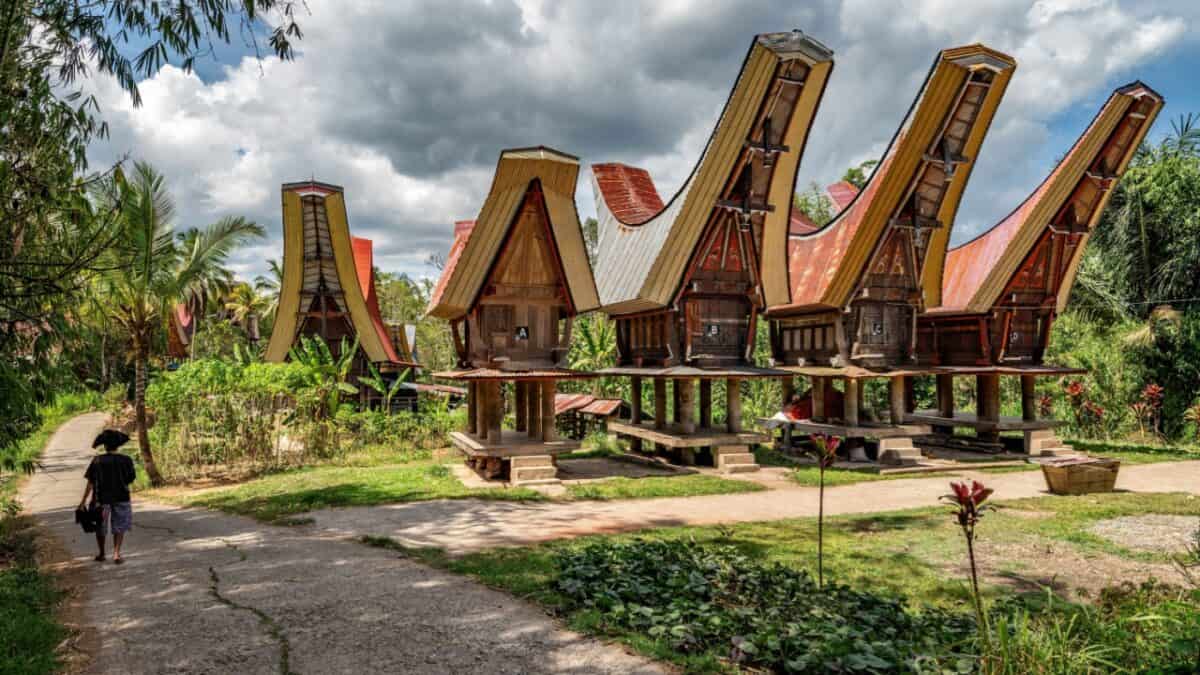
If you’ve never heard of this tiny village in Indonesia, maybe you’ve heard about the Ma’nene festival, the Ceremony of Cleaning Corpses, or the Ritual of the Dead.
If these still don’t ring a bell, let me explain. During Ma’nene, the Torajan people exhume their dead ancestors’ bodies, parade them around the village, clean them up, dress them in new clothes, and then re-bury them.
The history of the ceremony began hundreds of years ago when Pong Rumasek stumbled across a dead body in the forest. He took the body, dressed it, and buried it.
After he had done this, he started receiving blessings in his life, like good crops and easy hunting. This led him to believe that if you care for the dead, they will bless you. The ceremony happens every three years at the end of August, with the last one happening in 2023, so the next one won’t be until 2026.
2. Pentecost Island, Vanuatu

The land diving ceremony has been happening on Pentecost Island for centuries. It all started when a man upset his wife, so she ran away and climbed up a banyan tree. Her husband climbed up the tree after her, but she jumped once he reached the top. Instead of falling to her death, the vines that she had tied around her ankles caught her. Her husband jumped, not knowing she had tied vines to herself and died.
The island women continued the tradition of tying a vine to their ankles and jumping off banyan trees, but their husbands worried for their safety, so they started doing it instead. It’s now turned almost into a sport, and they’ve built a massive 100-foot wooden tower that they jump off. The only thing between them and certain death is a vine tied around their ankles. The island’s people continue to practice this yearly ceremony to ensure a good yam harvest.
3. North Sentinel Island, India
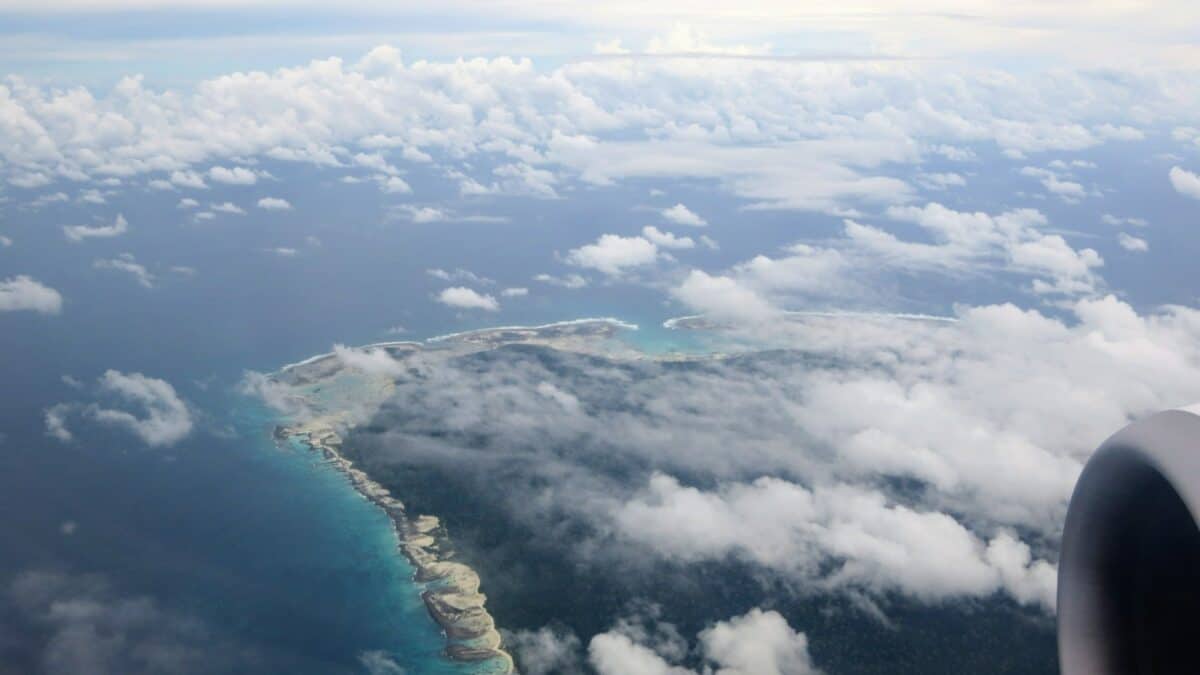
This tiny tribe on North Sentinel Island is one of the few tribes in the world that have never been contacted. The reason for this is that every time someone tries, the people of the island kill them. Even shipwrecks that wash up on the island’s shore are not spared.
Because of the attacks and to keep the tribe safe from diseases and colonization, India’s government has made it illegal to go anywhere near the island. India’s coast guard is constantly patrolling the water in case anyone gets too close to the island or tries to make contact.
4. Niihau, Hawaii, USA

This paradise on earth is strictly off-limits to the outside world. Elizabeth Sinclair bought the island in 1864 for $10,000, which is equal to about $200,000 today. She decided to give the island to the native Hawaiians so that they could continue to live in the ways of their ancestors.
When the island was originally turned over to the Niʻihau people, there were about 300 of them on the island. Today, there are around 80. The only contact the villagers have with the outside is the barges that bring them their groceries from Kauai, and the US Navy, which has a small base on the island. The only source of income that the island has is very specialized tours of the island and the navy base that pays them to be on the island.
5. Highlands Region, Papua New Guinea

This area of Papua New Guinea is known for having cannibals. The Korowai people say that they used to practice cannibalism as a form of punishment. They say that they don’t practice cannibalism anymore, but some recent claims tell a different story.
In 2006, Australia 60 Minutes did an episode about these people, showing they were nice and friendly and lived a simple life. That was until they were wrapping up filming and a person from the tribe approached one of the crew members. He told them that his six-year-old nephew had been accused of being a witch doctor and that he was going to be cannibalized unless they helped the little boy.
Before they could help, the Indonesian government sent them away, and the boy was never heard from again.
6. Yamal Peninsula, Russia

The Nenet people of Siberia have been around for about 2,000 years. They live deep in the Arctic Circle in Russia and are nomads. They follow the reindeer migration and set up camps as they go. It’s estimated that about 50,000 Nenet people are in Russia, but only about 5,000 are nomadic.
On this little peninsula, it can reach temperatures of -50 degrees, which would mean instant death for most people. However, for this tribe, it doesn’t even seem to bother them. They are even known to cross rivers in this kind of weather!
7. Bayan-Olgii Province, Mongolia

In this region of Mongolia, a group of people hunt eagles. No, they are not hunting and killing eagles but using them to find food. The Mongolian Eagle Hunters have been around since 400 BC; some still practice this form of hunting today.
The way it works is that the hunters will ride on horseback until they see a small enough prey to know the eagle can take it down. Then they release the eagle and let it kill the animal, and then the hunters keep the animal for themselves.
8. Amazon Rainforest, Brazil

Deep in the Amazon Rainforest, there are 67 uncontacted tribes. The Amazon Rainforest is one of the most difficult places on earth to live. Venomous animals are everywhere; it’s hot and humid year-round, and the forest is almost impossible to navigate.
Over the centuries, these tribes have found ways to live here and be one with the nature surrounding them. These people thrive, all while living in one of the most dangerous places on earth.
The number one danger to these tribes is the industrialization and colonization of the Western world. As the rainforest continues to be ripped apart for financial gain, these tribes are being forced to move deeper and deeper into the forest. Some logging companies have even tried to secretly get rid of these tribes, but now that there’s some government protection for them, they can’t be taken out as easily.
9. Rinchegang, Bhutan

Rinchegang is one of the oldest villages in Bhutan. Its population is around 500 people, and many villagers are excellent stone masons. These stone carver techniques have been passed down from generation to generation. Until the 1990s, this little village didn’t have access to water, electricity, or schooling.
It’s estimated that this village has been around since the early 1600s. It’s built into a hillside in the traditional style of wood houses they’ve lived in for hundreds of years. Sitting at the top of the hill is a beautiful Buddhist temple with intricate stone carvings and woodwork. This village is just a 20-minute walk from the highway, so it’s easily reachable if you’re ever in Bhutan.
10. Lancaster, Pennsylvania
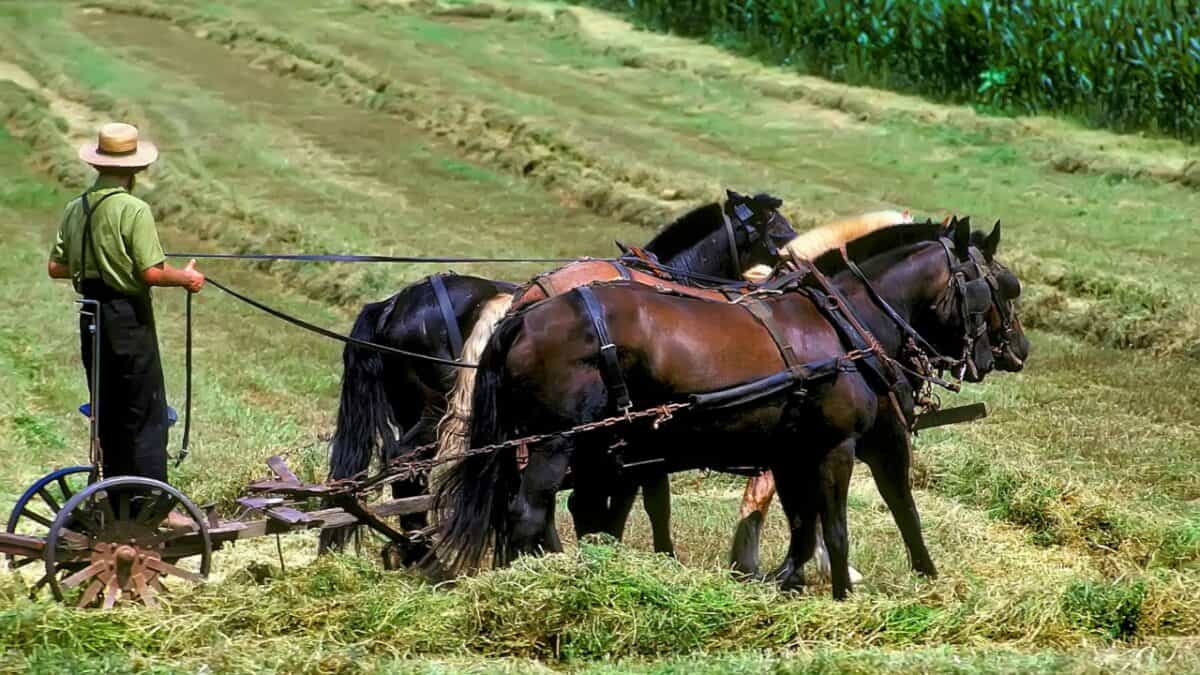
Amish people live all over the U.S, but Lancaster is home to the world’s oldest and largest Amish community. If you know anything about the Amish, you know they are very strict about adhering to old-world ways of life.
They use electricity sparingly, are not educated past the 8th grade, and have little to no contact with anyone outside of the community. They also famously ride almost everywhere on a horse and buggy and don’t own cars.
The original Amish people immigrated to the U.S from Switzerland in the 18th and 19th centuries. They tried to live a simple life as closely as possible to their 17th-century Swiss ancestors.
The Amish are very religious, and some don’t even speak English. They speak what’s called “Pennsylvania Dutch,” which is a mix of German, Swiss German, and English.
11. Democratic Republic of Congo

Pygmy tribes can be found across Africa, but many are in the Democratic Republic of Congo. The average height of a male pygmy is around 5 feet tall, and a woman’s is around 4 feet 8 inches.
Their height is attributed to the lack of protein in their diets, lack of vitamin D from living in the forest, and lack of calcium. This, combined with the fact that they only reproduce with each other, is why they are so small.
Pygmy tribes in Africa have somewhat integrated with the rest of the world, but some tribes still practice the hunter-gatherer traditions of their ancestors. However, many of them have been turned into slaves and have even faced genocide in recent years.
12. Ushguli, Georgia
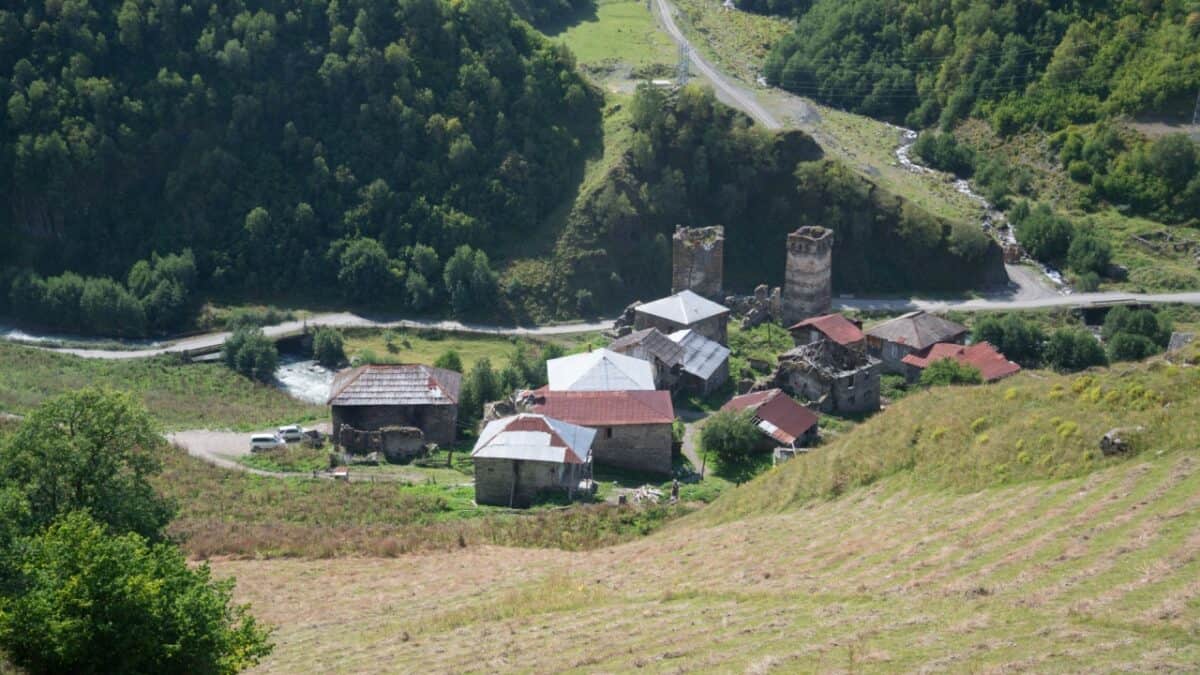
Ushgili is the most remote village in Europe. It’s located in the Enguri Gorge in Georgia and is also the highest settlement in Europe at 7,200 feet. This little village was started in the 9th century and still has many of its medieval characteristics. It has about 200 “tower houses” that were used to protect the village from invaders, which can still be seen today.
The population is around 200, and the village is only accessible by a four-day trek or a three-hour drive in a 4×4 vehicle. It is also covered in snow for six months of the year, which means the villagers are basically on their own during this time.
The people here are simple farmers who eat what they grow and have livestock that provides them with milk (they drink it unpasteurized) and eggs. This is one of the most beautiful places in all of Europe so make sure to add Ushguli to your bucket list!
13. Varian Village, Iran

This small town in the Adaran Rural District in Iran is one of the most difficult to visit on the list. It’s only accessible by boat and was originally located at the bottom of a valley. However, a dam was constructed in the area, forcing the inhabitants to move to higher ground. This village is now known as the only water village in Iran.
Before the dam, about 500 people lived in small villages throughout the valley, but now there are around 40 people living in this village. The town has no electricity, running water, or landline. These people were forced out of the place they had lived for centuries and are now living in isolation from the rest of the world.
14. Urunhayka, Kazakhstan

This tiny village is far removed from the rest of civilization, with the nearest city being 270 miles away. It’s located right on the edge of a lake and is known for its frigid winters and mild summers.
The only way to the village is a 100-year-old road built by Austrian prisoners. The houses here are built from locally sourced logs and have their own gardens. Each family raises different livestock, which they trade with other families in the area.
15. Rumbak, India
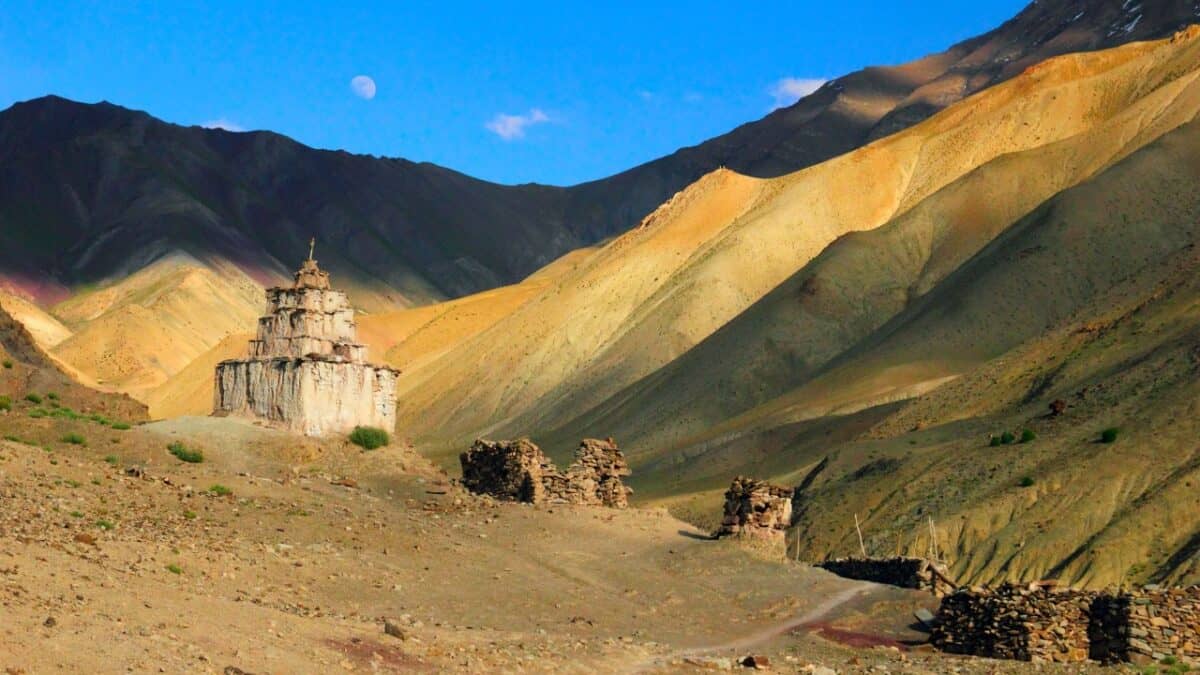
This remote village in Hemis National Park has a population of about 200 and an elevation of 13,000 feet! This national park is most famous for being home to the endangered snow leopard, which draws most of the tourism to the area. The only way to get to this village is a 4-hour hike, but the roads close from October to March, leaving the villagers to fend for themselves for five months of the year.
The people who live in this village rely mostly on tourism, and many of the old abandoned houses are being turned into homestays. Year-round residents usually have to trek to Leh for their food because not much can grow above 13,000 feet.