5 Winter Dangers For Your Dog You Should Know About
Are you a fan of winter? I am not. Living in the PNW I get exhausted from all the gray, rainy days and my mood shoots to zero in a hurry. I complain about the cold, damp conditions and how it makes my joints ache and my bones hurt.
In an effort to keep mobile and sane, I often put my dogs on a leash and head out for walks in between the snow or rain and try to capture a few breaths of fresh air.
Winter Dangers For Dogs

When its hot and sunny, I always check the temperature of the pavement before I let the dogs go out, but I’ll be the first to admit that sometimes, in the winter, I don’t think about how the weather affects them. Wait. Don’t come for me. My dogs are inside 99.99% of the time lounging comfortably on my (I mean their) couch. But when we do venture into the great outdoors, I sometimes forget that they can get cold and achy too.
Recently, I read a study from pet experts that highlighted all the ways dogs need our help to keep comfy and safe during the winter. Never fear, this isn’t all doom and gloom, I’ve got some tips for you at the end too.
Rapid onset of hypothermia

“Even a short walk in frigid temperatures can lead to dangerous drops in body temperature, especially for smaller breeds or senior dogs,” Angelo Sorbello , a pet expert at Pet Sprint, warns.
Toxic hazards

“Antifreeze puddles in driveways can be lethal if ingested, and dogs may be drawn to their sweet taste,” says Angelo Sorbello. “Additionally, de-icing chemicals on roads can be toxic if licked off paws after a walk.”
Invisible paw pad injuries

“Salt and chemicals used on icy roads can cause severe irritation and even chemical burns on paw pads,” Sorbello explains. “These injuries might not be immediately visible but can cause significant pain.”
This one was the most eye opening for me. Often, we will wait until there is no ice on the road to walk, but I never thought about how bad the residual chemicals can be for our furry friends.
Respiratory distress

“Cold air can trigger breathing difficulties, especially in flat-faced breeds or dogs with pre-existing conditions,” notes Sorbello.
This, I hadn’t considered as I have labs now, and they seem to be fine, but it does make sense when I think back to our previous English Bulldog and the breathing troubles she had, she really disliked winter as much as I did.
Exacerbation of joint problems
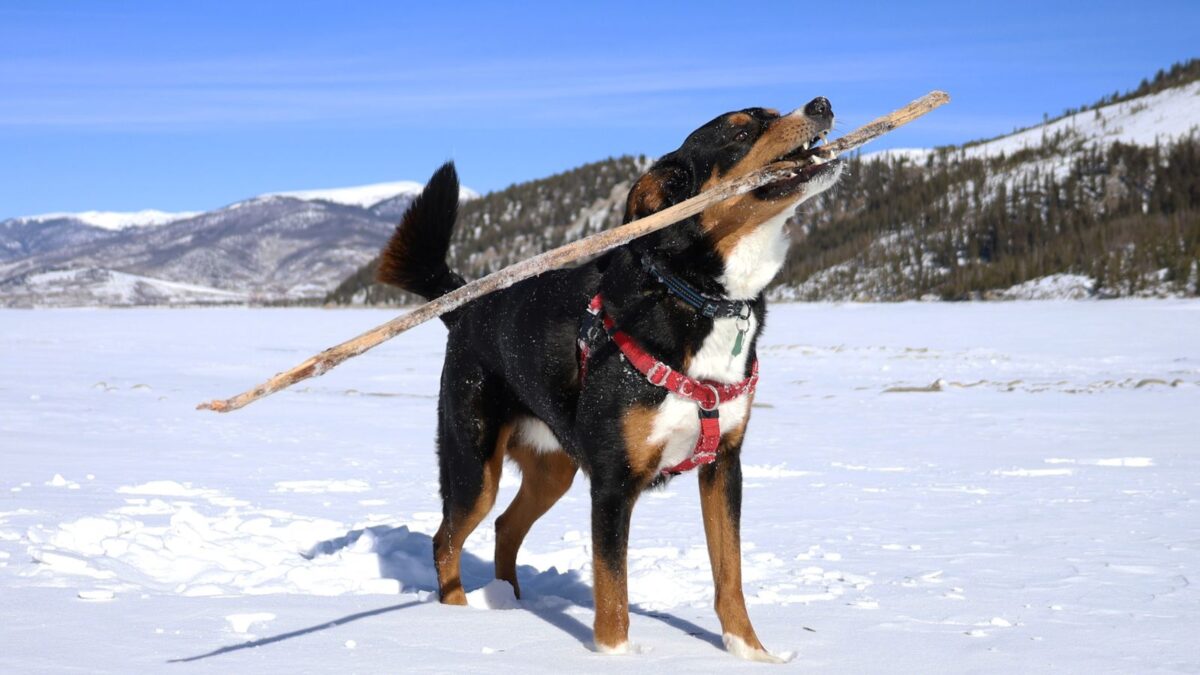
“Arthritic conditions in older dogs can be severely aggravated by the cold, leading to increased pain and reduced mobility,” Sorbello adds.
I know this to be true for sure, as my girl Dani has bad knees and while she loves to play in the snow, she is so stiff and sore later, that we have to give her medicine.
Tips For Helping Your Dog During Winter
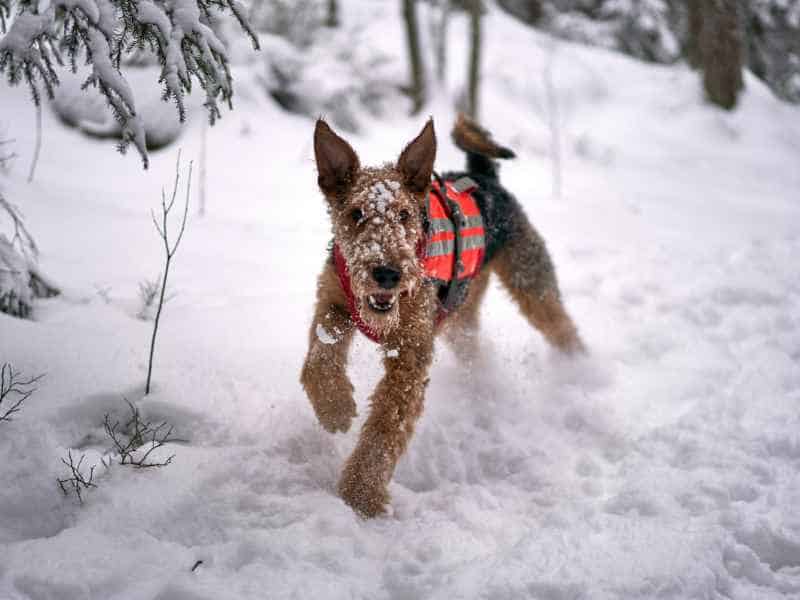
Pet Sprint’s pet specialists reveal some helpful hacks that your dog will love you (even more) for to keep them snug during the cold season.
Bundle That Fur Baby Up
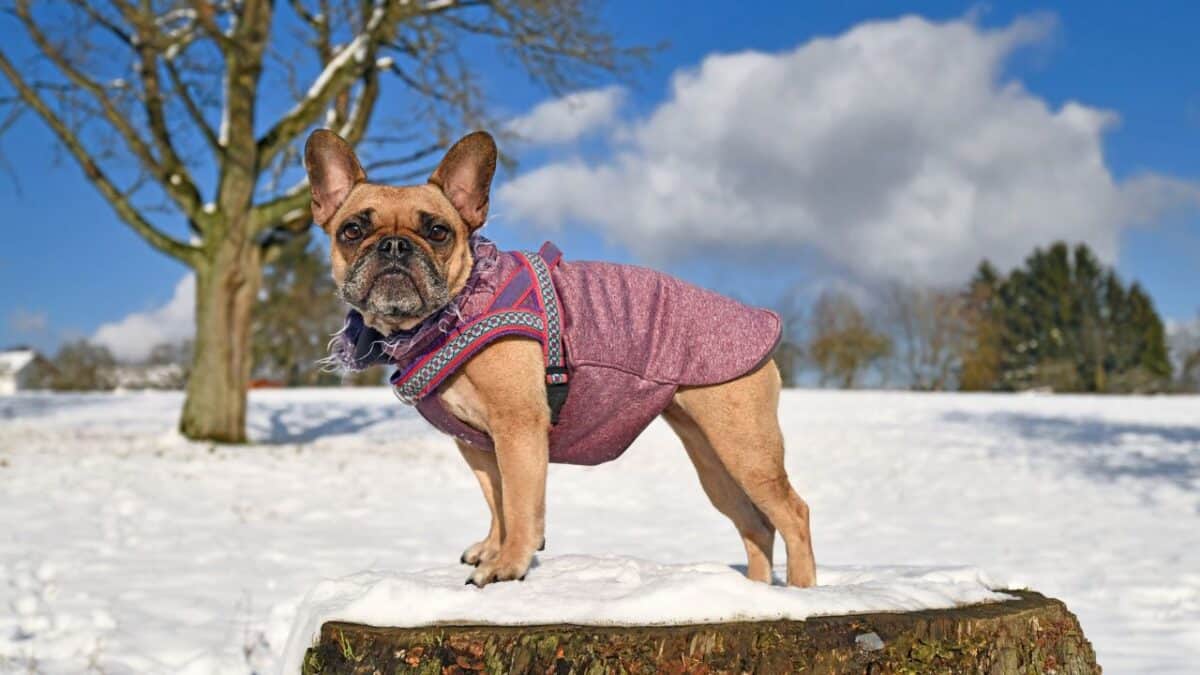
“Clothe your dog in a jacket or sweater when you go out,” says Angelo Sorbello. “A quality jacket or sweater can protect your dog from the cold, especially if they have a short coat.”
You can buy dedicated dog jackets, of course, but some people like to repurpose and tailor their old clothes as pet clothing, which can work fine.
Don’t Forget Their Paws

“I also recommend paw protection when out walking or playing in wintertime,” he continues. “We wouldn’t go outside in winter barefoot, so we shouldn’t assume dogs don’t mind doing so if there’s ice and snow out there.”
Sorbello adds, “Paw protection isn’t just for comfort—it can prevent chemical burns from road salt and reduce the risk of toxic substance ingestion when dogs lick their paws after walks.”
I saw a dog wearing crocs once, and while I laughed at the time, maybe that owner had it all figured out and I was behind the times.
Warm Beds

“When you’re back at home, provide a warm place to sleep for your dog – perhaps beside a radiator, fireplace, or storage heater. Use soft bedding and a thick blanket to keep your faithful companion warm. My dogs like to think my (our) bed is perfect for them, even though they have their own.
You can also try a self-warming pet mat or a mat with a removable heating pad,” advises Angelo Sorbello.
Maintaining a consistently warm environment can prevent exacerbation of conditions like arthritis, which cold weather can silently worsen, Angelo Sorbello points out.
Kennel Tips

If you do have your pets outside in a kennel, this tip is for you.
“Keep your dog’s kennel in a sunny spot. The sun’s natural warmth can help keep your dog’s den warm,” he advises.
You can also try to protect your dog’s hide-out from strong winds.
Regular Grooming
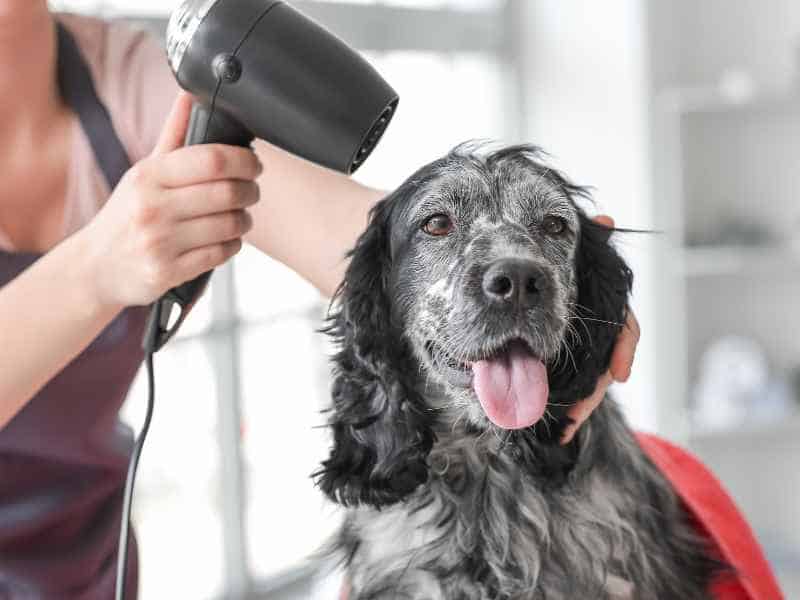
“Regular combing can combat fur-matting, which can prevent your dog’s hair from providing enough warmth,” advises Angelo Sorbello.
This is especially true for those dogs with thick coats like Huskies that also love to be out in the snow.
Warm Bowls

“Some people even use heated doggy bowls to keep their dog’s food warm, and provide them with calories to further keep them warm.”
Heated dog bowls may seem like a bit of a luxury, but bear in mind that like us, unless it’s out towing sleds across the ice, your dog expends most of its calories in winter keeping warm. Keeping warm can be very tough for older dogs.
Don’t let my dogs read this, they’ll think they are getting heated bowls, which they arent.
Stay inside
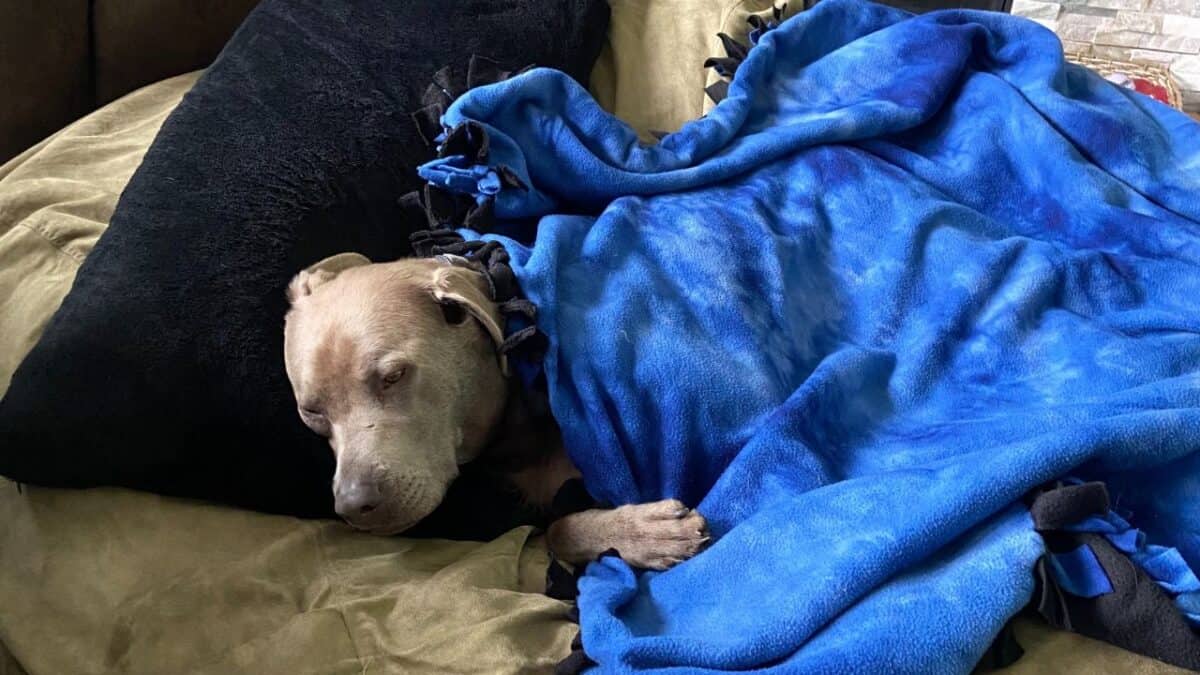
“If the winter weather is really extreme, consider indoor activities with your dog as an alternative to playing outside, too,” concludes Angelo Sorbello.
We play all sorts of games with the dogs to keep them occupied both physically and mentally. You can buy puzzles and interactive toys online, or work with what you’ve got for free.
One of my dogs favorite games is when I hide a few pieces of kibble in a muffin tin, cover the openings with their toys, and they have to sniff out the treat, and remove the toys to get to it.
Another free idea, is to roll up some kibble or treats into an old towel and tie it in knots throw it to the dog and let them work at getting it untied to get the treats.
Keep Your Dog Bestie Happy All Winter Long

By implementing these expert tips and being aware of the hidden winter dangers, you can help your furry friend not just survive, but thrive during the colder months.
Do you do anything specific during the winter for your dogs? Let me know what kind of dog you have in the comments!