

12 Things People Swear Will Have a Positive Impact on Your Mental Health
In the relentless pace of modern life, it’s easy to overlook the importance of self-investment. Carving out time for your mental health may seem like a small step, but it’s significant toward a happy and fulfilled life.
Regular Exercise

Why hit the gym when you’re feeling down? Because exercise isn’t just about shaping those biceps; it’s about sculpting a brain brimming with endorphins. Endorphins, also known as the ‘feel-good’ hormones, are responsible for the exercise-induced mood boost.
Experts recommend a mix of strength training exercises and cardiovascular exercises for at least 30 minutes daily. Harvard Health says aerobic exercise can alleviate long-term depression. Start slowly, and as you progress, so shall those endorphin numbers on your mental stock market!
Mindfulness and Meditation

While sitting cross-legged, fingers pinched just so; it might feel like you’re cosplaying Yoda; mindfulness is much more than just a Jedi mind trick.
A study from Johns Hopkins University found that meditation programs can reduce anxiety, depression, and pain. It highlighted how these programs can improve one’s quality of life and attention span.
Healthy Diet

A balanced diet isn’t just vital for your physical health—it’s a significant player in the realm of mental vitality as well.
A diet rich in fruits, lean proteins, whole grains, and vegetables is linked with a lower risk of depression and anxiety. Conversely, diets full of processed foods and sugar have been linked to poor mental health.
Quality Sleep

A renowned sleep expert, Thomas Dekker, lends his insight, saying, “Sleep is the golden chain that ties health and our bodies together.”
Poor sleep can exacerbate the symptoms of anxiety and depression, while good sleep enhances mood and promotes mental clarity.
Social Connections

Director of the Harvard Study of Adult Development and Clinical Professor of Psychiatry, Robert Waldinger, underscores the profound impact of social connections, stating, “Loneliness kills. It’s as powerful as smoking or alcoholism.”
Building and nurturing supportive relationships can stave off loneliness, provide a stronghold during distress, and contribute to happiness.
Time in Nature

Mother Nature isn’t just a pretty face. There’s something restorative about the great outdoors. A brief stint in green spaces can reduce stress, depression, and anger and improve mood.
Dr. MaryCarol Hunter, a landscape architect and ecologist, highlights that “just 20 minutes in nature can significantly lower cortisol levels.”
Creative Outlets

You don’t have to be the next Da Vinci or a doppelgänger for Dostoevsky to feel art’s therapeutic touch. Engaging in creative activities, whether painting, writing, or playing an instrument, can be incredibly therapeutic.
These pursuits offer a way to process emotions and can be a safe haven from life’s stresses.
Setting Boundaries

Renowned researcher Brené Brown emphasizes that setting boundaries is a means of caring for oneself, stating, “It doesn’t make me mean, selfish, or uncaring just because I don’t do things your way.”
Boundaries help protect our time, energy, and emotions, ensuring the demands do not deplete them of others.
Journaling

Author and mental health advocate Mina Murray likens journaling to “whispering to oneself and listening at the same time.” This practice can help clarify thoughts, reduce stress, and provide a record of personal growth.
Therapy and Counseling

Sometimes, tackling mental health issues requires the help of a professional. Professional therapy or counseling goes beyond a listening ear—it’s an opportunity to work through challenges, gain new perspectives, and develop coping strategies.
Gratitude Practice

Melody Beattie, a celebrated author, succinctly captures the essence of a gratitude practice, “Gratitude makes sense of our past, brings peace for today, and creates a vision for tomorrow.”
Adopting a practice of daily gratitude can shift your perspective towards the positive, increase your happiness, and enhance your overall satisfaction with life.
Acts of Kindness and Giving Back

The ripple effect of kindness extends beyond the recipient, positively impacting the giver. Stephen G. Post, a professor at Stony Brook University, notes that “Acts of kindness can boost serotonin, reduce stress, and even help you live longer.”
Engaging in volunteer work or simply performing small acts of kindness can greatly improve one’s mental health.
13 Foods You Are Eating That Are Gradually Destroying Your Brain
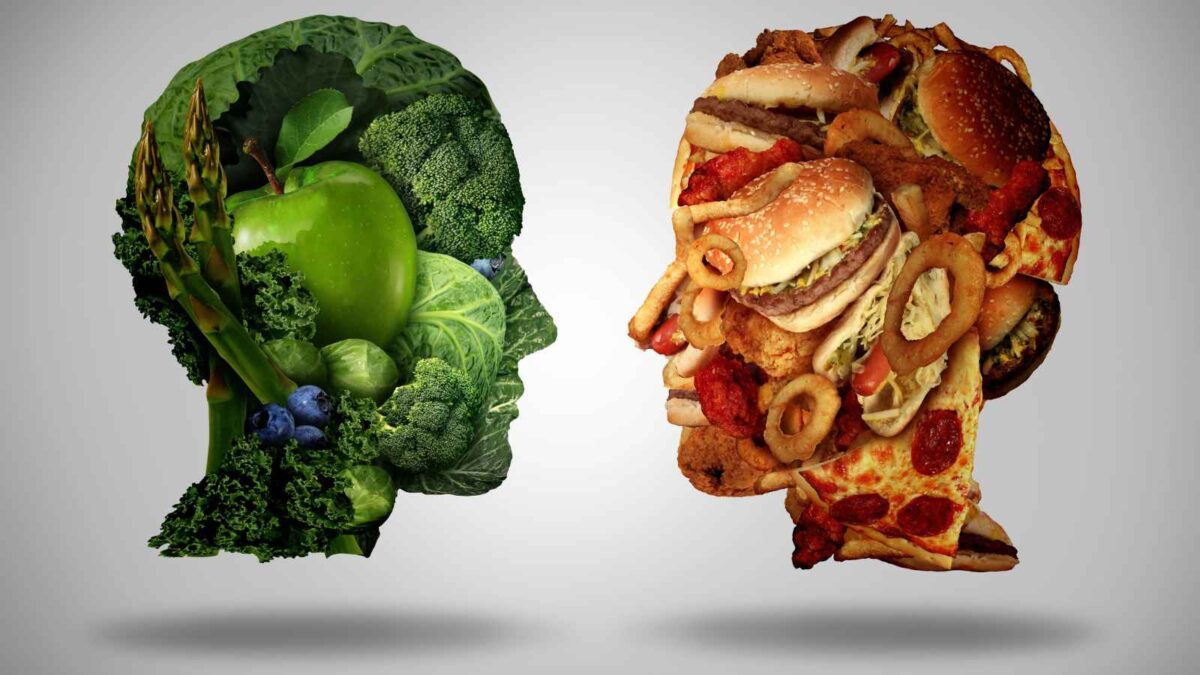
In our quest for health and longevity, we often focus on heart-healthy diets and exercises to keep us fit. While maintaining a strong heart is essential, what about our brain health? It’s equally important yet easily overlooked.
13 Foods You Are Eating That Are Gradually Destroying Your Brain
15 Famous Men Who Opened Up About Their Mental Health Battles

Due to the widespread stigma surrounding men’s mental health, the suicide rate among men is almost 4 times higher than that of women. With mantras like “Big Boys Don’t Cry,” it’s no wonder that men grapple silently with mental health issues.
15 Famous Men Who Opened Up About Their Mental Health Battles
20 Things I Stopped Doing To Improve My Mental Health

Taking care of our mental health is as important as maintaining our physical health. However, the path to better mental health isn’t always about adding more habits to our daily routine; it’s about letting go of some that may be holding us back. In this journey towards a healthier mind, I’ve discovered several things I needed to stop doing.


