18 of the World’s Oldest Libraries and The Stories They Tell
 Chantelle Kincy
Libraries have a magical way of whisking you away to other places, like a secret portal hidden between the shelves. One minute, you’re surrounded by the familiar scent of old paper; the next, you’re wandering the bustling streets of medieval London with Chaucer or feeling the spray of the Mediterranean Sea as you sail in Homer’s Odyssey.
But libraries with histories dating back hundreds or thousands of years have even more charm and mystery. Some of these ancient libraries might be gone, their dusty scrolls scattered or lost to time, but the stories they hold are absolutely fascinating! Here are some tales from the world’s oldest libraries.
1. Ebla Library
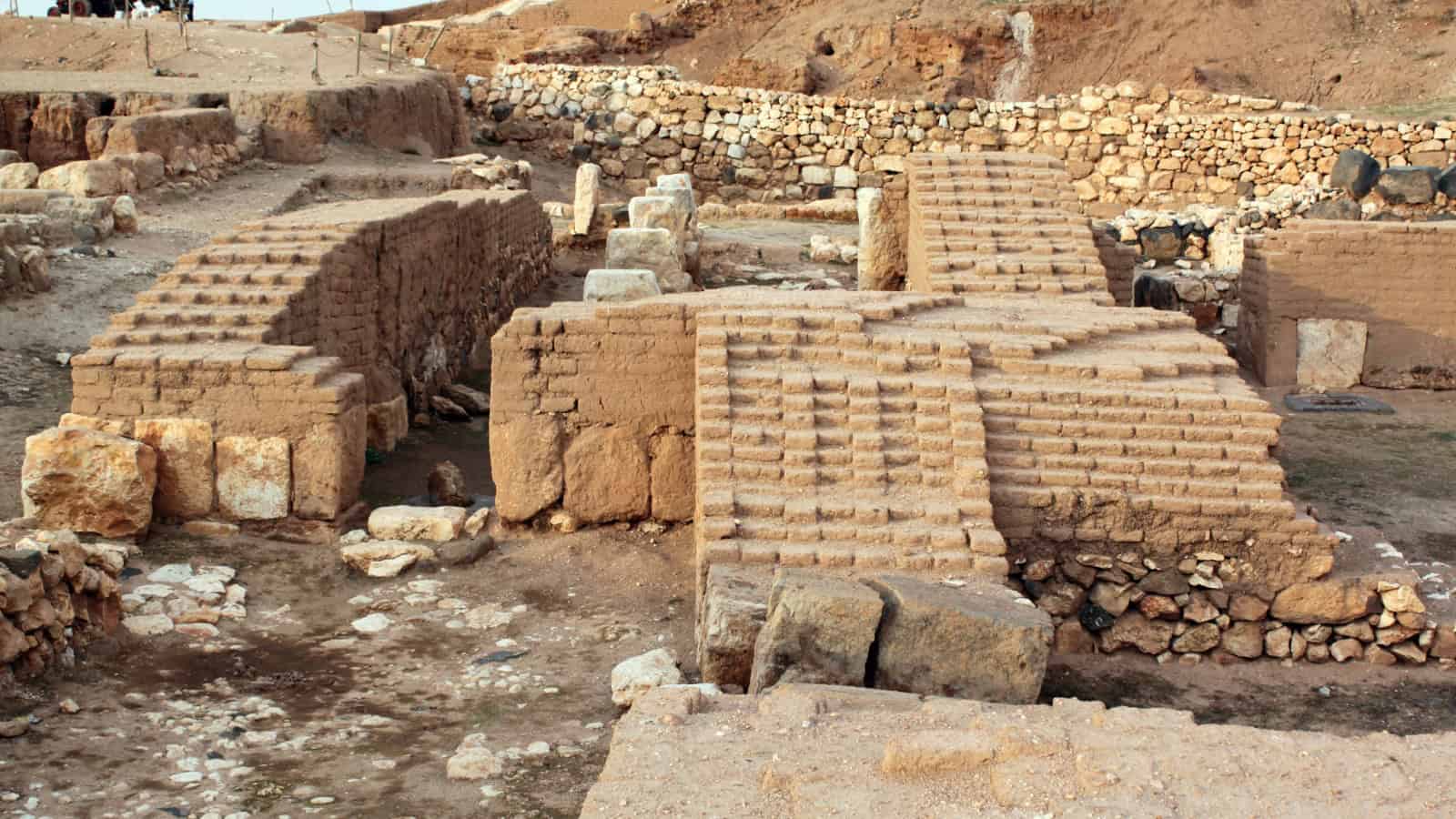
The Ebla Library dates back to 2500-2250 BCE. However, it was hidden for millennia in the ruins of a Middle Eastern Syrian city until it was discovered in the 1970s. Archaeologists unearthed a treasure trove of over 2,000 complete clay tablets and countless fragments.
Ebla’s tablets seem to have been meticulously organized, unlike other ancient archives. Archaeologists believe the tablets were sorted by topic, with larger ones displayed on shelves (like a fancy library of the time).
2. Ugarit Library
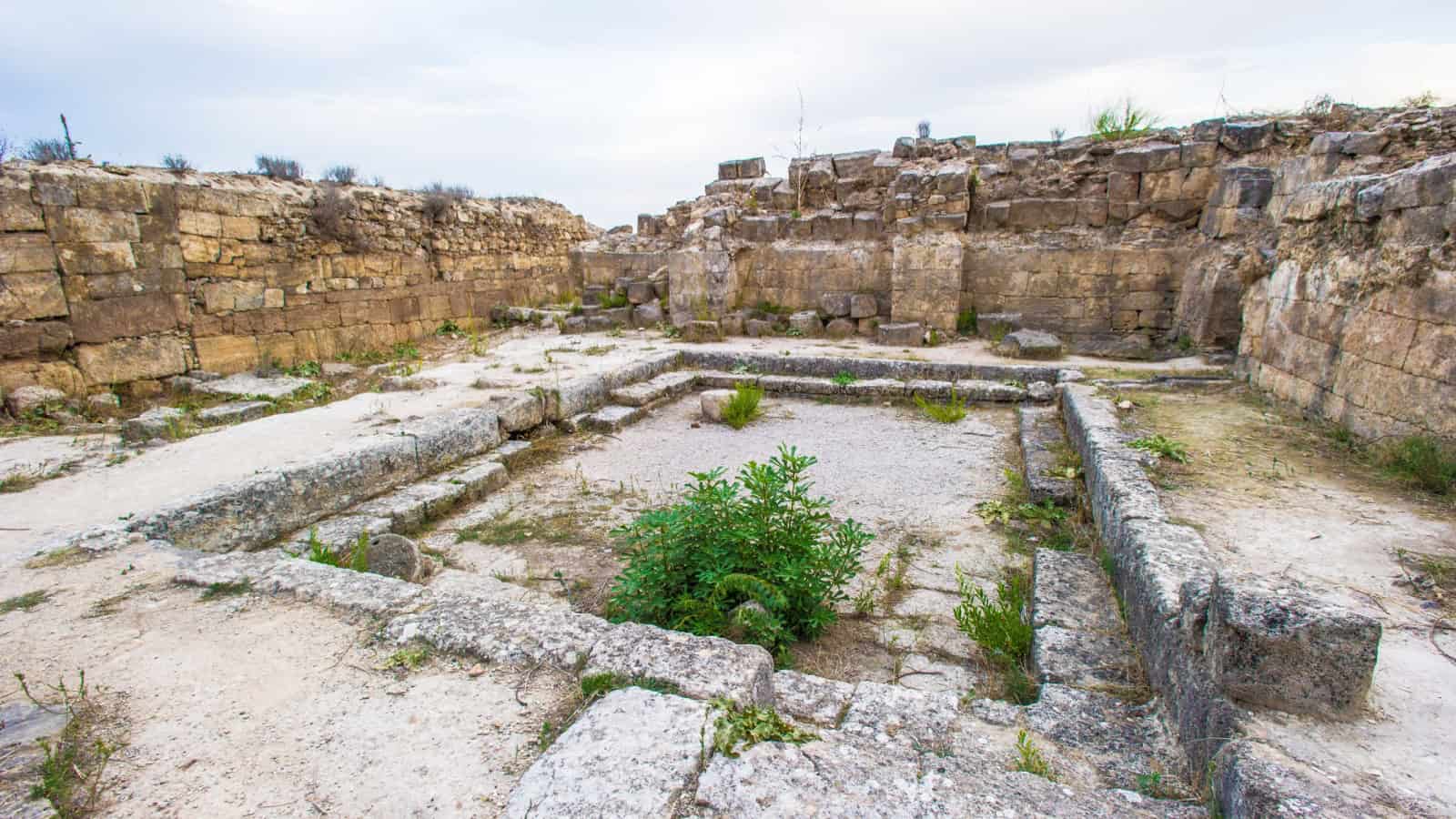
Around 1400 BCE, Ugarit was a major trading hub in modern-day Syria where cultures and knowledge converged. The people of the area created a revolutionary 30-letter alphabet, considered the first in history, paving the way for our modern way of writing. In 1929, archaeologists found not just one but several libraries containing thousands of these remarkable tablets! These tablets were inscribed in at least seven different scripts, offering a glimpse into the multilingual world of the ancient Near East.
3. Al-Qarawiyyin Library
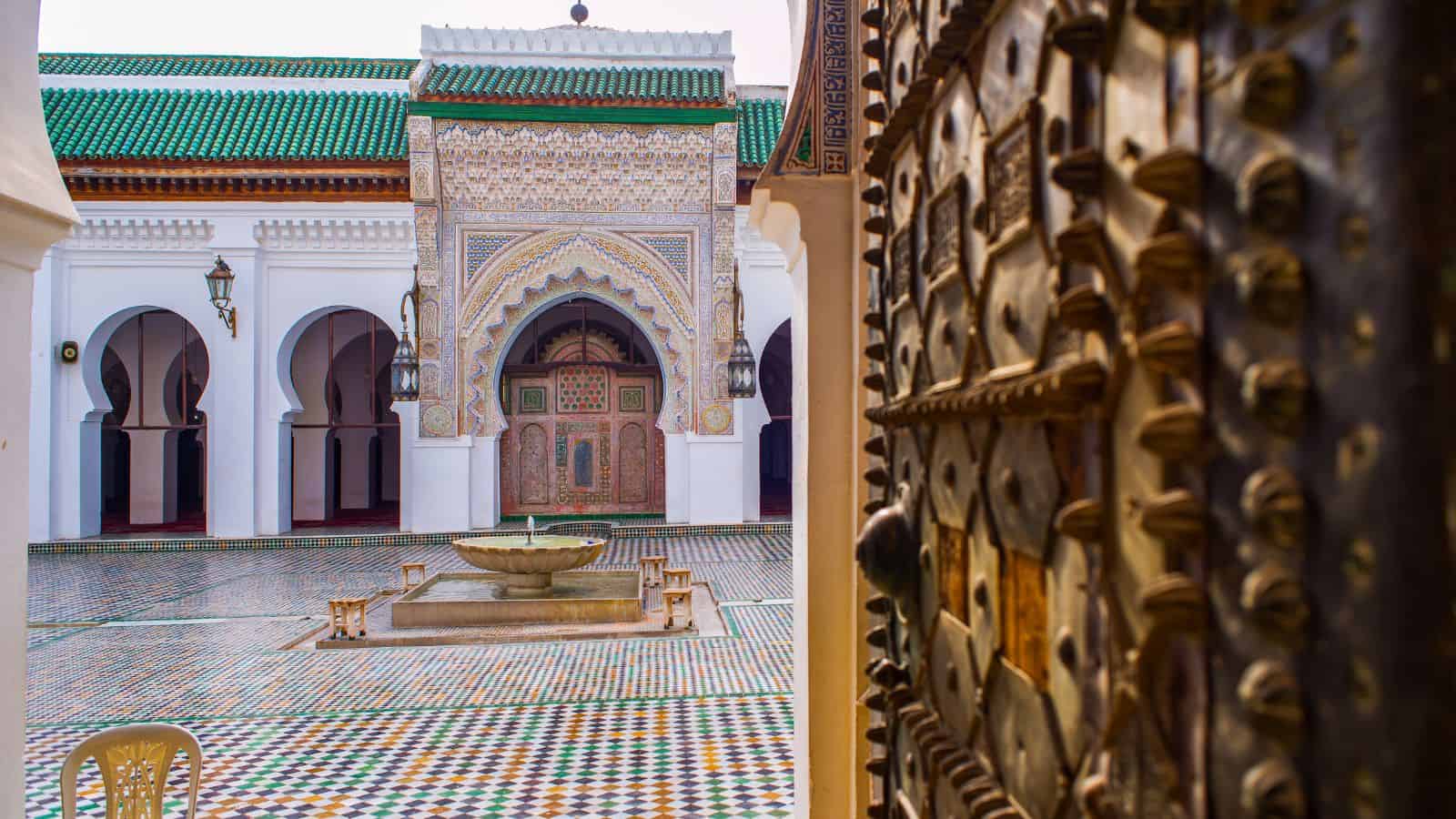
This intellectual haven in Morocco, tracing back to 859 BCE, wasn’t built by a king or emperor but by Fatima al-Fihri, a visionary woman and the daughter of a wealthy Tunisian merchant. Not only did she establish the library, but she also founded the prestigious Qarawiyyin Mosque and University, solidifying Fez as a major center of learning.
After extensive restoration, this treasure trove is now open to the public. That means you can browse the shelves, not for the latest bestseller but for a 9th-century Quran or a 10th-century manuscript describing the life of the Prophet Muhammad, along with the 4,000 rare books and ancient manuscripts!
4. Royal Library of Ashurbanipal

The Royal Library of Ashurbanipal, located in Iraq, was built around 668 BCE in the bustling ancient city of Nineveh, the capital of the Assyrian Empire. Over 30,000 clay tablets have been unearthed, containing stories, myths, medical texts, and even letters! Among them is the Epic of Gilgamesh, one of the oldest surviving works of literature.
The library’s fiery end during Nineveh’s fall in 612 BCE was a blessing in disguise. The intense heat baked the clay tablets, preserving them for over 2,000 years until they were discovered by archaeologists Sir Austen Henry Layard and Hormuzd Rassam, marking a pivotal discovery hailed by scholars as among the most significant of the modern era.
5. Library of Alexandria
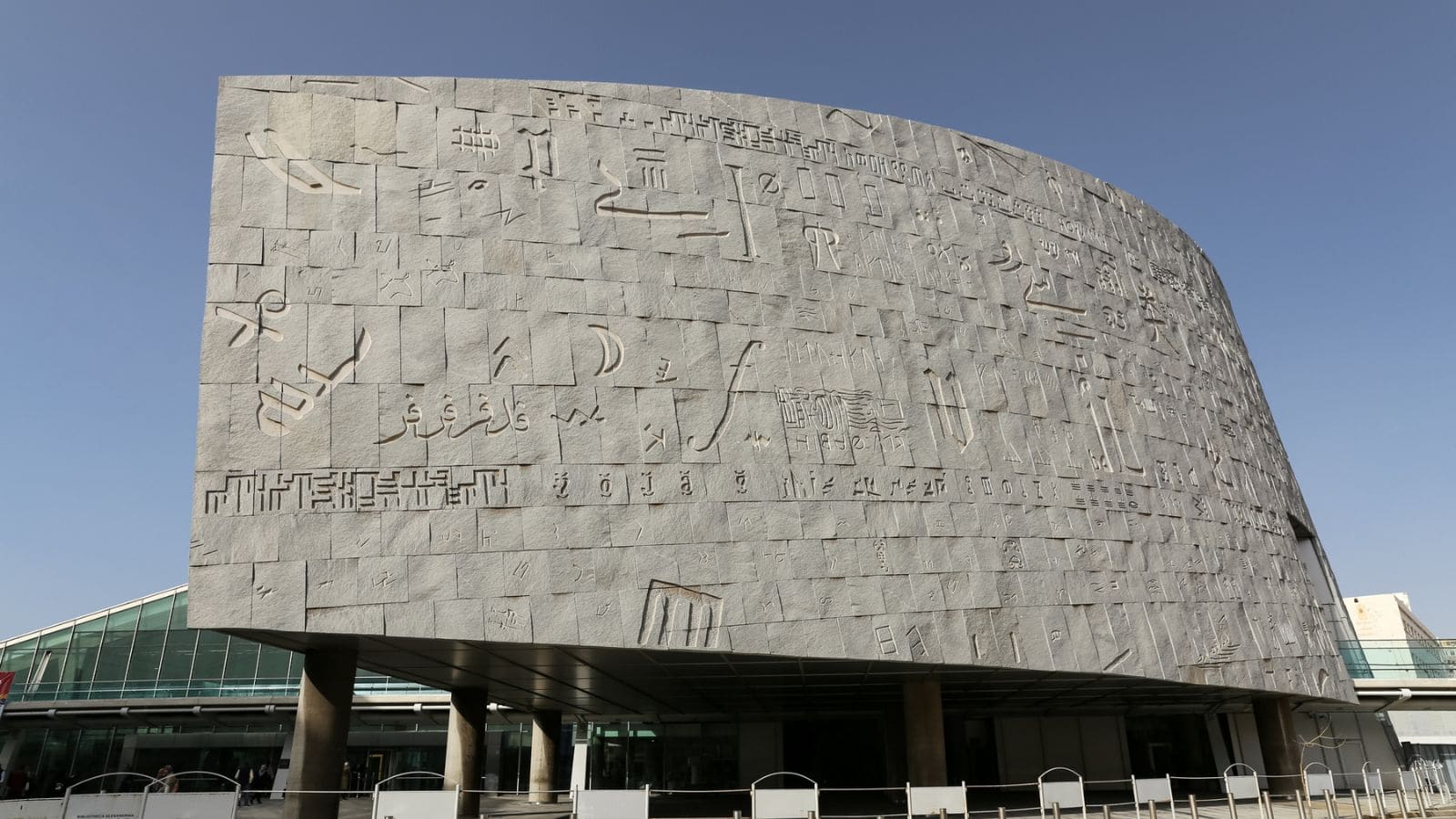
Built in the bustling Egyptian city of Alexandria around the 3rd century BCE, this library wasn’t just a collection of books but a meeting point for the greatest minds of the era. Ptolemy, Alexander the Great’s general, envisioned Alexandria as an important meeting point for Greek and Egyptian cultures, and the library became the centerpiece of this vision.
The exact cause of the Library’s decline is debated in academic circles—was it fire, war, or neglect? Where did those 40,000 to 400,000 scrolls vanish to? Their disappearance adds to the mysterious legend of this ancient library.
6. Library of Pergamum
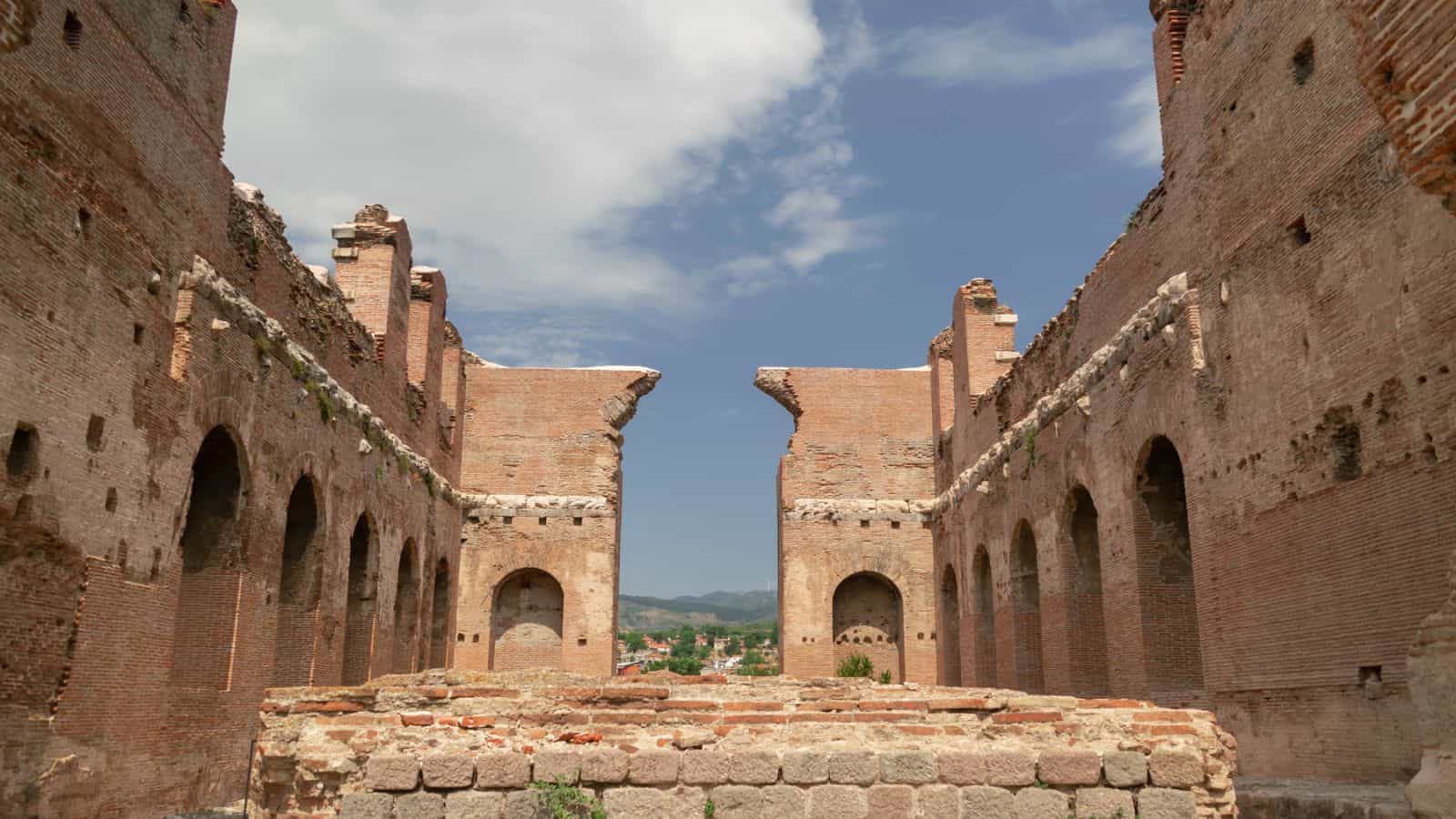
Built around 197 BCE in Pergamum, Turkey, it wasn’t just a place to store scrolls—it was a powerhouse of knowledge and a major rival to the well-known Library of Alexandria in Egypt. Eumenes II, king of Pergamon, wasn’t born into royalty. To prove his worth, he went all-in on learning and the arts. The library was his big project, an annex to a temple of Athena, the goddess of wisdom. Imagine having access to 200,000 scrolls filled with history, philosophy, and literature! The high demand for writing materials by scholars visiting Pergamum led to the large production of parchment, so much so that our word “parchment” comes directly from “Pergamon”!
7. Hadrian’s Library
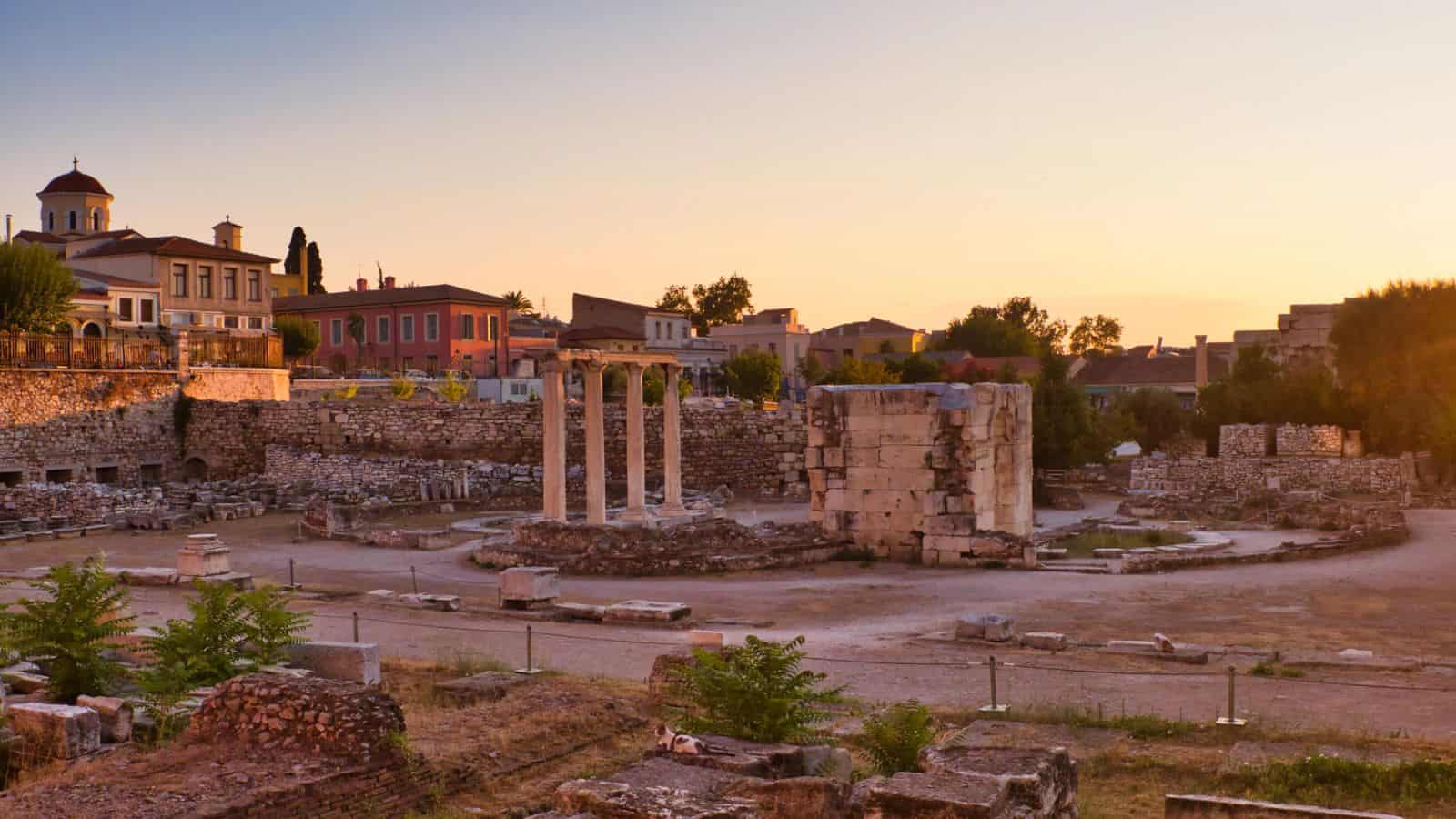
In 132 BCE, Hadrian, the grand Roman emperor, was on a mission to revive Athens’ glory and cement its place as the cultural heart of his empire. And what better way to do that than with a colossal library?
Its majestic Roman forum-style architecture starts with a grand entrance flanked by 100 columns with walls concealing a treasure trove of knowledge within.
This grand library witnessed the rise and fall of empires and bravely endured the ravages of the Herulian invasion, only to be lovingly restored centuries later. Over time, it transformed into the seat of a Turkish governor, a customs house, and even a royal barrack!
Read more about Rome Italy Landmarks
8. Cave of The Thousand Buddhas

The Mogao Grottoes, aka Cave of the Thousand Buddhas, is a 40,000 square-foot labyrinth of caves carved into the cliffs of Dunhuang, Northwest China, in the 4th century AD.
Most of the caves sat abandoned, but back in 1900, a monk named Wang Yuanlu made an incredible discovery hiding behind a painted wall in one of the caves—a trove of nearly 50,000 ancient manuscripts, silk paintings, textiles, and even medical texts.
This ancient library is home to the Diamond Sutra, printed in 868 AD. Thanks to the International Dunhuang Project by the British Library, you can now explore some of these treasures online, taking a digital stroll through this ancient library.
9. Library of the Villa dei Papiri at Herculaneum

While Pompeii, located outside Naples, Italy, maybe the more famous victim of Mount Vesuvius’ fiery wrath in 79 A.D., nearby Herculaneum suffered a different fate. The eruption didn’t bury it in ash but rather a superheated mud and volcanic debris avalanche.
This inferno extraordinarily preserved the town, including its most precious treasure: a unique library. The luxurious villa that housed the library is believed to be owned by Lucius Calpurnius Piso Caesoninus, father-in-law of Julius Caesar himself! This library, buried for nearly 2,000 years, holds roughly 1,800 scrolls.
10. Ulpian Library
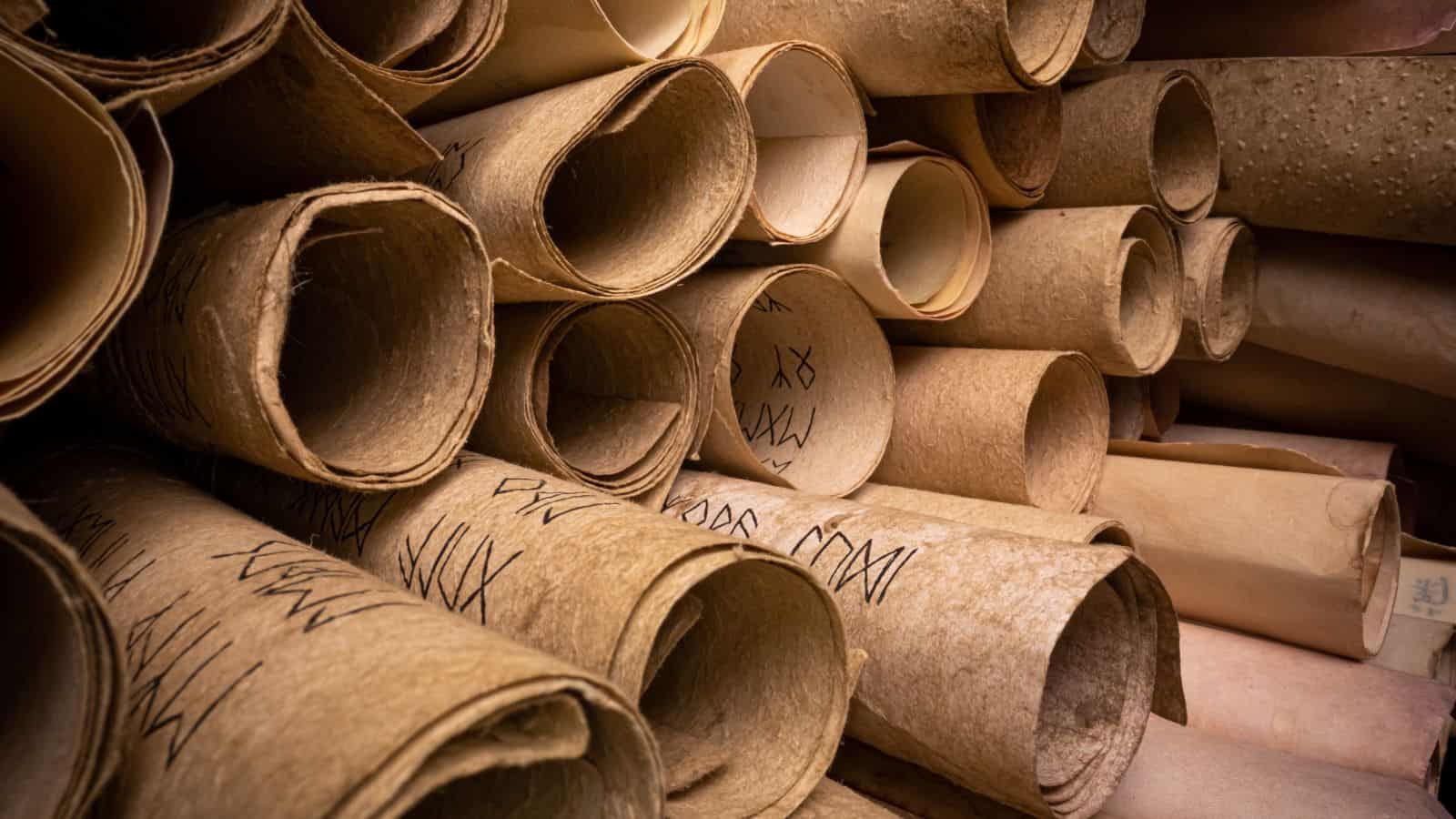
Roman emperor Trajan, known for his vast empire and architectural marvels, built a magnificent forum in Rome around 112 AD. Trajan’s genius was building two libraries within the forum–separate ones for the Greek and Latin languages.
One featured an entire section dedicated to the philosophers, playwrights, and historians of Greece, and another overflowed with the works of Roman writers and lawmakers. That meant being surrounded by towering shelves stacked with 20,000 scrolls!
Read more about Reasons to Visit Greece
11. The Library of Celsus
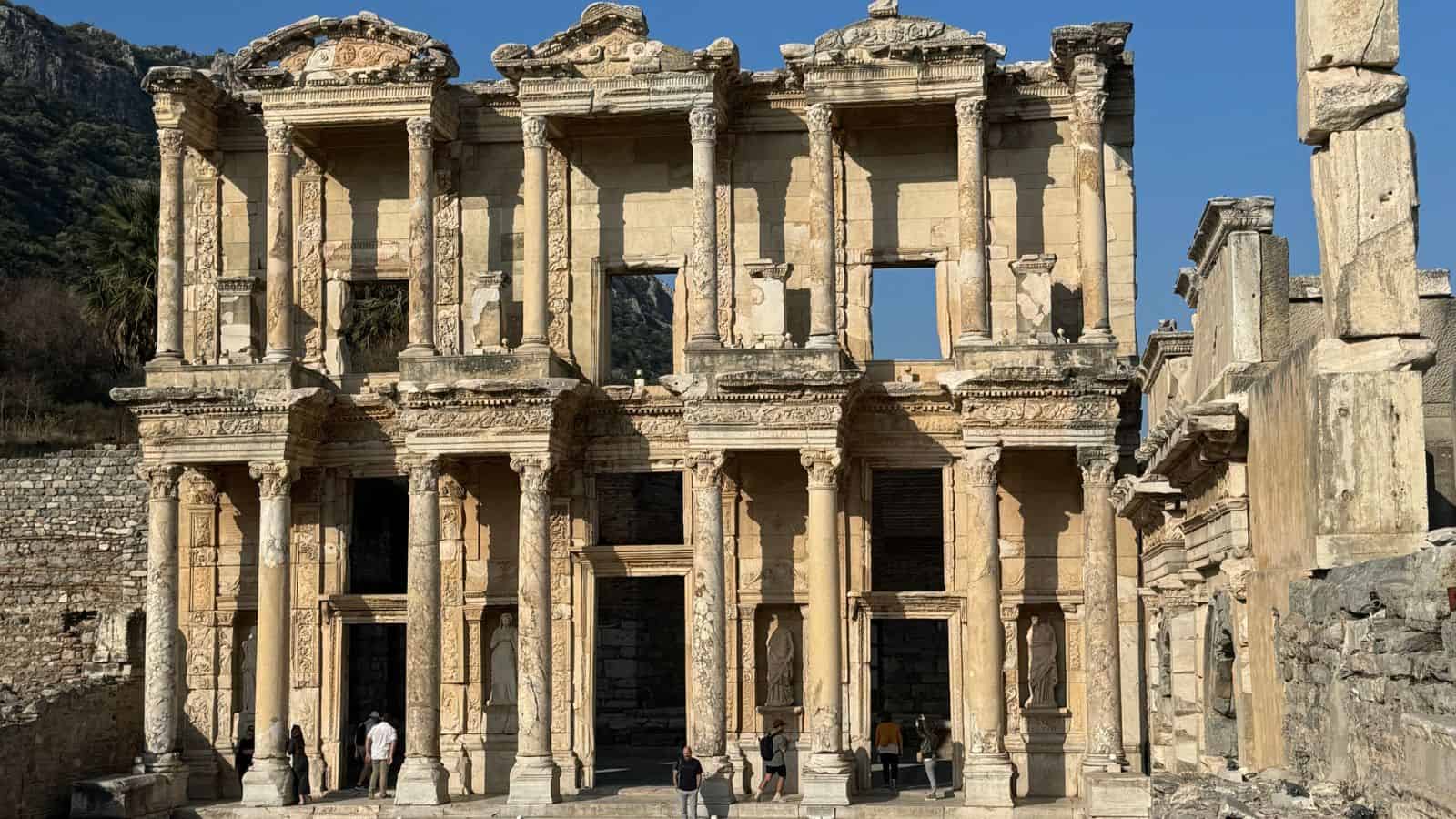
Imagine a wide marble road leading you to a magnificent building—the Library of Celsus, once housing a staggering 12,000-15,000 scrolls. Roman military commander Julius Acquila built this architectural marvel around 110 CE as a labor of love for his father, Celsus Polemeanus, a Roman senator and book enthusiast.
Sadly, Acquila passed away before it was finished, and his successors took the reins and completed the library in 135 CE. I enjoyed visiting this site last year, and it’s remarkable. Walking inside and seeing all the detail in the carvings was truly amazing.
12. Theological Library of Caesarea Maritima
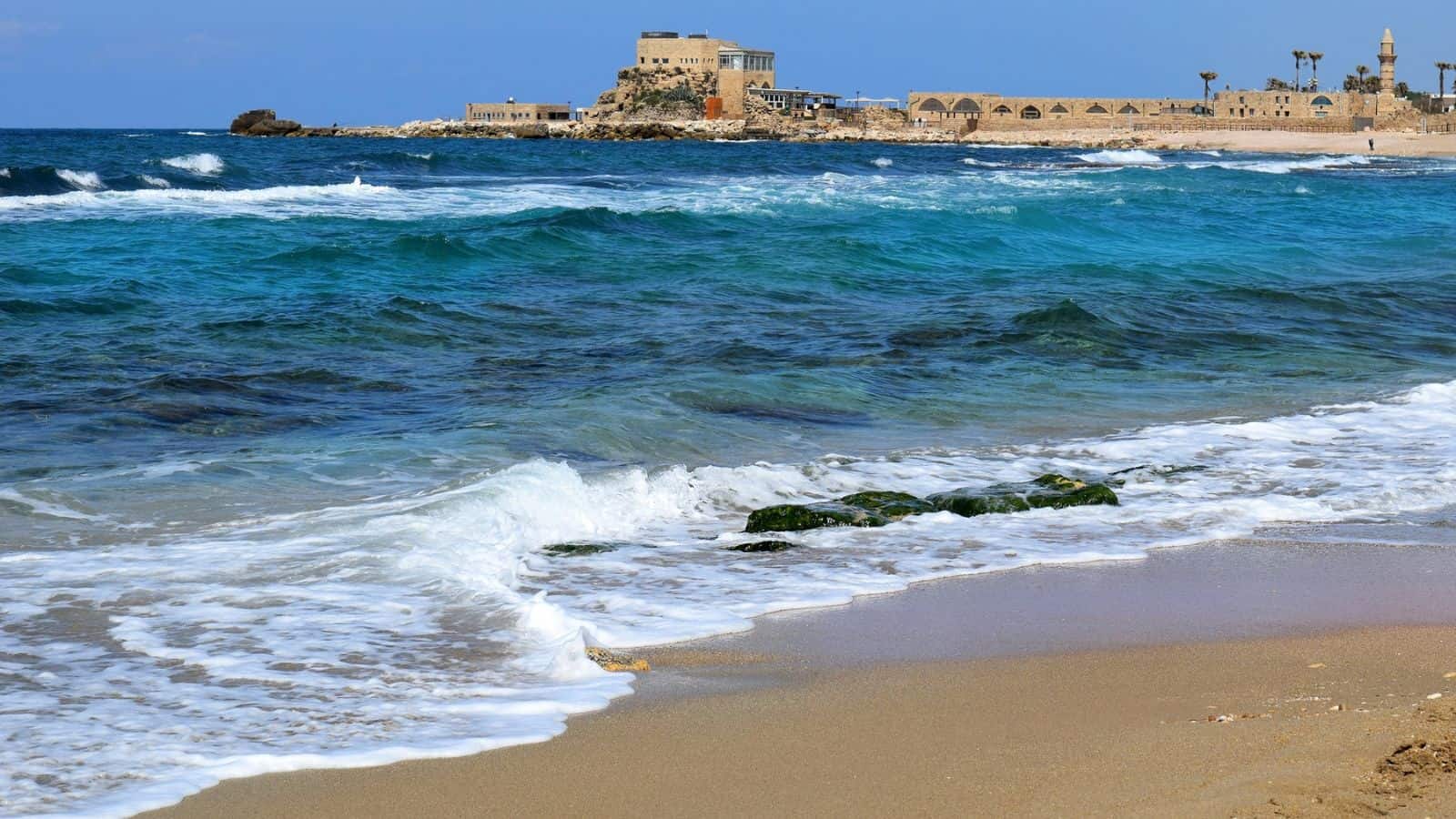
Tucked away in the ancient city of Caesarea Maritima, located in modern-day Israel, the Theological Library of Caesarea Maritima whispers a tale unlike any other. Flourishing between the late 270s and early 300s C.E., it was the vision of Pamphilus, a scholar turned relentless collector.
He traveled far and wide, hunting down precious scrolls and manuscripts containing Biblical texts and early Christian writings, totaling around 30,000 manuscripts. Despite persecution and Pamphilus’s martyrdom, this library survived.
13. Imperial Library of Constantinople
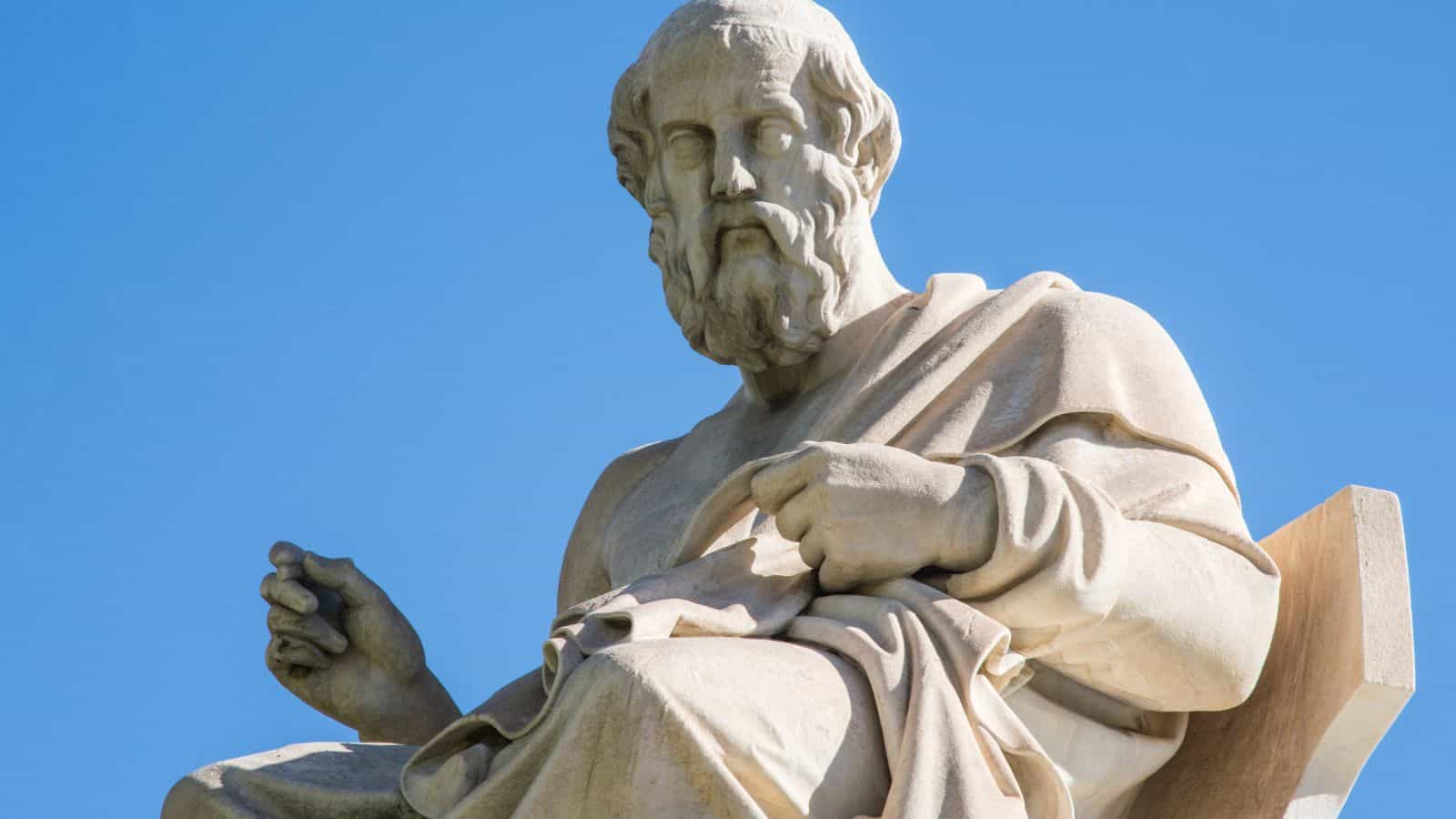
Many of the Greek and Roman classics we cherish today, from Plato’s dialogues to Homer’s epic poems, survived because of the tireless efforts of the Imperial Library’s scribes. This library, located in modern-day Turkey, was founded by Emperor Constantius II in the 4th century C.E.
It became a sanctuary for scrolls and codices containing history, philosophy, and literature. But, of course, the library wasn’t immune to misfortune. Fires raged through Constantinople several times, and the Crusader sack of the city in 1204 CE caused significant damage. While the library itself is gone, its spirit lives on, with scattered pieces of its collection finding their way into libraries worldwide.
Read more about Greek Islands You Should Visit
14. Saint Catherine’s Monastery Library
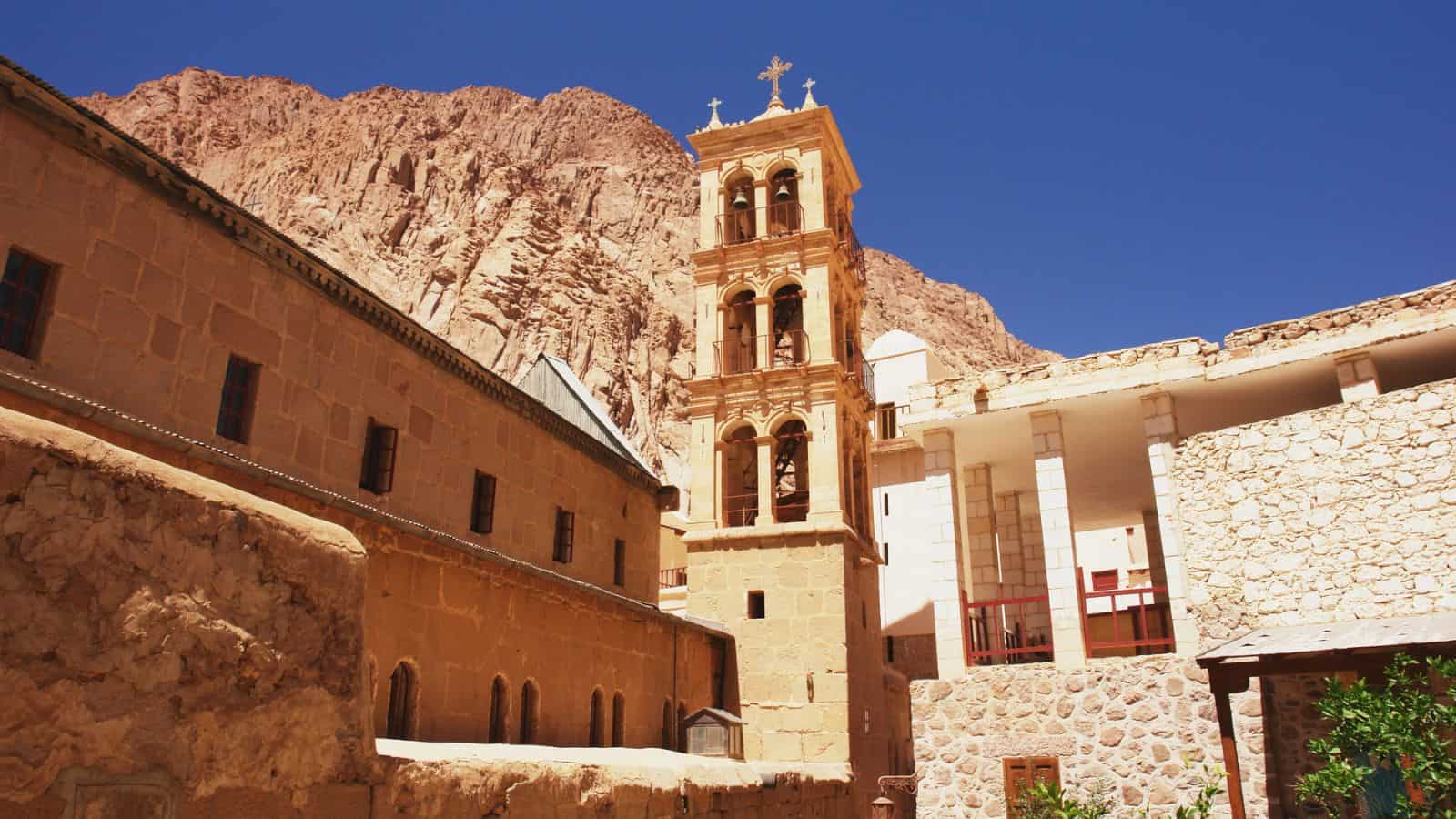
As one of the oldest continually operating libraries in the world, dating back to 548–565 C.E., scholars have been reading, copying, and preserving knowledge here for over 1,500 years!
The library in Egypt boasts the second-largest collection of ancient manuscripts and codices (a fancy way of saying handwritten books), surpassed only by the Vatican Library.
Here, you’ll find unique treasures like the Syriac Sinaiticus and (until 1859) the Codex Sinaiticus, one of the oldest complete Bibles. In 1975, a hidden cache of ancient manuscript fragments was discovered in the monastery walls. Who knows if more secrets are waiting to be found?
15. Hereford Cathedral Library
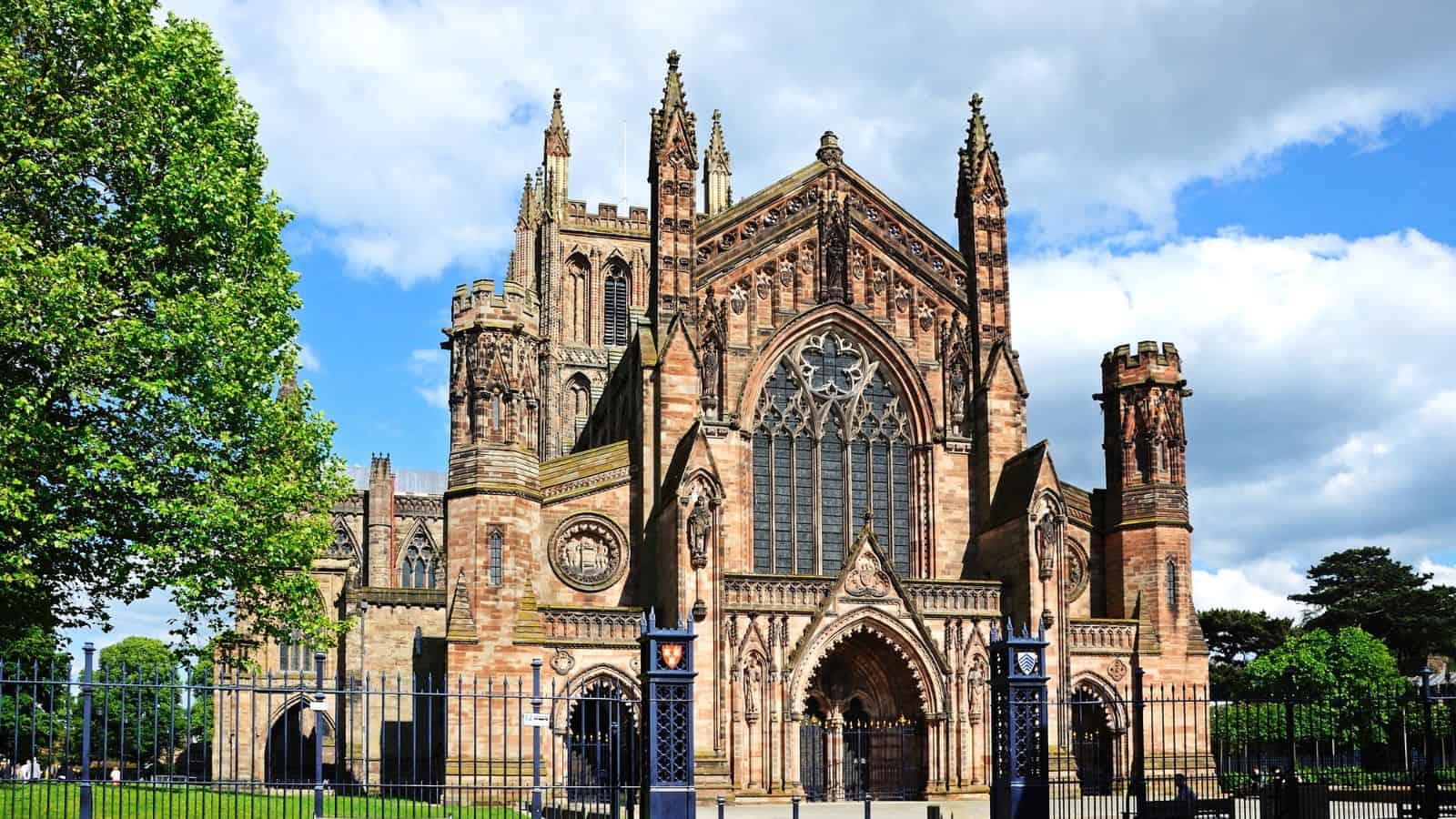
Originating from 1079, Hereford is the largest surviving chained library in the world. Its original medieval security system is completely intact, with chains, rods, and locks still holding precious texts in place.
Here, you’ll find some of the finest examples of medieval handwriting, and amongst these treasures lies the Hereford Gospels, a stunning 8th-century manuscript. Beyond theological books, the library holds a beautifully preserved antiphonary (medieval choral hymns book) from the 13th century.
16. The House of Wisdom
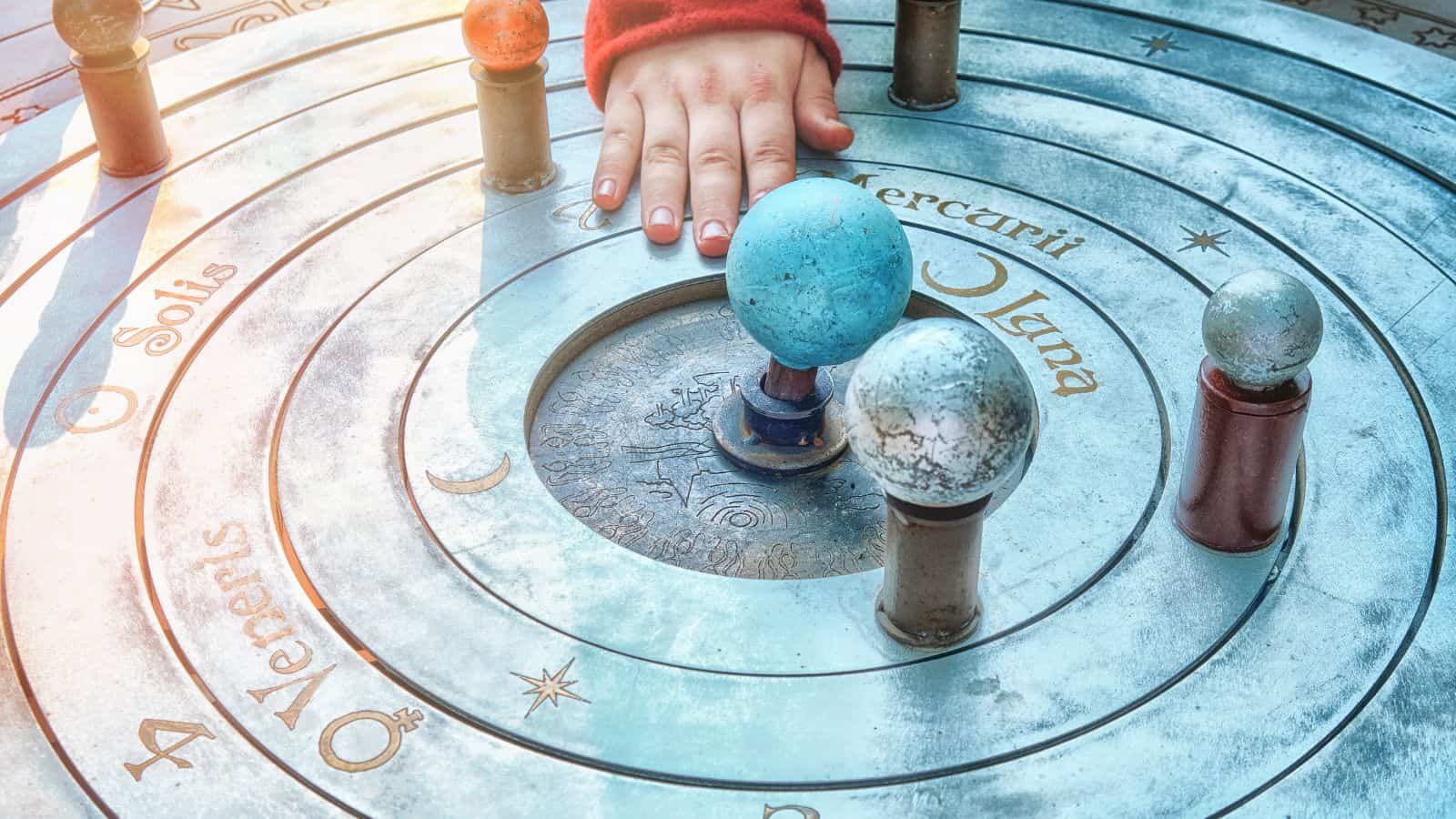
Founded in the early 9th century, the Baghdad, Iraq library was a beacon for scholars from all over the Islamic world who debated philosophy, translated ancient texts from Greek, Indian, and Persian languages, and made groundbreaking discoveries.
Some called it a library, others dubbed it a university. It was a hub for learning and knowledge exchange, covering diverse subjects from math and astronomy to medicine and philosophy. Tragically, the library ended in 1258, razed by the Mongols.
17. Malatestiana Library
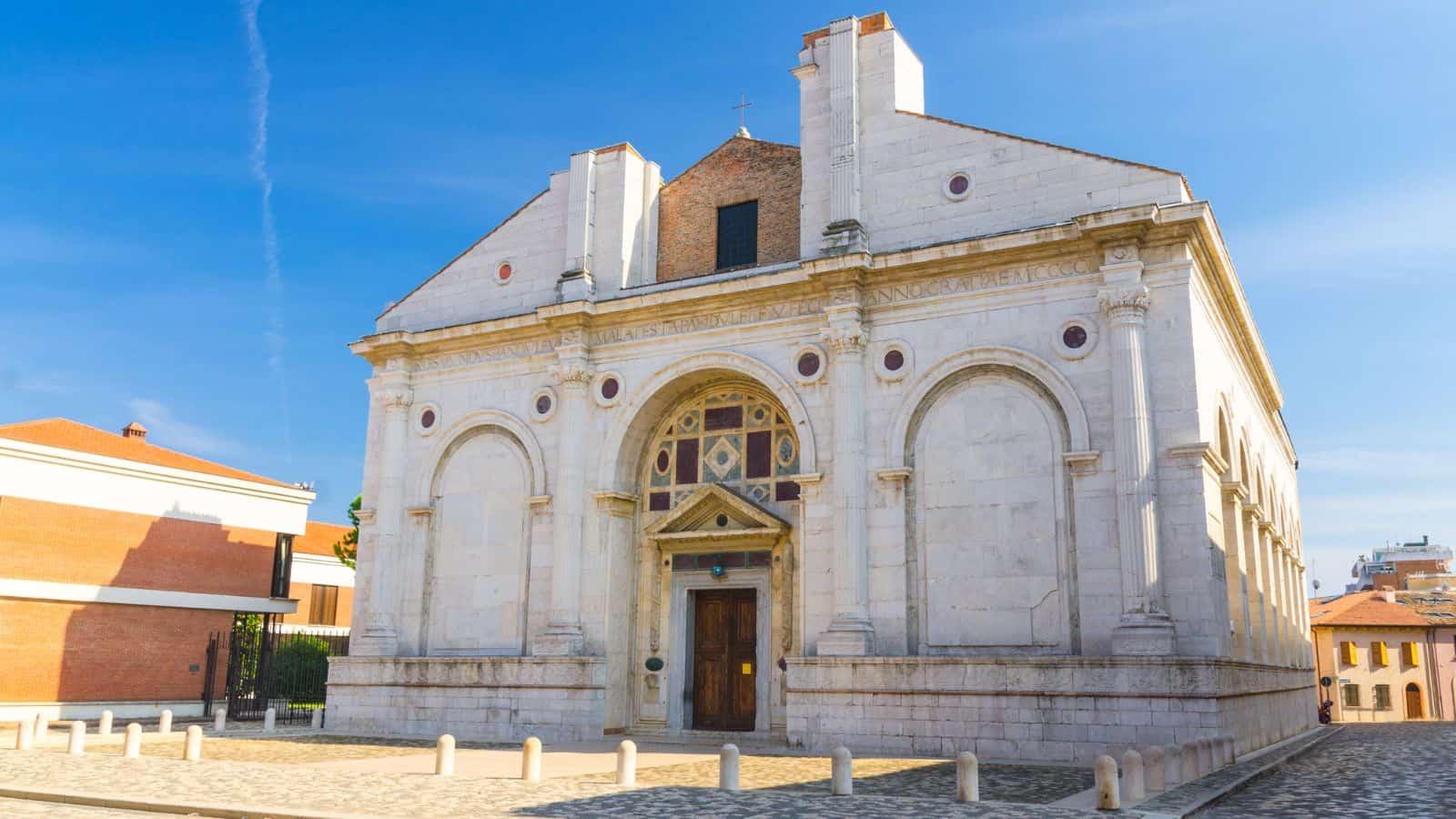
The Malatestiana Library, built between 1447 and 1452 in Cesena, Italy, was the first European library open to the public. Funded by a forward-thinking aristocrat, Malatesta Novello, it wasn’t owned by the church or a family but collectively by the entire town.
This meant everyone, from scholars to bakers, could access its treasures. This architectural gem blends the humanist ideals of the Renaissance with the traditional style of religious buildings. Inside, you’ll find a basilica-like layout, with three naves and beautiful vaulted ceilings. The walnut entrance door, carved in 1454, is a masterpiece itself!
18. Bodleian Library

At Oxford University, you’ll find the Bodleian Library, a treasure chest of history founded in 1602 by Sir Thomas Bodley. With over 13 million items, it’s one of Europe’s oldest libraries.
Through a shrewd agreement, Bodley ensured the Bodleian became a legal deposit library, compelling publishers to provide free copies of every book printed in England. But here’s the twist: borrowing books is a no-go, ensuring these invaluable pieces endure for future generations. Even King Charles I wasn’t exempted from this rule!