

Then vs. Now: The Dramatic Price Changes of Everyday Items
 Chantelle Kincy
Do you ever find yourself reminiscing about the good old days when a loaf of bread cost just a few cents, and you could fill your car’s tank without breaking the bank?
Prices have changed over the decades, reflecting economic shifts, technological advancements, and consumer habits.
Let’s take a nostalgic journey through time, comparing the cost of everyday items from 1950, 1990, 2010, and 2024. This comparison highlights the evolution of prices and brings back memories of how life used to be.
Bread

- 1950: $0.14 per loaf
- 1990: $0.70 per loaf
- 2010: $2.49 per loaf
- 2024: $3.49 per loaf
Bread has always been a staple in our diets. From the days of freshly baked loaves from the local bakery to the convenience of pre-packaged bread in supermarkets, the price of this essential item has seen a significant increase.
Milk

- 1950: $0.82 per gallon
- 1990: $2.15 per gallon
- 2010: $3.32 per gallon
- 2024: $4.15 per gallon
Milk, a household necessity, has seen its price rise steadily. Whether it’s poured over cereal or enjoyed with cookies, the cost reflects production and distribution methods changes over the years.
Gasoline

- 1950: $0.27 per gallon
- 1990: $1.16 per gallon
- 2010: $2.78 per gallon
- 2024: $3.80 per gallon
Remember when filling up the gas tank didn’t require a second thought? The price of gasoline has climbed due to various factors, including global oil markets and environmental regulations.
Eggs

- 1950: $0.60 per dozen
- 1990: $1.00 per dozen
- 2010: $1.66 per dozen
- 2024: $2.50 per dozen
Eggs have been a breakfast favorite for generations. The increase in their price reflects both inflation and changes in farming practices.
Coffee

- 1950: $0.79 per pound
- 1990: $2.92 per pound
- 2010: $4.50 per pound
- 2024: $5.99 per pound
For many, a day without coffee is unimaginable. The rising cost of coffee mirrors the growing demand and the complexities of coffee bean production.
Sugar
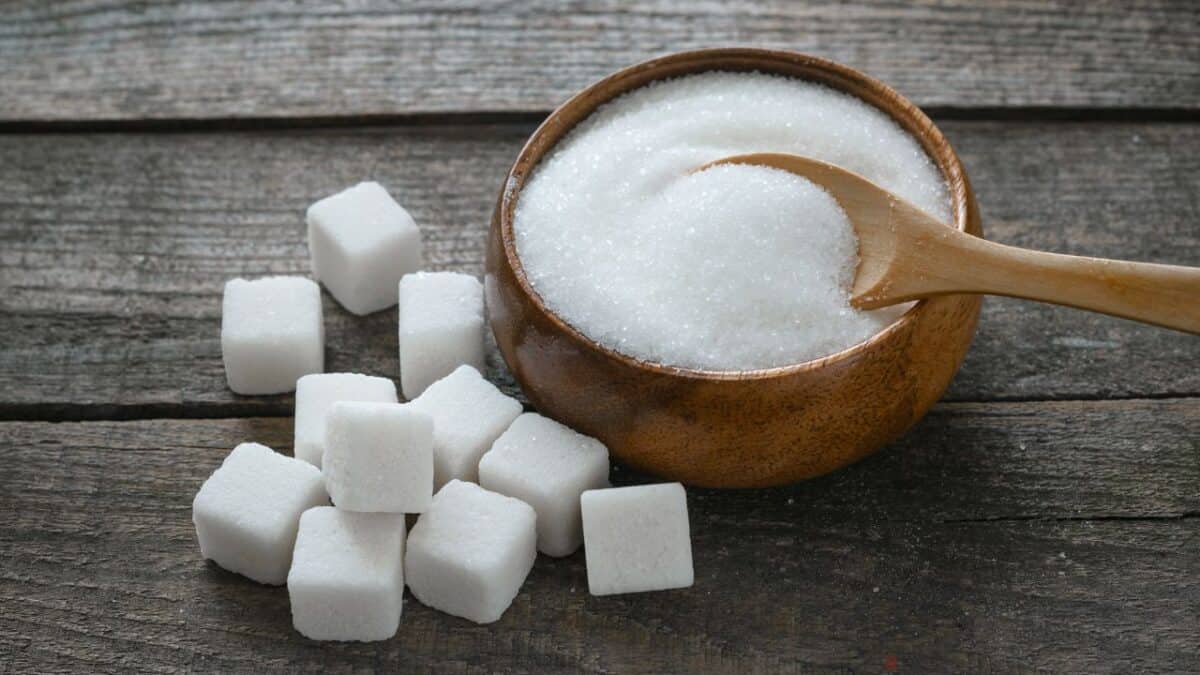
- 1950: $0.45 per 5 pounds
- 1990: $1.99 per 5 pounds
- 2010: $2.89 per 5 pounds
- 2024: $3.89 per 5 pounds
Sugar, a key ingredient in countless recipes, has seen its price fluctuate with changes in agriculture and trade policies.
Flour

- 1950: $0.49 per 5 pounds
- 1990: $1.50 per 5 pounds
- 2010: $2.39 per 5 pounds
- 2024: $3.49 per 5 pounds
Flour is essential in the kitchen; almost every recipe requires flour, from baking homemade bread to birthday cakes. Its price increase reflects broader economic trends affecting food staples.
Apples

- 1950: $0.15 per pound
- 1990: $0.90 per pound
- 2010: $1.30 per pound
- 2024: $1.99 per pound
Apples, whether enjoyed fresh or in a pie, have become more expensive, showcasing changes in agricultural practices and consumer preferences.
Chicken (whole)
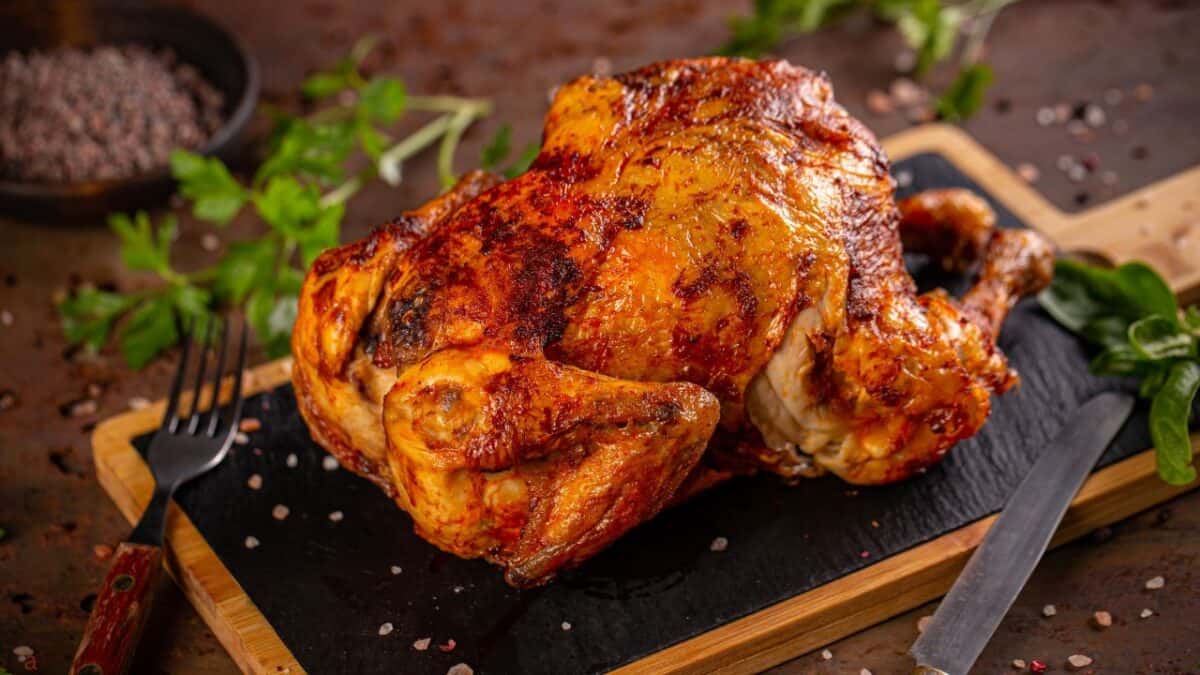
- 1950: $0.43 per pound
- 1990: $0.99 per pound
- 2010: $1.99 per pound
- 2024: $2.99 per pound
Whole chickens have long been a cost-effective protein source. The price increase highlights advancements in farming technology and changes in dietary habits.
Bacon

- 1950: $0.52 per pound
- 1990: $2.12 per pound
- 2010: $4.50 per pound
- 2024: $7.99 per pound
Bacon, a beloved breakfast item, has seen its price soar, reflecting its popularity and the costs associated with pork production.
Ground Beef
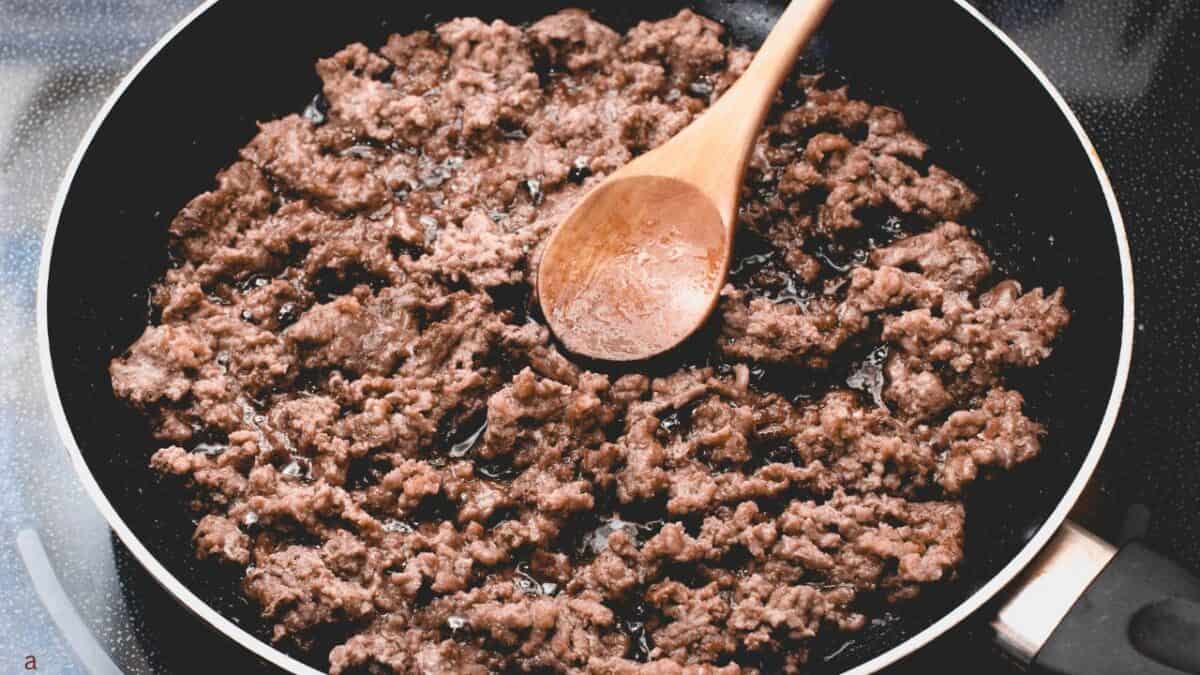
- 1950: $0.50 per pound
- 1990: $1.99 per pound
- 2010: $3.99 per pound
- 2024: $6.99 per pound
Ground beef, a versatile ingredient in many dishes, has become more expensive as production costs have risen over the decades.
Orange Juice

- 1950: $0.25 per quart
- 1990: $1.99 per quart
- 2010: $3.00 per quart
- 2024: $4.50 per quart
A refreshing glass of orange juice now costs significantly more, reflecting changes in agriculture and consumer demand.
Lettuce

- 1950: $0.10 per head
- 1990: $0.89 per head
- 2010: $1.19 per head
- 2024: $1.99 per head
Lettuce, essential for salads and sandwiches, has increased price due to changes in farming techniques and market demand.
Potatoes

- 1950: $0.21 per 10 pounds
- 1990: $2.89 per 10 pounds
- 2010: $4.50 per 10 pounds
- 2024: $5.99 per 10 pounds
Potatoes have always been a versatile and affordable food. The rise in their price reflects broader economic and agricultural trends.
Butter

- 1950: $0.70 per pound
- 1990: $2.45 per pound
- 2010: $3.50 per pound
- 2024: $5.49 per pound
Whether used in baking or cooking, butter has become more expensive, illustrating changes in dairy farming and market conditions.
Rice

- 1950: $0.15 per pound
- 1990: $0.70 per pound
- 2010: $1.40 per pound
- 2024: $2.50 per pound
Rice, a staple food in many cultures, has increased price, reflecting changes in global trade and agricultural practices.
Ice Cream

- 1950: $0.49 per half gallon
- 1990: $2.50 per half gallon
- 2010: $4.50 per half gallon
- 2024: $6.99 per half gallon
Ice cream, a delightful treat, has become pricier, mirroring changes in production costs and consumer preferences.
Bananas

- 1950: $0.11 per pound
- 1990: $0.49 per pound
- 2010: $0.59 per pound
- 2024: $0.89 per pound
Bananas, a popular and nutritious snack, have experienced price increases due to global agriculture and trade changes.
Shampoo

- 1950: $0.29 per bottle
- 1990: $1.99 per bottle
- 2010: $3.99 per bottle
- 2024: $5.99 per bottle
Shampoo, an essential personal care item, has seen its price rise, reflecting product formulations and packaging advancements.
Laundry Detergent

- 1950: $0.29 per box
- 1990: $2.99 per box
- 2010: $5.99 per box
- 2024: $8.99 per box
Laundry detergent, crucial for keeping clothes clean, has become more expensive, highlighting changes in manufacturing and consumer preferences.





This is a good site, but it does not have the 1980’s prices. Can you add that, please. Thank you so much for everything you do.
where are the 1980s??????????????