11 Tips For Seeing Wildlife In Yellowstone


Yellowstone National Park is one of my favorite parks in the U.S. I love how large it is—stretching across three states; it offers many different landscapes and so much terrain to explore.
Another reason I keep coming back is the fantastic wildlife you can encounter while driving or hiking through the park. If you’re interested in spotting wildlife at Yellowstone, I’ve visited it multiple times and have plenty of tips to help make your experience even more memorable.
1. Explore Early In The Morning

While you can spot wildlife in Yellowstone anytime, the best chance is in the morning. Animals are especially active at dawn, and it’s common to see moose, bears, deer, wolves, and elk roaming the park before the heat of the day sets in.
I also prefer exploring early in the morning to avoid the crowds that can build up when trying to enter the park, take popular scenic drives, or go on hikes later in the day.
2. Check The Forecast In Advance

It might go without saying, but I always recommend checking the weather forecast before visiting a national park. This helps you dress appropriately and plan your activities based on the conditions. You wouldn’t want to plan a big national park road trip during a snowstorm, and a long hike wouldn’t be ideal if it’s expected to storm all day.
The same goes for wildlife spotting. You’re likelier to see animals on a clear, sunny day when they aren’t taking shelter due to bad weather.
3. Visit During The Warmer Months

You can spot wildlife in Yellowstone year-round, but if you’re particularly keen on seeing animals, I recommend planning your national park trip during the summer months. Wildlife is more active in the warmer weather as animals come out of hibernation and enjoy the sun, and it’s easier to spot them since hiking and driving through the park are more accessible.
In contrast, winter often brings road closures, and animals tend to hunker down due to the snow. I suggest visiting in September, my favorite time, when the weather is still warm and the foliage is beautiful. Also during this time, I’ve seen various animals roaming the park.
4. Talk To The Park Rangers

Park rangers are your go-to experts for park advice and tips. They work in the parks and sometimes even live there, so they know all the best hikes, drives, scenic overlooks, and prime wildlife viewing spots.
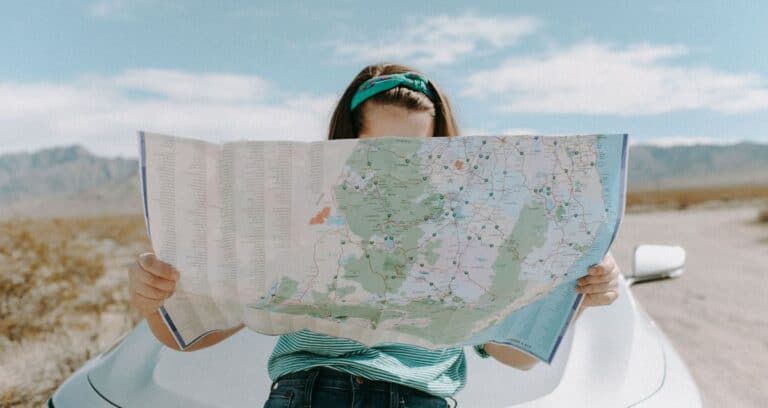
If you’re eager to see moose, bears, elk, deer, and more, ask a ranger where they’ve recently spotted wildlife and have them point it out on a map. While it’s not guaranteed you’ll see animals, it will save countless hours of driving around and give you a great starting point for your search.
5. Remember To Keep A Safe Distance

One important thing to remember while exploring national parks and looking for wildlife is that this is their home, and we must respect it. Please avoid disturbing the animals or ruining the experience for others by calling out to them, chasing them, or getting too close. Keeping a safe distance benefits both you and the animals.
The same goes for hiking; if you encounter wildlife on the trails, admire it from afar rather than approaching it. Respecting their space ensures a safer experience for everyone.
6. Bring Binoculars

I can’t count how many times I’ve wished I had binoculars with me. On countless occasions, I’ve spotted bears, moose, elk, or birds but struggled to see them clearly because my eyesight isn’t great.
I recently bought a pair from Amazon to keep in my hiking backpack, and it’s already proven to be one of the best decisions! If you’re eager to spot wildlife in Yellowstone, I highly recommend bringing a pair of binoculars to observe animals from a distance while hiking or pulling off at scenic overlooks.
7. Don’t Talk Too Loudy

Just like humans, animals don’t appreciate being yelled at. If you’re trying to observe wildlife, avoid playing loud music, shouting, or talking excessively, as these can scare them away and keep them from coming out of forested areas.
8. Always Bring Bear Spray On Hikes

You can never be too safe, especially when hiking in bear country. I always recommend purchasing bear spray ahead of time and keeping it in the side pocket of your backpack for easy access if needed.
Some parks and stores even offer bear spray rentals, so you don’t have to buy it and worry about disposing of it if you’re flying in to explore the park.
9. Pay Attention To Crowds Of People (Or Cars)

I can’t count how many times I’ve seen countless cars pulled over or crowds of 20 or more people gathering in various spots at national parks—this usually indicates there’s wildlife nearby, and everyone is trying to capture photos.
While it’s essential to follow the proper guidelines and never get too close or block animals, the road, or other visitors, if you’re looking for wildlife, keep an eye out for those crowds. They often signal that you’re about to witness something amazing.
10. Bring Your Camera

We’re fortunate today that our phones, like iPhones, Samsung, and Google phones, take such amazing photos. The quality is truly, impressive.
However, there’s a reason professional photographers swear by cameras: they excel at maintaining high quality, offering better zoom capabilities, and much more. I always recommend bringing a real camera along to capture wildlife and scenery with even greater clarity.
11. Make Your Way To A Valley

Yellowstone National Park has two well-known valleys: Lamar Valley and Hayden Valley. These spots are great for spotting wildlife. Although you can’t always be sure to see animals, these areas are popular because bison, coyotes, deer, and many other animals enjoy roaming around in the sunshine, where there’s plenty of grass and water.
Have You Seen Wildlife In Yellowstone Before?

Let us know in the comments!