Aruba vs. Curacao – Which Will You Choose?
Are you having difficulty choosing between Aruba and Curacao for your next vacation in the Dutch Caribbean? While both islands have their own distinct features, one may stand out as more suitable for you based on your preferences.
This post will compare Aruba and Curacao based on factors such as cost, weather, food, culture, transportation, and geography. Based on my extensive study of both islands, having visited both and booked numerous clients on vacations, I will suggest which island may be best for different types of travelers, including couples, families, and travelers on a budget.
Aruba vs. Curacao: Which Island Is Better?
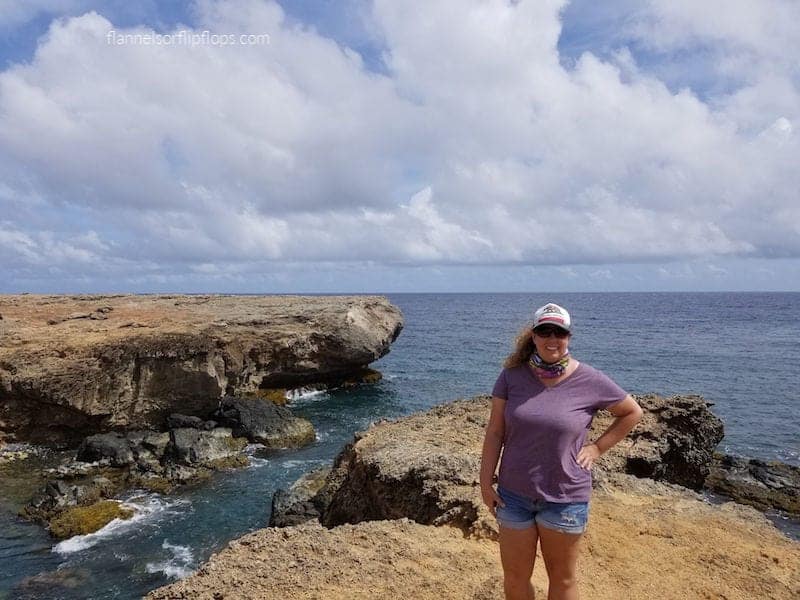
Undeniably, Aruba and Curacao are picturesque destinations offering clear waters, beaches with white sand, and warm temperatures throughout the year. However, these two islands have notable distinctions which may help determine which one is more suitable for you.
If you’re seeking a vibrant atmosphere with plenty of options for activities, Aruba would be a better choice for you. However, if you’re looking for a calmer and easier-going vacation, Curacao would be a better fit.
Costs & Prices

Compared to other Caribbean islands, both Aruba and Curacao are relatively expensive. Due to higher costs in accommodations, dining, and activities, Aruba is more expensive than Curacao. Curacao, on the other hand, is less touristy and offers more reasonable prices in general.
Weather

Aruba and Curacao have a hot, sunny climate with year-round temperatures averaging around 82°F (28°C). Aruba is known for its constant trade winds, which can make the island feel cooler than it is, while Curacao is less windy. Both islands are outside the hurricane belt, making them a great destination for travelers looking to avoid hurricane season.
Food

Aruba and Curacao blend Caribbean and international cuisine, with plenty of fresh seafood and local specialties. Aruba has more international restaurants, while Curacao has a more traditional local cuisine. Prices for food are generally higher in Aruba than in Curacao.
Culture

Aruba is a unique melting pot of cultures, influenced by the Arawak Indians, Dutch settlers, Spanish colonists, and African slaves. As such, it offers a fascinating cultural experience to travelers. From the colorful festivals and lively music scene to the traditional cuisine and local artisans selling handmade crafts in downtown Oranjestad, there are plenty of ways to explore Aruba’s culture.
Travelers looking for a unique cultural experience should definitely add Curacao to their list. The island is home to a rich and vibrant culture that blends the influences of Europe, Africa, Latin America, and the Caribbean. The local cuisine offers an array of flavors from around the world, while music and art reflect its multicultural heritage. Visitors can explore historic sites such as Fort Beekenburg or participate in traditional festivals like Kaseko Day which celebrates Curacao’s African-Caribbean roots with parades, dancing, and drumming.
Transportation

Aruba is a smaller island, and getting around is relatively easy. Taxis and buses are readily available, and many attractions are within walking distance of each other. Curacao is larger, and it’s recommended that visitors rent a car to explore the island fully. However, taxis and buses are also available, and there are plenty of guided tours available as well.
Geography & Landscape

Aruba is a desert island with a rocky landscape and sparse vegetation. The island is known for its beautiful white sand beaches and turquoise waters. The contrast between the soft white sand and turquoise waters and the arid desert and cacti is striking.
Conversely, Curacao has a more varied landscape, with rugged cliffs, sandy beaches, and colorful buildings. The island is also known for its underwater scenery, with excellent opportunities for diving and snorkeling.