11 Foods You Should Keep Away From Your Dog
When it comes to our furry friends, their curiosity and eagerness to eat anything in sight can sometimes lead to dangerous outcomes.
Dog owners must be aware of everyday foods that can be hazardous or deadly for their pets. While some of these food items are more toxic than others, they all pose threats to our dogs that range from stomach upset to poisoning.
1. Dairy Products

Dairy isn’t considered toxic to dogs, but due to the fact that most dogs are lactose intolerant, dairy products can cause stomach upset, diarrhea, and digestion issues for your dog.
Small amounts of dairy (mine love a bit of whipped cream when we have pie) should be ok, and there are dairy products that have less lactose than others that are better choices for dogs.
Some good choices are plain greek yogurt, cottage cheese, cheddar cheese and raw cow or goats milk.
2. Mushrooms

Mushrooms always get a bad rap, and while not all are toxic to dogs (or humans) some are extremely dangerous. Since our dogs can’t distinguish between good and bad mushrooms its best just to steer clear all together by watching them while you are out on hikes or in the backyard.
Wild mushrooms should be avoided always, but chopping up small bits of store bought, cleaned mushrooms should be ok in moderation.
3. Avocado

Avocados contain persin, which is harmful to some animals, including dogs. While the flesh of the avocado may cause mild stomach upset, the pit, skin, and leaves can be more toxic and dangerous, potentially leading to vomiting and diarrhea.
Seeds can also become a choking hazard for dogs, so its best to keep them out of reach of curious pups.
While feeding your dog a small amount of the flesh part of an avocado should be ok, its not a food that I personally feed my dogs.
4. Onions and Garlic
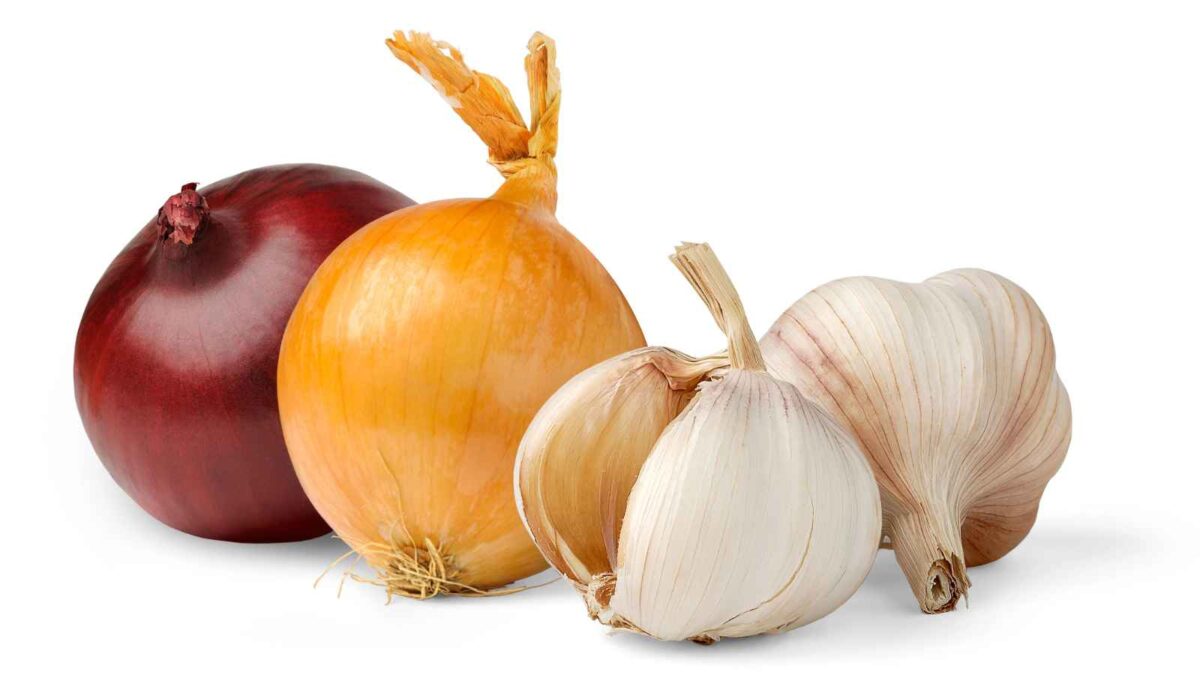
Onions and garlic, both members of the Allium family, are highly toxic to dogs and can lead to severe health complications. These vegetables contain a harmful compound called N-propyl disulfide, which interferes with your dog’s red blood cells.
When dogs consume onions or garlic, this compound causes the red blood cells to break down, potentially leading to hemolytic anemia. This condition reduces the number of functioning red blood cells in the body, limiting the oxygen supply to organs and tissues. Even a small amount of onions or garlic, whether raw, cooked, or in powdered form, can pose a threat to a dog’s health.
Because of the potential severity of the situation, it’s important for pet owners to avoid feeding their dogs any foods that contain these ingredients, including processed foods where onion or garlic powder might be used. Always consult a veterinarian immediately if you suspect your dog has ingested onions or garlic.
5. Macadamia Nuts

Macadamia nuts are highly toxic to dogs and should be avoided at all costs. According to the American Kennel Club (AKC), even a small amount of macadamia nuts can cause severe reactions in dogs, although the exact toxin responsible is still unknown.
Symptoms of macadamia nut poisoning include weakness, vomiting, tremors, hyperthermia, and difficulty walking. These symptoms can appear within 12 hours of ingestion and may last up to 48 hours. While most dogs recover with supportive care, the potential for serious complications makes it critical to keep macadamia nuts out of reach.
Macadamia nuts can be dangerous in any form—whether raw, roasted, or included in baked goods—so it’s important to monitor all food that may contain them.
6. Nutmeg

Nutmeg is highly toxic to dogs and should be avoided at all times. According to the American Kennel Club (AKC), nutmeg contains a compound called myristicin, which can cause severe reactions in dogs if ingested.
Even small amounts of nutmeg can cause mild stomach upset, so it’s crucial to prevent your dog from consuming any food containing nutmeg, whether in baked goods or other dishes.
7. Spicy Food

Dogs’ digestive systems are not equipped to process the intricacies and heat of spicy foods, potentially causing discomfort, mouth and stomach irritation, and more severe conditions like diarrhea, vomiting, or pancreatitis.
While one spicy meal wont lead to death, it can definitely lead to your baby not feeling well.
8. Chocolate

Chocolate is highly toxic to dogs because it contains theobromine and caffeine, substances that dogs cannot metabolize efficiently. According to the Cornell Riney Canine Health Center, even a small amount of chocolate can lead to serious health issues, depending on the type and quantity ingested.
Dark chocolate and baking chocolate are particularly dangerous as they contain higher concentrations of theobromine compared to milk chocolate.
According to the Cornell Riney Canine Health Center, the amount of chocolate that is toxic to a dog depends on the type of chocolate and the dog’s weight. For example, just one ounce of dark chocolate can be toxic to a 44-pound dog, while as little as 0.2 ounces of baking chocolate per pound of body weight can cause severe symptoms.
A smaller dog, such as a 10-pound dog, would experience toxic effects from consuming less than one ounce of dark or baking chocolate. It’s essential to treat any ingestion of chocolate seriously, as toxicity levels can vary based on these factors.
9. Raw Dough

Raw dough containing yeast is highly dangerous for dogs. When ingested, the yeast continues to ferment in the dog’s stomach, producing gas and alcohol. This can lead to bloating, discomfort, and serious conditions such as alcohol poisoning.
Symptoms of toxicity from raw dough include vomiting, disorientation, and weakness, and in severe cases, it can cause respiratory failure. It’s essential to keep raw dough out of your dog’s reach to prevent these potentially life-threatening issues.
10. Xylitol

Xylitol is an artificial sweetener commonly used in sugar-free products, and it is extremely toxic to dogs. According to research, even small amounts of xylitol can cause a dangerous release of insulin in a dog’s body, leading to a rapid drop in blood sugar, known as hypoglycemia.
This can occur within 10 to 60 minutes after ingestion, with symptoms such as vomiting, weakness, loss of coordination, and even seizures. In severe cases, xylitol toxicity can lead to acute liver failure and death, making it one of the most hazardous substances for dogs to ingest.
Xylitol is found in many everyday products, including sugar-free gum, candy, baked goods, and even some peanut butter brands. It is also present in certain medications, vitamins, and toothpaste.
Even a small amount, such as a stick of sugar-free gum, can be enough to cause hypoglycemia in a small dog. Research has shown that doses as low as 0.1 grams of xylitol per kilogram of body weight can lead to hypoglycemia, while doses of 0.5 grams per kilogram can cause liver failure. Given these risks, it is crucial for dog owners to be aware of products containing xylitol and keep them far out of reach.
11. Grapes and Raisins

Grapes and raisins are highly toxic to dogs, and even a small amount can be dangerous. The exact substance in grapes and raisins that causes toxicity in dogs is still unknown, but consuming them can lead to severe health issues, including kidney failure. This makes grapes and raisins particularly hazardous for dogs, regardless of whether they are eaten fresh, dried, or in processed foods like trail mix or baked goods.
It is crucial for dog owners to be vigilant about foods containing grapes or raisins and keep them out of reach. Even a small handful of grapes or a few raisins can cause toxicity, especially in smaller dogs. Because the amount required to cause harm varies widely, it’s safest to avoid feeding dogs any form of these fruits to prevent accidental ingestion and potential health risks.
What To Do If Your Dog Eats A Toxic Food

Common symptoms of poisoning in dogs include vomiting, diarrhea, lethargy, loss of coordination, excessive drooling, rapid heart rate, and seizures. The symptoms can vary depending on the specific toxic food ingested.
If you suspect that your dog has ingested something toxic, the first step is to contact your veterinarian or an emergency animal hospital. In some cases, inducing vomiting may be recommended, but this should only be done under professional guidance, as not all toxic substances are safe to vomit back up.
For example, substances like chocolate or raw dough with yeast may require immediate medical attention rather than home remedies. If veterinary care is not immediately accessible, the ASPCA Animal Poison Control is another resource for pet owners.
Once at the veterinarian, treatment will depend on the type and amount of toxin consumed, as well as the symptoms the dog is exhibiting. The vet may induce vomiting if the ingestion occurred recently or administer activated charcoal to absorb the toxin.
In more severe cases, such as xylitol or chocolate poisoning, the vet might provide IV fluids, medications to control symptoms like seizures or tremors, and intensive care to stabilize your dog’s condition.
Timely treatment is often the key to a full recovery, so swift action can make all the difference in preventing long-term damage or fatal outcomes.