Once Is Enough! 20 Popular Places Avid Travelers Say They Won’t Return To
Traveling the world offers an opportunity to explore new cultures, landscapes, and experiences. However, not every popular tourist destination lives up to its hype for every traveler. From overcrowded landmarks to areas lacking authenticity, there are certain places that some tourists have decided not to revisit after their initial experience.
In this post, we explore 20 popular tourist locations around the globe that, for various reasons, have left visitors feeling underwhelmed or disappointed. Whether due to the high costs, commercialization, or simply not meeting expectations, these destinations have made it onto the list of places travelers say they won’t return to.
1. Venice, Italy

Venice is often criticized for its issues with over-tourism, which can detract from the charm and authenticity of this historic city.
The narrow alleys and beautiful canals are sometimes overcrowded, and the high cost of accommodations and dining can deter many visitors. Despite its architectural beauty and romantic appeal, the reality of Venice can be a far cry from the serene getaway many imagine.
2. Nassau, Bahamas

Nassau is a common stop for cruise ships, leading to periods of intense crowding when tourists flood the streets. The city can feel overly commercialized, focusing on tourist traps rather than genuine Bahamian culture.
Although Nassau boasts beautiful beaches and vibrant markets, the commercial overtone and lack of authenticity can disappoint some travelers.
3. Paris, France

Paris, known as the city of love and lights, often falls victim to tourists’ extremely high expectations. This romanticization can clash with the reality of its bustling, sometimes gritty, urban life.
Issues like overcrowding, especially near major landmarks like the Eiffel Tower and Louvre, and the occasional unfriendliness from locals can lead to a less-than-idyllic experience for some visitors.
4. Hollywood, California, USA

Hollywood is synonymous with the American film industry and often evokes images of glamour and stardom. However, visitors sometimes find that Hollywood lacks depth beyond the famous Walk of Fame and iconic sign and can feel somewhat superficial.
The area can be crowded and commercial, focusing on tourism rather than providing a genuine cultural experience.
5. Dubai, UAE
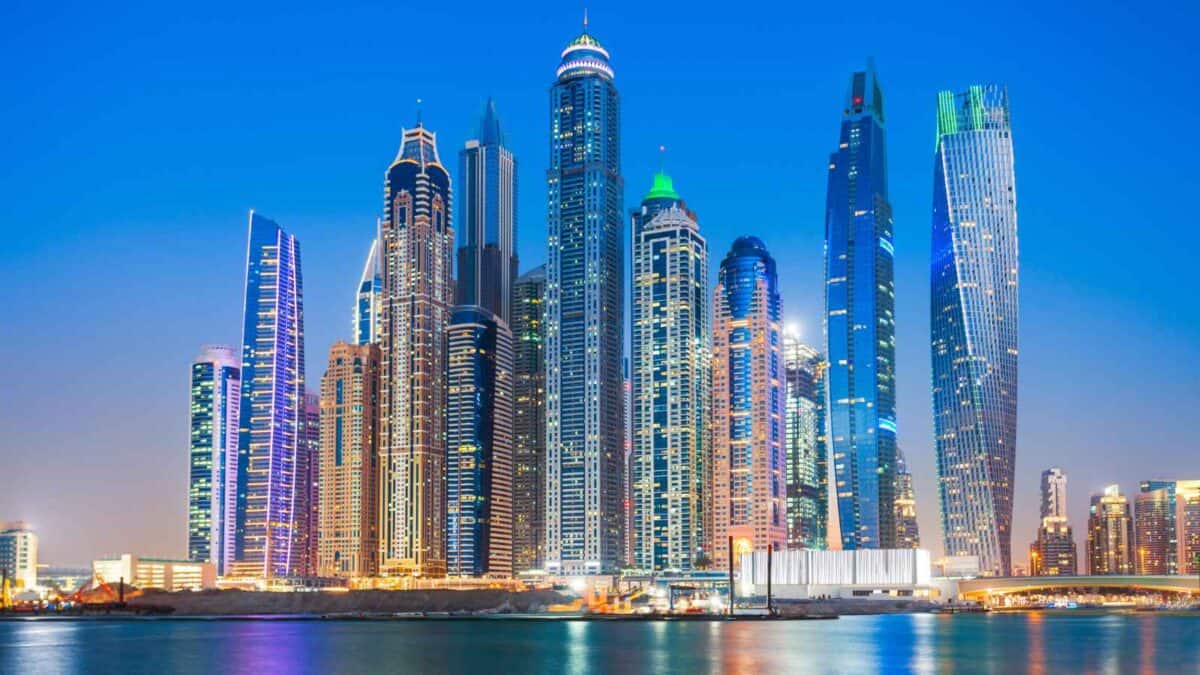
Dubai is known for its skyscrapers, luxury shopping, and ambitious projects like artificial islands. However, some visitors find the city too synthetic, lacking in older cities’ cultural depth and authenticity.
While Dubai offers high-end experiences and is a marvel of modern engineering, it can feel like a playground for the wealthy, detached from traditional Emirati life.
6. Bali, Indonesia

Bali is celebrated for its stunning landscapes and spiritual culture. Yet, the island struggles with environmental issues like pollution and the negative impacts of overtourism.
Some areas, particularly around popular beaches, have become highly commercialized, which can detract from the serene, natural beauty that many expect to find.
7. Cancun, Mexico

Cancun is famous for its crystal-clear waters and vibrant nightlife, but it’s often seen as too tailored to tourists, lacking genuine Mexican cultural experiences.
The hotel zone is packed with all-inclusive resorts that can isolate visitors from the surrounding areas’ local culture and everyday life.
8. Cairo, Egypt
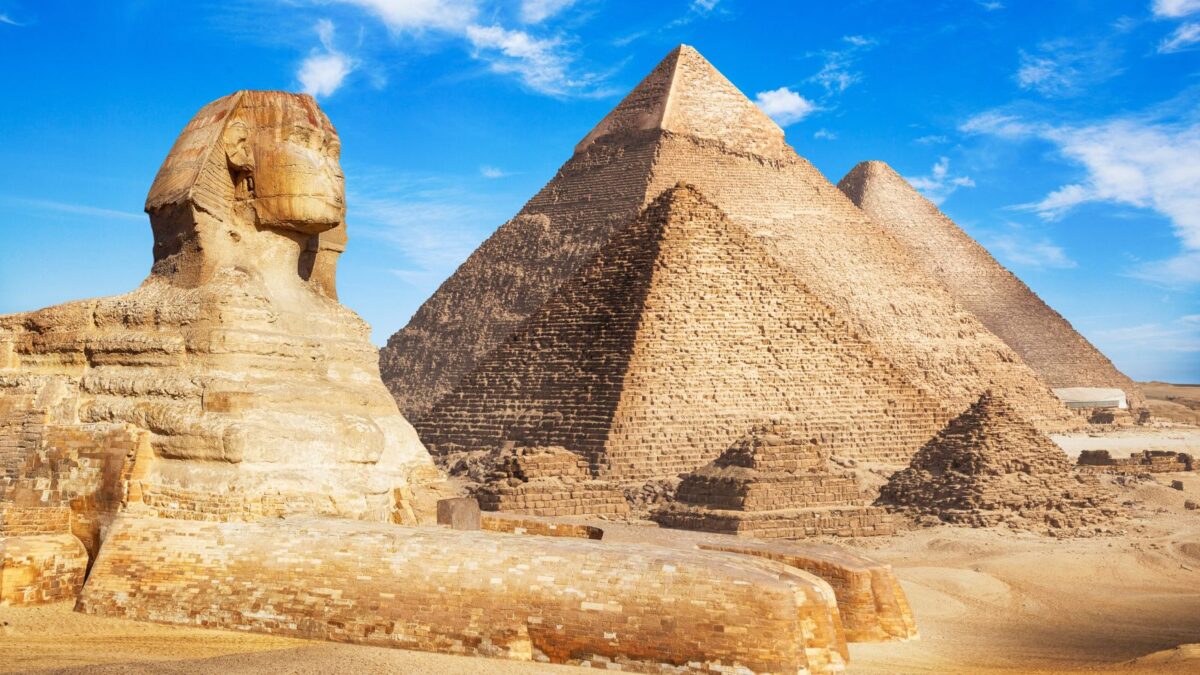
Cairo offers an incredible historical and cultural experience, especially for those visiting the Great Pyramids. However, the aggressive hassling by street vendors and the chaotic traffic can be overwhelming and off-putting for many tourists.
While the historical sites are unmatched, the day-to-day experience in the city’s busy streets can be stressful.
9. Phuket, Thailand

Phuket is a hotspot for tourists seeking sun and sand, but its popularity has led to some downsides. The island can feel overly commercial, with busy beaches and a nightlife scene that may not appeal to everyone.
While Phuket offers beautiful natural sites and fun activities, the crowded setting can detract from the tropical paradise many hope to find.
10. Las Vegas, Nevada, USA

Las Vegas is known for its dazzling entertainment and casinos, but its appeal is not universal. The city’s focus on gambling and partying can be overwhelming, and it lacks cultural attractions in other cities.
The city offers little else for those not interested in the typical Vegas activities, making it a place some vow not to revisit.
11. Stonehenge, UK

Stonehenge is an iconic prehistoric monument, but visitors often find the experience underwhelming. The restrictions on how close you can get to the stones and the typically busy environment can make it hard to appreciate the site’s historical significance truly.
The surrounding area is quite barren, lacking additional attractions, leaving visitors feeling like the long journey there isn’t justified.
12. Manila, Philippines

Manila is a bustling metropolis that embodies the chaos and charm of urban life in the Philippines. However, some travelers find the city’s congestion and pollution a major deterrent.
The city’s frenetic pace and dense population can be overwhelming for visitors looking for a more relaxed or orderly travel experience.
13. Miami, Florida, USA

Miami is famed for its beaches and vibrant nightlife, but it’s not for everyone. The city’s party atmosphere, high prices, and humid weather can be off-putting for those looking for a quieter or more cultural vacation experience.
While Miami has rich cultural enclaves like Little Havana, the emphasis on luxury and entertainment isn’t appealing to all.
14. Pisa, Italy

Pisa is world-renowned for its Leaning Tower, but some tourists find the city lacks additional compelling attractions beyond this iconic structure.
The area around the tower can be crowded with tourists and vendors, diminishing the experience of visiting such a historical site.
15. Los Angeles, California, USA

Los Angeles is often envisioned as the epicenter of glamour due to its connection to the film industry, but visitors sometimes find the reality quite different. The sprawling city is notorious for its heavy traffic and the distances between attractions, which can be frustrating for tourists.
Additionally, while areas like Hollywood and Beverly Hills draw visitors, the city may lack the cohesive cultural charm found in other metropolitan cities.
16. Athens, Greece

Athens, Greece is a historical city famous for ancient landmarks like the Acropolis. However, some visitors find the modern city surrounding these historic jewels unexpectedly gritty and congested.
The stark contrast between ancient marvels and the urban sprawl can be jarring, and the pollution and summer heat makes the city less enjoyable for some.
17. Jamaica

Jamaica, a Caribbean island known for its stunning beaches and friendly locals, also has areas that some travelers consider unsafe.
Concerns about crime and tourist-targeted scams can mar visitors’ experiences, leading some to decide not to return despite the island’s natural beauty and vibrant culture.
18. Monte Carlo, Monaco
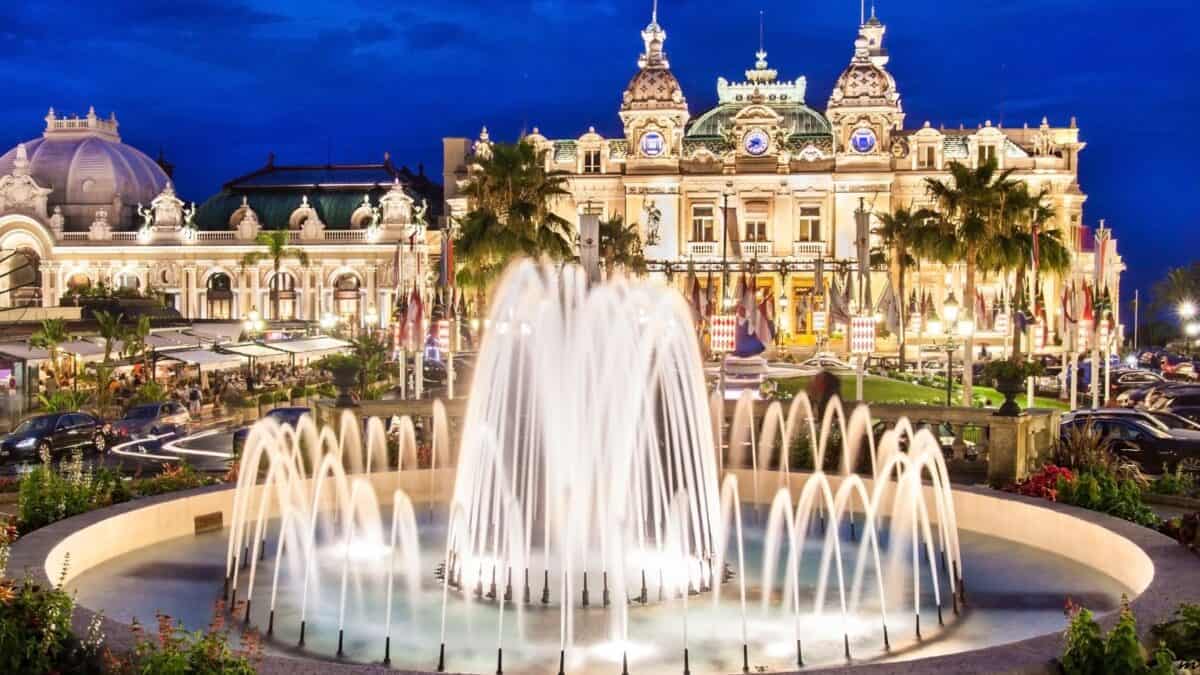
Monte Carlo exudes luxury and is famous for its casinos and grand prix. However, the city’s opulent lifestyle and high costs can make it inaccessible to the average traveler.
Some visitors find that once the luxury novelty wears off, there isn’t much left to explore, especially for those on a tighter budget.
19. Mykonos, Greece

Mykonos is celebrated for its picturesque whitewashed buildings and lively party scene. However, the island’s popularity can lead to overcrowding, particularly during peak tourist season, which detracts from its charm.
The high prices and party-centric atmosphere might also not appeal to travelers seeking a more relaxed or culturally immersive Greek island experience.
20. Times Square, New York, USA
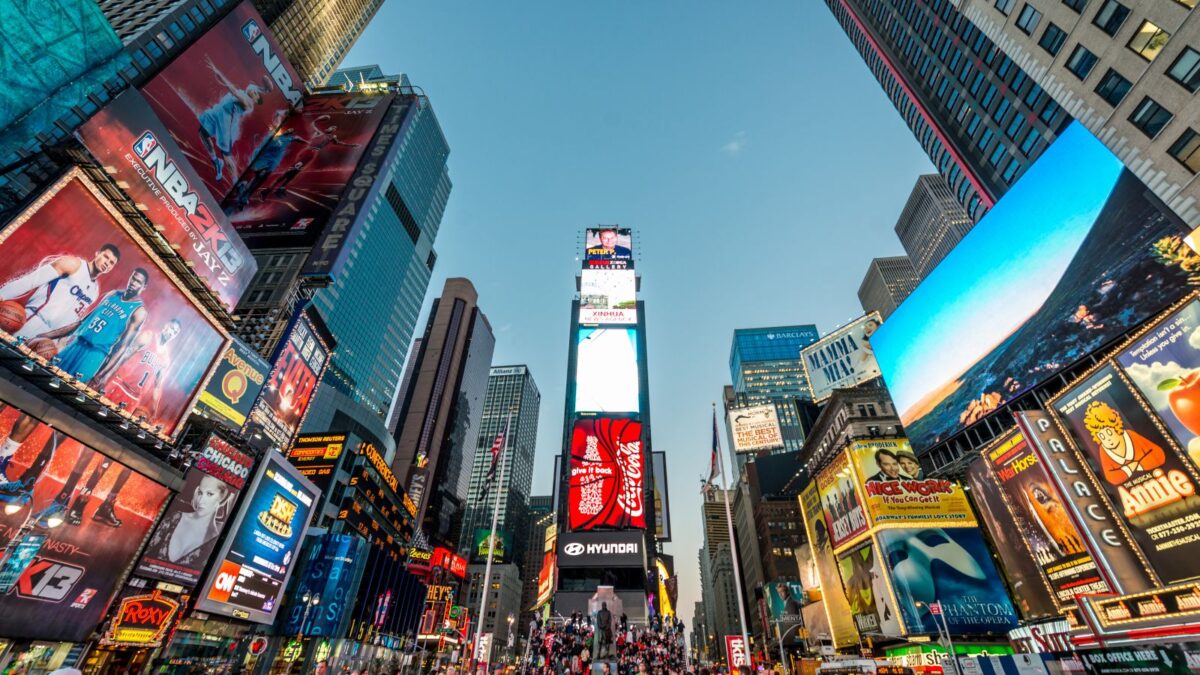
Times Square is one of the most visited tourist attractions in the world, known for its bright lights and bustling energy. However, it’s often described as overly commercial and crowded, with a focus on retail and entertainment that can feel overwhelming. Some visitors find it lacks authenticity and offers little beyond the initial visual spectacle.