10 Challenges Older Generations Overcame That Are Unfamiliar Today
 Chantelle Kincy
The Baby Boomer generation experienced a world that was dramatically different from the one Millennials and Gen Z live in today. Many of their formative experiences are unfamiliar to younger generations.
Let’s explore some of the key things our parents and grandparents dealt with that shaped who they became—and what younger generations might not fully understand.
1. Parents Who Survived the Great Depression and War

Baby boomers were often raised by parents who lived through the Great Depression and World War II. These parents instilled values of frugality, hard work, and patriotism, often focusing on building a stable, prosperous future.
Younger Generation:
Most young people today have not faced the extreme hardships of a global war or economic collapse that fundamentally reshaped daily life.
2. A Consumer and Manufacturing-Based Economy

Baby boomers were raised during the rise of manufacturing and consumerism. Jobs were often stable, with benefits like pensions, and many grew up with plenty of food, a family car, and detached homes.
Younger Generation:
The economic landscape has shifted to service-oriented and gig-based jobs. Younger generations face student debt, rising housing costs, and fewer long-term job opportunities with benefits.
3. Straight-Laced Parental Values

Baby boomers were raised by parents who valued discipline and structure. Many Boomers had strict upbringings with clear expectations, which some later rebelled against as hippies or wanderers.
Younger Generation:
Parenting styles have shifted towards more flexibility and openness, with Millennials and Gen Z often raised with more emotional freedom and encouragement to express their individuality.
4. The Hippie Movement and Counterculture
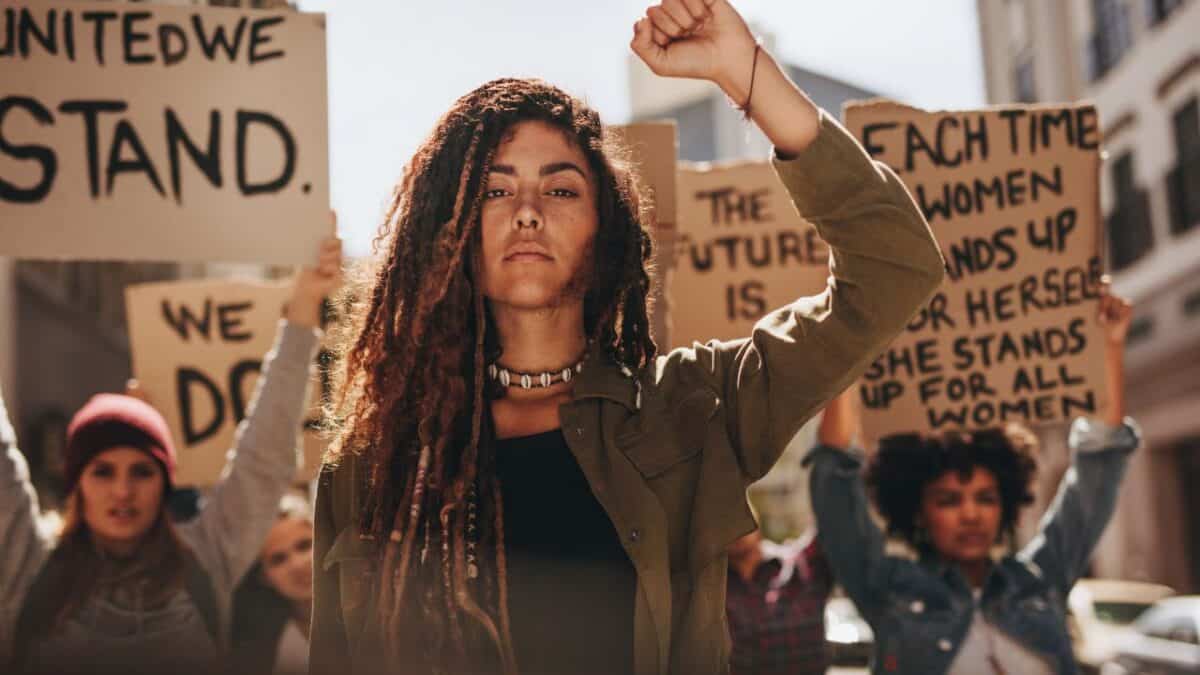
Continuing from the following slide, the Baby boomer generation saw the rise of the hippie movement, with many young people rebelling against traditional values, questioning authority, and seeking freedom through music, art, and protests.
Younger Generation:
While modern movements like Black Lives Matter or climate protests echo similar rebellion, the scale and cultural transformation of the 1960s is something many young people today have only read about.
5. Building the Digital World from an Analog Foundation

Baby boomers grew up in a time before personal computers, smartphones, or the internet. They were part of the generation that helped build and adapt to digital technology, transforming everything from how we work to how we communicate.
They needed to be resourceful and deliberate when finding information and learning new things.
Younger Generation:
Millennials and Gen Z have grown up with digital technology at their fingertips, never knowing a world without Google, smartphones, or social media.
6. The Rise of Suburban Life

Baby boomers experienced the growth of suburban life, where families moved out of crowded cities into neighborhoods with large homes, garages, and backyards. This change was seen as the American Dream.
Younger Generation:
Today, younger people are more likely to live in urban areas or smaller homes, as the cost of suburban living has risen, and job markets have shifted back to cities.
7. Military Draft and Cold War Anxiety

Many Boomers dealt with the reality of the draft during the Vietnam War, as well as the constant fear of nuclear war during the Cold War.
Younger Generation:
While global tensions still exist, Millennials and Gen Z haven’t experienced the same level of national military conscription or the daily anxiety of potential nuclear conflict.
8. Raising Large Families with Fewer Resources

Many baby boomers grew up in large families, where resources like food, clothing, and space were shared among multiple siblings. Parents had to make do with what they had, often stretching budgets and resources to ensure everyone was provided for.
Younger Generation:
Today, families are generally smaller, with many opting for one or two children. Younger generations have more resources per child, with modern conveniences making daily life easier and more manageable.
9. The Evolution of Music and Social Movements

This generation changed the music scene, from rock ‘n’ roll to the rise of folk and protest music. Music was often deeply tied to social movements and cultural identity.
Younger Generation:
While music continues to evolve and influence, the political activism attached to it in the 60s and 70s is not as pervasive today. Music consumption is also vastly different in the digital age.
10. Navigating Life Without Instant Communication

Before cell phones and the internet, our parents lived in a world where communication was slower. Long-distance phone calls were expensive, and letters took days or even weeks to arrive, making staying connected more difficult.
Younger Generation:
Younger generations live in an age of instant communication, where texting, video calls, and social media allow for immediate contact with friends and family, no matter where they are in the world.
These replacements should keep the content fresh while still highlighting key differences between generations.
Final Thoughts

While each generation faces its own challenges, baby boomers’ experiences have shaped much of the world we live in today. Understanding the values, trials, and triumphs of the Boomer generation can give younger generations a new perspective on their own paths.