16 Travel Etiquette Mistakes Commonly Made Abroad
Many of us have heard the phrase “Rude Americans” before. Some of the things we do in the United States can come across as rude in other cultures, so you want to avoid being perceived as disrespectful in another person’s home or country. Before traveling abroad, knowing a few common mistakes is crucial so you can avoid them during your next trip.
Here are a few tips to remember when traveling abroad to ensure you’re respectful. If it’s your first trip or you want to refresh your manners before traveling again, here are some key pointers to remember.
1. Don’t Expect Everyone To Speak English

An important travel etiquette blunder is assuming everyone speaks English fluently. That’s why I suggest picking up a few essential phrases before visiting a new country. This effort demonstrates that you’re attempting to communicate and it shows respect to locals.
2. Dress Appropriately

One common mistake travelers make when exploring new destinations, whether in Europe, Asia, Africa, or elsewhere, is not dressing appropriately. While certain clothing styles like crop tops may be popular in the United States, covering up is important when visiting religious sites.
For example, during my trip to Thailand, I made sure to cover my shoulders when visiting temples. I knew in advance that wearing a T-shirt instead of a tank top was necessary. While some places provide shawls or garments to adhere to these rules, it’s best and most respectful to dress appropriately from the start to show genuine appreciation for their culture.
3. Don’t Hurry Through Meals

One common mistake, especially among Americans, when traveling is rushing through meals. In many cultures, a meal is meant to be a leisurely experience, allowing you to savor the food and enjoy the company you’re sharing the table with.
You aren’t supposed to scarf down the meal in mere minutes and expect the waiter to bring you the tab the moment you are on your last bite. Instead, it’s about appreciating the entire dining process.
4. Use Local Currency
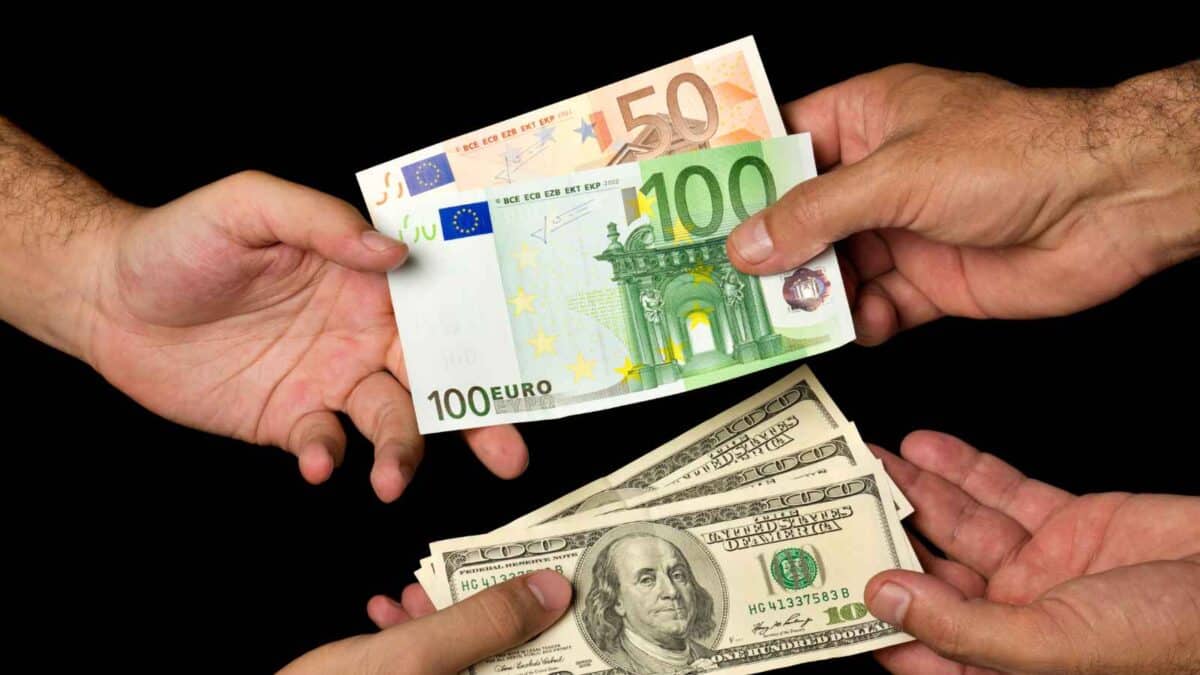
Failing to use the local currency is a common etiquette mistake when traveling abroad. This not only inconveniences the host country but also leads to complications with exchange rates for you.
Before your trip, research and familiarize yourself with the local currency. Consider getting their currency from your bank beforehand or using a local ATM upon arrival to have the local currency ready for shopping and dining.
5. Don’t Ask For Meal Modifications

In certain countries like the United States, requesting a menu item with modifications, such as asking for it without certain ingredients, is typical. For example, I enjoy cheeseburgers but don’t like onions, so I often ask for a house burger without onions. However, in many cultures, this practice can be considered impolite.
Chefs include ingredients in dishes for a reason, and it’s generally expected that you try the dish as it’s prepared or remove any unwanted elements yourself after it’s served.
6. Follow Escalator Procedures (Stand on the Right, Pass on the Left)

I went on my first trip abroad in the 10th grade and nearly got knocked out by passengers trying to pass me on the escalator.
I quickly learned that staying on the far right side is essential to allow others to pass on the left when standing on the escalator. It’s similar to driving on the road: stay in the right lane for a leisurely ride and use the left lane for passing.
7. Don’t Walk In The Bike Lane

Bike lanes are highly respected in Europe, particularly for commuting to work, stores, or other places. These lanes are often busy, and cyclists can move quickly as they head somewhere. It’s crucial not to walk in the bike lane, as this shows disrespect and increases the risk of being hit by a cyclist.
8. Not Greeting Workers When You Walk In
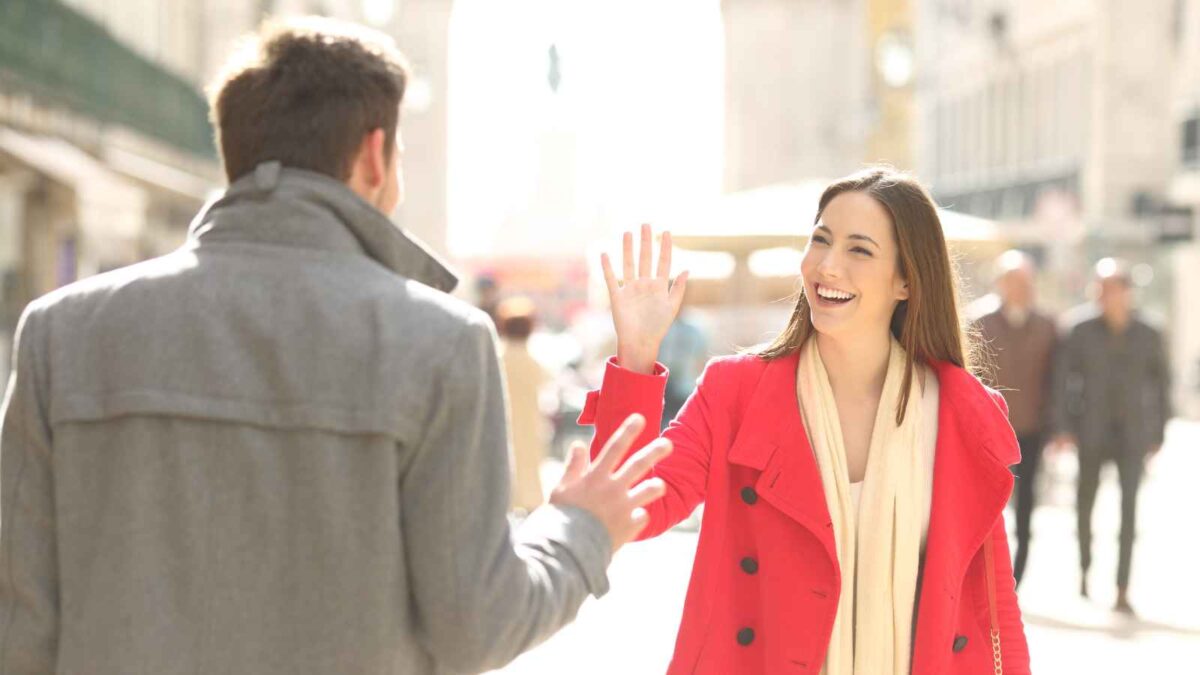
Failing to greet workers in shops, restaurants, and other places you visit is a common etiquette error. While it’s polite to say hello upon entering, it’s even better to learn a greeting in their language. For example, saying “Bonjour” when entering a French boutique is a friendly gesture in their native language and helps avoid unintentional rudeness.
9. Taking Selfies With No Regard

Although I enjoy taking selfies with my daughter or husband, it’s essential to be mindful of when and where you take them. For instance, avoid standing in a bike lane to snap a picture, especially when cyclists are blazing towards you.
Similarly, refrain from taking selfies in places that demand your attention or respect, such as memorials, museums, or sacred or holy events.
10. Being Overly Loud

Americans are known for their enthusiasm and love for celebrations, singing, cheering for teams, and more. However, many places around the world prefer a quieter environment.
When traveling to other countries, it’s essential to maintain a calm demeanor to avoid being seen as loud and obnoxious.
11. Eating With Your Hands When It’s Not Called For

In certain countries or regions, eating with your hands is acceptable. For example, I’m from the South, and eating fried chicken with your hands is common. If you were to pick up utensils to eat your fried chicken, you might draw some curious looks.
Similarly, in parts of India, it’s customary to pick up naan with your hands and use it to scoop up food. Another instance is eating pizza in Italy, where eating it with your hands is traditional.
However, there are many situations where eating with your hands isn’t appropriate, such as gnocchi, ramen, sushi, and various others. If you’re unsure, it’s best to ask your server, consult a local, or do a quick online search before proceeding.
12. Bargaining At Places You Aren’t Supposed To

In certain parts of the world, negotiating prices with shop owners is acceptable; in others, it’s considered disrespectful and offensive.
If you need more clarification, it’s best to inquire with a local or research online beforehand. This will help you avoid appearing rude and show appreciation for the sellers’ hard work.
13. Not Having Table Manners
It’s important to be familiar with various table manners before traveling abroad. For instance, many cultures consider resting your elbows on the table impolite.
Another example of table etiquette is informing the table before leaving rather than just getting up without notice. Meals hold significance in many cultures, so it’s crucial always to be polite.
14. Looking At Your Phone
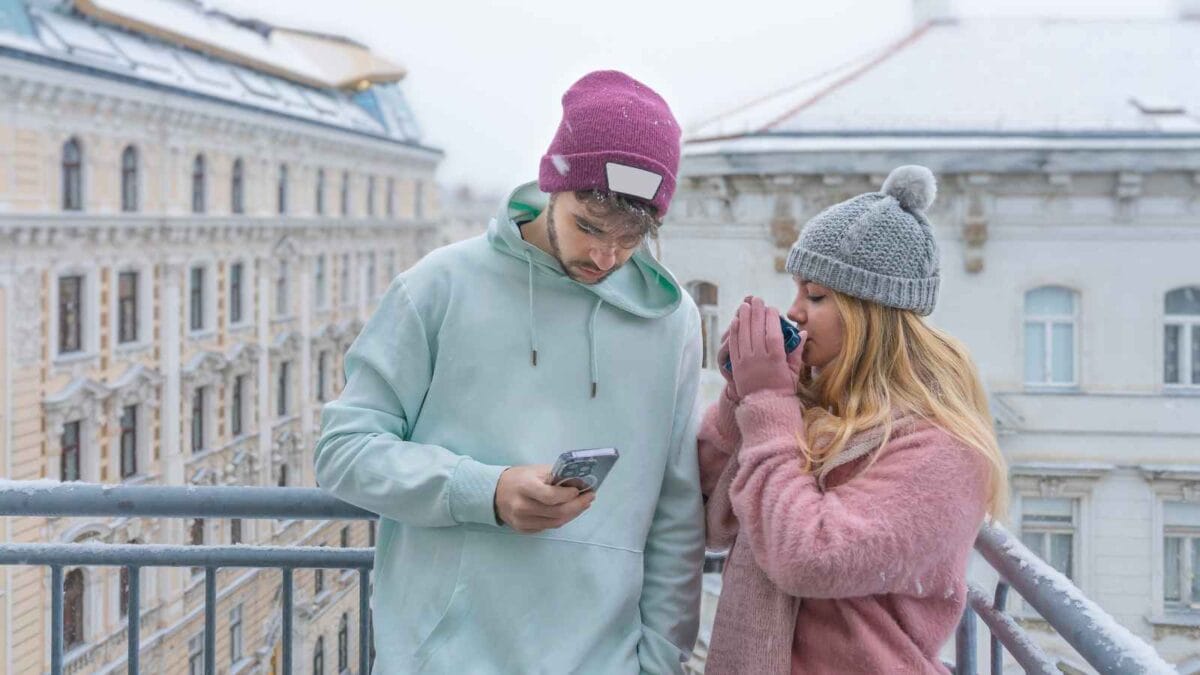
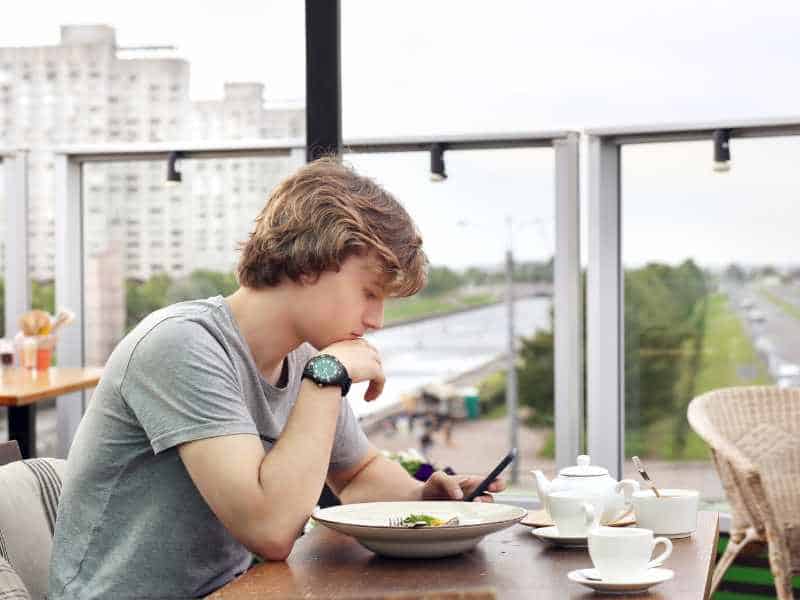
People worldwide are often attached to their phone screens, but that doesn’t mean it’s okay to stare at yours all day. Using your phone in certain situations while traveling abroad can be seen as impolite.
For instance, using your phone at the dinner table or while someone is talking to you is considered rude. When traveling, I recommend keeping your phone in a safe place where you won’t get pickpocketed but also somewhere out of your hands so that you can get off your screen and soak in the new scenery around you.
15. Tipping
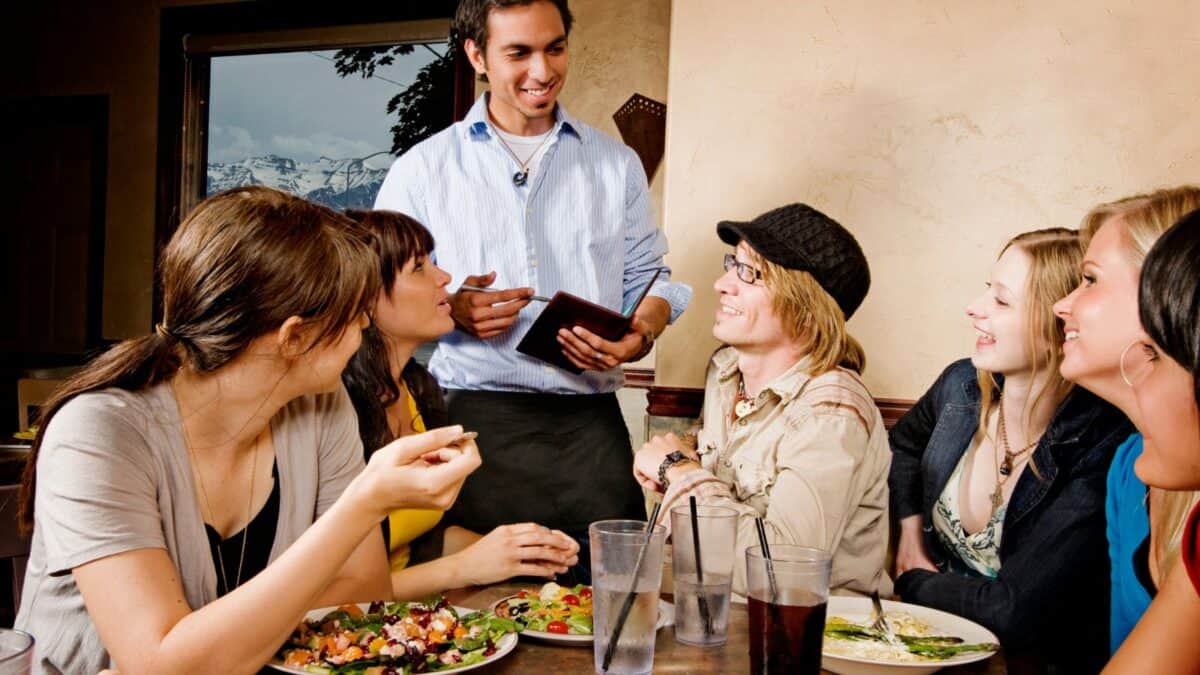
Did you know that it’s rude to tip in many countries abroad? Many countries pay their employees a good wage, which doesn’t require you to tip. I recommend looking up the country you are headed to in advance so that you know the tipping etiquette for that country.
16. Asking For Ice In Your Beverage

One more etiquette mistake to be aware of is asking for ice in your drink, which varies depending on the country you’re in. Some places might not offer ice at all, while in others, it could be seen as impolite to request it since it’s not part of their usual practice.
If you prefer chilling your drink, check beforehand to see if asking for ice is appropriate. This way, you can avoid any unintended offense and maybe even discover a new way to enjoy your beverage.