20 French Words You Need To Know Before Traveling to France
France is one of the most visited places on earth. There is so much history, medieval castles, art, cuisines, and natural beauty that will take your breath away!
The French are very proud people, and sometimes people mistake that for rudeness. However, if you put in a little effort to speak their language and know some of the key French phrases, you’ll see that the French are very kind and friendly.
I’ve been living in the South of France for three years, and I’ll be the first to admit that my French is beyond terrible. However, some phrases that I’ve learned have been super helpful in communicating and getting my point across. Here are the 20 phrases that you should learn before you visit France, and they will make your trip go a lot smoother!
1. Bonjour – Hello

Pronunciation: Bon ʒ or (ʒ is a z sound like in the word treasure)
This is the most frequently used greeting in France. In France, walking into a store without saying “bonjour” to the person working there is considered rude.
Also, if you ask someone a question, make sure you always start your conversation by saying “bonjour.” If you don’t want to come off as rude, use “Bonjour.”
2. Pardon – Excuse Me/Sorry

Pronunciation: Par d own
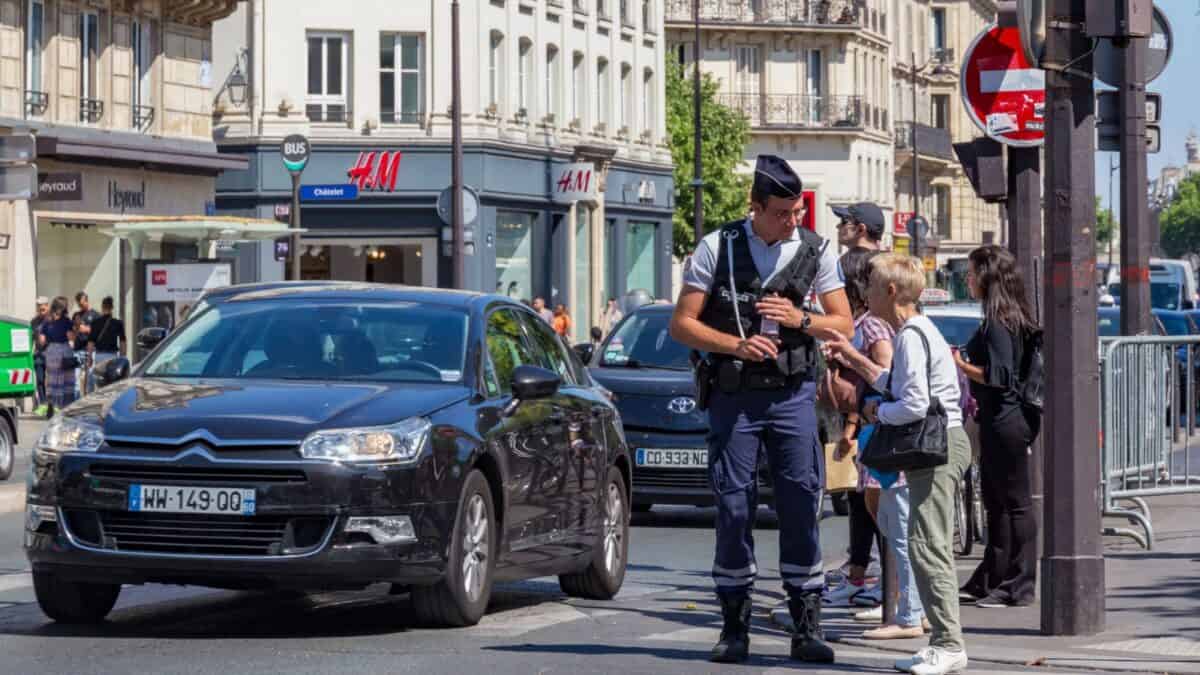
If you are planning on visiting Paris while on your France trip, then make sure you learn this word! The streets of Paris are very busy, and you are bound to bump into some people or be in someone’s way, or need to push past people.
When you do this, make sure you say “pardon”. This will let the French know you are sorry and didn’t mean to disturb them.
3. Parlez-Vous Anglais? – Do You Speak English?

Pronunciation: Par lay voo on glay?
If you are in Paris, 90% of people will probably start by speaking English to you. However, if you are in any other part of the county, there’s about a 50% chance they speak English.
To politely ask if someone knows English, say, “Bonjour, parlez-vous anglais?” Then, they will usually respond in English with “Yes” or “no” or “a little”.
4. S’il Vous Plaît – Pleas

Pronunciation: Sill voo play
Always end a sentence when you ask for something with “S’il vous plaît.” Even if you’re speaking in English, this will let them know that you are trying your best and making an effort to speak their language.
5. Merci – Thank you
Pronunciation: Mare see
This is another word that you’ll be using constantly in almost every conversation that you have in France. Whenever you buy something or someone helps you with something, make sure always to throw in “Merci” to let them know that you’re grateful for their help.
6. Bonne Journée – Good Day/Bye

Pronunciation: Bon ʒ or nay (ʒ is a z sound like in the word treasure)
This is used at the end of a conversation to wish the person a good rest of their day. It’s like saying “Have a good day” when leaving somewhere.
7. C’est Combien? – How Much?
Pronunciation: Set com bee on?
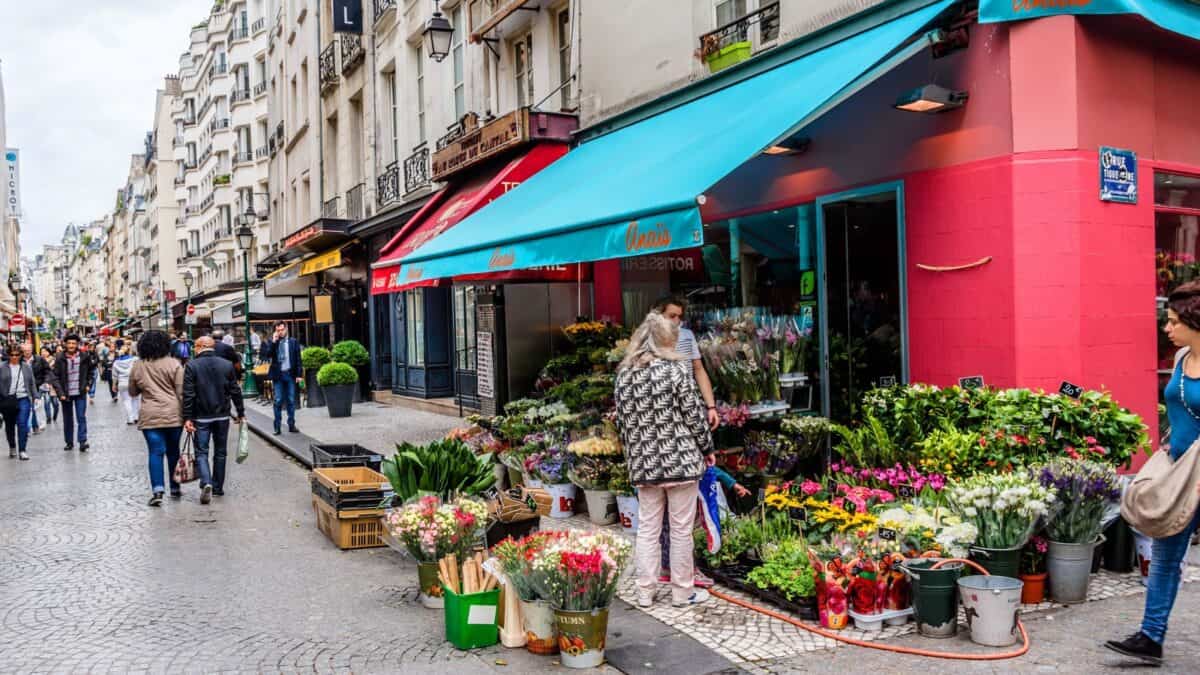
You would use this to ask a person how much something costs. If you’re at a store or market, you can ask the person, “Bonjour, c’est combien?” which means, ” Hello, how much is this?”
The downside to using this phrase is that they’ll most likely respond with a number you don’t know (big French numbers are very complicated). To avoid this, you can have them type the number into the calculator app on either your phone or theirs.
8. Je Voudrais… – I Would Like…
Pronunciation: ʒuh voo dray (ʒ is a z sound like in the word treasure)
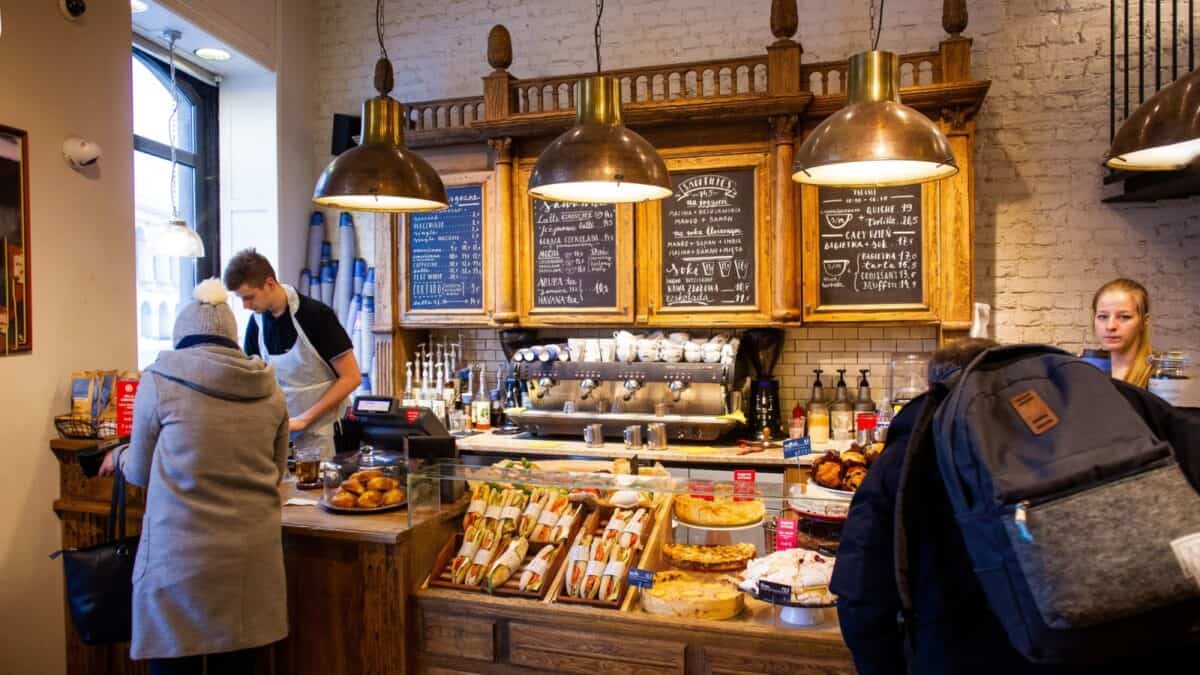
You would say this when asking for something on a menu or if you are trying to say that you want something at a bakery. For example, if you want to buy a baguette, you would say “Bonjour, je voudrais une baguette, s’il vous plaît.” Translation: “Hello, I would like a baguette, please.”
9. Où Est…? – Where is…?

Pronunciation: Oo eh
You would use this if you are asking for directions somewhere. For example, if you wanted to ask someone on the street, “Where is the Eiffel Tower?” you would say, “Où est la Tour Eiffel?”
As always, before you ask someone a question, make sure you say “pardon, bonjour…” and finish the conversation with “Merci! Bonne journée!”
10. Oui/Non- Yes/No

Pronunciation: We/no
Oui and bonjour are probably the two French words that 90% of Americans know. Yes and no are probably some of the most common words in any language, and French is no exception.
11. Pain au Chocolat

Pronunciation: Pa o show co la
These are the most important words I know in the French language. Just kidding, but it’s my favorite French snack! In America, this is known as a chocolate croissant. It’s a normal flaky croissant, but square shaped and is filled with chocolate. It’s the best thing in all of France and you need to try it to understand!
12. Ça Va Bien? – How Are You?

Pronunciation: Sa va bee ah?
This is the informal way to ask someone how they are doing, but it is most commonly used to greet people. The more formal way you might have been taught in school is “Comment allez-vous?” but I’ve never heard this used in conversation.
So, if you were to walk up to someone and ask how they’re doing, you would say, “Bonjour, ça va bien?” like saying, “Hey, you doing well?”
13. Comment Vous Appelez-Vous?/Je m’Appelle… – What’s Your Name? My Name Is…

Pronunciation: Com mon voos app ell voo?/ʒuh ma pell… (ʒ is a z sound like in the word treasure)
This is how you would ask someone their name and tell someone your name in a formal setting, which meeting people usually is.
14. Je Ne Sais Pas – I Don’t Know

Pronunciation: ʒuh nuh say pa (ʒ is a z sound like in the word treasure)
If someone is asking you a question that you don’t know the answer to, you can tell them “pardon, je ne sais pas” or “sorry, I don’t know.”
15. Désolé – My Bad/Sorry

Pronunciation: dez olay
Now, I know that I said that “pardon” is how to say sorry and it is. You can use “désolé” when you are talking about a feeling or something you had no control over. Then you can use “pardon” when you are taking responsibility for something that you didn’t mean to do.
Probably 70% of the time you are going to be using “pardon” but for the other 30% of the time, like when you are telling someone you’re sorry about what they are going through, you say “désolé”.
16. C’est Quoi? – What is It?

Pronunciation: Set kwa?
This is how you would ask someone what something is. If you’re in a store and you see something and don’t know what it is, you can say “Bonjour, c’est quoi?” or “hello, what is this?”
17. Un, Deux, Trois, Quatre, Cinq, Six, Sept, Huit, Neuf, Dix – One, Two, Three, Four, Five, Six, Seven, Eight, Nine, Ten

Pronunciation: Uh, dew, twa, cat, sonk, sees, set, weet, nuf, dees
Knowing how to count from one to ten is important in almost any country you travel to. For example, if you go into a bakery in France and want more than one of anything, you need to know the number.
I usually say the number and use my fingers to show how many I want just to make sure I can get my point across.
18. Je Ne Parle Pas Français. -I Don’t Speak French

Pronunciation: ʒuh nay parl pa fron say (ʒ is a z sound like in the word treasure)
I always thought it was funny that people like to learn the phrase “I don’t know how to speak your language” when it’s pretty obvious that you don’t speak their language when you respond to them in English. However, this would be a good phrase to know if you’re trying to be polite.
19. L’adition S’il Vous Plaît – Check Please

Pronunciation: La dee see oin sill voo play
When you are at a restaurant in France, the server will never assume that you want the check at the end of dinner. Many Europeans eat lunch and dinner for multiple hours, so for Americans who usually never spend more than an hour at a restaurant, this is an important phrase to know.
You can politely wave your server over and say “L’adition s’il vous plaît” and they will bring a card reader or receipt to your table.
20. Par Carte/En Espèces – By Card/With Cash

Pronunciation: Par cart/on es pes
Believe it or not, some places in France still don’t accept credit cards. Many French people also prefer to pay with cash.
So, when you’re paying for something at the store, they’ll ask you, “Par carte? Ou en espèces?” which means “card or cash?” which you will respond with which one you would like to use.