16 Surprising Wildlife Facts From Australian Outback Tours
For many people, an Australian Outback tour is a bucket list experience, offering endless open spaces and incredible animal sightings. There’s nothing quite like spotting kangaroos hopping and koalas dozing in their natural habitat.
But there are some surprising things that you may have never heard about the wildlife in Australia that add to the excitement of this rugged terrain. Here are some fascinating facts you should know before your trip down under!
1. There are Over 1 Million Camels in the Outback
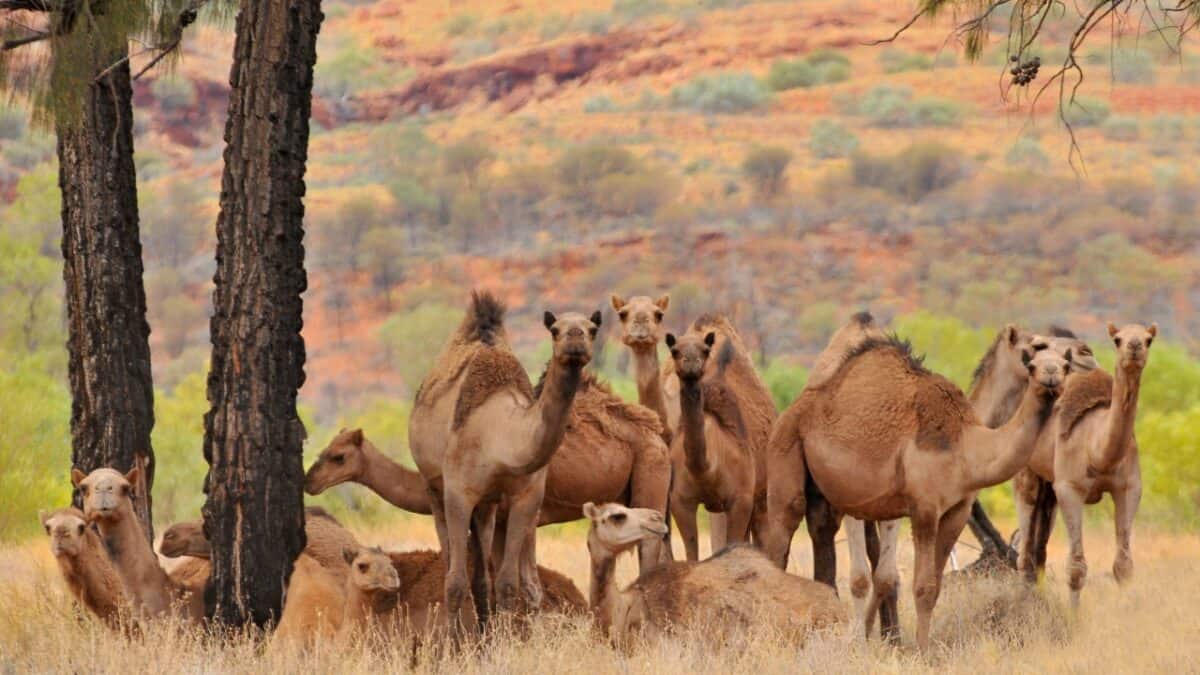
When you picture Australia, you imagine kangaroos and koalas, but camels? Yep, they’re in the Outback too! Imported in the 1800s for railway construction, these humped giants now outnumber those in their desert homeland, with over 1 million roaming the Outback. Some companies offer a chance to experience the Outback like a pioneer with a camel riding adventure!
2. Thorny Devils (Moloch horridus) Eat Ants
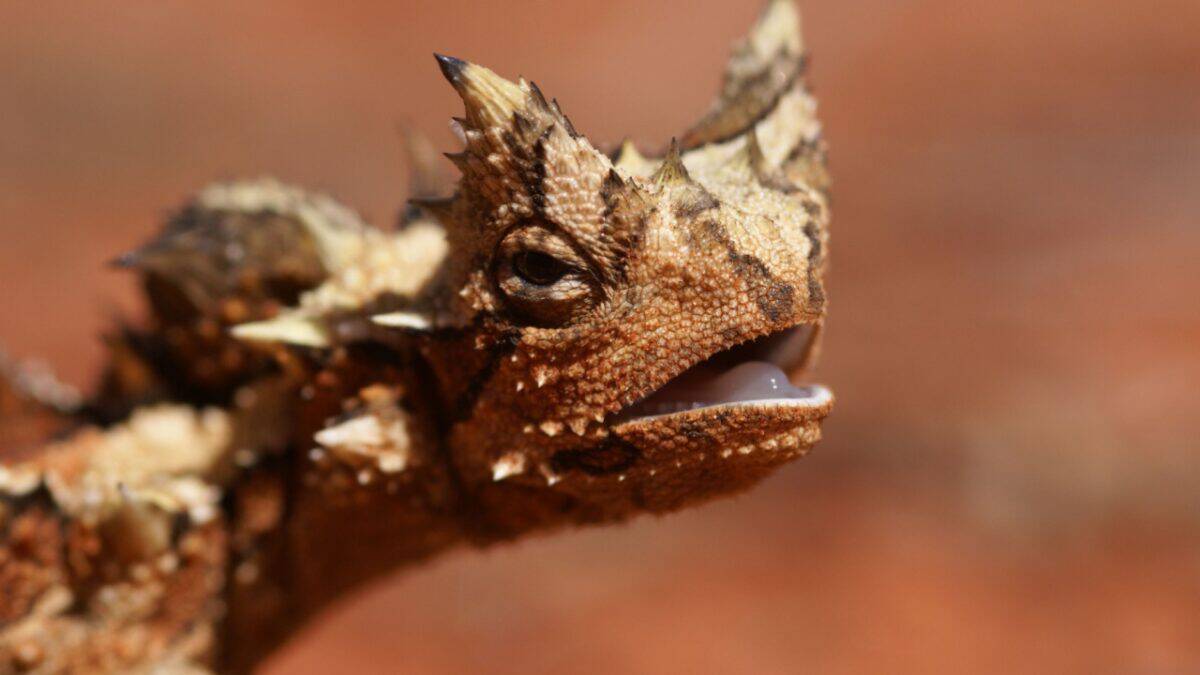
Don’t let the name fool you—Thorny Devils are gentle giants of the lizard world! With their spiky appearance and intimidating name, they might seem fierce, but these tiny creatures spend their days peacefully feasting on ants with their super sticky tongues.
Their spikes are used to collect and absorb water from morning dew! Keep an eye out for these well-camouflaged critters lurking among low-lying shrubs in sandy areas, ready to ambush their ant snacks.
3. Wild Dogs Prey on Kangaroos
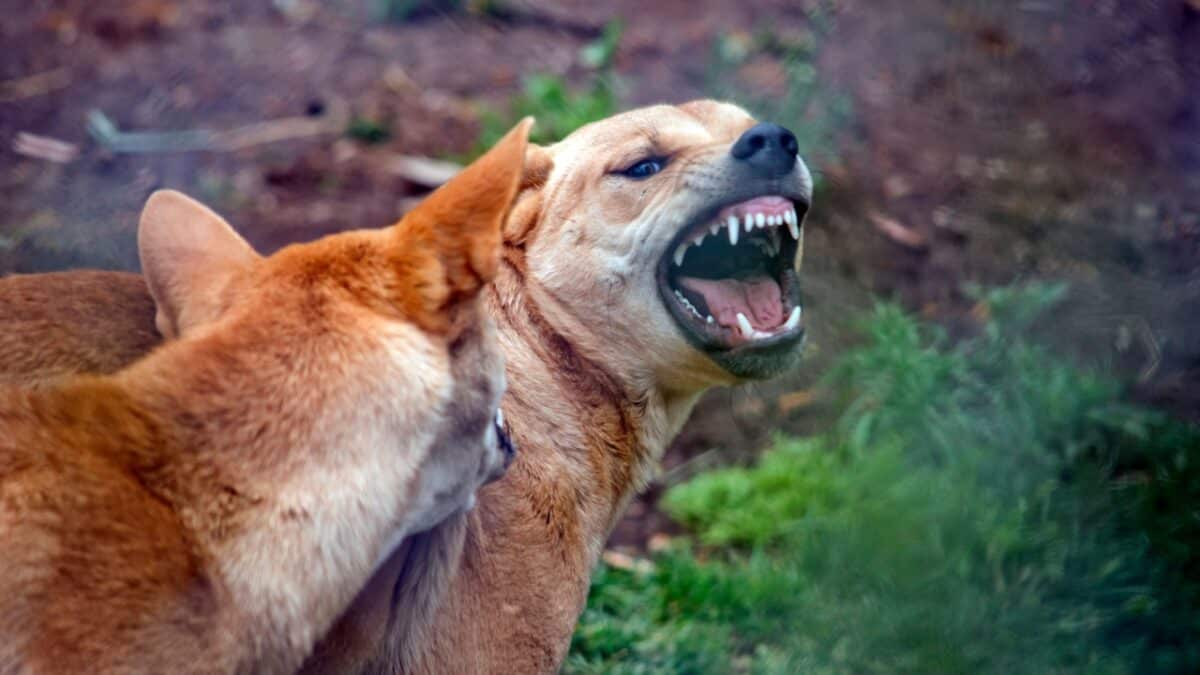
Wild dogs, known as Dingoes, have been native to Australia for millennia. These animals team up in packs to take down prey much bigger than themselves. It’s like seeing lions chase zebras on an African safari, only Down Under.
And here’s the kicker: dingoes aren’t shy about voicing their strategies. They howl, whine, and yip to communicate, creating a chorus you might catch on your Outback adventure!
4. Wombats Poop in Cubes

Ever seen a perfectly square poop? Well, wombats, those adorable little koala-looking animals poop in cubes! Unlike most animals, their intestines have special sections that mold their waste into neat little blocks as it dries out.
Wombats are territorial, and their cubed excrement is scattered around the Outback to mark their turf. Wombats are nocturnal, so daytime sightings are rare, but keep an eye out for their cube-shaped scat on your tour—it’s a tell-tale sign they’re nearby!
5. Koalas are Often Sighted in the Evening
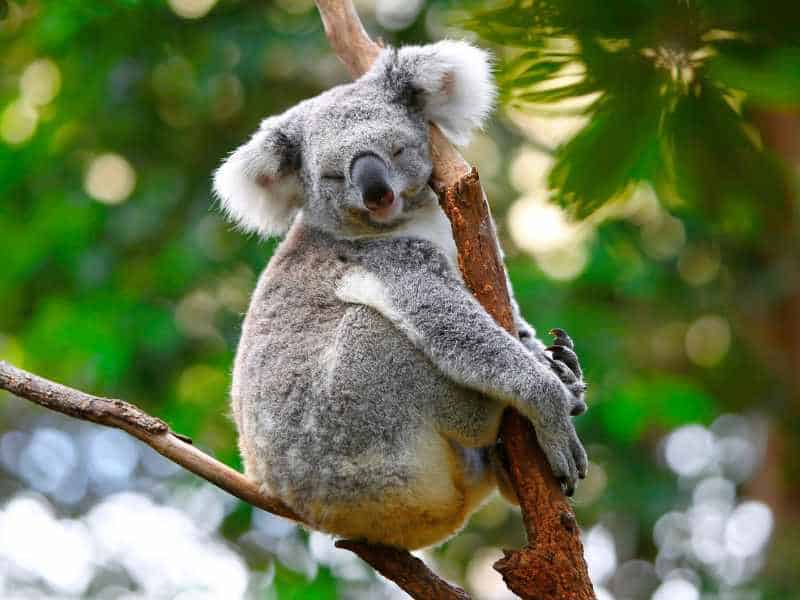
Koalas are arguably the cutest critters around! But you’ll likely only catch them in action between 5 p.m. and midnight, as they snooze for 18-20 hours a day—blame it on their eucalyptus diet – those leaves are tough to digest!
After a night of munching, they conserve energy with a long nap. Your best bet is to join the Outback tour at sunset in summer for a peek at these adorable tree-dwellers!
6. Be Careful of Saltwater Crocodiles

You might think of crocodiles chilling in Florida swamps, but in the Outback, these creatures are surprisingly at home in freshwater rivers, billabongs, and swamps on the coastlines! That’s right, they’re not just beach bums; they’re total Outback adventurers!
But don’t worry, Australian Outback Tours prioritizes safety, and croc encounters are rare. Plus, they tend to avoid humans—you’re more likely to see a cool photo than the real deal.
7. Echidnas can Adapt to Extreme Climates
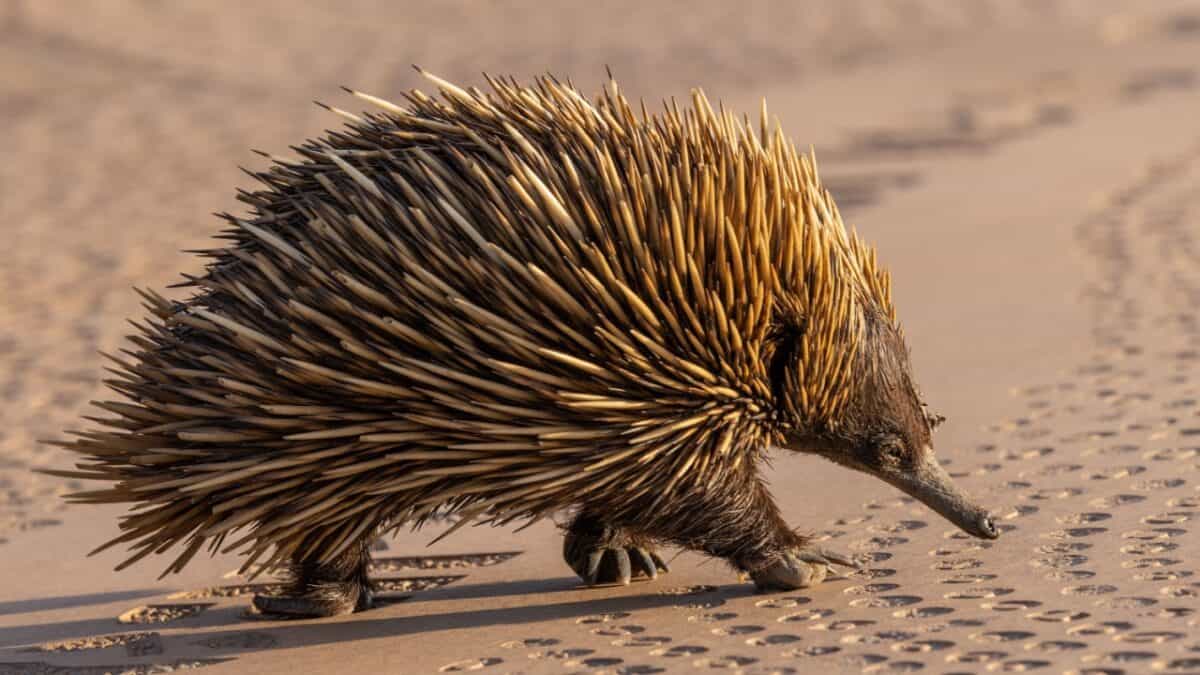
Most people wouldn’t expect anything to survive freezing mountains and scorching deserts. But echidnas are adapted to handle both extremes! Echidnas can burrow underground in seconds, protecting them from dingoes and other Outback predators.
Spotting them in the wild is a challenge, but with an expert guide on your Outback tour, you might just strike gold!
8. Kookaburra’s Laugh is Loud
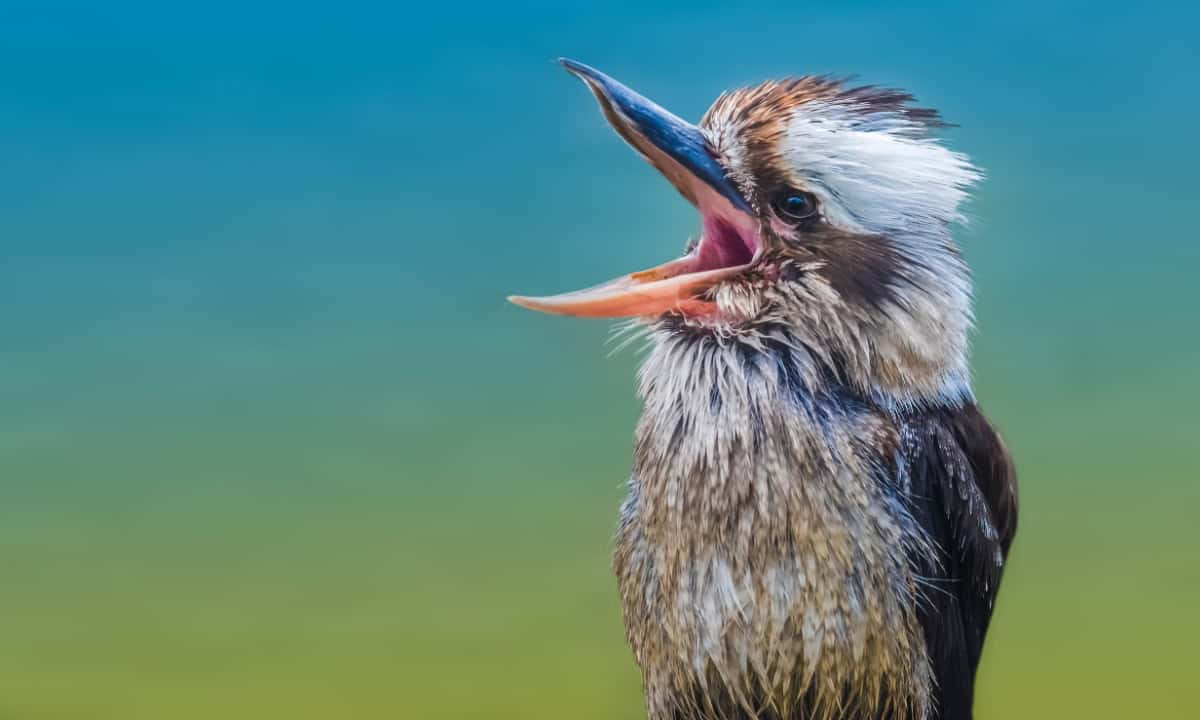
Kookaburras aren’t just cute, quiet birds; they’re also known for their raucous laugh. It’s not all happy giggles—they can screech and cackle, too, sometimes even mimicking other birds! But don’t let their friendly appearance fool you; these birds are fierce hunters.
With a massive beak, they swoop down to snatch up snakes, lizards, and even small mammals. Keep your eyes peeled for these kooky characters perched on branches; their blue feathers and big beaks make them easy to spot!
9. The Shrikethrush has Impressive Mimicry Skills
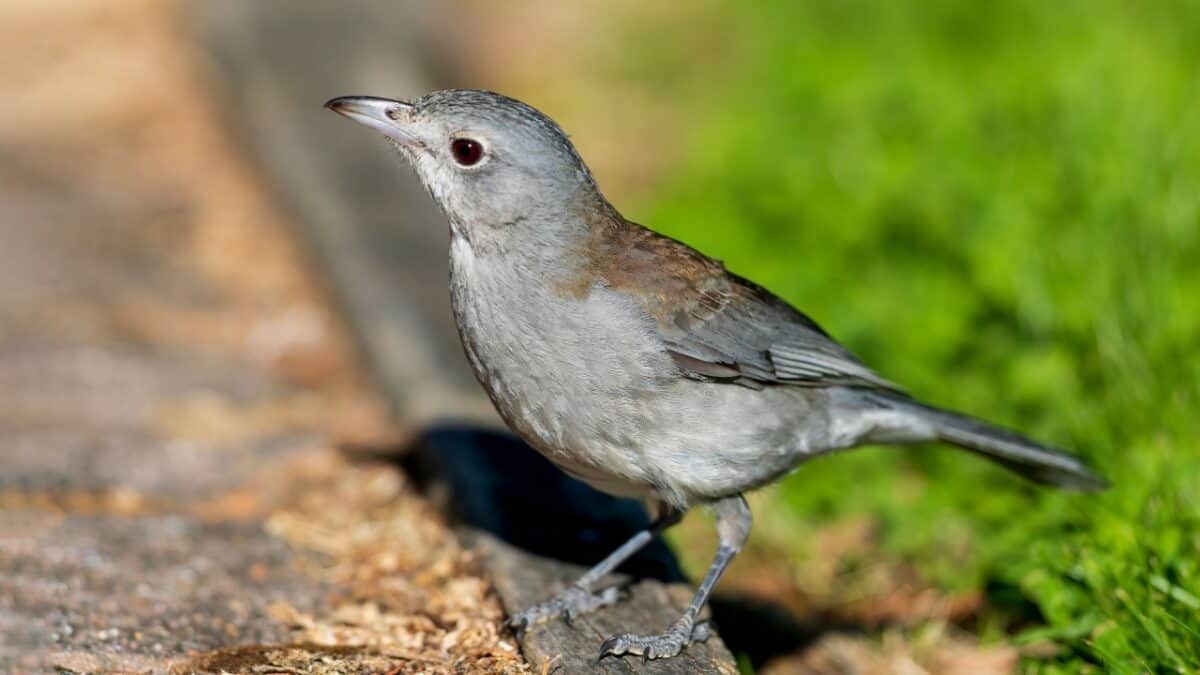
The Shrikethrush bird can copy the calls of other birds and even mammals like dingoes. These talented birds use their mimicking abilities to lure insects and worms closer with familiar sounds, then, SNAP! The Shrikethrush gets a yummy snack.
They’re actually quite bold and curious birds, so you might get to see one up close on your Outback Tour, especially if you’re having a picnic lunch!
10. Frilled Neck Lizards Transform into Mini Dragons
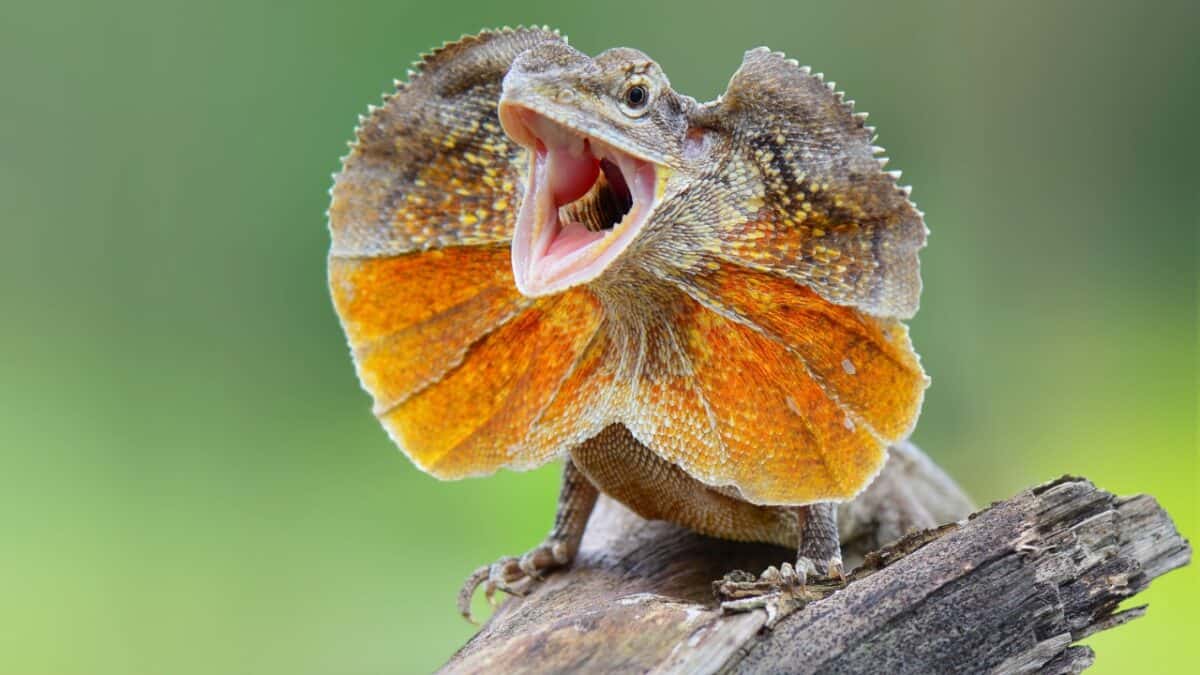
Meet the Outback’s mini-dragon—the frilled lizard! One meter long and equipped with a frill that expands like an umbrella, these reptiles are masters of disguise. Camouflaging seamlessly into tree bark, they’re a challenge to spot. But keep your eyes peeled – you might catch a glimpse of this impressive creature on the move!
11. Wallabies can Leap 13 feet between Rocks
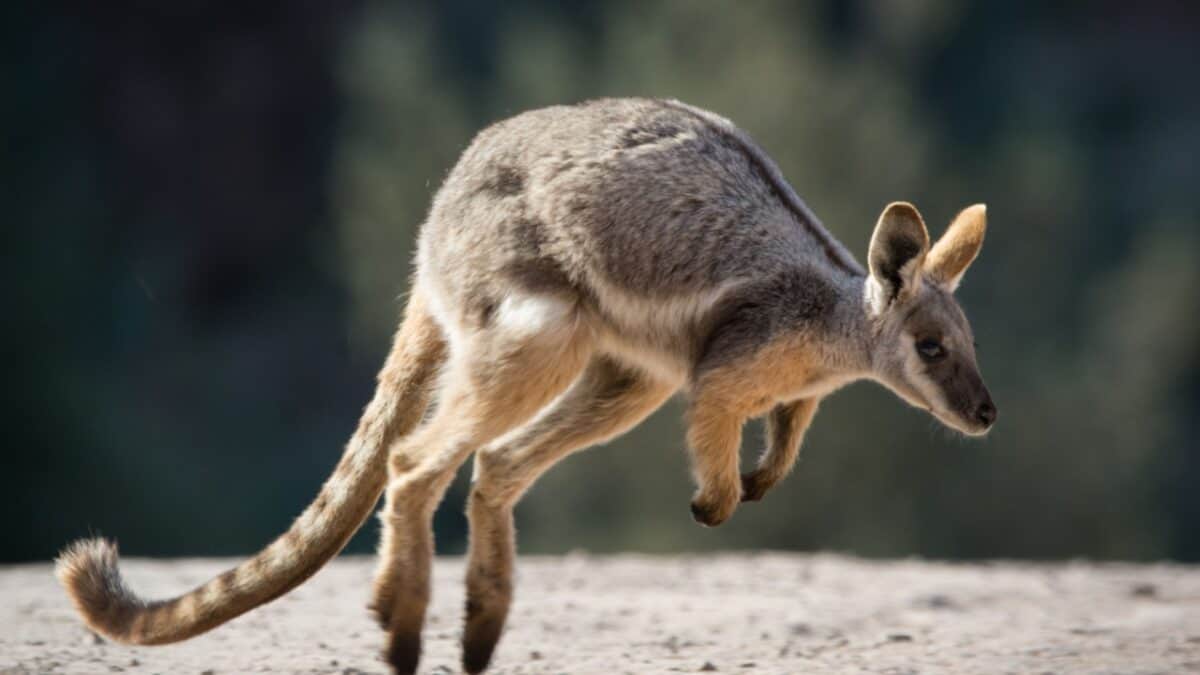
Forget clumsy kangaroos; these wallabies are the agile acrobats of the Outback, leaping up to 13 feet between rocks and even scaling trees for snacks! Some dart across mountain peaks at dusk or soak up the sun on warm rocks during Aussie winters. And when the outback sizzles, they become nocturnal, making them perfect stars for a nighttime wildlife tour!
12. The Wedge-tailed Eagle is Australia’s Largest Living Bird
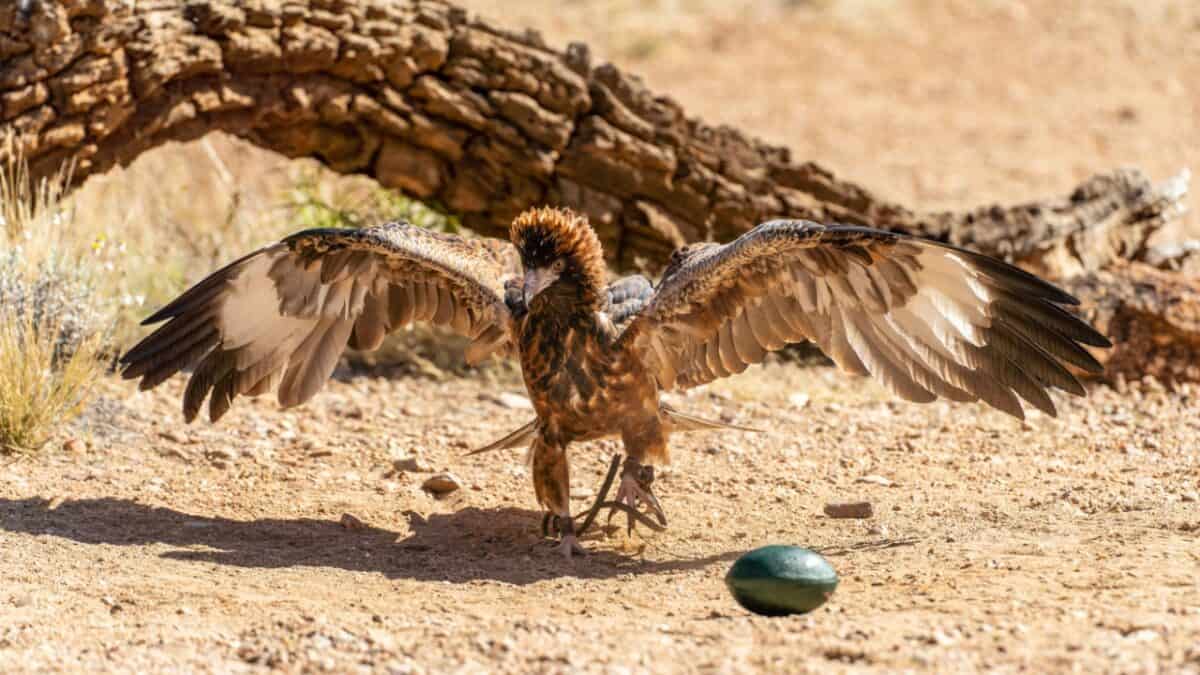
Who would want to miss a bird with wings wider than a car? That’s right, the Wedge-tailed Eagle has a wingspan of up to 8 feet. These majestic animals are Australia’s top predators, armed with sharp talons and incredible eyesight. With their wedge-shaped tails for precision flying, they’re an impressive sight to see during your Outback tour.
13. The Spinifex Pigeon Raises One Leg while Resting
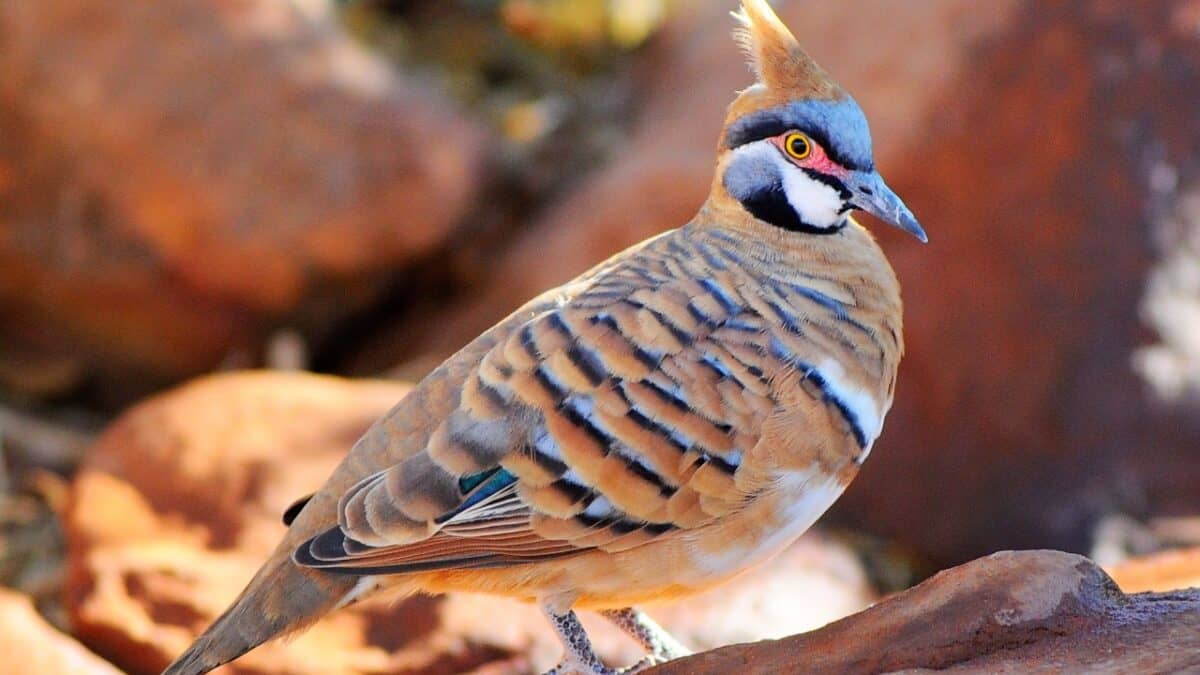
Some tourists say that Spinifex pigeons look like they’re doing bird yoga while resting! But they have a reason for that pose: The Outback sun is scorching, and by raising one leg, the pigeon exposes its cooler underside to the breeze. These birds are common in the Outback, so with a little patience, you might just see a bunch of them taking it easy with one leg up.
14. Frogs Bury Themselves to Fight Dehydration
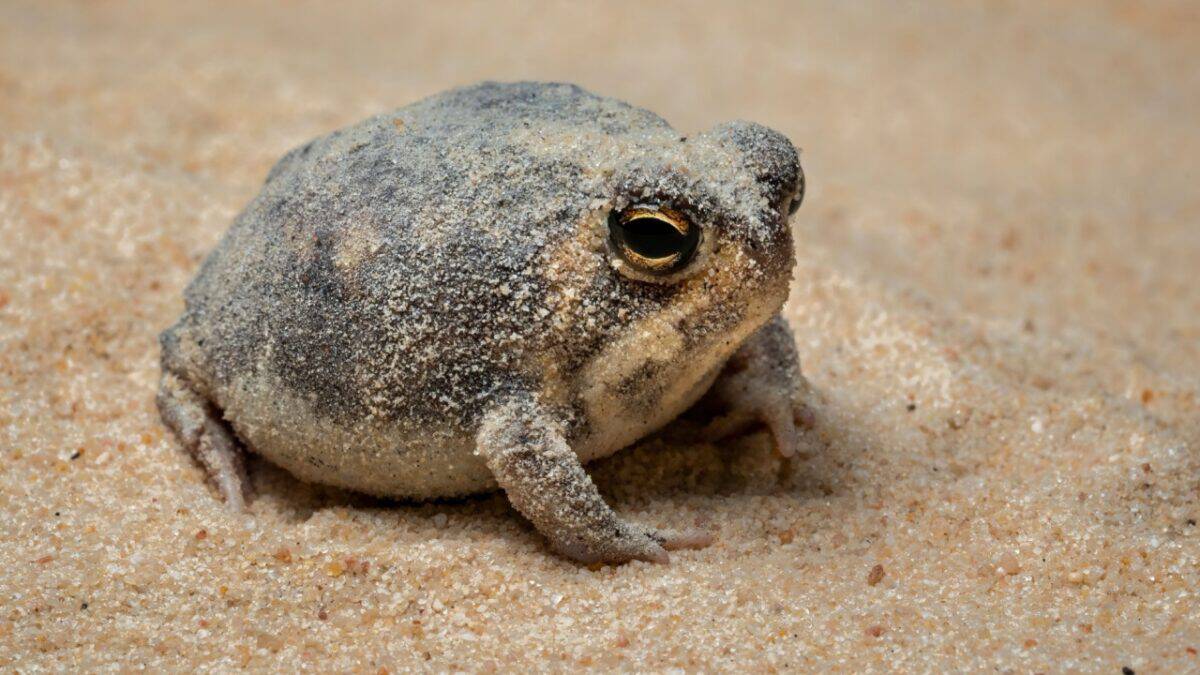
Unlike most frogs, which love hopping around, these small desert-dwelling frogs grow up to 5 cm long and burrow beneath the surface. They secrete a special goo that hardens around them, creating a waterproof sleeping bag underground. When the rain arrives, they emerge with a chorus of croaks, celebrating their escape from their subterranean slumber.
15. The Inland Taipan is the Deadliest Snake
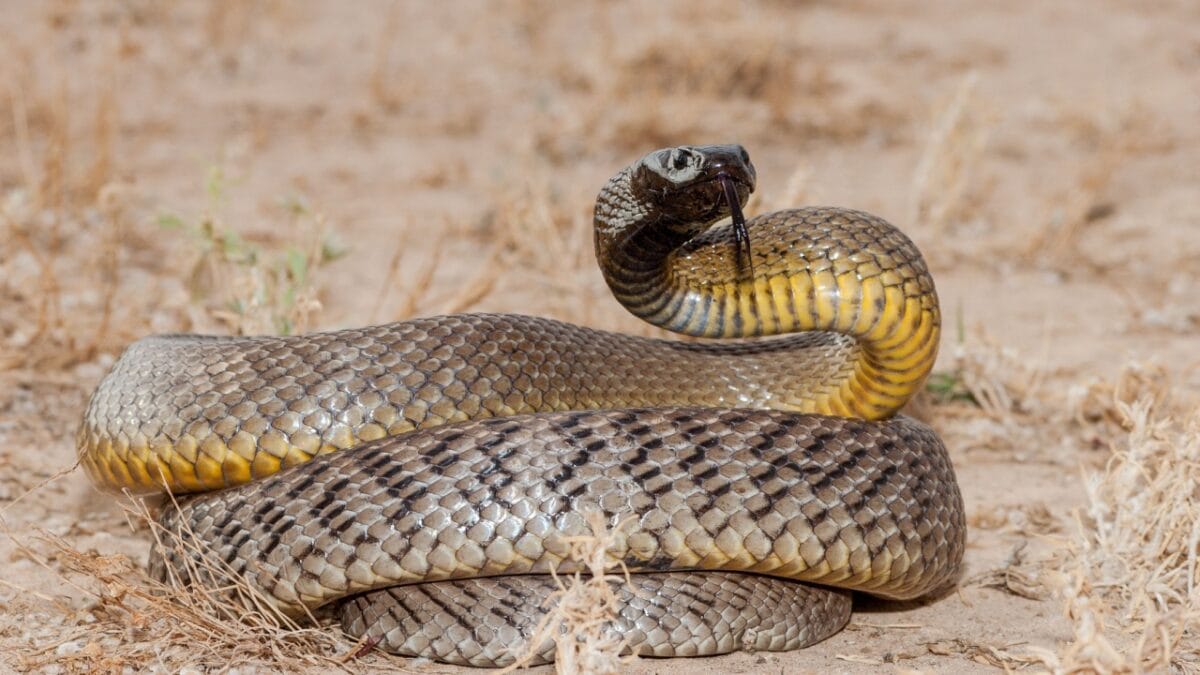
While the Inland Taipan’s venom is strong enough to kill within 30-40 minutes, they’re solitary hunters and live in remote areas. Thankfully, it’s very rare for them to come near humans.
Their diet revolves around brown rats. Thanks to their remarkable metabolism, they feast when rodents are plentiful and endure long stretches without food. These snakes can also change color with the seasons, blending into the dry earth in summer and absorbing heat with a darker hue in winter.
16. Sand Goannas are Expert Excavators
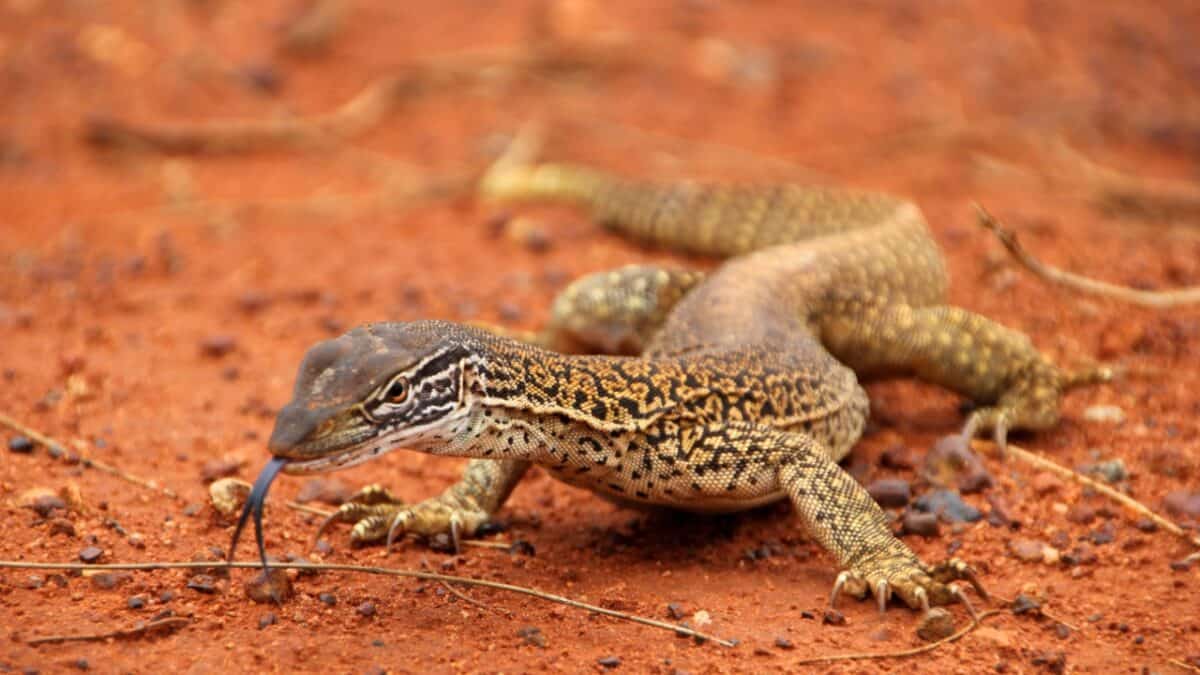
Sand Goannas are like reptilian architects. Their burrows are more than just holes – they’re like air-conditioned homes! They dig them strategically to reach cooler layers of earth, escaping the hot Outback sun. Look for them, basking in the cooler mornings or evenings.
Despite their prehistoric appearance, they’re more afraid of you than you are of them. But don’t expect to catch them digging – that happens underground!
Sources: World Atlas, Australian Wildlife Journeys, Aboriginal Art UK