15 Incredible Animal Migrations You Need to Witness

The natural world is filled with awe-inspiring phenomena, but few are as captivating as the epic migrations of animals across the globe. These incredible journeys, often spanning thousands of miles, showcase countless species’ resilience, determination, and sheer willpower.
Witnessing these migrations, from the plains of Africa to the icy waters of the Arctic, offers a unique glimpse into wildlife’s survival instincts and natural rhythms. Whether it’s the thunderous herds of wildebeest, the delicate flutter of monarch butterflies, or the majestic leaps of salmon, these migrations are a testament to the enduring spirit of the animal kingdom.
In this list, we explore some of the most remarkable migrations that nature enthusiasts and travelers alike should strive to witness at least once in their lifetime.
1. The Great Wildebeest Migration

The Great Wildebeest Migration is one of the planet’s most famous and awe-inspiring natural events. Each year, over 1.5 million wildebeest, accompanied by hundreds of thousands of zebras and gazelles, journey across the Serengeti in Tanzania and the Maasai Mara in Kenya in search of fresh grazing pastures.
This cyclical journey covers approximately 1,800 miles and is driven by the seasonal rains and the subsequent growth of lush grasses.
Where to Witness It
The best places to witness the Great Wildebeest Migration are in the Serengeti National Park and the Maasai Mara National Reserve. The migration occurs year-round but can be seen in different parts of the Serengeti and Maasai Mara, depending on the time of year.
The river crossings, particularly the Mara River, are some of the most dramatic migration moments, typically between July and October.
2. Monarch Butterfly Migration

Monarch butterflies travel up to 3,000 miles from North America to central Mexico yearly. These delicate insects are known for their bright orange and black wings and incredible endurance.
Monarchs east of the Rocky Mountains migrate to the Sierra Madre Mountains in Mexico, while those west of the Rockies head to the California coast.
Where to Witness It
You can visit the Monarch Butterfly Biosphere Reserve in Mexico between November and March to witness the Monarch butterfly migration.
In California, the Monarch butterflies can be seen in coastal groves such as Pacific Grove and Pismo Beach from October to February.
Read more about Rocky Mountain National Park
3. Humpback Whale Migration
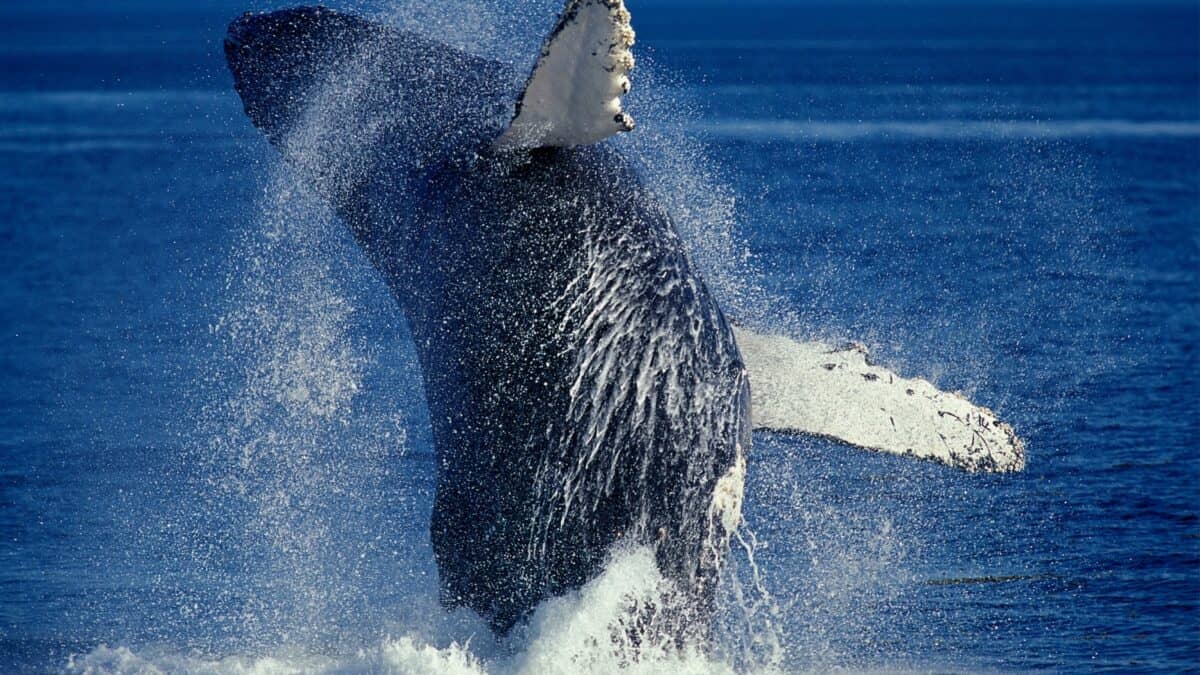
Humpback whales embark on one of the longest migrations of any mammal, traveling up to 5,000 miles each way. These majestic giants move between their feeding grounds in the polar waters of the North Pacific and North Atlantic and their breeding grounds in the warmer tropical and subtropical waters.
Where to Witness It
Humpback whale watching is popular worldwide. In North America, the best places include Alaska (June to September), Hawaii (December to April), and the coasts of Massachusetts and Maine (April to October).
In the Southern Hemisphere, they can be seen off the coast of Queensland, Australia (June to November), and in Tonga (July to October).
Read the stunning Hawaii Waterfall Hikes
4. The Sardine Run

The Sardine Run is a spectacular marine event that occurs along the coast of South Africa. Billions of sardines migrate northward from the cold waters of the Agulhas Bank to the warmer waters of KwaZulu-Natal.
This migration attracts a plethora of predators, including dolphins, sharks, and seabirds, creating a dramatic feeding frenzy.
Where to Witness It
The best place to experience the Sardine Run is along the eastern coast of South Africa, particularly from Port Elizabeth to Durban.
The migration typically takes place from May to July. Adventure tours and diving excursions are available to get up close to this incredible natural event.
5. Red Crab Migration on Christmas Island

Every year, millions of red crabs migrate from the forest to the coast of Christmas Island to breed and release their eggs into the sea. This migration is a spectacular sight, with crabs carpeting the ground and roads in a sea of red. The timing of the migration is tied to the lunar cycle and the arrival of the monsoon rains.
Where to Witness It
Christmas Island, located in the Indian Ocean, is the best place to witness the red crab migration. The migration usually occurs between October and December. The island’s national park offers guided tours and viewing platforms to observe this unique event.
6. Arctic Tern Migration

The Arctic tern holds the record for the longest migration of any bird, traveling from its breeding grounds in the Arctic to its wintering grounds in the Antarctic. This incredible journey can span up to 44,000 miles round trip. Arctic terns experience two summers each year and see more daylight than any other creature on Earth.
Where to Witness It
Arctic terns can be seen in their breeding colonies in the Arctic regions of North America, Europe, and Asia from May to August. In the Southern Hemisphere, they are best viewed around the Antarctic coast during the Austral summer months of November to February.
Read more about the safest cities in Europe
7. Caribou Migration

Caribou, also known as reindeer, undertake one of the longest terrestrial migrations in North America. Herds of caribou migrate across the tundra and boreal forests of Alaska, Canada, and Greenland, traveling up to 3,000 miles annually in search of food and suitable calving grounds.
Where to Witness It
The best places to witness caribou migrations are in Alaska’s Arctic National Wildlife Refuge and Canada’s Northwest Territories. The migration typically occurs from June to September, with peak viewing times during the calving season in June and the fall migration in September.
Read the North American Landscapes That Are Well Worth A Trip
8. Gray Whale Migration
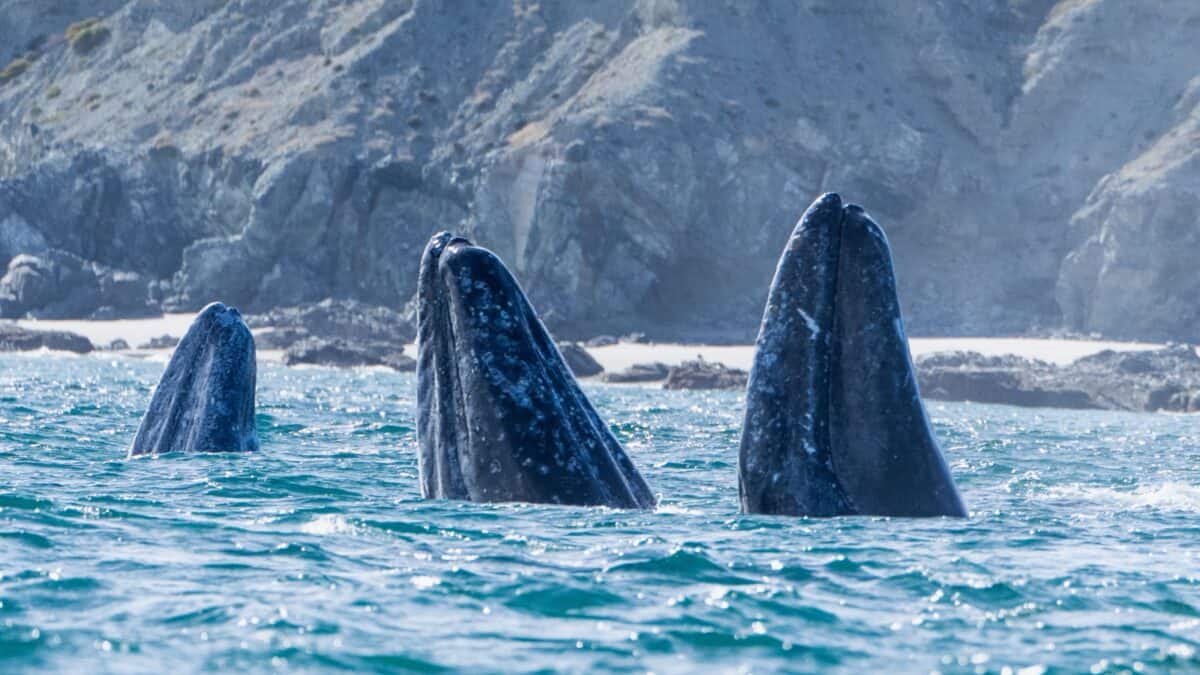
Gray whales migrate between their feeding grounds in the cold, nutrient-rich waters of the Arctic and their breeding grounds in the warm lagoons of Baja California, Mexico. This round-trip journey of up to 12,000 miles is one of the longest of any mammal.
Where to Witness It
The best places to see gray whales include the coast of California (December to April) and the lagoons of Baja California (January to March). Whale-watching tours are popular in locations such as Monterey Bay, San Diego, and the Ojo de Liebre and San Ignacio lagoons in Mexico.
Read more about San Diego, one of the Most Instagrammable Cities in the U.S.
9. Zebra Migration in Botswana

The zebra migration in Botswana is one of the lesser-known but equally impressive migrations in Africa. Thousands of zebras migrate between the floodplains of the Chobe River and the Nxai Pan National Park in search of water and fresh grazing.
Where to Witness It
The best places to witness the zebra migration are the Chobe National Park and the Makgadikgadi and Nxai Pan National Parks in Botswana. The migration typically takes place during the rainy season from November to March.
10. Bar-tailed Godwit Migration

The Bar-tailed godwit undertakes an extraordinary non-stop flight from its breeding grounds in Alaska to its wintering grounds in New Zealand and Australia. This migration covers a distance of up to 7,000 miles without stopping to feed, making it one of the longest non-stop flights of any bird.
Where to Witness It
To see Bar-tailed godwits, visit the mudflats and estuaries of New Zealand and eastern Australia from September to April. During their breeding season, they can be seen in Alaska from May to August.
Read more about New Zealand as one of the Friendliest Cities In The World
11. African Elephant Migration
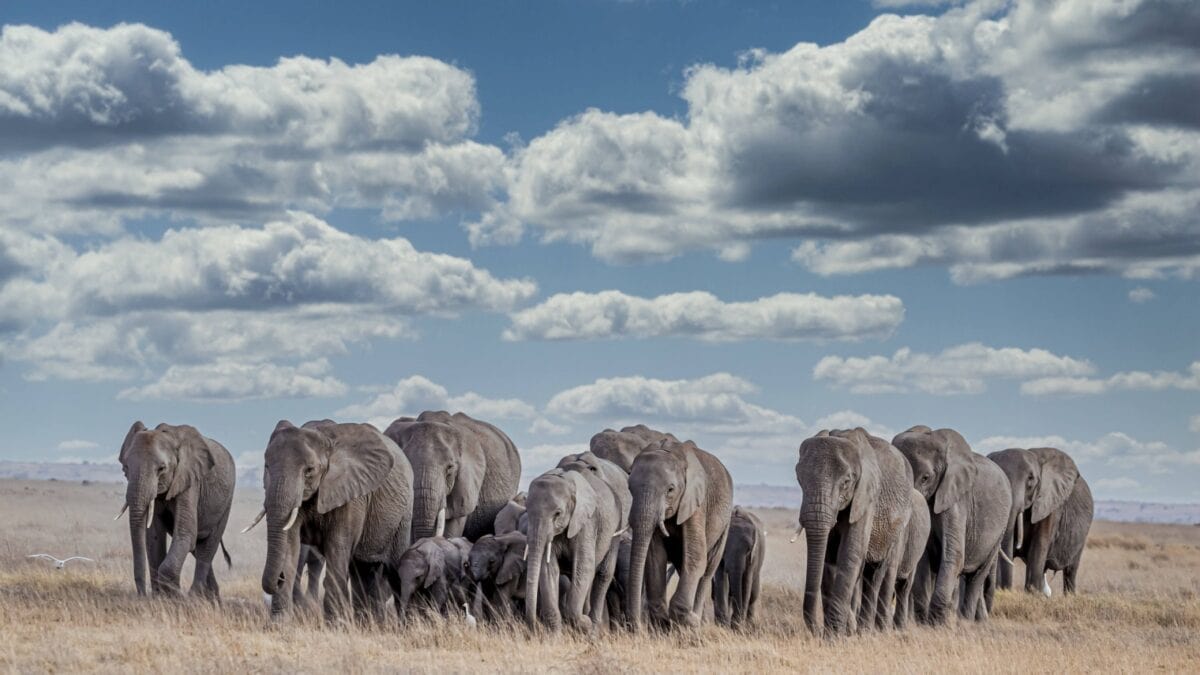
African elephants migrate seasonally across the savannas and forests of Africa, following ancient migratory routes in search of water and food. These migrations are vital for the survival of elephant herds, especially in regions where water sources are seasonal.
Where to Witness It
The best places to witness African elephant migrations include Botswana’s Chobe National Park, Tanzania’s Tarangire National Park, and Kenya’s Amboseli National Park. Migrations typically occur during the dry season from June to November when elephants move towards permanent water sources.
12. Pacific Salmon Migration
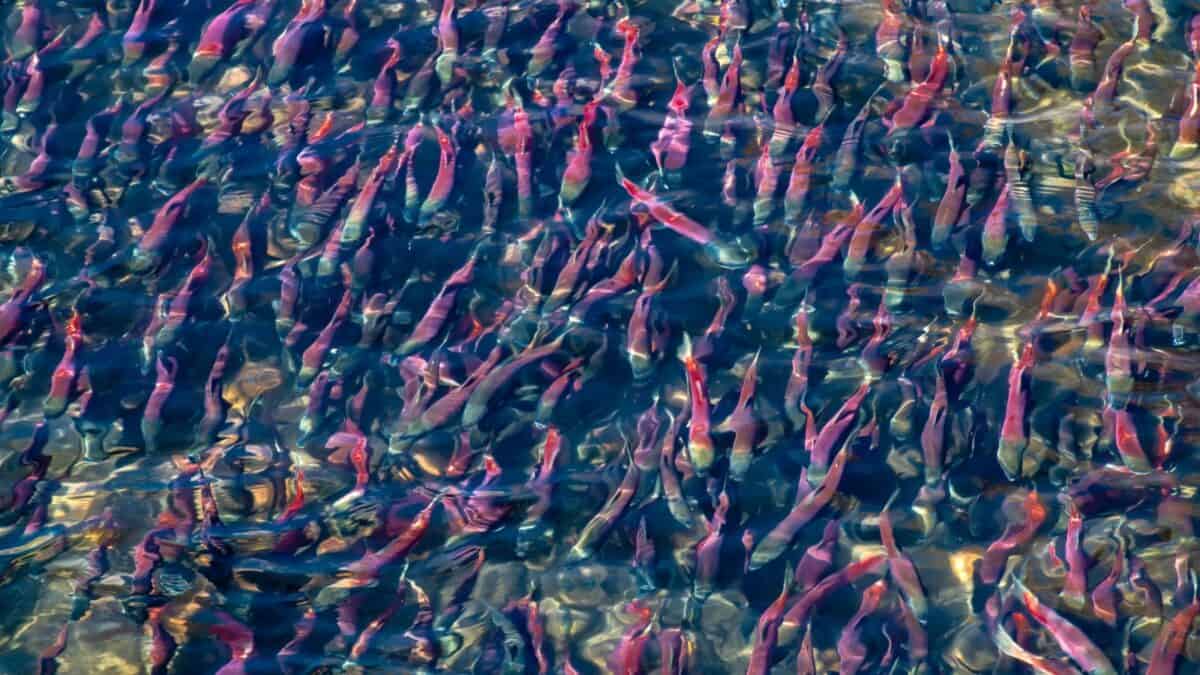
Pacific salmon undertake a grueling migration from the ocean to their freshwater spawning grounds in rivers and streams. Species such as Chinook, Coho, and Sockeye salmon swim upstream against strong currents, leaping over obstacles to reach their birthplace where they spawn and die.
Where to Witness It
The best places to witness the Pacific salmon migration are in the rivers and streams of Alaska, British Columbia, and the Pacific Northwest of the United States. Peak viewing times vary by species but generally occur from July to September.
13. Great White Shark Migration
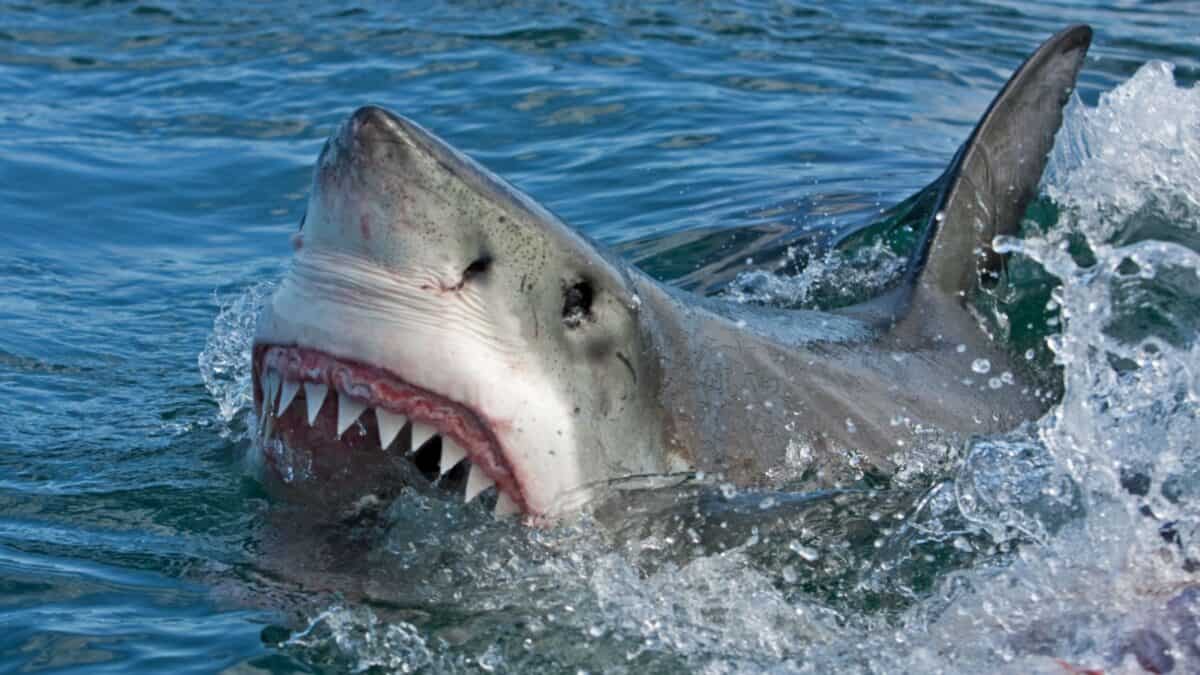
Great white sharks migrate thousands of miles across oceans, often traveling between feeding grounds and breeding sites. Some populations of great white sharks migrate from the coasts of California to the mid-Pacific, known as the “White Shark Café.”
Where to Witness It
To witness great white sharks, you can visit places like Guadalupe Island in Mexico, the Neptune Islands in South Australia, and the Farallon Islands off the coast of California. Shark diving tours are available in these locations, with peak viewing times typically between July and November.
14. Ruby-throated Hummingbird Migration
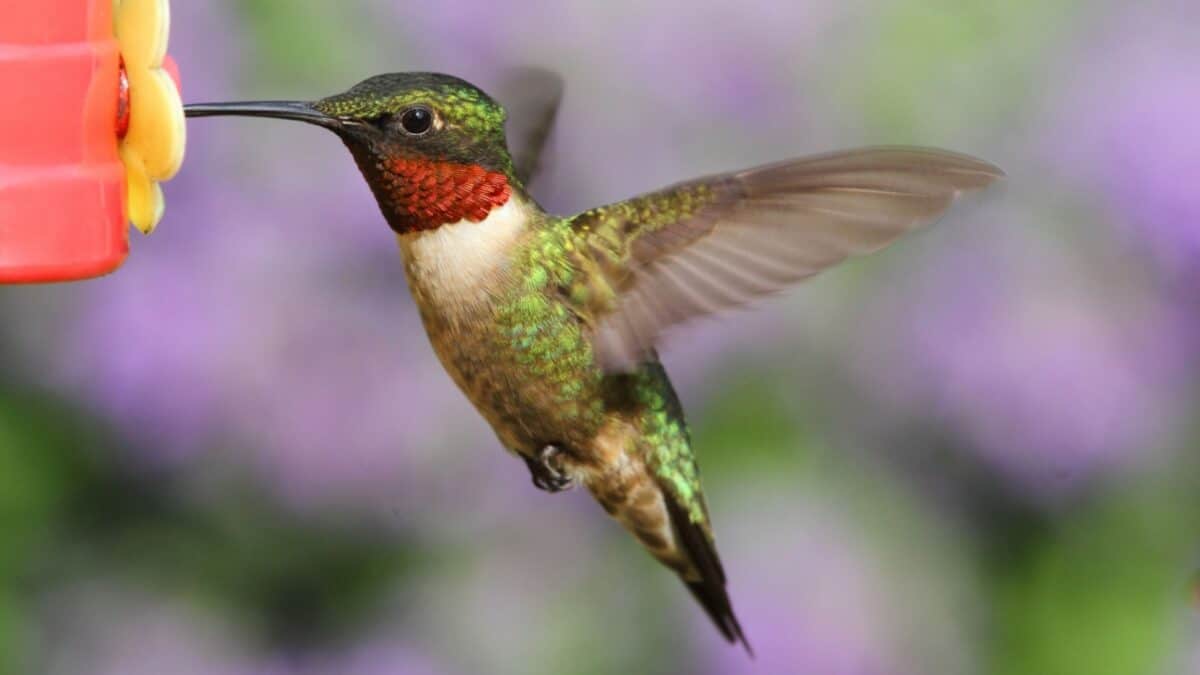
The tiny Ruby-throated hummingbird migrates from its breeding grounds in North America to its wintering grounds in Central America. This journey includes a remarkable non-stop flight over the Gulf of Mexico, a distance of up to 500 miles.
Where to Witness It
To see Ruby-throated hummingbirds, you can visit gardens and feeders across eastern North America from May to September. They can be seen in their wintering grounds in Central America from October to April.
15. Pronghorn Migration
Pronghorns, the fastest land mammals in North America, undertake long-distance migrations across the sagebrush plains and grasslands of the western United States. These migrations are essential for accessing seasonal food sources and avoiding harsh winter conditions.
Where to Witness It
The best places to witness pronghorn migrations include the Red Desert and Grand Teton National Park in Wyoming. Migrations typically occur in the spring (April to May) and fall (October to November) as pronghorns move between summer and winter ranges.