15 Laughable Things That Will Die Off With The Baby Boomers
 Chantelle Kincy
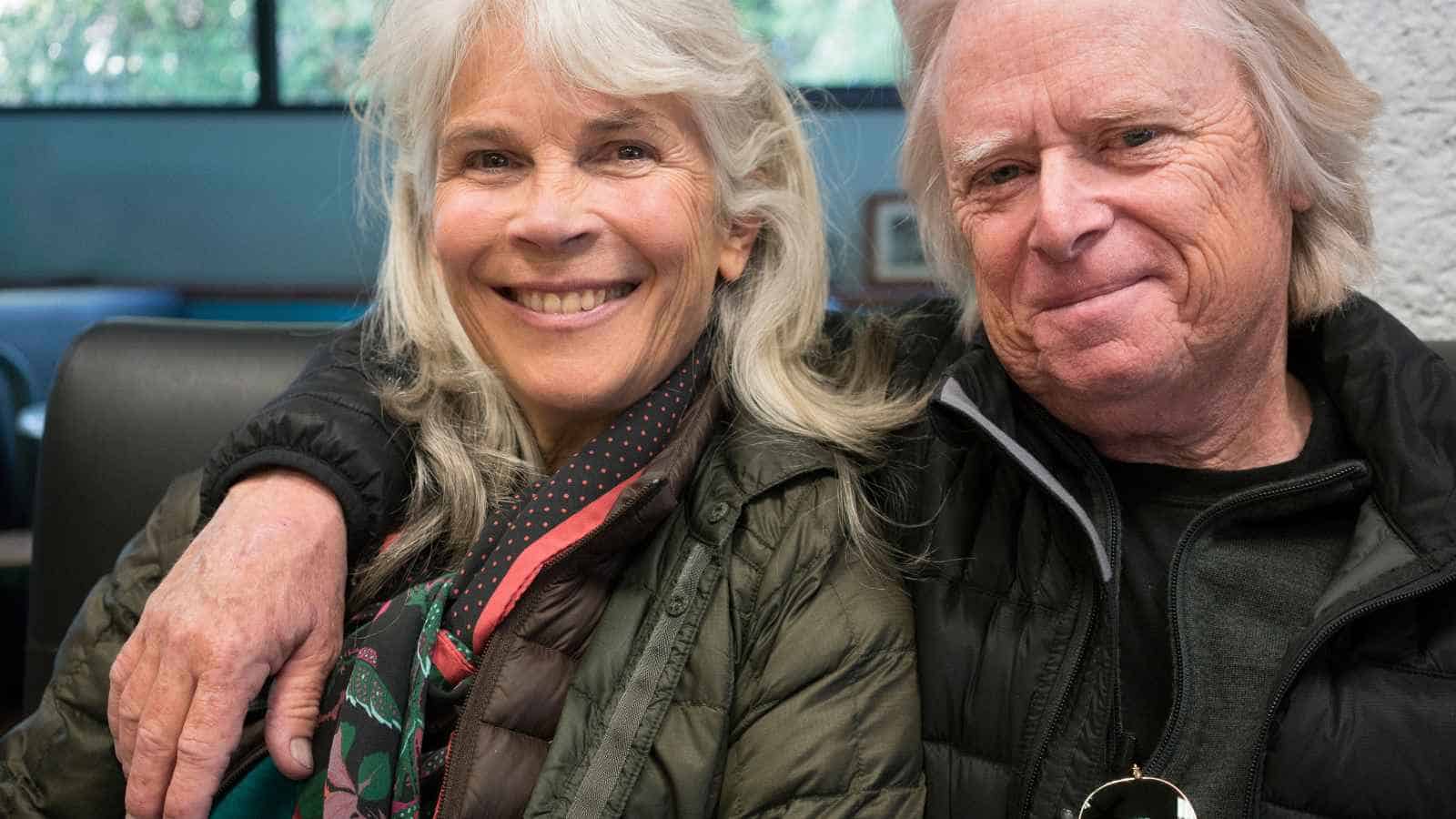
As the Baby Boomer generation gradually steps into retirement and beyond, they carry with them a wealth of experiences and cultural artifacts that have shaped society for decades.
However, they arent the only ones growing older and moving on. Many things that were used and depended on for so long, are now irrelevant in today’s society.
Landline Phones

According to a survey by the Pew Research Center, only 35% of Americans aged 65 and older have a smartphone, compared to 97% of adults under age 30. This means that as the baby boomers age, landline phones will become obsolete, and younger generations will rely solely on their mobile devices.
Cursive Handwriting

While cursive handwriting was once a staple in schools, it is no longer being taught in many education systems. With the rise of technology and typing skills becoming more essential, the need for cursive handwriting has diminished.
Traditional TV Viewing

Baby boomers grew up with only a few channels to choose from, but traditional TV viewing is declining with the rise of streaming services and on-demand content. A study by eMarketer found that younger generations spend more time watching video content on their phones than they do watching traditional TV.
Fax Machines

Fax machines may have been revolutionary in their time, but they are now considered outdated technology. As younger generations rely on email and digital communication, the need for fax machines is dwindling.
Physical Media

The baby boomer generation grew up with vinyl records, cassette tapes, and CDs. However, with the rise of streaming services and digital downloads, physical media has become a thing of the past.
Retirement at 65

As life expectancy increases and work-life balance becomes more important to younger generations, the idea of retiring at 65 is becoming less common. According to a survey by AARP, only 24% of millennials plan to retire at age 65 or earlier.
Paper Maps

With the popularity of GPS and smartphone navigation apps, paper maps are no longer necessary for finding your way around. The baby boomers may have relied on them during road trips, but younger generations have the convenience of technology at their fingertips.
Traditional Gender Roles

The baby boomer generation grew up in a time when traditional gender roles were expected and often enforced. However, with the rise of feminism and gender equality, these roles are becoming more fluid and progressive among younger generations.
Formal Dinner Parties
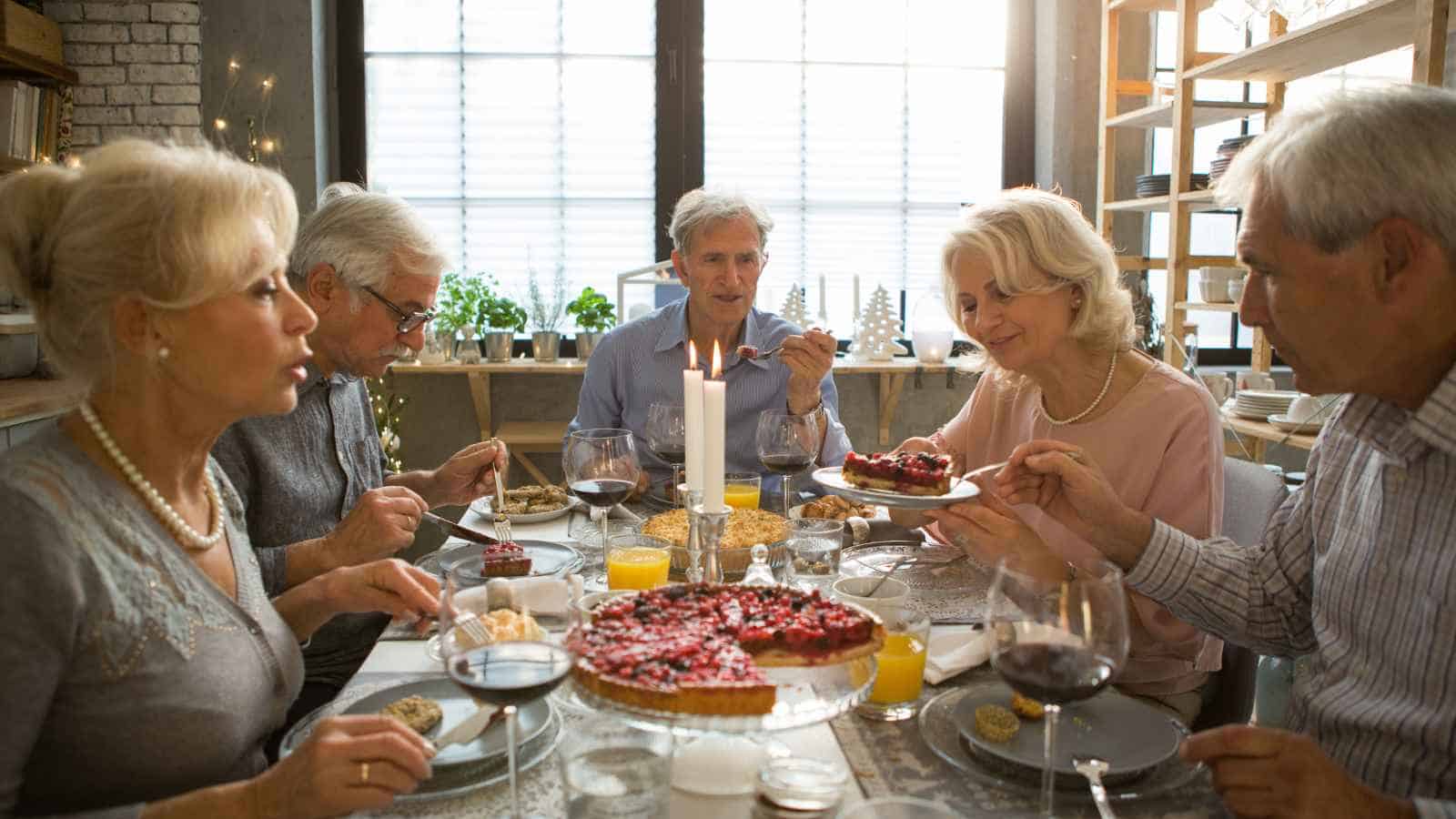
Formal dinner parties were once a popular way to socialize and entertain guests. However, with the rise of more casual gatherings and busy lifestyles, formal dinner parties are becoming less common.
Printed Photos

With the convenience of digital cameras and smartphones, printing photos has become less common among younger generations. Baby boomers may have albums filled with printed photos, but millennials often rely on digital storage and social media for sharing.
Handwritten Letters
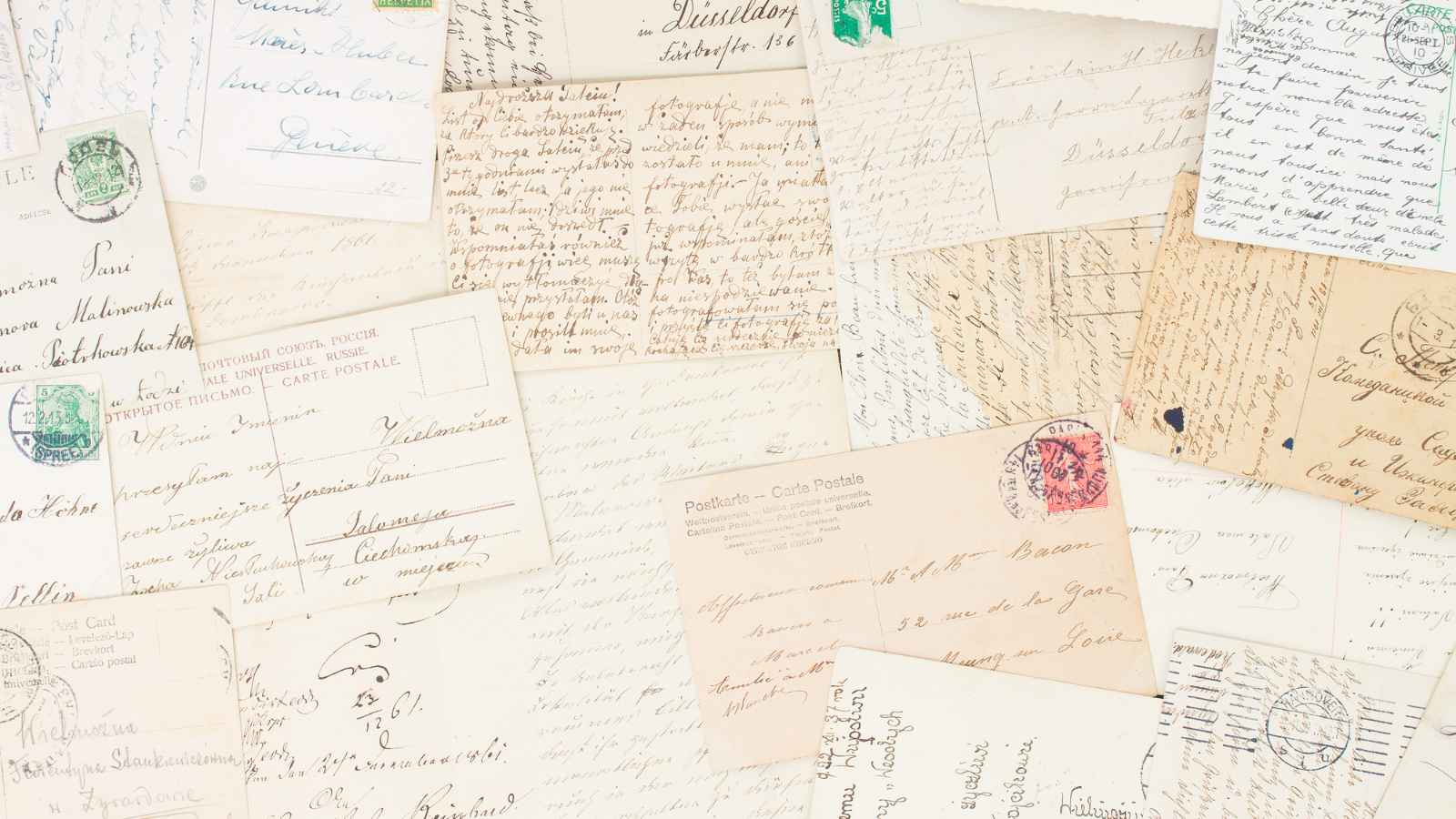
In the past, writing letters was a common way to stay in touch with loved ones who lived far away. However, with the rise of instant messaging and video calling, handwritten letters have become more of a nostalgic gesture than a practical means of communication.
Traditional Banking

While baby boomers may prefer to do their banking in person or through traditional methods, younger generations are more likely to use online and mobile banking services. This trend is only expected to continue as technology advances.
Print Newspapers
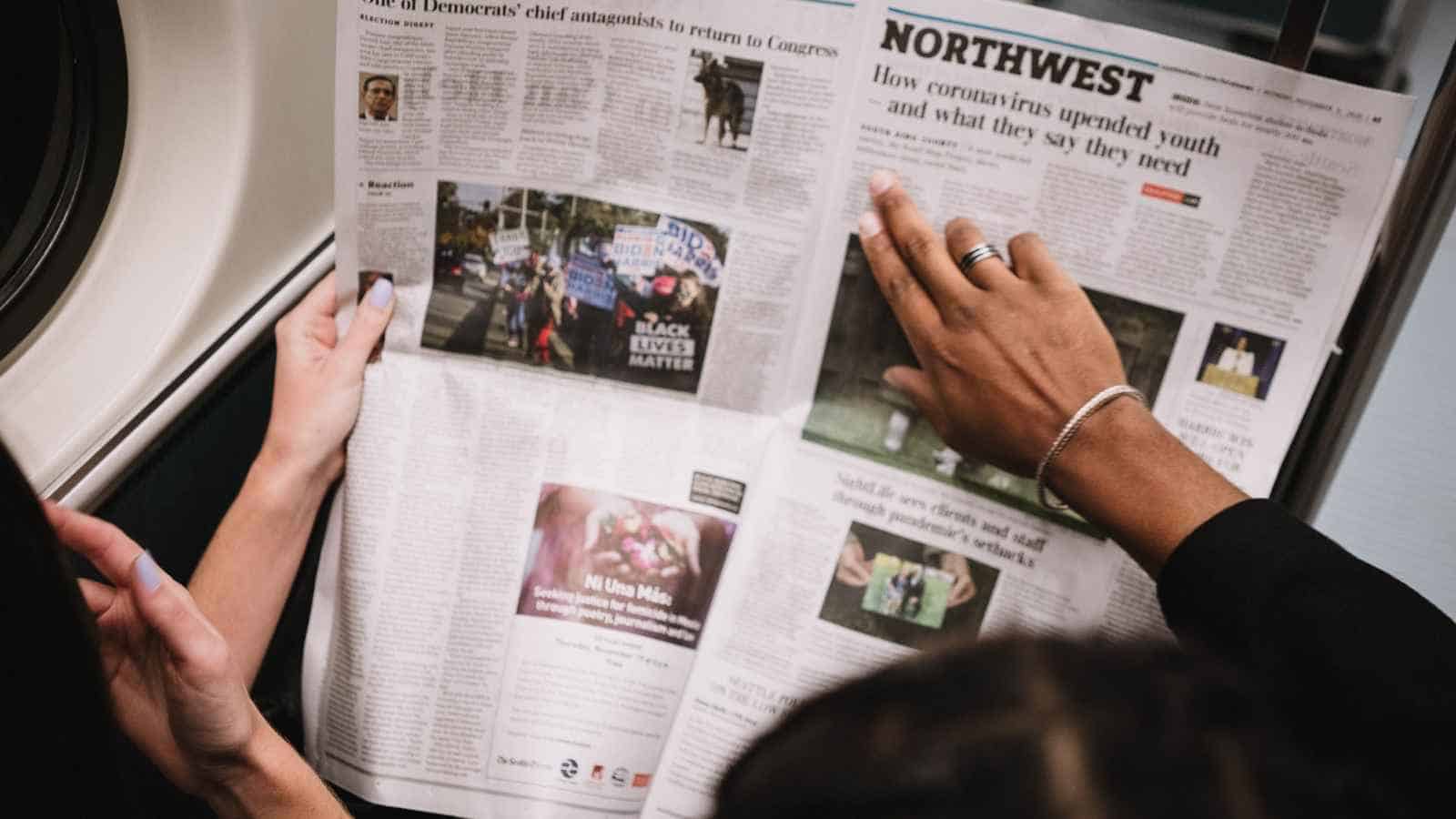
As more people turn to digital sources for news and information, print newspapers struggle to stay relevant. A survey by the Pew Research Center found that 85% of adults aged 18 to 29 get their news from online sources.
Cable TV

With the rise of streaming services and on-demand content, cable TV is becoming less popular among younger generations. A survey by Deloitte found that only 52% of millennials have a traditional pay-tv subscription.
Traditional Weddings

The baby boomer generation often had elaborate, traditional weddings with all the traditional customs and rituals. However, younger generations are opting for more casual and personalized wedding celebrations, breaking away from tradition.