15 TV Shows That Were Canceled For Strange Reasons
Over the years, television has provided countless hours of entertainment across many genres. However, not every show sees its natural conclusion. While many television series are canceled due to low ratings or high production costs, others end for much less straightforward reasons.
Here’s a look at 15 TV shows that were canceled for strange reasons, leaving fans puzzled and sometimes even outraged.
Firefly (2002)

“Firefly,” a beloved science fiction TV series created by Joss Whedon, was prematurely canceled after 11 episodes. The show’s cancellation was primarily attributed to low viewership, partly caused by an inconsistent airing schedule and a challenging time slot.
Despite gaining a cult following and critical acclaim later on, the initial broadcasting missteps contributed to the early demise of “Firefly.”
Freaks and Geeks (1999-2000)

Airing on NBC when networks quickly canceled underperforming shows, this series faced challenges due to its unique voice and tone. Although beloved by a dedicated fanbase and praised for authenticity and humor, it may not have aligned with the broader 1999 television audience’s expectations.
The show also struggled with NBC’s inconsistent scheduling, making it difficult for viewers to follow, ultimately contributing to its premature cancellation.
My Name Is Earl (2005-2009)
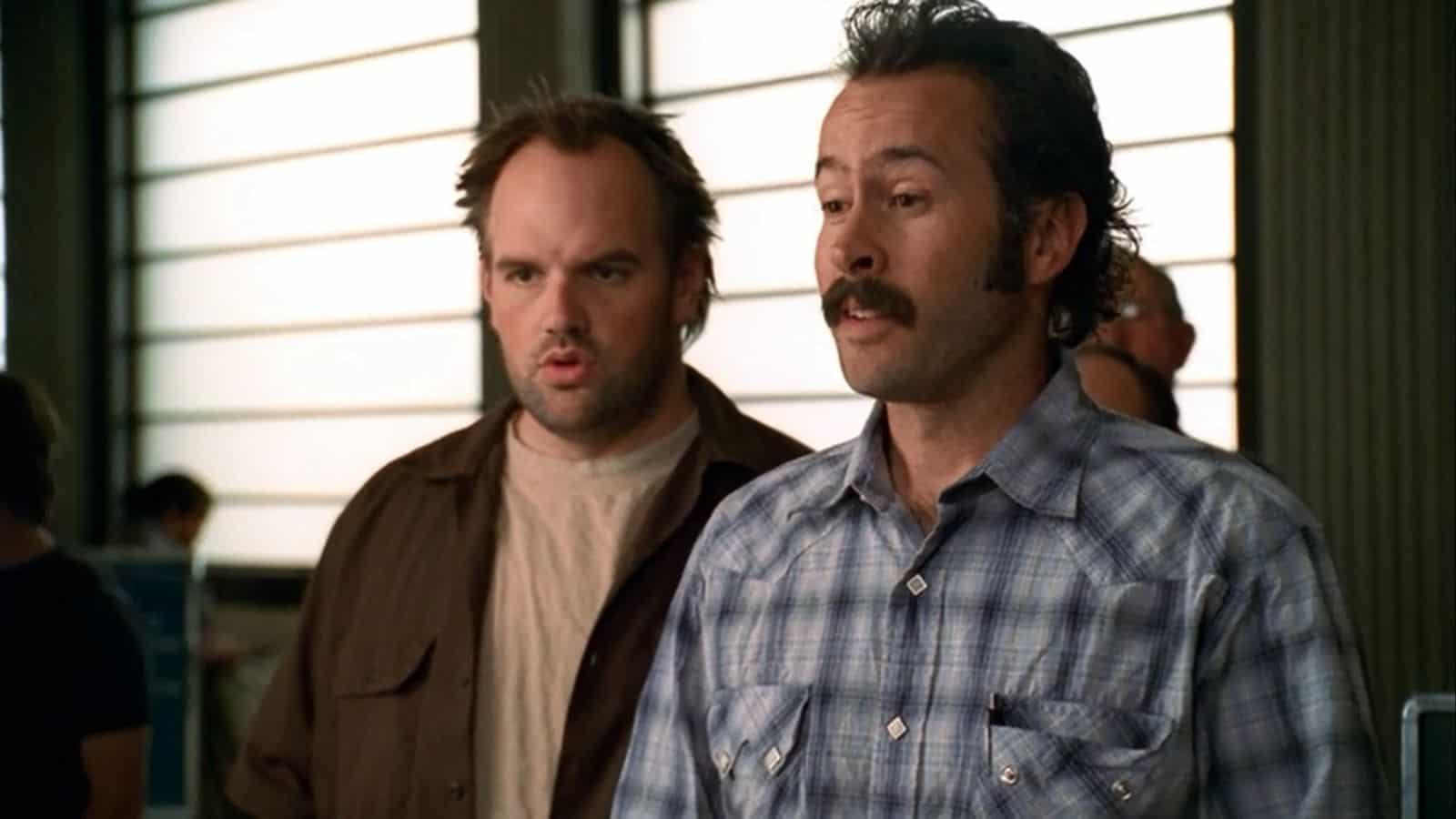
The show, well-received critically with a loyal fan base, was canceled after its fourth season due to declining ratings, a common challenge for progressing shows. The 2007-2008 Writers Guild of America strike further impacted production schedules and budgets, reducing viewership for “My Name Is Earl” and many other shows.
Despite fan efforts to revive the series or find a new network, it did not return, leaving numerous storylines unresolved.
Pushing Daisies (2007-2009)
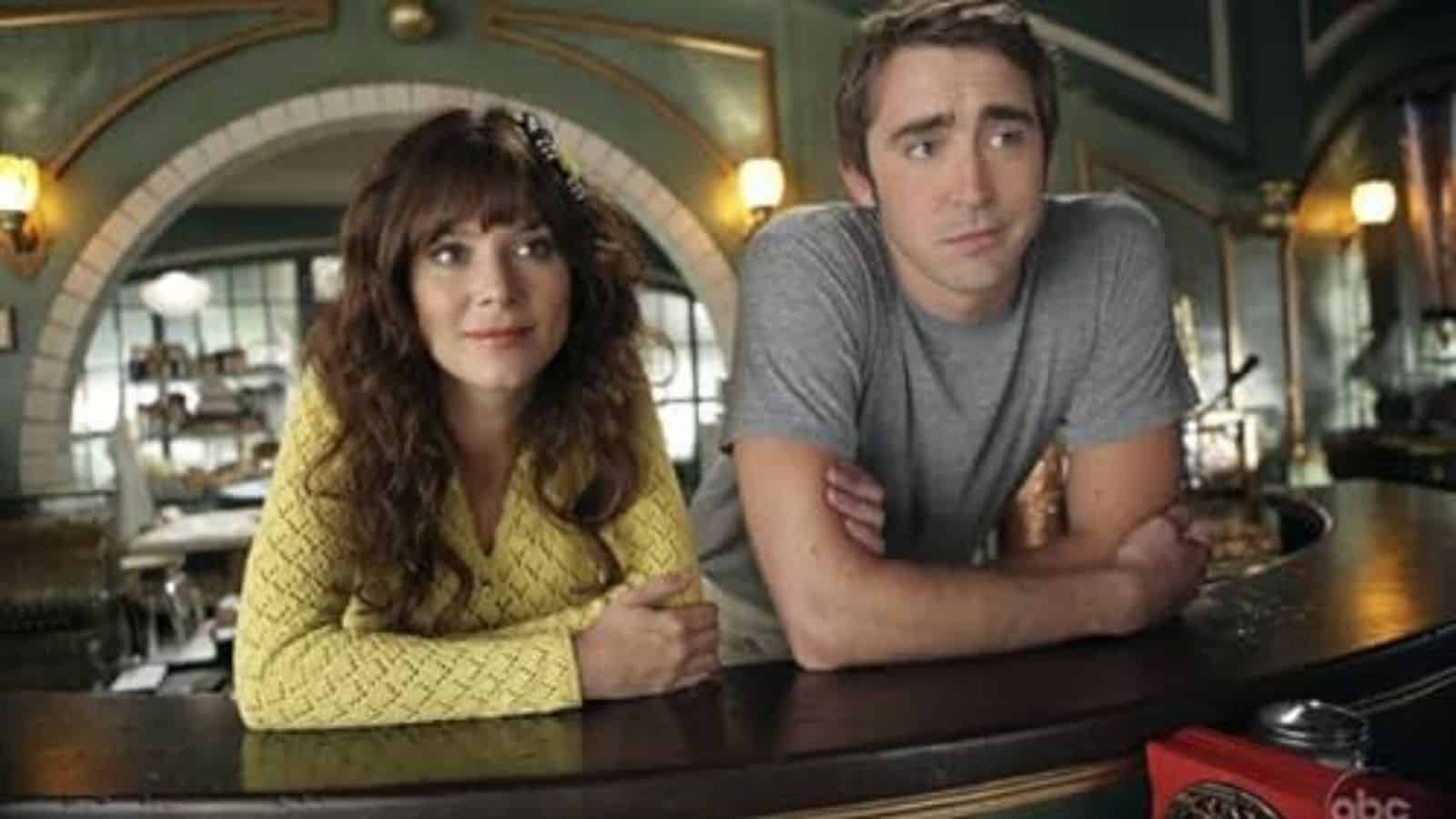
This visually stunning series was cut short after two seasons due to the 2007-2008 Writers Guild of America strike, significantly hurting its momentum.
Wonderfalls (2004)
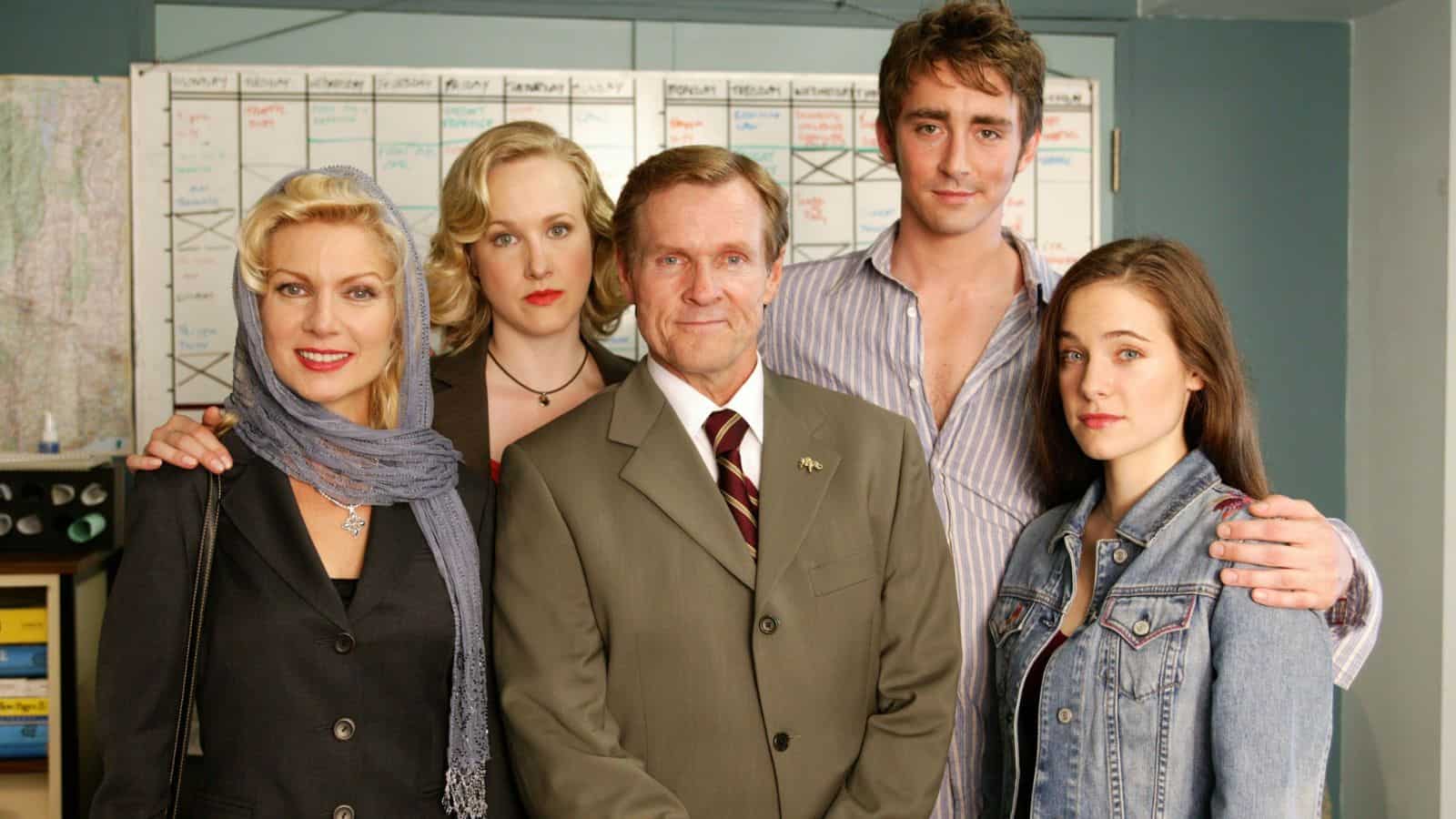
Despite critical acclaim, this quirky show struggled with its time slot and marketing, leading to its cancelation after just a few episodes aired.
Rome (2005-2007)
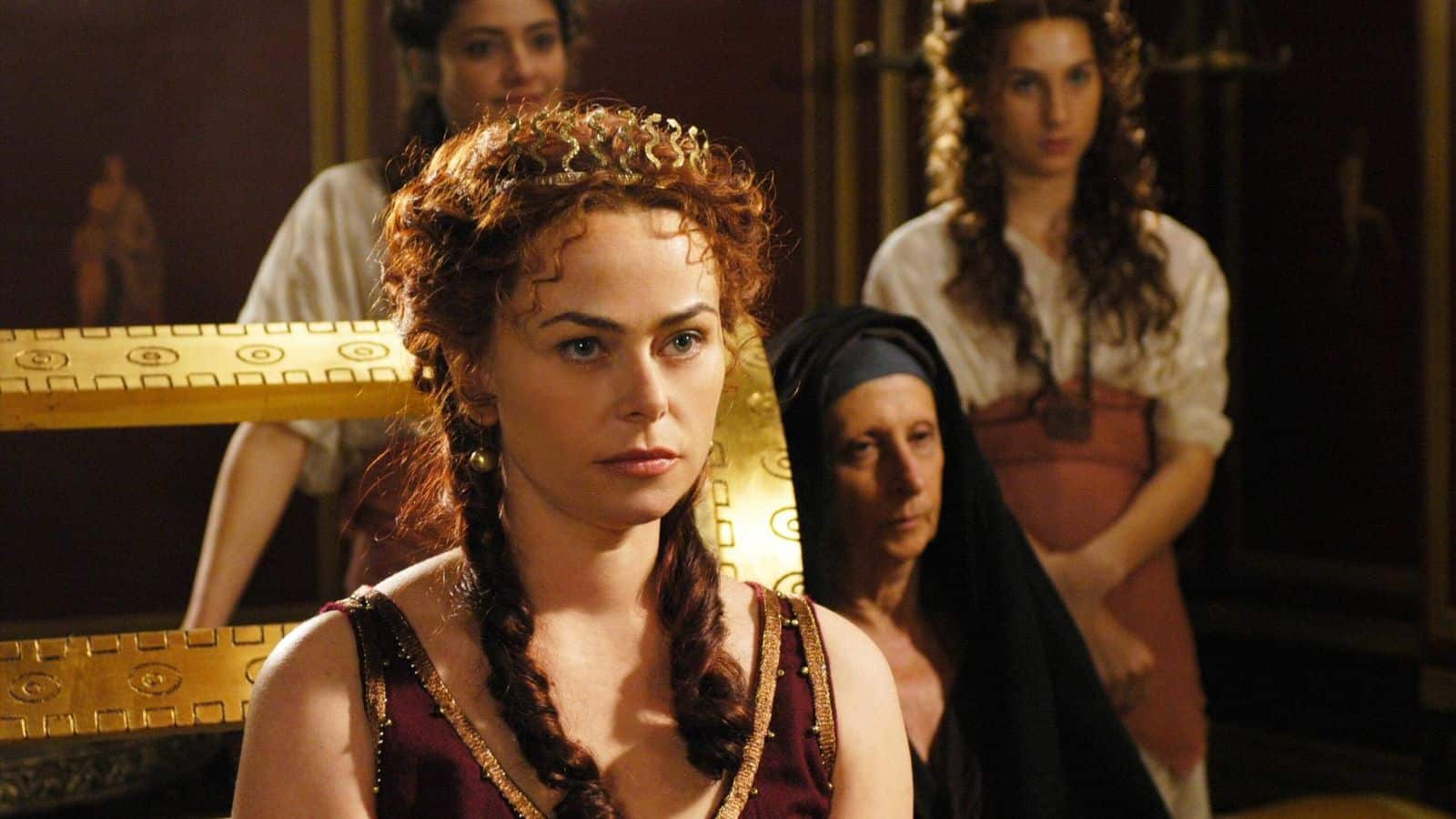
This series was canceled after two seasons due to high production costs associated with elaborate sets, historically accurate costumes, and large-scale battle scenes. These costs made long-term financial sustainability challenging. Additionally, being a co-production between HBO and the BBC posed coordination challenges.
Despite its premature end, “Rome” is remembered fondly for its intricate storytelling and impressive production values, leaving a lasting legacy among fans of historical dramas.
Deadwood (2004-2006)

“Deadwood,” the acclaimed Western drama on HBO from 2004 to 2006, faced an unexpected cancellation after its third season, attributed to high production costs and complex negotiations between HBO and creator David Milch. Despite its short run, the show gained devoted fans and critical acclaim for its rich storytelling, complex characters, and historical authenticity.
The abrupt end left unresolved storylines, but a follow-up movie in 2019 provided a more satisfying conclusion to the “Deadwood” saga, reviving the show’s legacy.
Carnivàle (2003-2005)
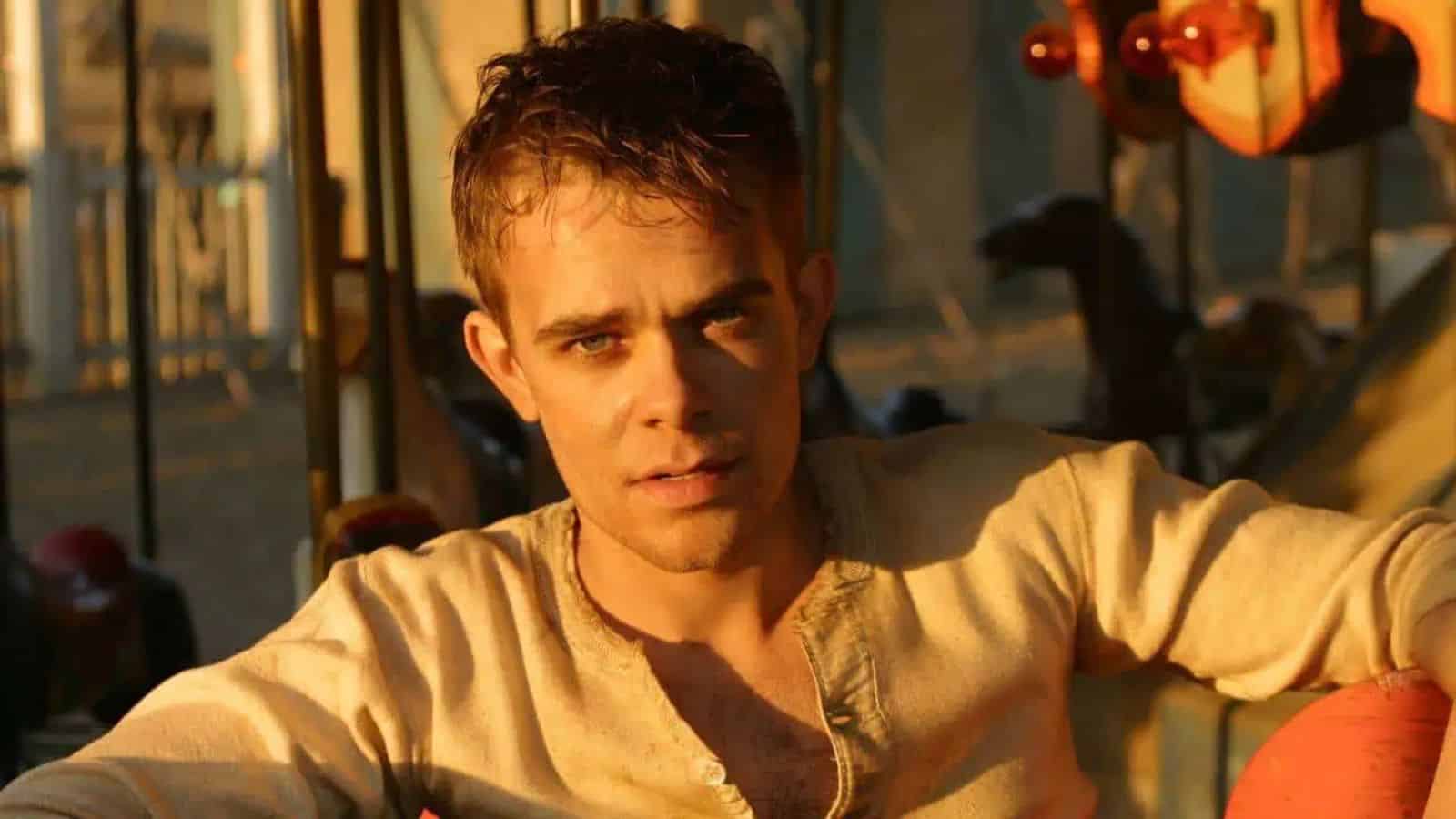
Despite its unique storyline, intricate characters, and loyal fan base, the show was canceled after two seasons primarily due to its high production costs.
The series featured elaborate sets, period costumes, and a large ensemble cast, making it one of the most expensive shows on television at the time. While it had a dedicated following, the viewership numbers did not justify HBO’s elevated expenses.
Terriers (2010)
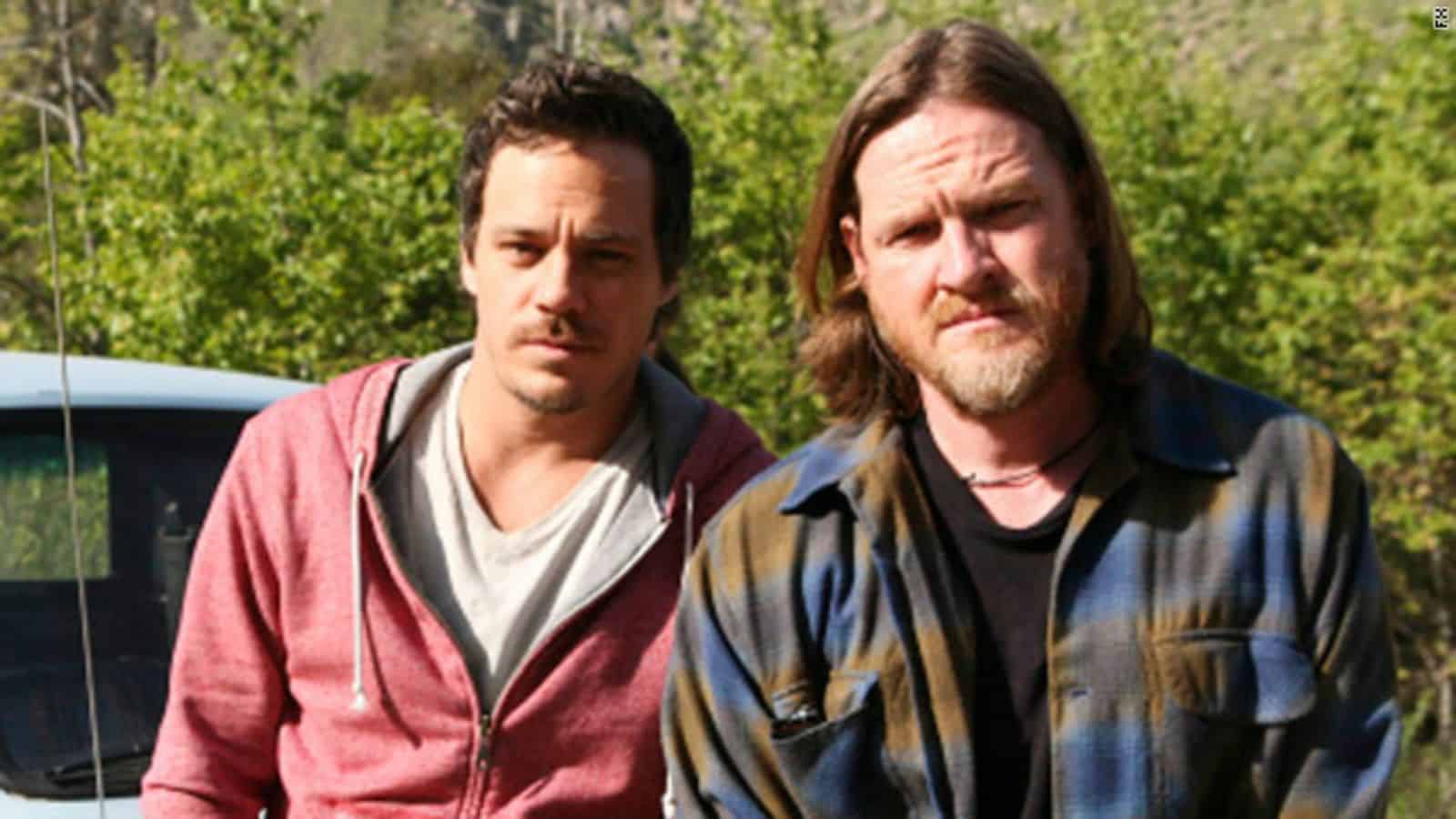
After just one season, this beloved yet underrated crime-comedy series faced an untimely cancellation. Despite earning critical acclaim for its unique blend of sharp writing, compelling character development, and engaging storyline, the show struggled to garner a substantial audience, primarily due to low viewership numbers.
In addition, challenges with its marketing campaign, which many felt did not accurately represent the series, further hindered its ability to attract a broader audience. These factors collectively led to FX’s unfortunate decision to cancel the series.
Happy Endings (2011-2013)

Despite a cult following, the show faced cancellation after three seasons due to declining viewership, attributed to frequent timeslot changes and strong competition. ABC’s decision disappointed fans and the cast, leading to campaigns and petitions for a revival on another network or streaming service.
Despite efforts, “Happy Endings” remains without a new home, leaving its three-season run as a bittersweet legacy of unfulfilled potential as a long-standing comedy classic.
Jericho (2006-2008)
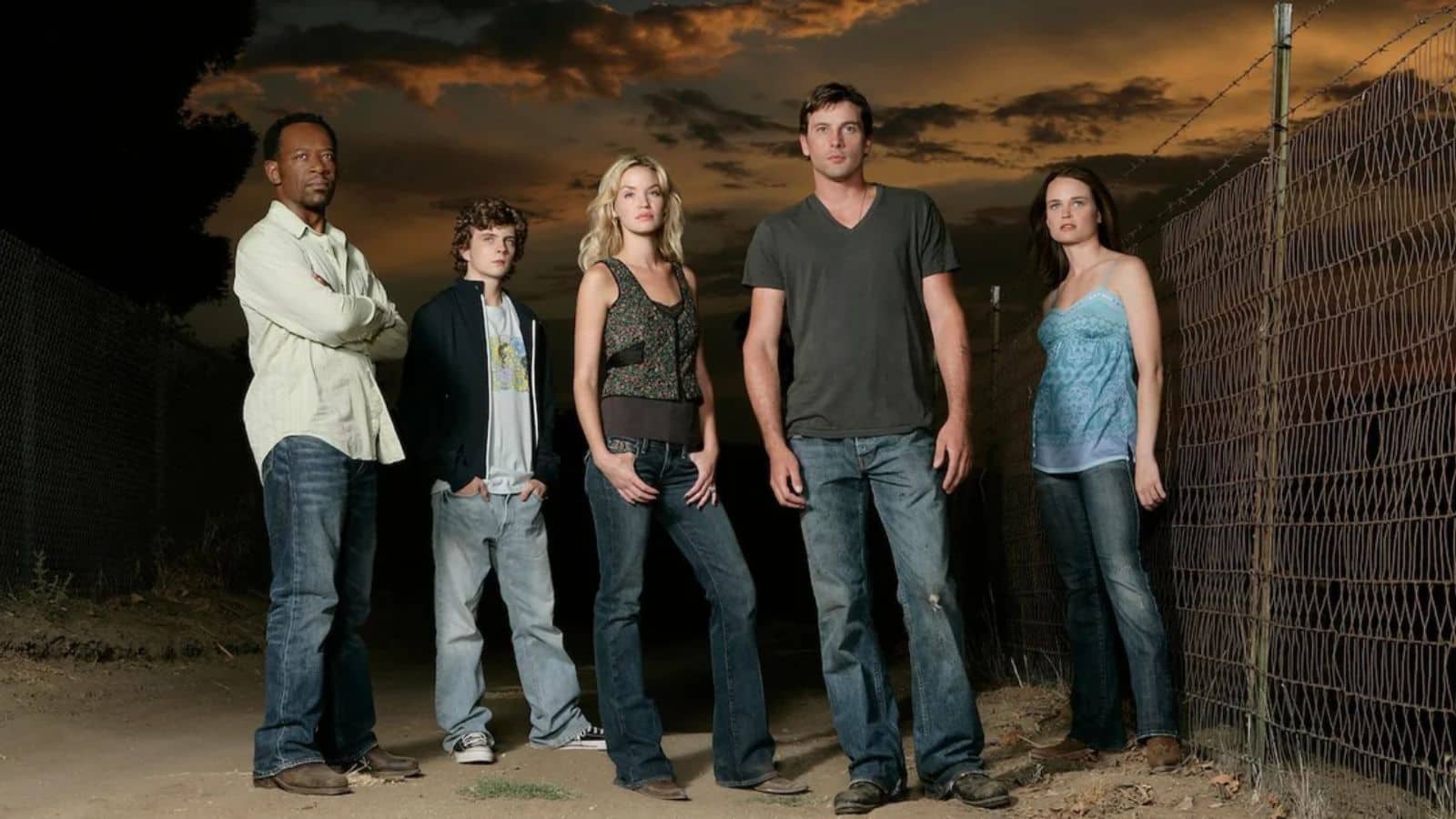
This post-apocalyptic drama, which aired from 2006 to 2008, was canceled after its second season due to declining viewership. Despite its unique premise, focusing on a small Kansas town after a series of nuclear attacks, the show struggled to maintain a substantial audience. It initially gained a loyal fan base and critical acclaim for its compelling storyline and character development.
A fan-led campaign secured a shortened second season after ratings dipped following the first season. However, the combination of high production costs and insufficient ratings ultimately led CBS to cancel “Jericho,” leaving fans with a cult classic that ended prematurely.
Hannibal (2013-2015)
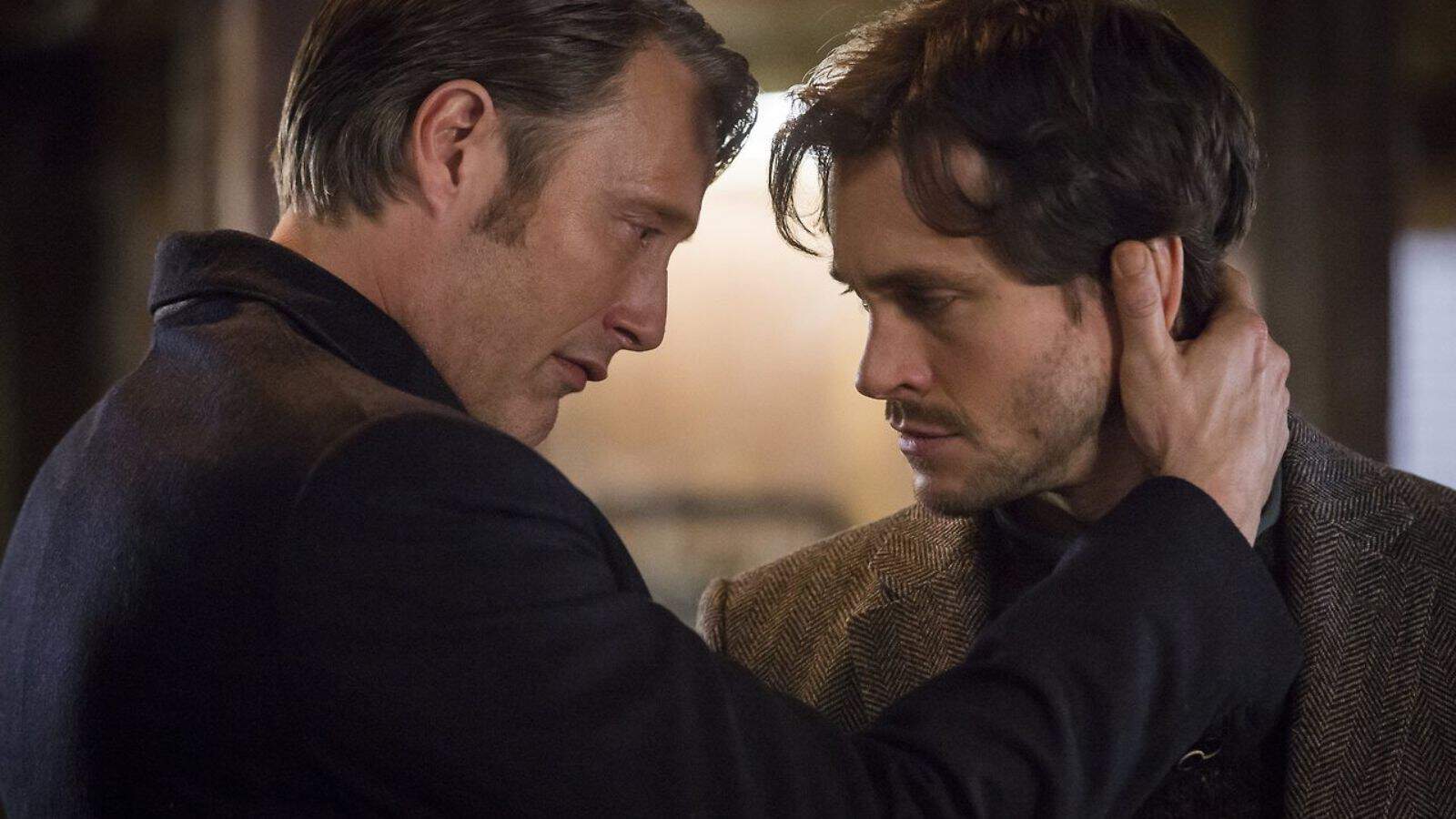
Though it gathered a cult following and critical acclaim for its visual style and storytelling, Hannibal was axed by NBC after three seasons due to poor ratings.
Sense8 (2015-2018)

This diverse and ambitious sci-fi series from the Wachowskis was discontinued by Netflix after two seasons, reportedly due to its high production costs.
Veronica Mars (2004-2007)
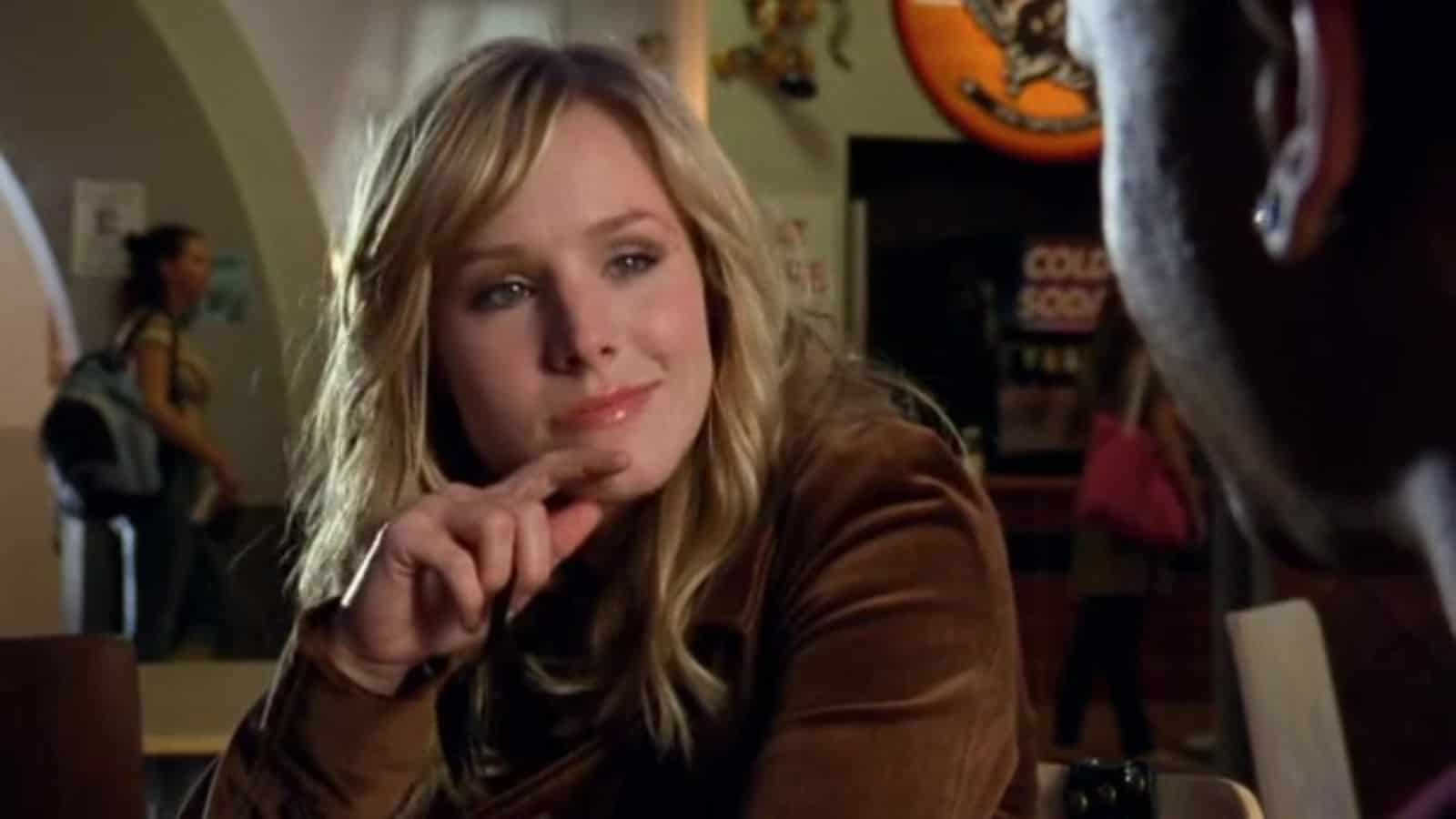
After surviving low ratings and a network change from UPN to The CW, Veronica Mars was eventually canceled due to consistently unimpressive viewership numbers despite a passionate fan base.
Twin Peaks (1990-1991, 2017)
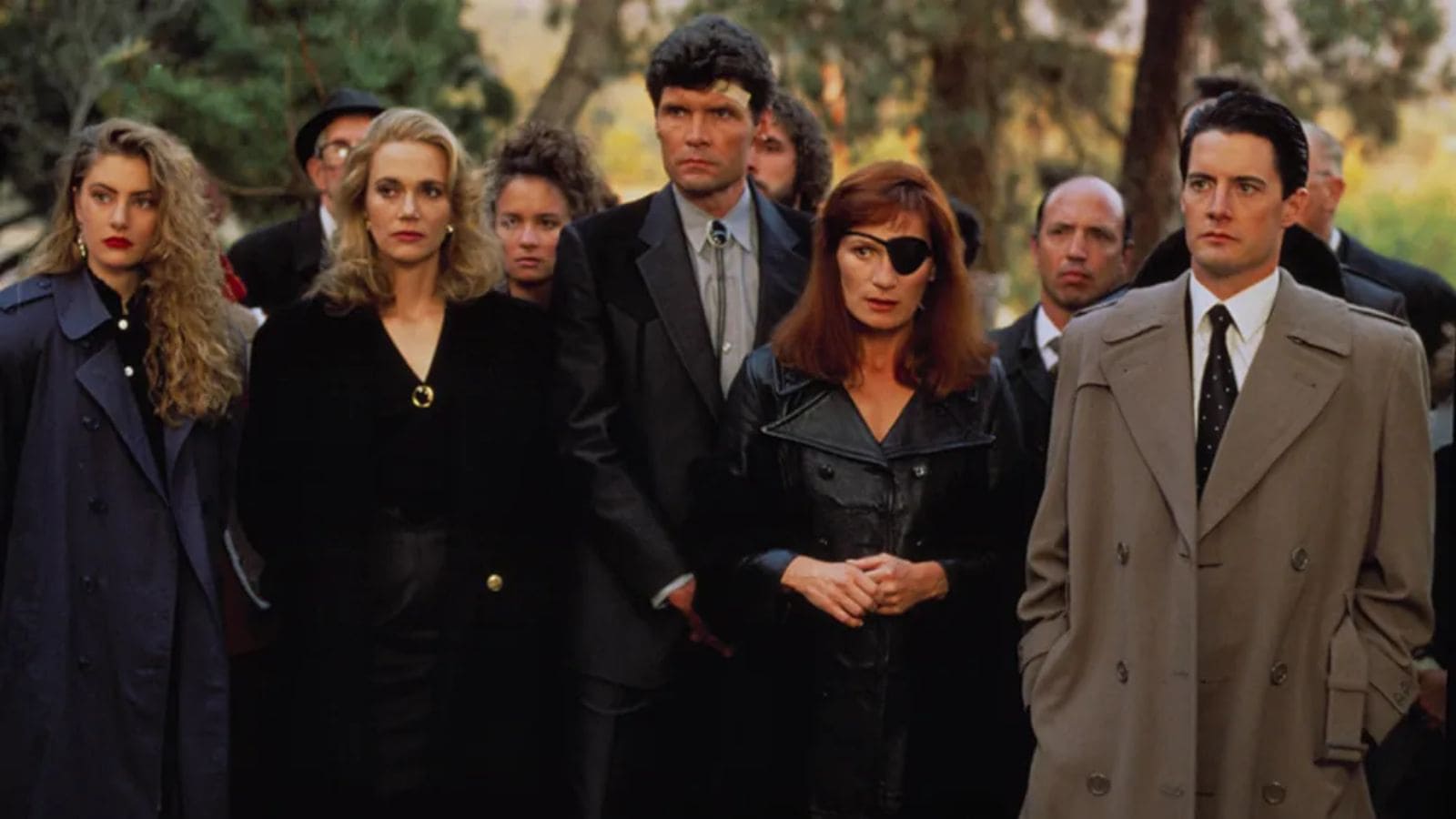
Initially canceled after two seasons due to declining viewership, its cult status couldn’t save it from network decisions.
These shows remain a testament to the unpredictable nature of television production, where sometimes, not even critical acclaim, strong viewership, or a dedicated fan base can save a show from cancellation.
The 15 Best Netflix Travel Shows To Watch Now

Step into the world of armchair adventure, where wanderlust is cured through the expeditions of others. Netflix has become a treasure trove for those bitten by the travel bug, offering a passport to discover the globe’s wonders from the comfort of your living room. Now more than ever, escapism takes center stage, transforming weekends into whirlwind cultural experiences.
The 15 Best Netflix Travel Shows To Watch Now
11 Best Shows to Stream When You Can’t Travel

In today’s world of streaming apps, we can easily access all travel shows. Travel shows help us research future trips around the globe and keep us from going crazy as we wait for that much-needed break from reality.
11 Best Shows to Stream When You Can’t Travel
The Flops That Floored Us: The 17 Worst TV Shows in History

We’re about to embark on an expedition into the wilds of the TV landscape, but we’re not hunting for hidden gems. Oh, no. We’re seeking out the shows that, in their unique way, left an indelible mark—not for their brilliance, but for their spectacular failures.
The Flops That Floored Us: The 17 Worst TV Shows in History
20 Stupid TV Shows That Critics Argue Are a Complete Waste of Time

In the vast cosmos of television, there’s a peculiar galaxy of shows that critics claim are a waste of time. For various reasons, these programs fail to resonate with reviewers—sometimes puzzlingly.
20 Stupid TV Shows That Critics Argue Are a Complete Waste of Time