

20 Phrases You Should Learn Before You Visit Australia
If you’re like me, you enjoy learning key phrases before traveling to a new destination. Visiting a new country with a different accent can be intimidating, but knowing some essential phrases can ease your nerves.
Below, I’ve compiled a curated list of Australian slang words and phrases that will be useful before your visit.
1. Good On Ya

If you hear someone say, “Good on ya!” You might be confused and think something is on your shoulder. But no worries—it means “Well done!” Many locals will say this to praise you for doing something good, like buying a round of drinks!
2. Barbie

If you hear that someone is throwing a “Barbie,” don’t go out and buy a bunch of hot pink and think they are throwing a movie premiere of the new Barbie movie.
In Australia, this actually means they are hosting a barbeque, so get ready for some delicious grilled meats and a good time.
3. Arvo

“Arvo” can be tricky to remember, but it simply means “afternoon.” Locals often use it in phrases like, “See you tomorrow arvo!” It’s just a quicker way to say afternoon. Honestly, why haven’t Americans adopted a shorter version for afternoon yet?
4. G’Day

You’ll often hear locals saying, “G’day Mate!” This is just their way of saying “good day,” similar to how Americans greet with “good morning!” It’s a casual, friendly way to say hello to others.
5. Maccas

Believe it or not, Australians refer to McDonald’s as “Maccas.” While it’s helpful to know if you hear someone say it or spot a sign for the chain, please avoid visiting McDonald’s while in Australia. Instead, check out local restaurants for a more authentic experience. That said, it’s still a fun bit of slang to learn before your trip!
6. Bottle-o

If you hear a local say, “You can get vodka at the bottle-o,” they’re referring to a liquor store. “Bottle-o” is just a fun, casual term for a place that sells bottles of alcohol.
7. Thongs

This one’s important because it’s pretty different in Australia compared to the United States, especially if you’re visiting during their summer. In the U.S., “thongs” refer to cheeky underwear, but in Australia, it means flip-flops!
You might hear locals say, “Don’t forget to bring your thongs to the beach!” Don’t be surprised; they’re just talking about flip-flops to protect your feet from the hot sand.
8. Bathers

As an American, when I hear the word “bathers,” I think of people bathing, but in Australia, it means something else. If you hear someone say, “Make sure to grab your bathers!” they’re telling you to get your swimsuit. They also call them “cozzies” or “togs,” so you might hear a mix of these terms while visiting.
9. Footy

In Australia, what Americans call soccer is known as football, but the local slang for it is “footy.” This is helpful to know, as Aussies are quite passionate about their football. If you hear someone say, “Footy’s on!” they’re simply telling you that a soccer match is on TV.
10. Fair Dinkum

This one sounds intimidating, but it’s simple. The phrase “fair dinkum” means “genuine.” For example, if you visit an Irish pub in Australia that feels just like one in Dublin, an Aussie might say, “This is a fair dinkum Irish pub,” meaning it’s the real deal. It’s used to describe something as authentic or true.
11. Dunny
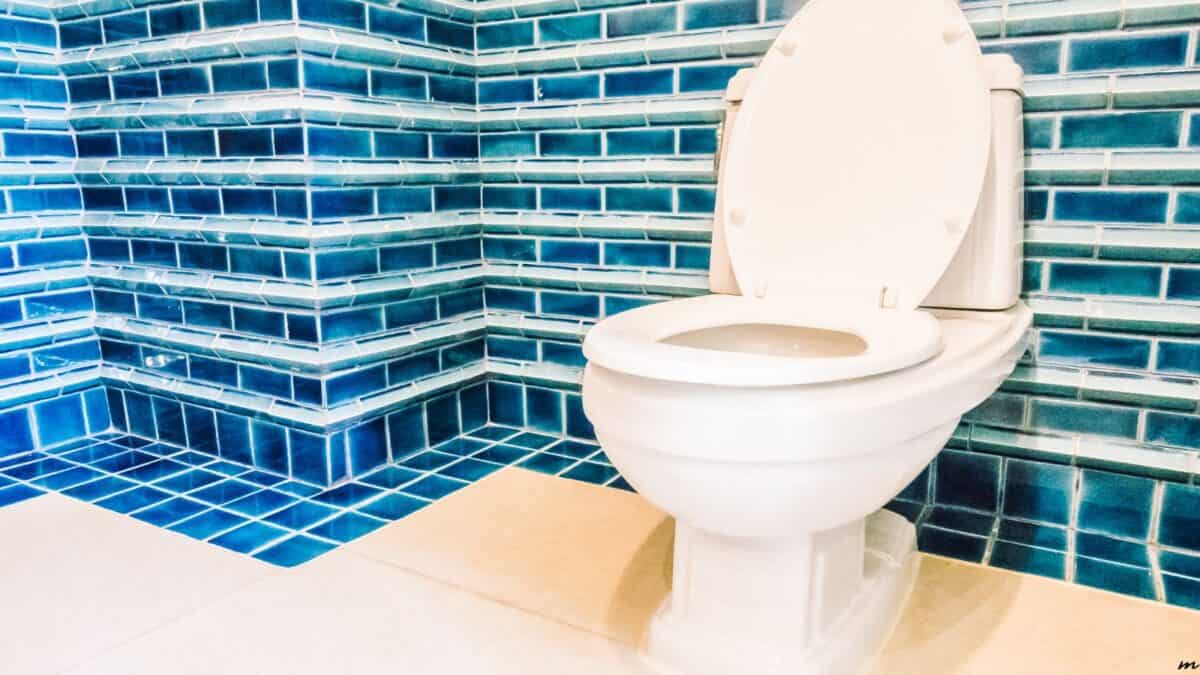
One of the first things I try to learn when visiting a new country is how to ask for the restroom. In Australia, “dunny” is another word for toilet.
While most Australians will understand if you ask, “Where is the toilet?” if you want to sound more authentic, you can say, “Where’s the dunny?” Many Australians also understand the use of the word “loo,” so that works too!
12. Outback

If you hear Australians talking about the Outback, they’re probably not referring to the American steakhouse chain. They’re likely talking about Australia’s remote, sparsely populated areas far from cities.
You might also hear this area referred to as the “bush.” While the bush is generally the land just outside inhabited areas, the Outback is even more remote and isolated.
13. Power Point

If someone asks, “Where is the power point?” they’re not referring to a presentation on your MacBook. They’re actually asking where the power outlet is so they can charge their computer, phone, or other devices.
14. Brekky

This is probably self-explanatory since many Americans also similarly shorten breakfast. In Australia, “brekky” is the casual term for breakfast, the most important meal of the day!
15. Bog In

If someone at a restaurant hands you your brekky and says, “Bog in!” they’re encouraging you to eat up or dive into your meal enthusiastically. It’s a lively way to let you know it’s time to enjoy your food.
16. Flat

In Australia, as in many places around the world, “flat” means apartment. If you’re renting an apartment through Airbnb in Australia, you can say you’re staying in a flat. It’s just another term for an apartment or a small rental room.
17. Mozzie

One of my favorite Australian slang terms is “mozzie,” which they use for mosquitoes. I can’t understand why Americans haven’t adopted this term yet.
Next time I’m hiking and swarmed by these pesky insects, I’ll definitely say, “The mozzies are terrible today!”
18. Ankle Biter

This one is pretty funny. If you hear Australians use the term “ankle biter,” you might look around for a small dog or even a crocodile, but they’re actually referring to a small child. So, if you hear someone say, “Oh, the ankle biter kept me up all night!” they’re talking about a little kid.
19. Bloody

Here’s another helpful term to know, especially if you’re traveling abroad for the first time. In the United States, we’d use “bloody” to describe something involving a serious accident, but in Australia, much like in the U.K., “bloody” is used to emphasize something as very. So, if you do something impressive or out of the box, you might hear, “That was bloody brilliant!”
20. Ta

This one might initially seem quirky, but I like it. If you’re in a hurry and want to say thank you, you might hear locals say, “Ta!” It’s simply a shortened way to express thanks!
Are There Any Other Phrases You Would Add To This List? Let Us Know In The Comments!


