20 Phrases You Should Learn Before You Visit Italy
Italy is one of the top European countries to visit. The country is full of history, seen in its many UNESCO World Heritage Sites, and is also home to delicious cuisine, remarkable artwork and architecture, and beautiful scenery that will stick with you.
Italians are known for being very passionate about their small shops, cozy restaurants, family, and being friendly to visitors. Learning a few basic Italian phrases enhances your trip, helps you feel more at home, and allows you to connect with locals.
My husband and I studied abroad in Italy in college and found that knowing key phrases made a big difference in getting around and enjoying our time there. Here’s a list of handy phrases to pick up before your trip.
1. Ciao – Hi or Bye

Pronunciation: chow
This is a typical Italian phrase that can mean both “Hi” and “Goodbye.” It’s a friendly way to greet or bid farewell when entering or leaving a restaurant, store, or business. Using “Ciao” is a polite way to show that you appreciate the establishment and want to be friendly.
2. Grazie – Thank You

Pronunciation: graht-see-eh
“Thank you,” or “Grazie” in Italian, is a crucial word to remember during your time in Italy. It’s a friendly way to express gratitude, whether you’re thanking someone in a store, finishing a meal, or acknowledging a kind gesture like someone holding the door for you. Using “Grazie” shows your appreciation for the locals, their businesses, and their kindness, making people feel valued.
3. Prego – You’re Welcome

Pronunciation: preh-gow
This is a helpful word to know in Italy. It means “You’re welcome” and helps respond to “Thank you” or “Grazie.” Being familiar with this phrase can make polite conversations smoother, whether you’re expressing gratitude or receiving it.
Traveling to a foreign country with a different language can be nerve-wracking, but knowing a handful of basic phrases for good manners can help ease any worries and show locals that you appreciate them.
4. Si/No – Yes/No

Pronunciation: see/no
“Si” and “No,” meaning “Yes” and “No” in Italian, are essential words for tourists exploring Italy. Whether you’re shopping, dining out, or using public transport, these words are useful in various situations.
While “No” is widely understood across languages, English speakers should use “Si” instead of “Yes” when conversing with locals, which helps facilitate smoother communication.
5. Per Favore – Please

Pronunciation: pehr fah-voh-reh
To politely ask someone for help or a favor in Italy, always begin with “Per favore,” which translates to “Please.” This shows that you’re making a request and not giving an order. It’s a thoughtful gesture that locals appreciate.
6. Scusami – Pardon Me

Pronunciation: ska-za-mi
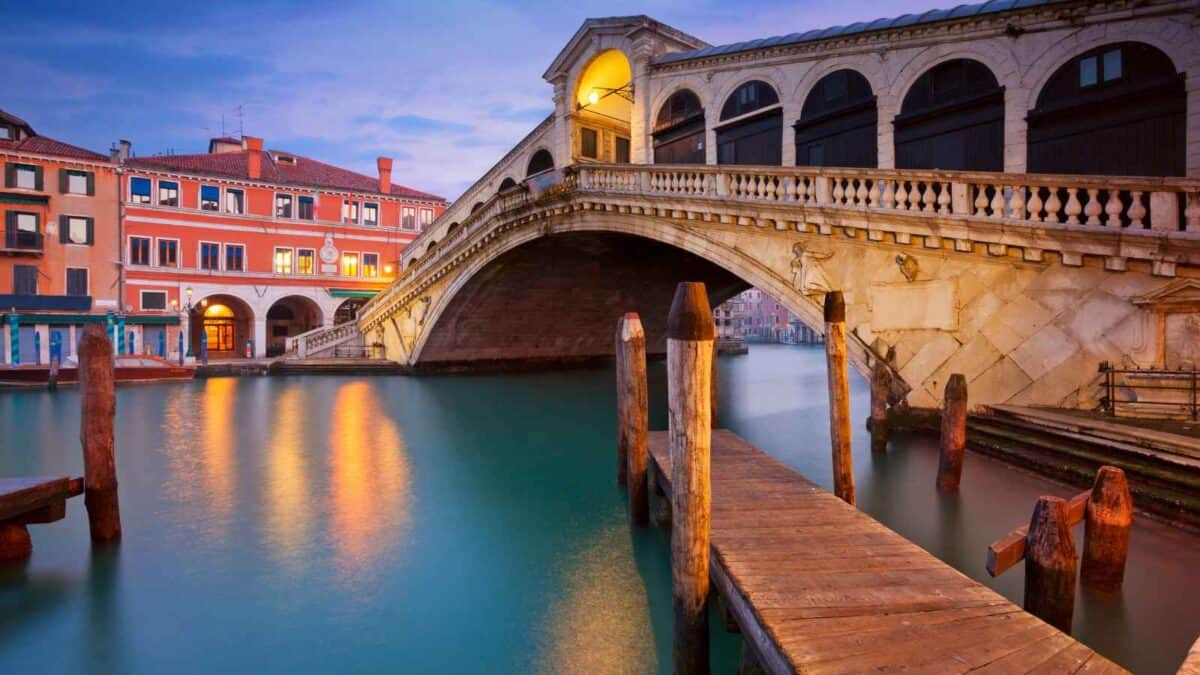
If you’re heading to a busy city like Rome or Venice, it’s a good idea to familiarize yourself with this word beforehand. The streets can get quite crowded, especially near famous landmarks like the Colosseum, Trevi Fountain, and Pantheon in Rome, or the Rialto Bridge and Doge’s Palace in Venice.
Knowing how to say “Excuse me” or “Scusami” in Italian can be very useful for navigating these busy areas and is a polite way to apologize if you accidentally bump into someone.
7. Parla Inglese? – Do You Speak English?

Pronunciation: pahr-lah en-gleh-zeh
Wherever you find yourself in Italy, whether you need directions, want to order at a restaurant, talk to a local, or go shopping, I suggest starting with “Parla Inglese?” This is a polite way to ask if they speak English, and they will usually respond with “si” or “no.” It’s helpful for better communication and understanding as you explore the country.
8. Non Parlo Italiano – I Don’t Speak Italian
Pronunciation: non par-low Italiano
If a local approaches you speaking Italian and you’re unsure of what they’re saying, it’s polite to wait until they finish and then respond with “Non parlo Italiano,” meaning “I don’t speak Italian.”
In larger cities like Rome, they often know English or some English and will switch to English for communication. In smaller towns, they might smile kindly and shake their head, but it’s a respectful way to let locals know you don’t understand without being rude.
9. Dov’è il Bagno? – Where Is The Bathroom?

Pronunciation: doe-veh il bahn-yo
Before you go to Italy, this is my top recommendation on phrases to learn. Finding bathrooms in Europe can be tough, especially if it’s your first time in a country where you don’t speak the language. Look for signs with a picture of a toilet or the word “Bagno.”
If you’re still having trouble or want to ask someone directly to avoid searching forever, ask the locals, “Dov’è il bagno?” They’ll likely point you in the right direction or even accompany you to the restroom, making locating it much easier.
10. Dov’è…? – Where is…?

Pronunciation: doe-veh
This phrase is handy if you need to ask for directions or locate something. It’s a polite way to ask questions like “Where is the Colosseum?” or “Where is the Trevi Fountain?” Start with “Dov’è” followed by the place you’re looking for.
To be courteous, begin with “ciao” or “scusami” before posing your question. This shows locals that you’re being friendly and considerate.
11. Quanto Costa? – How Much Is It?

Pronunciation: quan-tow coh-stah
Understanding Italian can be tricky for English speakers, especially when conversing with locals, reading signs, or looking at menus. Whether buying a purse or ordering pizza, it’s essential to ask, “How much is it?” in Italian or “Quanto costa?” This phrase can help you stay within your budget and avoid accidentally spending a fortune on local goods.
12. Vorrei… – I Would Like…

Pronunciation: Vohr-aye
Learning this phrase is perfect if you plan to visit many cafes and bakeries. It’s especially handy for ordering Italian espresso, which I love. In the United States, you’d say, “I’d like an espresso, please,” but in Italy, you will want to say, “Vorrei un espresso, per favore.”
13. Come Sta? – How Are You?

Pronunciation: koh-meh stah
In the United States and Italy, a common way to greet people is by asking how they are. To do this in Italy, you would use “Come sta?” You’ll often hear responses like “Bene, grazie” or “Good, thank you.”
14. Aiuto! – Help!
Pronunciation: eye-ew-tow
I have yet to need to use this phrase personally, but it could be helpful to learn before your trip. While encountering a pickpocketer is unlikely, Europe is known for them, and knowing how to voice “Help” in the local language could be very helpful. This statement can also be beneficial if you’re traveling solo in Italy and want to be extra cautious.
15. Che Cosa Ci Consiglia? – What Do You Recommend?

Pronunciation: cay koh-za chee kon-seel-yah
Locals know best, especially when it comes to dining in Italy. I recommend trying all the local specialties. A great way to choose the best dish is to ask the server or chef for their recommendation. Just say, “What do you recommend?” in Italian, “Che Cosa Ci Consiglia?” They’ll likely point out their favorite or describe it to you. It’s a beautiful way to experience the authentic flavors of Italy!
16. Ci Può Portare Il Conto? – Can We Have The Check/Bill?

Pronunciation: chee poh poh-tar-aye cohn-toe
Italians and many Europeans, in general, enjoy savoring their meals, taking their time to eat, drink, and converse. This relaxed pace at meals can sometimes surprise Americans, who are used to faster dining experiences.
While I highly recommend embracing this approach and savoring your time in Italy, when you’re ready for the bill, knowing how to ask for it politely and promptly is essential. You can kindly ask your server, “Ci può portare il conto?” which means, “Can we have the check/bill?”
17. Posso Pagare Con La Carta? – Can I Pay By Card?

Pronunciation: pohs-soh pah-gah-reh con la cahr-tah
Like in many places worldwide, some businesses in Europe only accept cash. Knowing how to ask is useful if you prefer to pay by card.
Say, “Can I pay with a card?” in Italian, “Posso pagare con la carta?” You’ll likely hear “Si” or “No” in response.
18. Vino – Wine

Pronunciation: vee-no
Can you genuinely say you’ve experienced Italy without tasting it’s wonderful wines? I’m a big fan of Italian wines, and knowing how to order them correctly is critical.
The word for wine in Italian is “Vino,” and you’ll encounter it in stores and on menus throughout Italy. So, when ordering, opt for “Vino” instead of simply saying “Wine.” It’s a small detail, but it shows that you appreciate the local language and customs, which can make your experience even more enjoyable.
19. Dolce – Dessert
Pronunciation: dohl-che
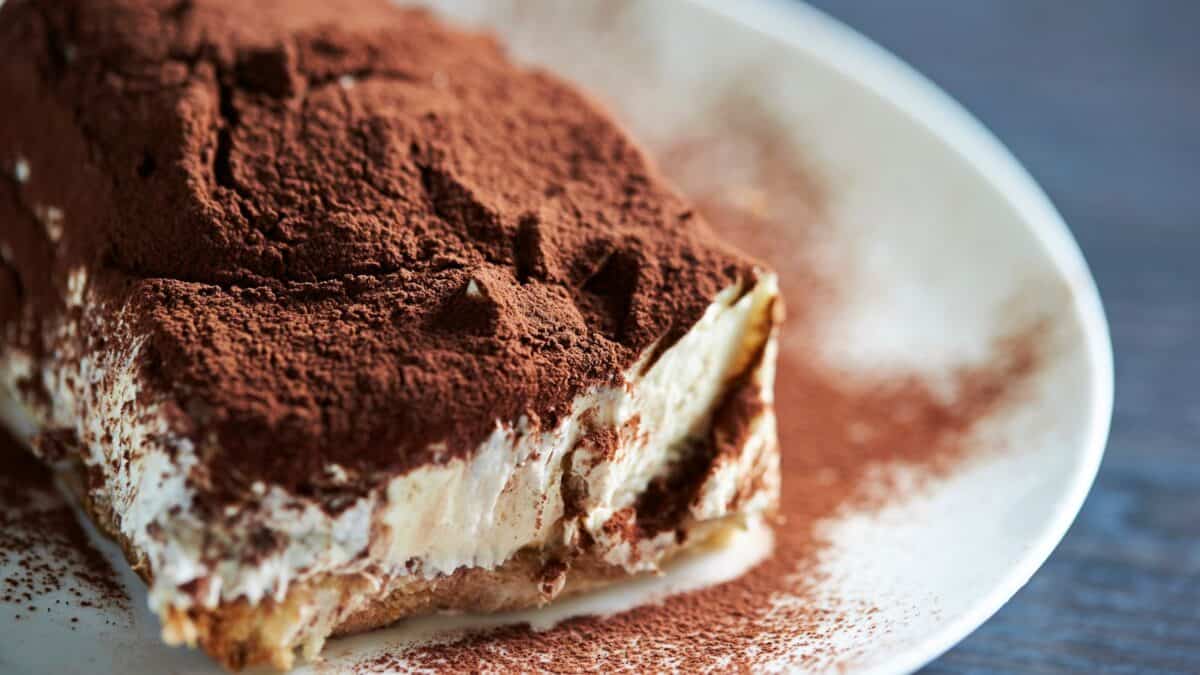
A key food phrase to remember before your Italy trip is “Dolce,” which means “Dessert.” I always recommend keeping space after dinner for dessert, as Italian desserts are a treat not to miss.
There is a wide array of delicious options, from tiramisu and cannolis to my favorite, gelato. Remember to ask for “Dolce” instead of just “dessert.” It’s a small but thoughtful way to embrace the Italian dining experience.
20. Uno, Due, Tre, Quattro, Cinque, Sei, Sette, Otto, Nove, Dieci – One, Two, Three, Four, Five, Six, Seven, Eight, Nine, Ten

Pronunciation: ew-no, do-eh, treh, kwah-troh, cheen-kweh, sey, set-teh, oh-toh, noh-veh, dee-eh-chee
Knowing some basic numbers can be incredibly useful while exploring Italy. Simple numbers can make a significant difference, whether you’re ordering from a menu and need to specify how many or asking for directions to a particular street address.
Using your fingers to indicate numbers can also help with clear communication. Mastering a few numbers is a great way to improve your interactions with locals and navigate more smoothly during your travels.