10 Safe, Natural Mosquito Repellents You Need to Try This Summer
As the warmer months roll in, so do the swarms of pesky mosquitoes, turning what should be enjoyable outdoor gatherings into swatting soirees.
But fear not! You don’t have to resort to harsh chemical repellents to keep these bothersome bugs at bay.
Nature offers many solutions that are not only effective but also safe for you, your family, and the environment
1. Citronella
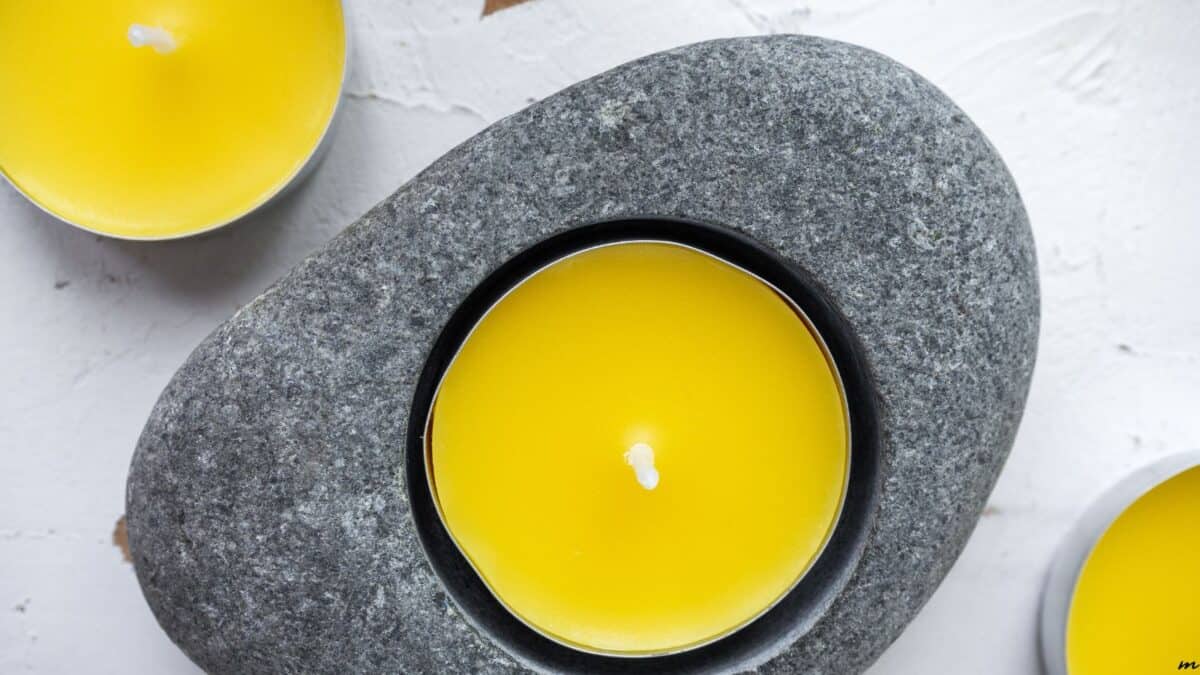
Citronella is widely recognized as a natural mosquito repellent. The oil derived from citronella plants can be used in candles, torches, and skin-applied products to keep mosquitoes at bay.
When burned or applied, citronella emits a strong, unappealing aroma to mosquitoes, effectively reducing their presence in the immediate area. Ensure that any citronella product applied to the skin is properly diluted to avoid skin irritation.
2. Lemon Eucalyptus Oil

Lemon eucalyptus oil is another effective natural repellent. The Centers for Disease Control and Prevention (CDC) acknowledges that the oil of lemon eucalyptus is comparable to DEET in effectiveness.
It works by masking mosquitoes’ environmental cues to locate their targets. When using lemon eucalyptus oil on the skin, it is important to reapply it every few hours for continued protection.
3. Lavender

With its soothing scent and essential oils, lavender can also repel mosquitoes. Mosquitoes find the fragrance of lavender repulsive. Planting lavender in your garden or using lavender oil in an aroma diffuser can help keep the area mosquito-free. Additionally, applying diluted lavender oil to exposed skin can prevent mosquito bites.
4. Garlic
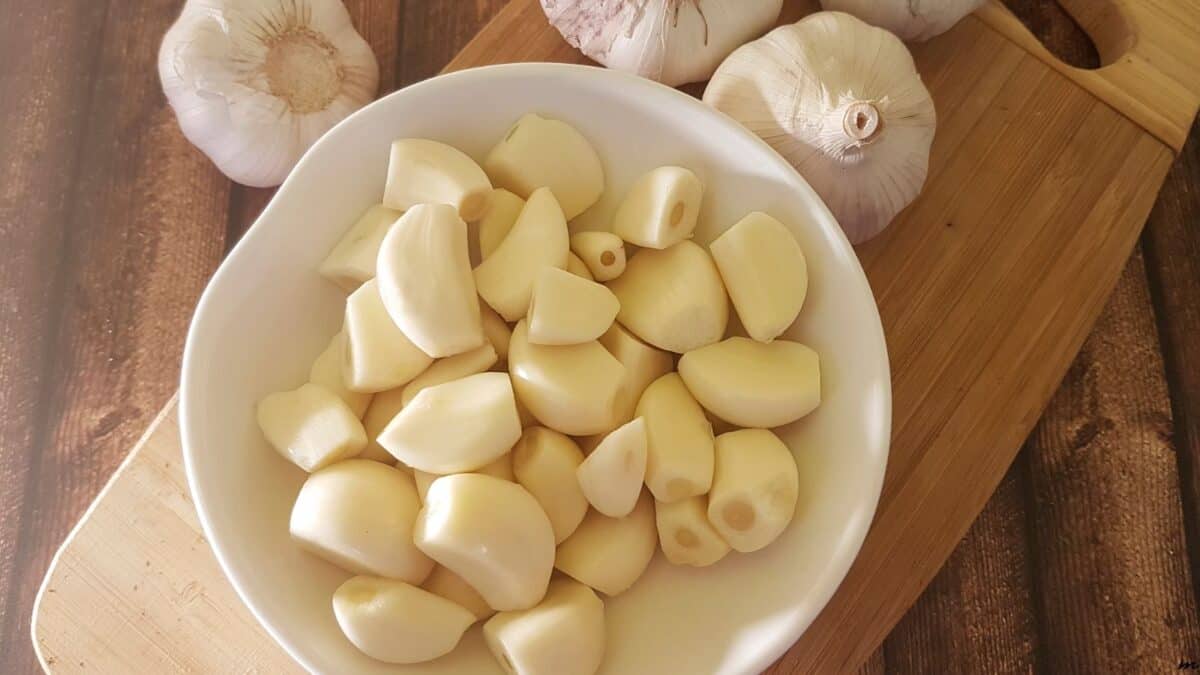
Consuming large amounts of garlic can provide a mild repellent effect. Garlic contains compounds that can be excreted through the skin, creating an odor that mosquitoes find displeasing. While this is not the most effective method, it can serve as a supplementary deterrent.
5. Peppermint

Peppermint oil is an excellent mosquito repellent due to its strong scent and menthol content. Applying a dilution of peppermint oil to the skin can not only repel mosquitoes but also provide a cooling sensation. Moreover, peppermint plants grown in and around the home can help reduce mosquito activity.
6. Basil

Basil is not only a culinary herb but also a useful mosquito repellent. The strong scent emitted by basil leaves is disliked by mosquitoes. Planting basil near seating areas or windows can help keep these pests away.
Additionally, you can make a natural spray by steeping basil leaves in boiling water and using the cooled liquid as a spray repellent.
7. Catnip

Research suggests catnip may be even more effective at repelling mosquitoes than DEET. The essential oil in catnip, nepetalactone, is the main deterrent factor. You can plant catnip in your garden or use catnip oil on your skin, provided it is properly diluted to avoid irritation.
8. Marigolds

Marigolds contain pyrethrum, a compound used in many insect repellents. These bright and beautiful flowers can be planted in gardens or pots to keep mosquitoes away. Additionally, placing marigold cuttings in vases inside the house can also help repel mosquitoes.
9. Cedarwood

Cedarwood oil is known for its insect-repellent properties. Using cedarwood chips in your garden or cedar oil in an aroma diffuser can create a mosquito-repellent barrier. The aroma of cedar is particularly effective in warding off many types of pests, including mosquitoes.
10. Tea Tree Oil

Tea tree oil is renowned for its antiseptic properties and also acts as a natural insect repellent. Its strong scent is effective in repelling mosquitoes. When applying tea tree oil to the skin, ensure it is adequately diluted to prevent skin reactions. A few drops of tea tree oil can also be added to diffusers to help keep indoor spaces mosquito-free.
Important

*It’s important to test your skin before applying essential oils. You may need to dilute or mix the oil with a carrier oil. Jojoba and coconut oil are great carriers.