20 Undiscovered Countries You Should Visit Before Everyone Else Does

When browsing any social media or travel magazines, you are bound to see the same few countries or cities pop up repeatedly. Everyone visits Italy, Greece, and France.
Those locations are fantastic, but they are also very busy and, at times, overcrowded. Sometimes, it’s fun to think outside the box and visit lesser-known locations on your travels.
This list focuses on countries that attract fewer tourists than most each year and what makes them a bit more challenging to visit so you can decide for yourself if the challenge is something you are up for!
1. Tuvalu

Tuvalu is a prime destination if you are looking to escape the bustling tourist paths and immerse yourself in the tranquility of nature. This tiny island nation, scattered in the Pacific Ocean, boasts some of the world’s most pristine beaches and lagoons.
Tuvalu’s appeal lies in its untouched beauty and the warm hospitality of its people.
The Funafuti Conservation Area offers an exceptional opportunity to snorkel and witness vibrant marine life in crystal-clear waters. You should also explore the WWII relics that tell the lesser-known stories of the Pacific Theatre.
Tuvalu is one of the smallest and least populous nations on Earth, which makes it less accessible. Flights are infrequent and expensive, and accommodations are limited, preserving its untouched allure and making it a more challenging destination for the average traveler.
2. Kiribati
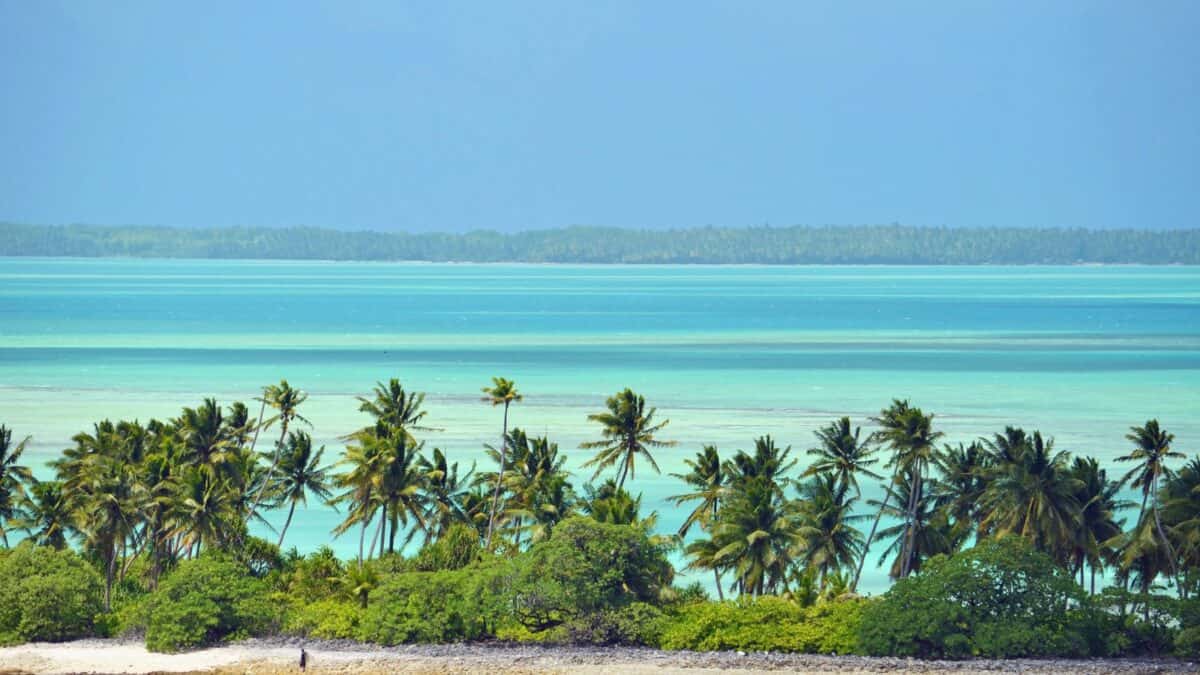
Kiribati, set within the vast expanse of the Pacific Ocean, is perfect for you if you are looking for an untouched paradise for bird-watching and marine life viewing.
The Phoenix Islands Protected Area is one of the largest marine protected areas in the world, providing a sanctuary for diverse oceanic wildlife and untouched coral reefs.
On land, you can explore the vibrant local culture and the remnants of colonial and World War II history. Birdlife thrives here, especially on the outer islands, where you can see species not found anywhere else in the world.
Kiribati’s remote location makes it difficult to access, with limited transportation options from major travel hubs. The cost of travel and scarcity of luxury accommodations contribute to its exclusivity and low tourist numbers.
3. Marshall Islands

The Marshall Islands, a collection of atolls and islands in the central Pacific, are an idyllic destination for divers and history enthusiasts. The Bikini Atoll, although infamous for its nuclear testing sites, is now a unique dive site where adventurous souls can explore sunken warships and submarines.
Majuro Atoll, the capital, offers insights into the local culture and history at the Alele Museum and Public Library.
The Laura Beach on Majuro offers nature lovers a serene escape with its beautiful, unspoiled beaches.
Like many Pacific islands, the Marshall Islands suffer from limited air connectivity and expensive travel costs. The need for special permits to visit places like Bikini Atoll makes it a more complicated travel destination.
4. Montserrat

Montserrat is known as the “Emerald Isle” of the Caribbean due to its lush, mountainous terrain and Irish heritage. The island’s major draw is the Soufrière Hills Volcano, which is still active and can be viewed safely from the Montserrat Volcano Observatory.
Beyond volcanic landscapes, Montserrat offers secluded beaches and hiking trails that showcase its natural beauty. Little Bay’s cultural capital is gradually developing into a charming area where you can explore local life and cuisine.
Volcanic eruptions in the 1990s decimated the former capital and main economic areas, significantly reducing the population and tourist facilities. The recovery has been slow, making it a quiet retreat for visitors.
5. Nauru
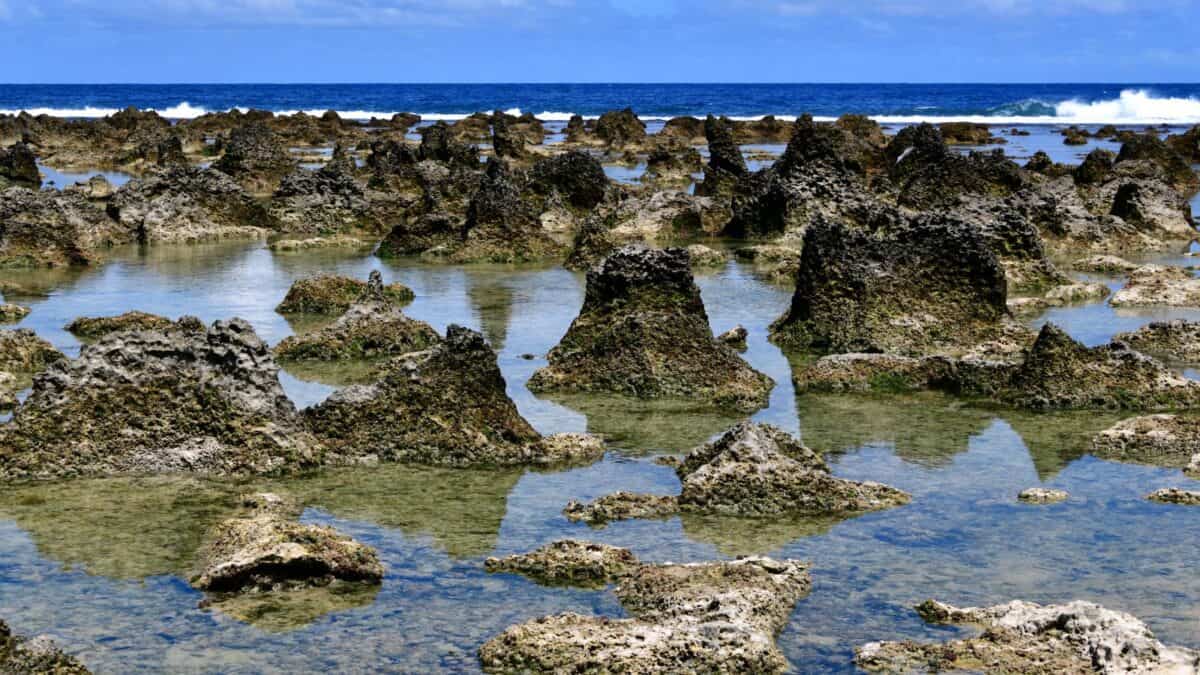
Nauru, the third smallest country globally by area, offers a unique experience unlike typical tourist destinations. It’s a place for visitors who have seen it all and are looking for new frontiers.
The island’s interior has intriguing phosphate mining landscapes, which starkly contrast the beautiful beaches at Anibare Bay, known for their excellent fishing and surfing conditions.
History enthusiasts will appreciate the Japanese guns from WWII, a somber reminder of the island’s strategic importance.
Nauru’s isolation and economic reliance on phosphate mining have not encouraged typical tourism development. Flights to and from the island are rare and costly, and accommodation options are limited, making it a destination for the truly adventurous traveler.
6. Palau

Palau is a mesmerizing archipelago that appeals to ecotourists and adventurers alike, with its lush landscapes and rich underwater life. The Rock Islands, a UNESCO World Heritage site, offer world-renowned snorkeling and diving experiences in waters teeming with marine biodiversity.
Jellyfish Lake is another must-see, where visitors can swim amongst millions of harmless jellyfish. For history buffs, remnants of WWII linger in hidden corners of its islands, offering a poignant glimpse into the past.
The journey to Palau can be lengthy and expensive, with limited direct flights from major cities. The cost of travel and staying in Palau and the need to preserve its natural resources keep tourist numbers relatively low, ensuring a more intimate and impactful experience for those who make the trip.
7. São Tomé and Príncipe

São Tomé and Príncipe, an island nation off the western coast of Africa, is a haven for biodiversity enthusiasts and those interested in colonial history. The Obo National Park spans much of São Tomé and offers lush, hilly landscapes perfect for hiking and bird-watching.
Coffee and cocoa plantations provide insights into the island’s colonial past and present economic challenges, and tastings directly connect to its rich agricultural heritage.
The secluded beaches at Bom Bom Island allow for peaceful relaxation in a stunning setting.
This destination’s obscurity and the lack of direct flights from major Western airports contribute to its low visitor numbers. The rustic and limited tourist infrastructure appeals to adventure-seekers rather than those looking for luxury.
8. Comoros
Nestled between Madagascar and the African continent, Comoros is an archipelago of volcanic islands with a compelling blend of Swahili and Arab cultures. The Grande Comore (Ngazidja) is dominated by the active Mount Karthala volcano, offering adventurous hikes to its crater.
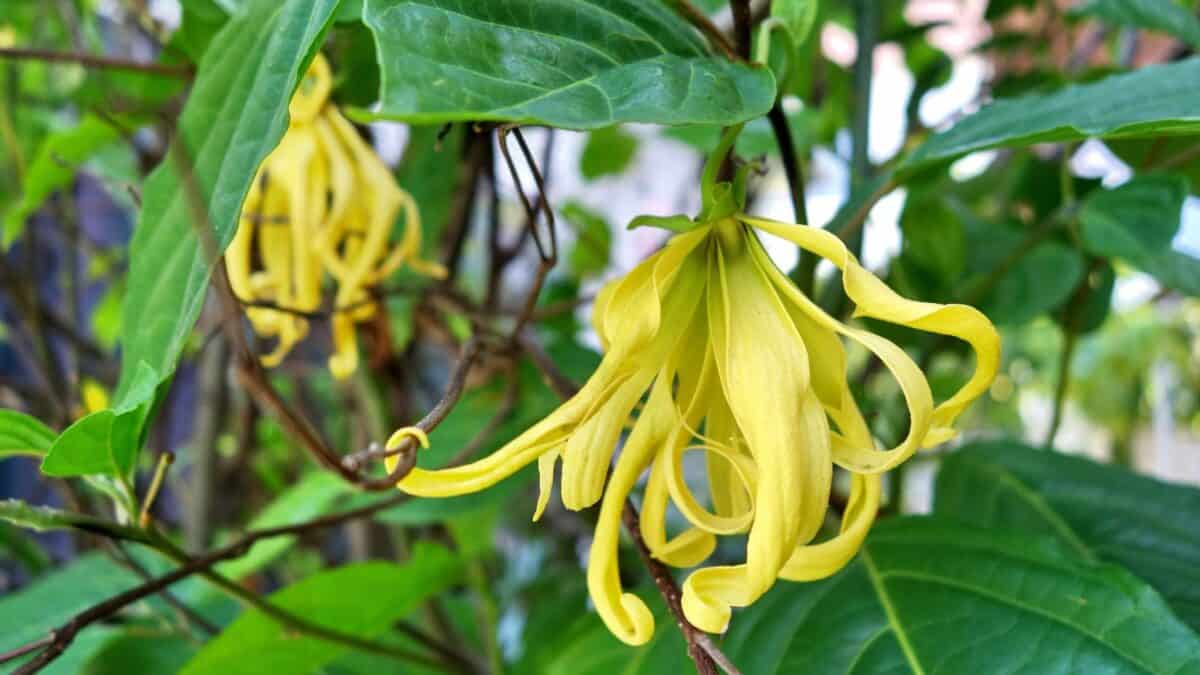
The fragrant ylang-ylang plantations across the islands serve as a basis for the local perfume industry and provide a fragrant experience unlike any other. Mohéli, the smallest island, is home to a marine park where visitors might spot humpback whales and sea turtles.
The Comoros is often overlooked due to its small size and political instability in the past. The limited tourist infrastructure and infrequent flights also make access challenging, but its natural and cultural riches are immense rewards for those who venture there.
9. Solomon Islands

The Solomon Islands, a nation of hundreds of islands in the South Pacific, is a destination that offers a rich wartime history meshed with vibrant indigenous culture.
The WWII relics submerged under its crystal-clear waters make for an exceptional diving experience, notably around Guadalcanal, which also hosts the fascinating Vilu War Museum.
The traditional villages and the warm, welcoming nature of the Solomon Islanders provide an enriching cultural experience, making every visitor feel like part of the community.
The Solomon Islands’ remote location and limited direct international flights keep tourist numbers low. The rustic nature of accommodations and the need for often complicated travel arrangements deter all but the most intrepid travelers.
10. Timor-Leste

Timor-Leste, or East Timor, is a young country with a resilient spirit and rich history. Dili, the capital, features the iconic Cristo Rei statue, a significant landmark with breathtaking views.
For marine enthusiasts, the pristine reefs at Atauro Island offer some of the best diving spots in the world. The culture uniquely blends Portuguese influence and local traditions, which is evident in its markets, architecture, and festivals.
Timor-Leste’s recent history of independence and ongoing developmental challenges mean it’s less known as a tourist destination. The limited number of flights and basic tourist infrastructure further limit accessibility, but those who visit find a country brimming with potential and beauty.
11. Tonga
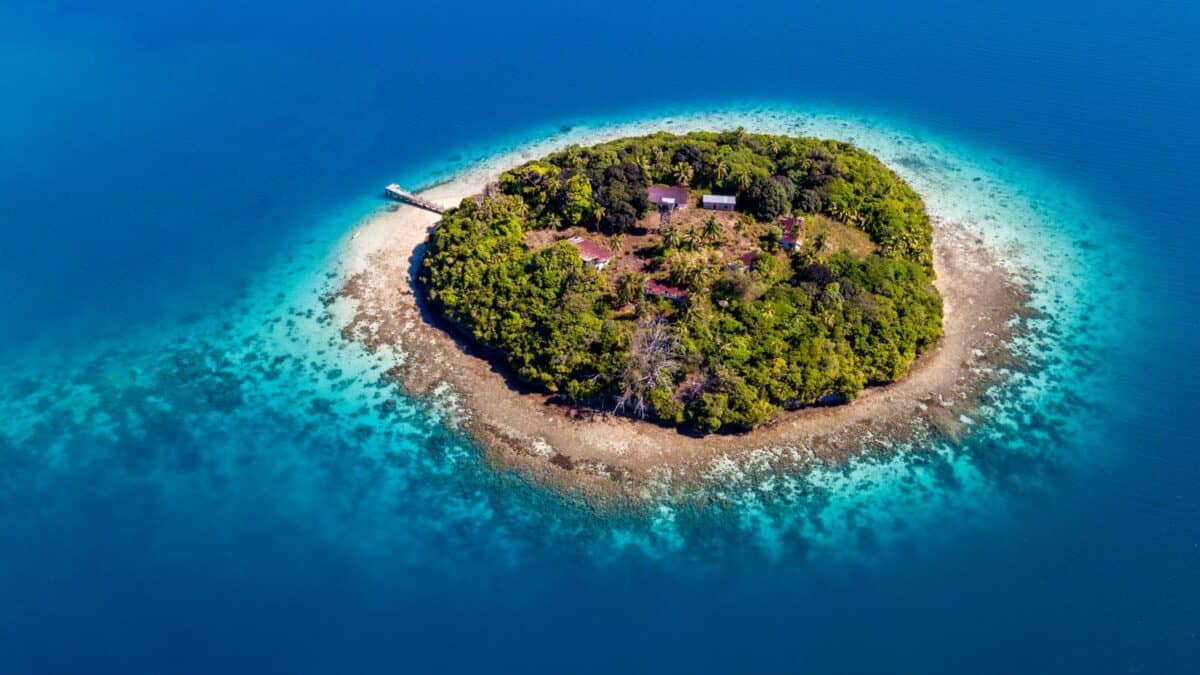
An archipelago in the South Pacific, Tonga retains its strong Polynesian heritage and monarchy, making it a fascinating destination for those interested in cultural traditions.
The Haʻamonga ʻa Maui, a Stonehenge-like limestone gate, and the ancient Langi terraced tombs in Tongatapu offer a glimpse into the architectural ingenuity of ancient Tongans. Visitors can also enjoy whale watching and swimming with humpback whales during the migration season, a truly unique experience.
For a serene getaway, the pristine beaches of Vavaʻu are perfect for relaxation and snorkeling.
Tonga’s relative remoteness and the infrequency of international flights contribute to its low tourist numbers. The lack of commercial tourism development preserves its authentic charm, which may appeal more to adventurers and cultural enthusiasts than those looking for a typical beach holiday.
12. Djibouti

Djibouti, located at the Horn of Africa, is an emerging spot for eco-tourists and adventure travelers. The alien landscapes of Lake Assal, the lowest point in Africa, and the fiery Lac Abbe, known for its limestone chimneys, offer some of the most otherworldly sceneries on the planet.
Snorkeling and diving in the Gulf of Tadjoura provide opportunities to swim alongside whale sharks in their natural habitat. Djibouti’s rich mix of Afar and Somali cultures adds a vibrant layer to the travel experience.
Djibouti’s extreme landscapes, climate, and strategic military significance mean it’s not traditionally marketed as a tourist destination. The high cost of travel and accommodation in Djibouti also makes it less accessible for the average tourist.
13. Liechtenstein
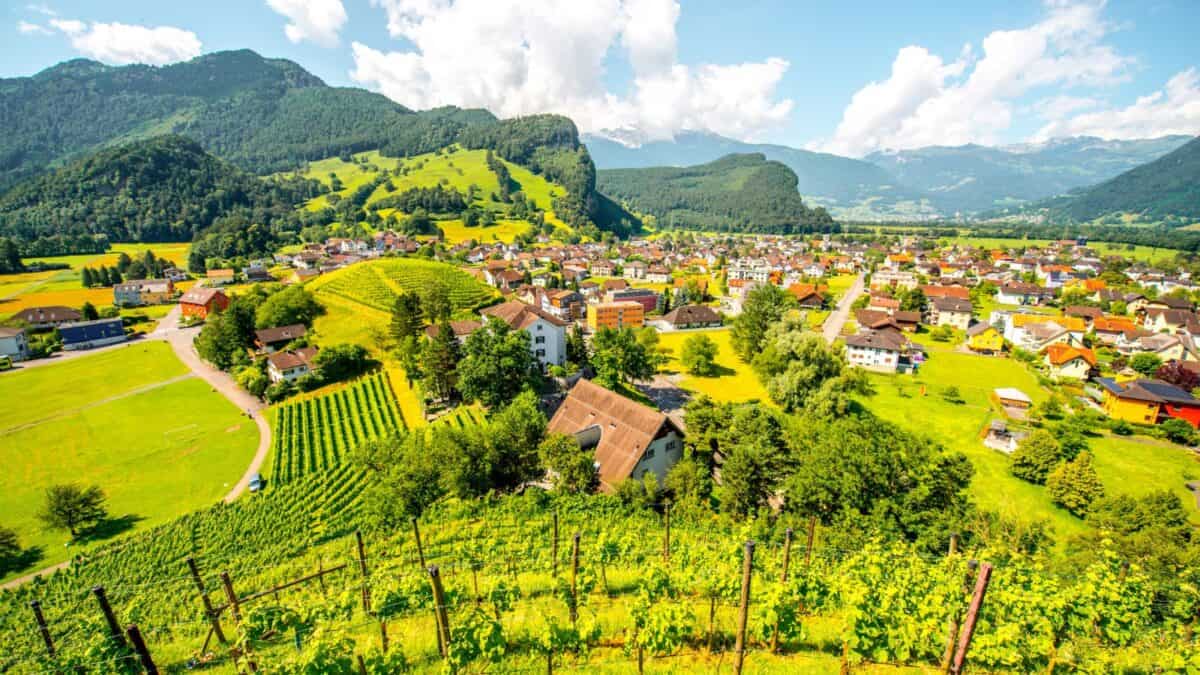
Liechtenstein, nestled between Switzerland and Austria, is a microstate known for its medieval castles, alpine landscapes, and vibrant cultural scene. The Vaduz Castle, perched above the capital, offers panoramic views and a rich history as the residence of the princely family.
The country also boasts an impressive art scene, highlighted by the Kunstmuseum Liechtenstein, which houses a collection of modern and contemporary art. The country’s compact size makes it easy to explore on foot or by bike, providing a leisurely pace for visitors.
Despite its charm and high quality of life, Liechtenstein’s small size and quiet demeanor keep it off the typical tourist radar, overshadowed by its larger neighbors. Its reputation as a financial hub rather than a tourist destination also plays a role in its modest visitor numbers.
14. Sierra Leone
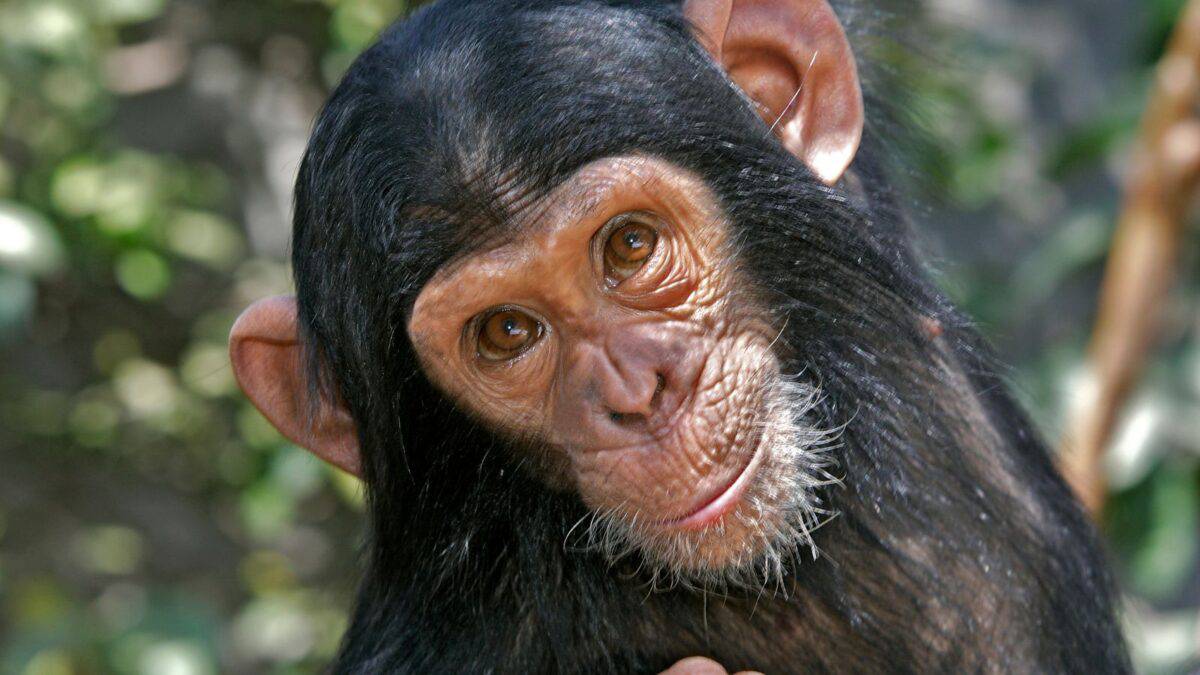
Sierra Leone offers a compelling blend of natural beauty, history, and vibrant culture. The capital, Freetown, is steeped in history as a hub for freed slaves, and sites such as the Cotton Tree and Bunce Island tell important historical stories.
Like those at River No. 2, the country’s beaches are among the most beautiful in West Africa, offering idyllic settings and palm-fringed sands. Tacugama Chimpanzee Sanctuary provides a refuge for rescued chimpanzees and a chance to learn about conservation efforts.
Sierra Leone is still recovering from a devastating civil war and the Ebola outbreak, which have hindered the development of its tourism industry. However, the resilience of its people and natural beauty make it a worthy destination for those looking to make a positive impact through their travels.
15. Anguilla

Anguilla stands out in the Caribbean for its understated elegance and stunning natural beauty. This British overseas territory boasts some of the finest sandy beaches in the region, such as Shoal Bay East and Rendezvous Bay, ideal for relaxation and water sports.
The island’s culinary scene is robust, offering everything from upscale dining to local beachside barbecues. Art lovers will appreciate the vibrant local art scene featured in various galleries across the island.
Anguilla’s relatively high cost of travel and accommodation compared to more developed neighboring islands keeps it a niche destination. The island’s focus on luxury tourism means it caters to a specific type of traveler looking for tranquility and exclusivity.
16. San Marino

Tucked away in the mountains of Italy, San Marino boasts the charm of being the world’s oldest republic. Despite its tiny size, San Marino offers a wealth of historical sites, such as the Three Towers perched atop Monte Titano, which provide panoramic views of the surrounding Italian countryside.
The medieval old town, a UNESCO World Heritage site, is a labyrinth of narrow streets, historic churches, and quaint shops that seem frozen in time. Visitors can delve into the rich history at the State Museum or enjoy the local cuisine at traditional taverns.
San Marino’s small size and proximity to popular Italian destinations like Rimini often lead travelers to overlook it. The limited number of accommodations and the niche appeal of its historical attractions cater more to day-trippers or those with a keen interest in history rather than mainstream tourists.
17. Federated States of Micronesia

Spread across the Western Pacific Ocean, the Federated States of Micronesia is a tapestry of scattered island states, each offering unique cultural and natural attractions. From the ancient city ruins of Nan Madol on Pohnpei, which evoke comparisons to Machu Picchu, to the vibrant underwater life of Chuuk’s lagoon, famous for its WWII wrecks, this country is a paradise for adventurers and history enthusiasts alike.
The traditional Micronesian culture is alive, with opportunities to witness local crafts, dances, and ceremonies.
The Federated States of Micronesia suffers from limited global connectivity, with few direct flights from major cities. The rustic living conditions and the lack of developed tourist infrastructure appeal mainly to adventure travelers, divers, and those interested in ancient civilizations.
18. Saint Vincent and the Grenadines
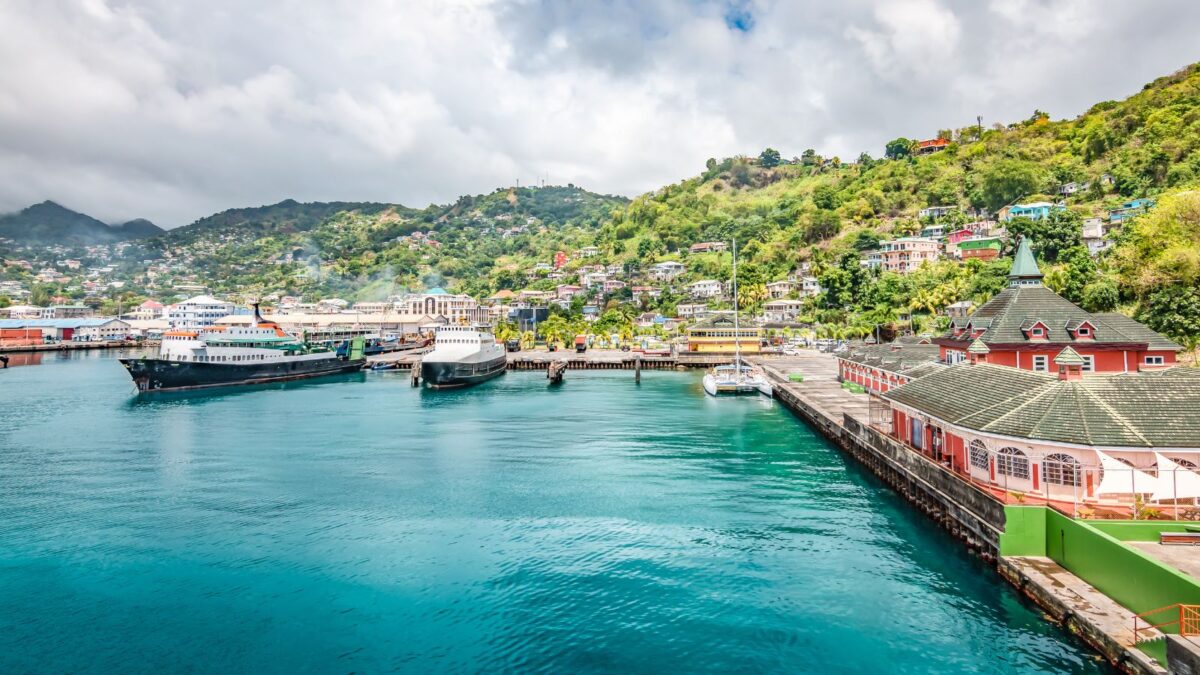
Saint Vincent and the Grenadines is a stunning multi-island Caribbean nation where yacht-filled harbors, chic private isles, and volcanic landscapes invite exploration.
The lush, unspoiled nature of the main island, Saint Vincent, features attractions like the La Soufriere volcano and the botanical gardens, one of the oldest in the Western Hemisphere. The Grenadines are renowned for their exquisite beauty, offering superb sailing, snorkeling, and secluded sands at places like Bequia and Mustique.
While it is gaining popularity, Saint Vincent and the Grenadines remains less frequented due to its relative inaccessibility and the expensive cost associated with its luxurious private island resorts. This exclusivity keeps the crowds at bay, providing a more intimate and elite Caribbean experience.
19. Dominica

Dominica, often called the “Nature Island” of the Caribbean, offers lush mountainous rainforests, abundant natural hot springs, and over 365 rivers. It is a haven for eco-tourists and outdoor enthusiasts, with trails that lead through tropical landscapes to stunning waterfalls and the boiling lake in Morne Trois Pitons National Park.
Dominica’s commitment to conservation and sustainable tourism makes it ideal for those seeking an immersive nature experience. The rich Creole culture and the annual World Creole Music Festival add to its allure.
Dominica’s rugged terrain and focus on eco-tourism rather than traditional beach holidays deter some visitors. The island’s travel connections are not as robust as its neighbors, requiring more effort to reach, which helps preserve its pristine environmental and cultural heritage.
20. Bhutan

Bhutan stands apart with its deep commitment to preserving Buddhist traditions and prioritizing Gross National Happiness over GDP. This Himalayan kingdom enchants visitors with its majestic fortresses (dzongs), serene monasteries, and breathtaking landscapes that range from subtropical plains to steep mountains.
Thimphu and Paro showcase the harmony of ancient traditions and modernity, while the iconic trek to the Tiger’s Nest Monastery offers a spiritual journey unmatched worldwide.
Bhutan controls tourist inflows through a high daily fee, including accommodation, food, transport, and guide services. This policy ensures sustainable tourism, preserves its unique culture and environment, and limits the number of visitors.