The Best National Parks to Visit During the Winter
Winter. Dreary, rainy, blah winter. It can be so draining, and depressing! Let’s break out of those winter blues and experience something incredible! America has 63 National Parks, all of which are insanely beautiful. Most people use their summer vacations for exploring these National Treasures, but I’m here to tell you to shake it up, and visit during the winter!
It doesn’t matter if you are trying to find somewhere warm, or somewhere to experience a winter wonderland, there is a National Park just for you! Read on to find the Best National Parks to visit during the Winter!
National Parks that Embrace Winter

If you love the cold weather (why?) and dream of snowy, beautiful landscapes, these parks are perfect for you. Not only will they be beautiful, but will have less people too!
Check the NPS website for your park to be aware of any closures occurring during your visit, and come prepared with the 10 essentials.
Yellowstone

Yellowstone in the winter is nothing short of magical. With its geysers steaming in the crisp air and the landscape blanketed in snow, it’s a serene and awe-inspiring experience. The park is less crowded, making it an ideal time to enjoy its natural beauty without the hustle and bustle of summer tourists.
Winter also brings unique opportunities, such as snowshoeing and guided snowmobile tours, offering a different perspective on the park’s diverse wildlife and geothermal features.
If you’re lucky, you might even glimpse wolves against the stark white backdrop, a sight that will stay with you forever.
Mount Rainier
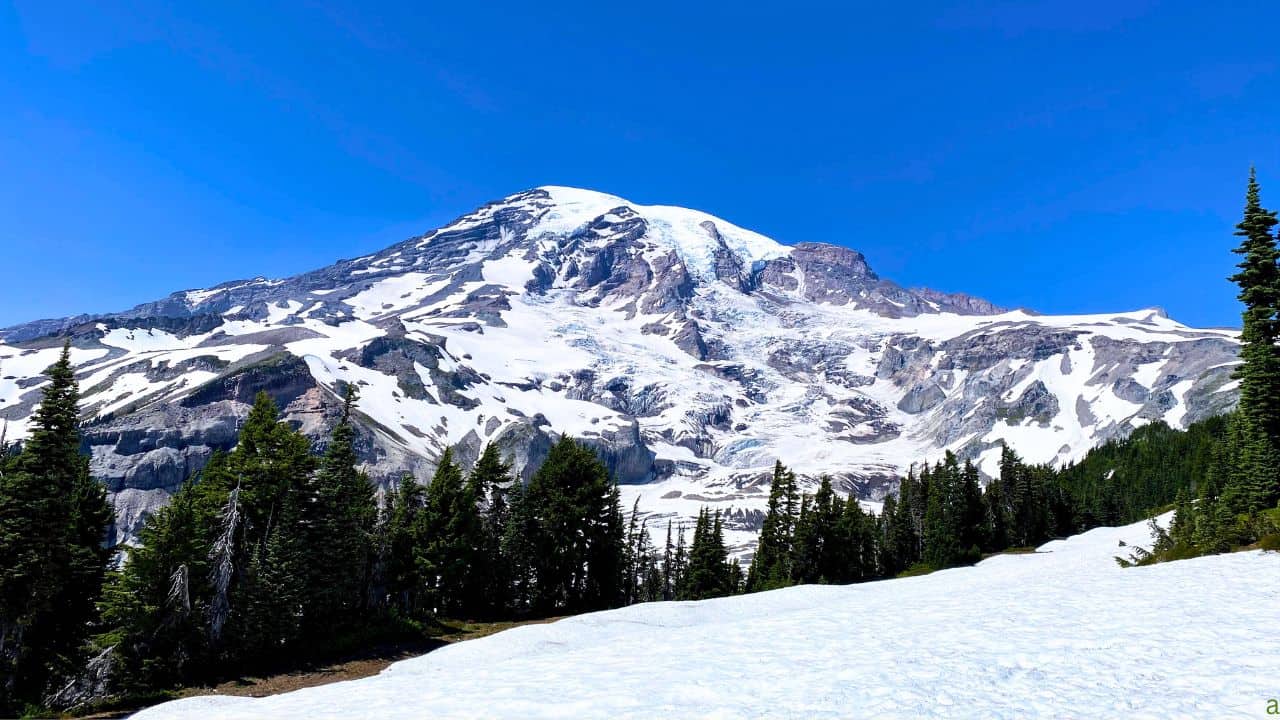
Mount Rainier, with its towering peak and dense evergreen forests, is transformed into a winter wonderland during the colder months. The park’s heavy snowfall turns it into a haven for snow sports enthusiasts, offering activities like snowshoeing, cross-country skiing, and snowboarding.
The snow-covered landscape provides a peaceful escape, where the only sounds you’ll hear are the crunch of snow underfoot and the occasional call of a mountain bird.
The lower visitation rates mean you can explore at your own pace, savoring the quiet beauty of one of Washington’s most iconic parks.
Crater Lake

Crater Lake National Park in winter is a sight to behold. The deep blue of the lake, contrasted with the surrounding snow, creates a stunning visual that’s worth braving the cold. While some of the park’s roads may be closed due to snow, the rim drive is open for snowshoers and cross-country skiers, offering breathtaking views that few get to see in person.
Wintertime also means fewer visitors, allowing you to experience the park’s tranquility and catch a glimpse of the elusive gray jays that frequent the area.
Glacier
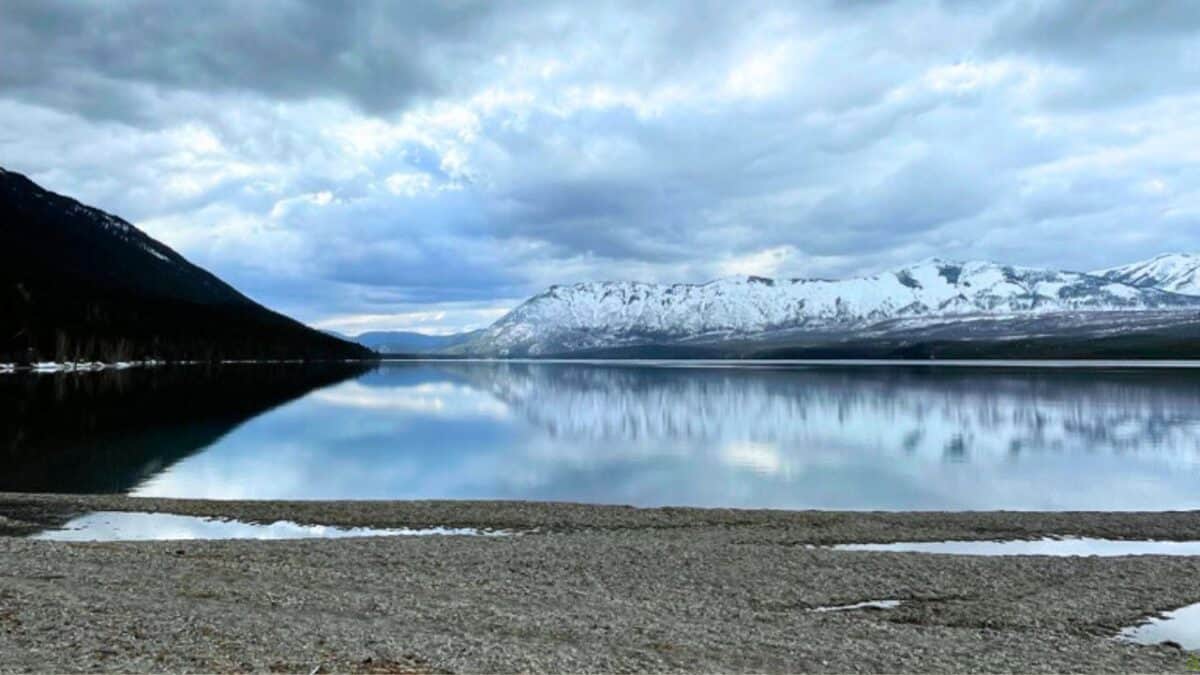
Glacier National Park in winter is a dramatic and serene landscape, where the rugged peaks are draped in snow and the lakes are encased in ice. The park’s solitude during this season offers a unique opportunity to experience its wilderness in a way that few do.
Cross-country skiing and snowshoeing are popular winter activities, providing access to the park’s most beautiful spots. Wildlife such as moose, elk, and even the occasional bear may be spotted as they forage through the snow, adding a touch of wildness to your visit.
Rocky Mountain

Rocky Mountain National Park transforms into a snowy paradise in the winter, making it a top destination for those seeking a true alpine experience. The park’s high elevation ensures plenty of snow, perfect for activities like snowshoeing, cross-country skiing, and even backcountry skiing for the more adventurous.
The snow-covered peaks and frozen lakes create a postcard-perfect setting, and the reduced crowds mean you can explore in peace. Plus, winter is the best time to spot elk, often seen in the lower valleys, grazing against the snowy backdrop.
Zion National Park

Zion National Park offers a different kind of winter experience, one that contrasts the stark beauty of the desert with the occasional dusting of snow on its red rock formations. The cooler temperatures make hiking more comfortable, allowing you to explore iconic trails like Angel’s Landing without the intense summer heat.
The park’s lower elevations rarely see heavy snow, making it accessible, while the higher elevations can provide a stunning contrast with their snowy peaks. Winter is also the perfect time to enjoy the park’s serenity, as fewer visitors mean you can truly connect with the natural surroundings.
Shenandoah National Park

Shenandoah National Park in winter is a peaceful retreat where you can immerse yourself in the quiet beauty of the Appalachian Mountains. The park’s Skyline Drive, often blanketed in snow, offers stunning vistas of the surrounding valleys and distant peaks.
Winter hiking here is a solitary experience, with trails like Old Rag Mountain providing challenging but rewarding treks. The bare trees reveal the park’s rocky outcrops and hidden vistas, making winter an ideal time to explore. Plus, with fewer visitors, you can enjoy the park’s tranquility, perhaps spotting a white-tailed deer or two as you go.
Great Smoky Mountain National Park

The Great Smoky Mountains take on a mystical quality in winter, with mist rising from the valleys and snow dusting the higher elevations. The park’s winter landscape is quieter and more serene, offering a perfect escape from the hustle and bustle of everyday life.
Hiking trails that are crowded in the summer are peaceful and more enjoyable, allowing you to connect with nature. Winter is also the best time for wildlife spotting, as the bare trees make it easier to see animals like deer and wild turkey. And don’t forget the stunning sunrises and sunsets that paint the snowy peaks in shades of pink and gold.
National Parks That Ignore Winter

If you want to use your National Park vacation to escape the winter and visit someplace warm and sunny, this list is for you. Forget the snow, grab sunscreen and hiking shoes, and hit one of these gloriously sunny parks.
Big Bend National Park

Big Bend National Park, located in the heart of the Texas desert, offers a warm escape from winter’s chill. The park’s vast desert landscape is stunning in the cooler months, with mild temperatures making it perfect for hiking, camping, and stargazing.
Winter is the ideal time to explore the park’s diverse terrain, from the Chisos Mountains to the Rio Grande River, without the oppressive heat of summer. The clear, crisp air also makes it one of the best times of year for photography, capturing the park’s rugged beauty against the backdrop of brilliant blue skies.
Everglades National Park

Winter is the best time to visit Everglades National Park, as the cooler, drier weather brings a welcome break from Florida’s heat and humidity. The park’s unique ecosystem, with its vast wetlands, mangroves, and sawgrass marshes, is teeming with wildlife during this season.
Birdwatchers will be in paradise as migratory birds flock to the area, and it’s also an excellent time to spot alligators basking in the sun. With fewer mosquitoes and lower humidity, winter offers a comfortable and enjoyable experience as you explore the park’s waterways by kayak or airboat.
Volcanoes National Park

Hawaii’s Volcanoes National Park is a tropical escape where winter feels like summer. The park is home to two of the world’s most active volcanoes, Kīlauea and Mauna Loa, and winter is an excellent time to witness their fiery displays.
The park’s lower elevations remain warm and lush year-round, with vibrant rainforests, lava tubes, and stunning coastal views to explore. Winter is also the season for whale watching, as humpback whales migrate to Hawaiian waters, making it a perfect time for a visit that combines volcanic adventure with marine wildlife.
Dry Tortugas National Park

Located 70 miles off the coast of Key West, Dry Tortugas National Park is a tropical paradise that seems to ignore the existence of winter entirely. The park is best known for its crystal-clear waters, coral reefs, and the historic Fort Jefferson.
Winter is an ideal time to visit, with warm temperatures perfect for snorkeling, swimming, and exploring the fort. The cooler season also brings fewer crowds, allowing you to enjoy the tranquility of this remote island destination and its vibrant underwater world.
Saguaro National Park

Saguaro National Park, split into two districts around Tucson, Arizona, offers a warm and sunny escape during the winter months. The park is famous for its towering saguaro cacti, which stand tall against the desert landscape.
Winter is the perfect time to hike through the park’s diverse terrain, from desert flats to rugged mountains, without the intense heat of summer. The mild temperatures and clear skies make it an ideal season for exploring the park’s scenic drives, trails, and panoramic vistas, all while enjoying the unique desert flora and fauna.
Haleakalā National Park

Haleakalā National Park in Maui is a place where winter means mild temperatures and breathtaking sunrises above the clouds. The park is centered around the massive Haleakalā Crater, a dormant volcano that offers stunning views and unique landscapes.
Winter is a great time to visit, as the cooler weather makes hiking and exploring the crater more comfortable. The park’s high elevation means you might even see a dusting of snow on the summit, while down below, the lush, tropical sections of the park remain warm and inviting.
Winter is also a great time for stargazing, as the clear, dark skies provide an unforgettable view of the stars.
Biscayne National Park

Biscayne National Park, located just off the coast of Miami, offers a warm, tropical escape during the winter months. The park is mostly underwater, with vibrant coral reefs, mangrove forests, and clear, turquoise waters perfect for snorkeling and diving.
Winter is the best time to explore the park’s marine life, with calm seas and excellent visibility. The cooler weather on land makes it ideal for enjoying a boat tour or kayaking through the park’s many islands and bays.
Plus, Miami’s bustling city is just a short drive away, and you can enjoy both urban and natural wonders on one trip.
Virgin Islands National Park

Virgin Islands National Park offers a tropical paradise during the winter months, where the cold of the mainland is just a distant memory. Located on the island of St. John, this park is renowned for its pristine beaches, turquoise waters, and vibrant coral reefs. Winter is the perfect time to visit, with warm temperatures and clear skies ideal for snorkeling, diving, and exploring the park’s lush, tropical landscapes.
Whether you’re hiking through the island’s dense forests or relaxing on a secluded beach, the Virgin Islands National Park provides a peaceful escape from winter’s chill, with fewer crowds and endless opportunities for relaxation and adventure.
American Samoa National Park

American Samoa National Park provides a unique and remote getaway, far removed from the cold and bustle of winter. Spanning three of the American Samoa islands, this park is a hidden gem, offering rugged coastlines, lush rainforests, and rich Samoan culture.
Winter in American Samoa is warm and inviting, making it an excellent time for hiking, snorkeling, and immersing yourself in the park’s vibrant ecosystems. The park’s remoteness means it’s one of the least visited, allowing you to enjoy its natural beauty in relative solitude.
With its volcanic peaks, coral reefs, and traditional villages, American Samoa National Park is a perfect winter retreat for those looking to experience something truly off the beaten path.
Which Park Are You Heading To This Winter?

As for me, we drive to Glacier National Park every year. It’s about 9 hours from our home and is one of our favorite places to visit. I’ll also be exploring American Samoa National Park this winter, and Im excited to check that out.
Let me know in the comments, your favorite winter escape.