10 of The Most Dangerous National Parks in the U.S.
The U.S. National Parks have long been sanctuaries for nature lovers, drawing wanderers worldwide to witness landscapes that seem drawn from fairytales.
But beneath their serene veneer lies danger — raw, unforgiving, and often unpredictable. Here are the most treacherous trails, teetering on the edge of the continent’s wild heart.
1. Denali National Park, Alaska

Alaska’s sprawling Denali National Park is the zenith of the American wilderness. At over 6 million acres, it’s home to North America’s tallest peak; this vastness is not without its perils.
Denali’s isolation and subarctic weather make it a sterile environment. For climbers and hikers alike, the threat of being stranded or suffering from hypothermia is a looming reality. And then there’s the park’s most famed citizen — the grizzly bear — a powerful and unpredictable neighbor.
2. Grand Canyon National Park, Arizona
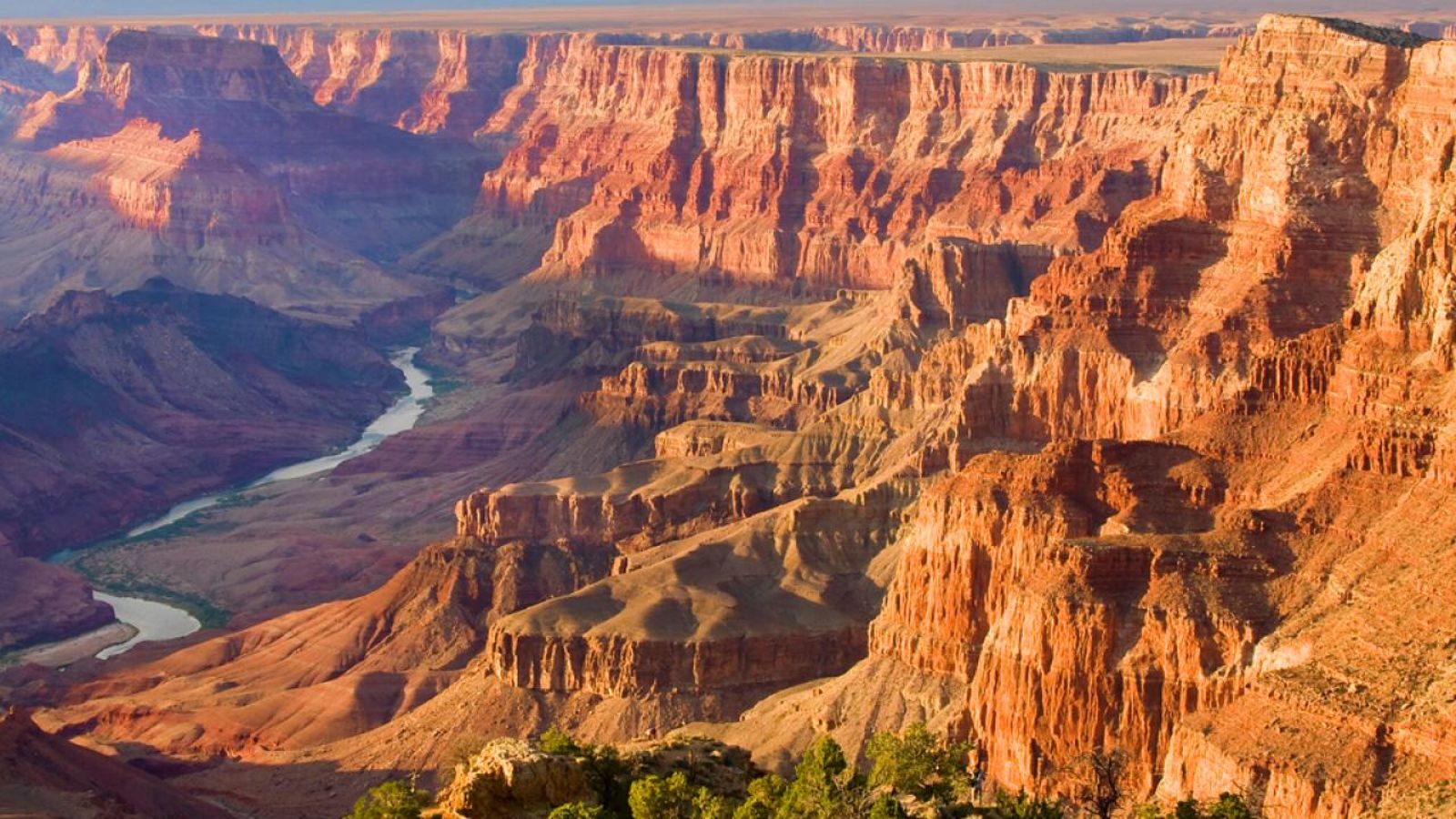
The Grand Canyon stands as a testament to geological time, but within its labyrinthine depths, time feels distorted.
The expansive chasm is home to an extreme desert environment, with summer temperatures soaring above 100°F (38°C). Flash floods can transform dry washes into raging rivers with little warning, and the sheer cliffs are a constant reminder of the canyon’s unforgiving nature.
3. Yellowstone National Park, Wyoming
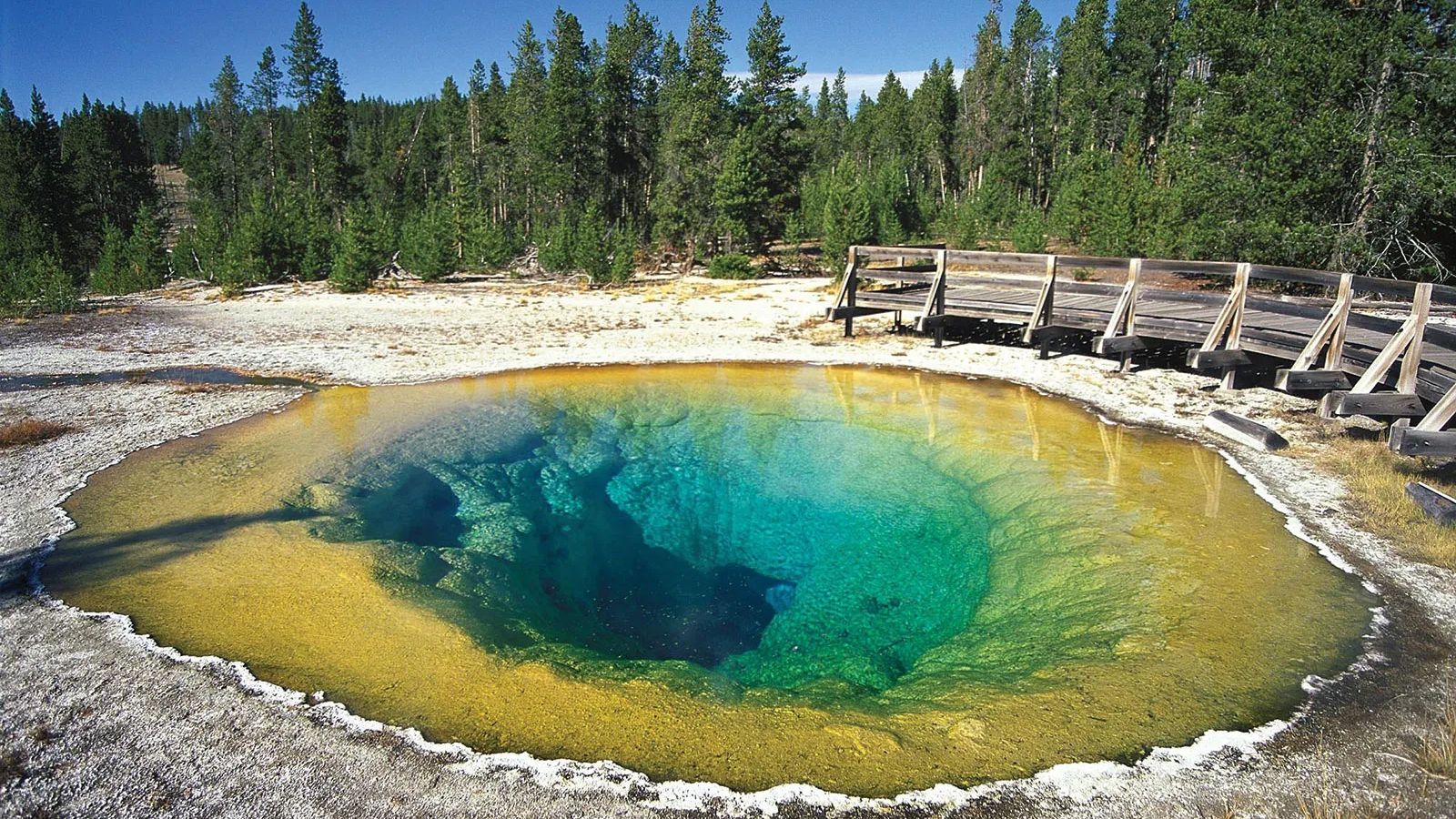
Its iconic geysers and hot springs can scald in an instant. The National Park Service states that The Great Fountain Geyser is just one gem among over 10,000 hydrothermal wonders in Yellowstone. This national park safeguards our planet’s most extraordinary hot springs, geysers, mud pots, and fumaroles.
With over 10,000 hydrothermal features here, including a whopping 500 geysers, Yellowstone is a true natural marvel to behold. Meanwhile, the park’s megafauna command respect and distance. And the weather? It’s as changeable as the landscape, turning a sunny day into a bitter, snow-shrouded night.
4. Yosemite National Park, California

The park’s high elevation can cause shortness of breath and altitude sickness for the unacclimatized.
Rockfalls are dangerous in the park’s steep valleys, and its backcountry can easily disorient the unprepared.
5. Rocky Mountain National Park, Colorado

Here in the heart of the Rockies, the air thins, and the weather turns fickle. Altitude sickness can strike as low as 8,000 feet (2,438 meters), causing nausea and disorientation.
Take your time acclimating to the altitude. Drink plenty of water and avoid overexertion, especially on your first day. For animal encounters, make noise while hiking to avoid surprising wildlife and carry bear spray in case of a close encounter.
6. Great Smoky Mountains National Park, Tennessee/North Carolina
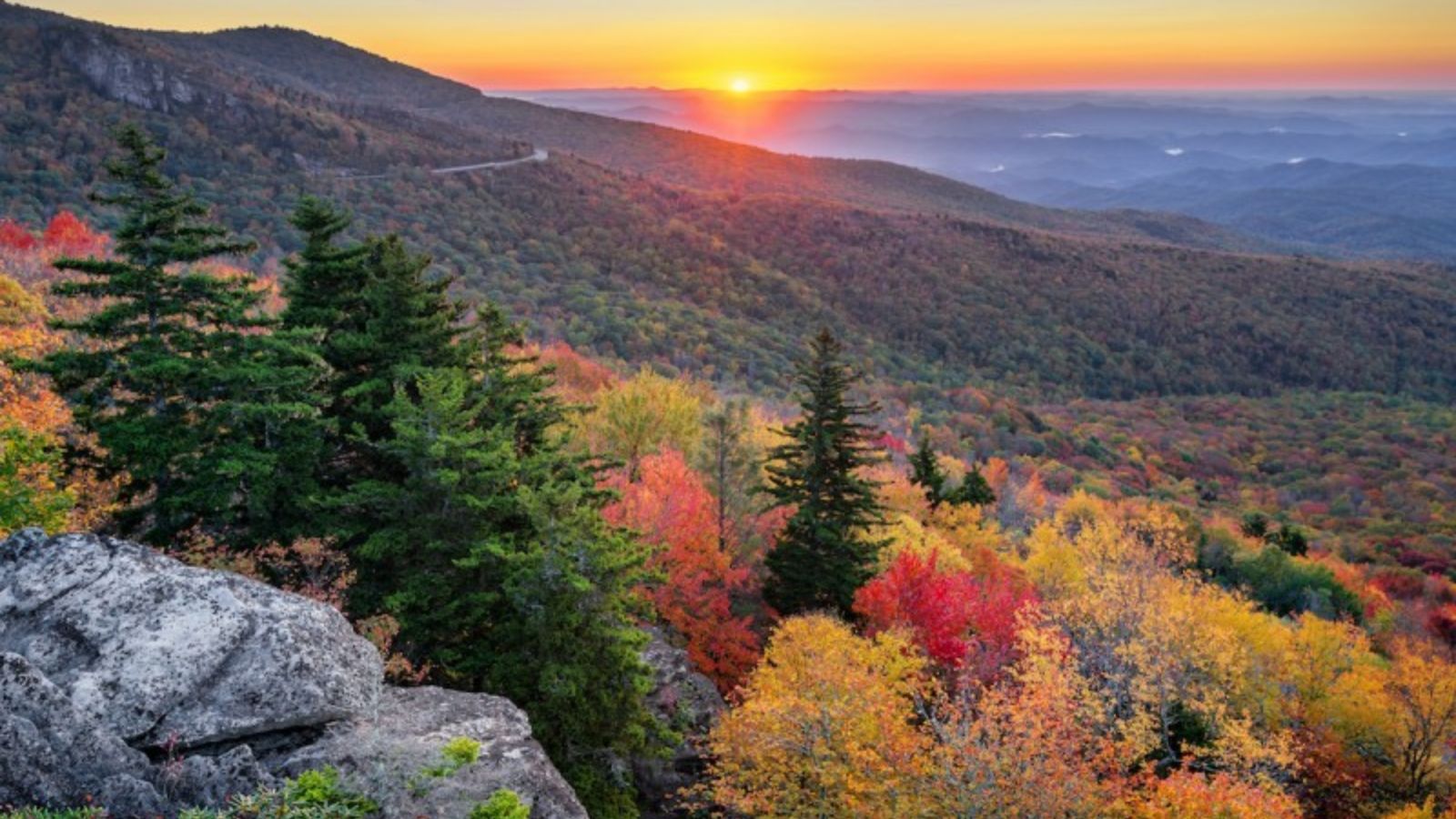
The Smokies, shrouded in their eponymous mist, have claimed their fair share of lives. Steep trails can lead to falls, and the thick vegetation can easily obscure the path.
Wear appropriate footwear with good traction. Pay close attention to trail markers and take regular compass readings. Plan your hikes to avoid being caught by nightfall near a swollen stream.
7. Glacier National Park, Montana

Glacier’s pristine wilderness harbors a hidden danger in every snowfield. From the awe-inspiring scenery to the unnerving sight of a grizzly bear, it embodies the rugged American West.
Always travel with a friend, and ensure at least one of you has glacier travel experience. Carry avalanche safety equipment and know how to use it. For wildlife, make your presence known, especially where visibility is limited.
8. Zion National Park, Utah
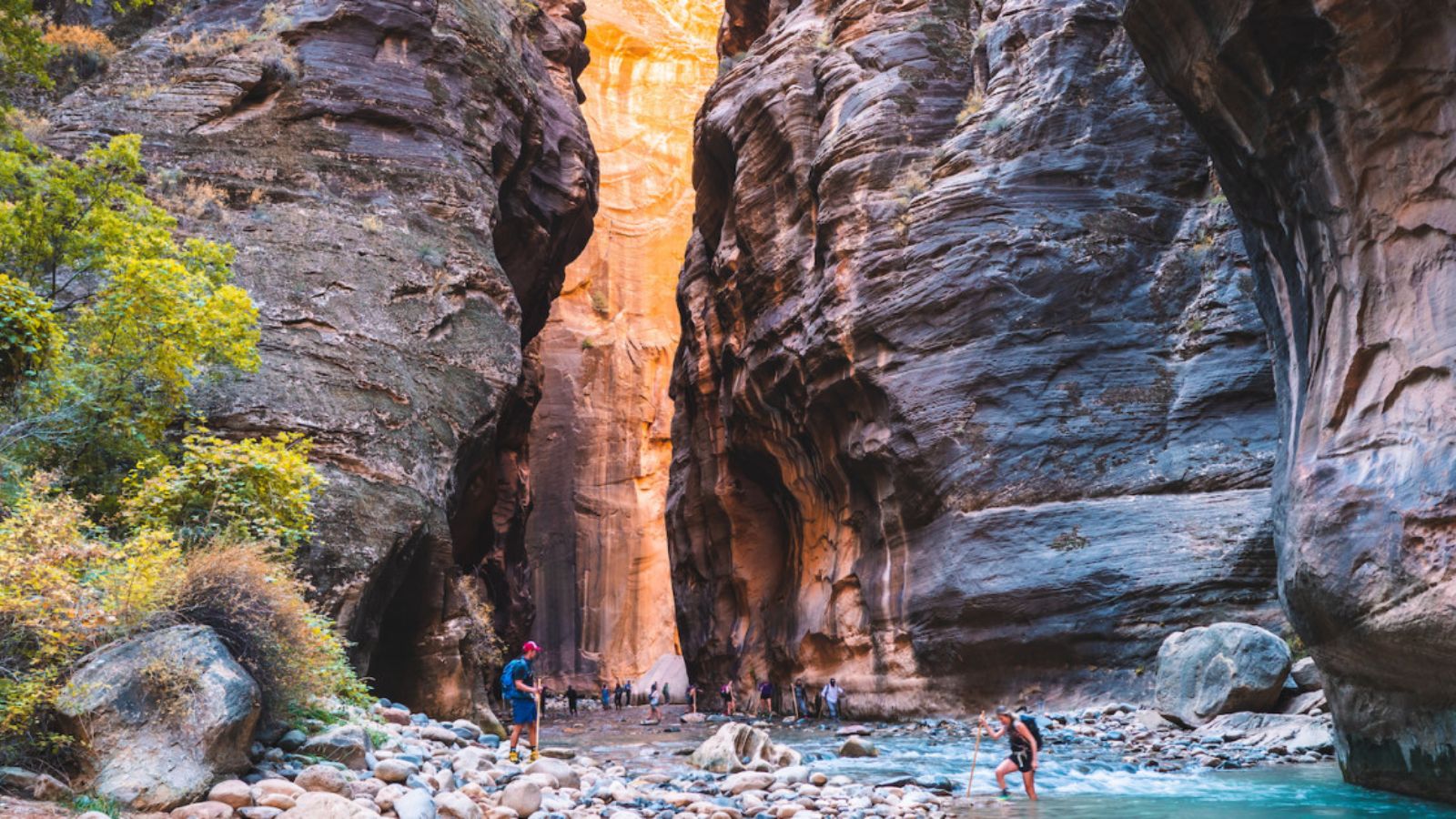
A tapestry of red rock awaits in Zion National Park, but its most beautiful slot canyons hide an ominous secret — flash floods. With little advance notice, these life-threatening events can fill canyons with water in minutes.
Check the forecast before entering a slot canyon. Be prepared to take swift action if conditions change. And remember that high ground can mean the difference between life and death.
9. Olympic National Park, Washington
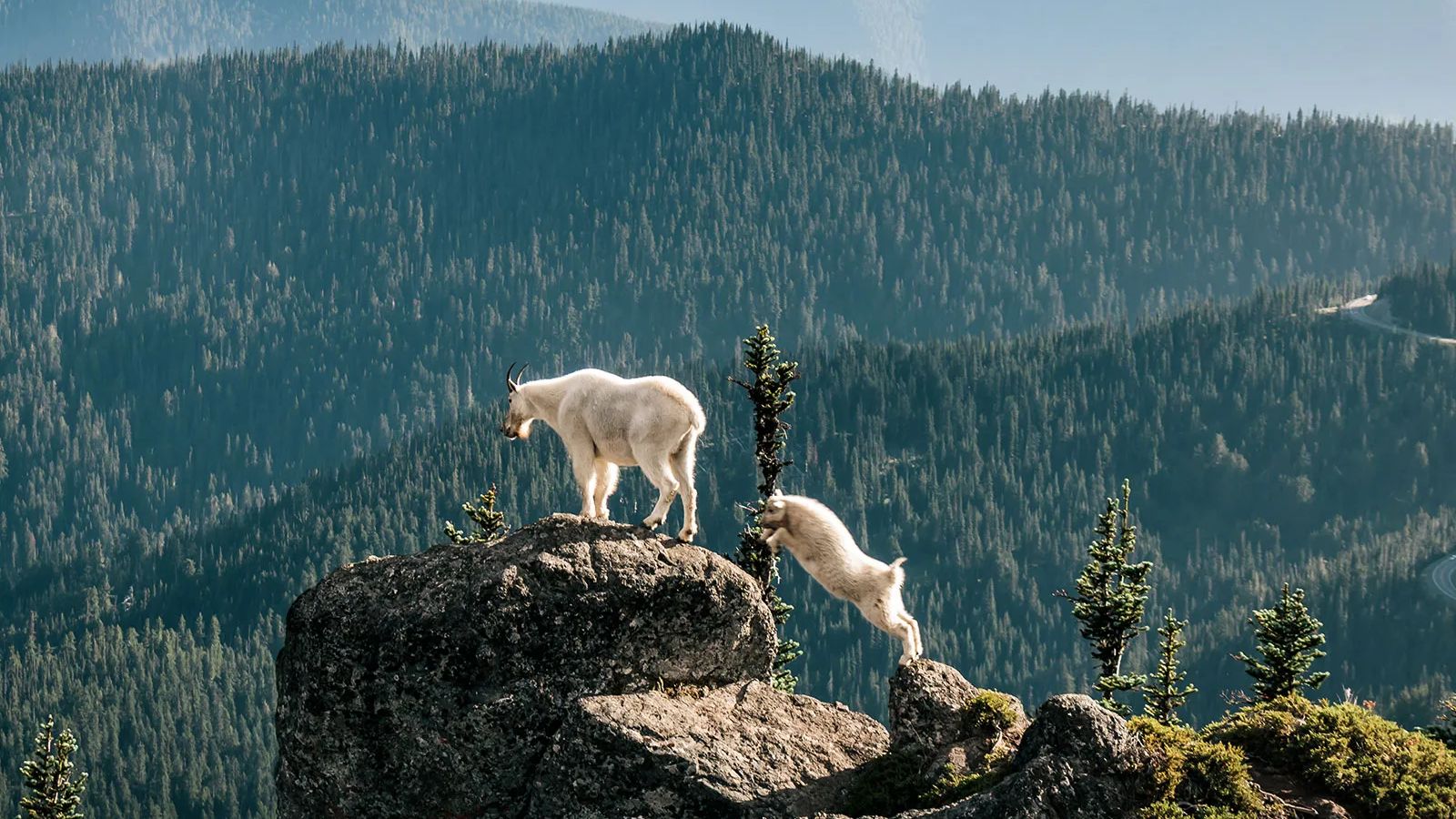
The Olympics’ diverse ecosystems make for a rich but complex environment. Make noise to avoid surprising wildlife, and constantly monitor your surroundings.
Mark your path to ensure a clear return when hiking in dense forests. And, as with any rainforest, waterproof your gear.
10. Acadia National Park, Maine
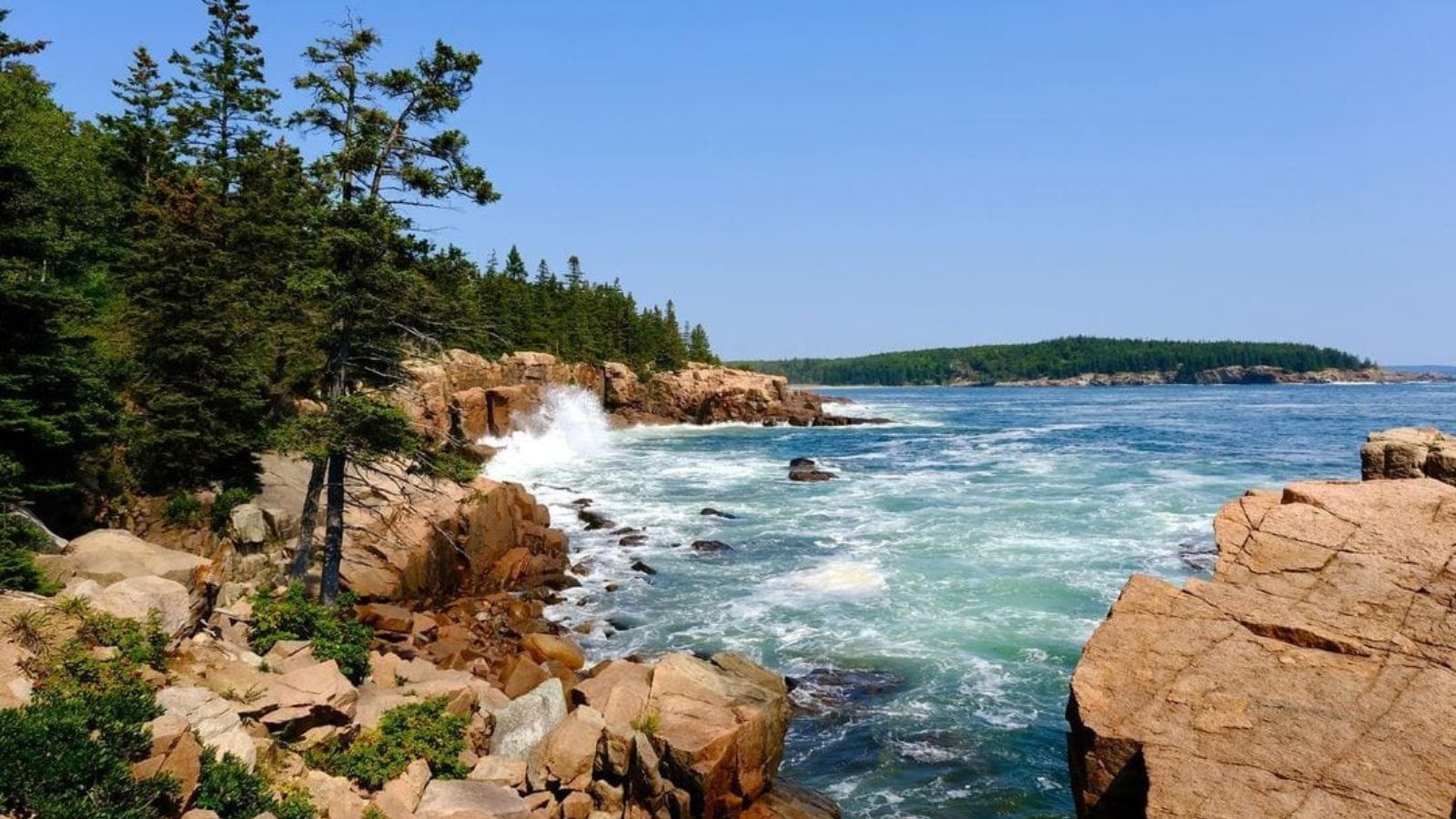
Acadia National Park presents a different kind of danger. Its rocky shores and coasts boast some of the highest tides in the world.
Visitors unprepared for swift waters and changing conditions can find themselves stranded, or worse, in the cold Atlantic.