15 Foods That Can Kill You
Welcome, brave food adventurers, to a journey through the perilous landscape of culinary delights that could spell doom for the unprepared. In a world where food is often associated with nourishment and pleasure, it’s easy to forget that some ingredients harbor deadly secrets.
From seemingly innocent fruits to exotic delicacies, these are the 15 foods that have earned a reputation for being potential killers. So buckle up and get ready to discover the perils concealed in these seemingly innocuous foods as we delve into the shadowy side of the culinary world.
Fugu (Pufferfish)
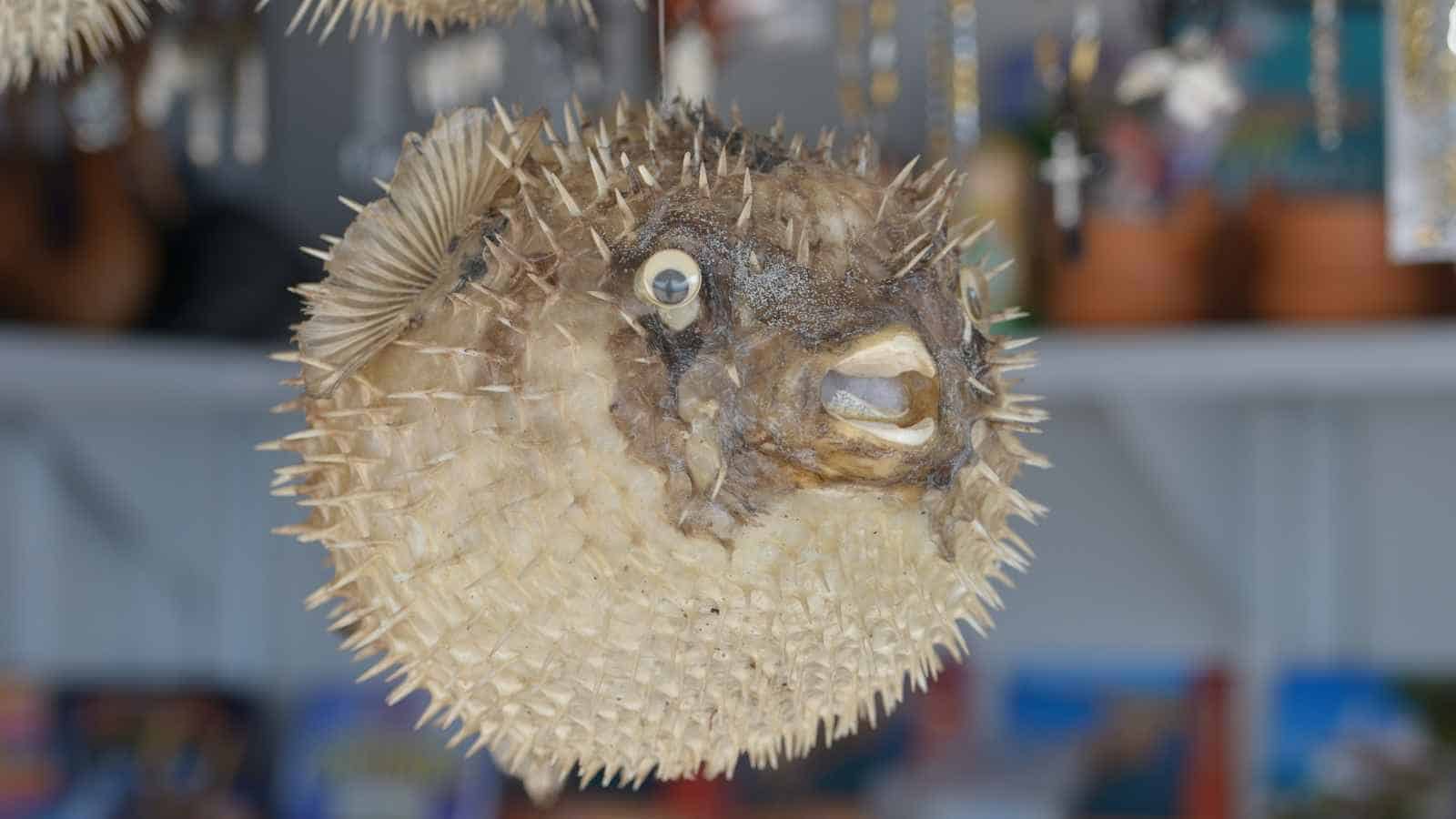
Picture this – a delectable dish with a deadly secret. Fugu, or pufferfish, is a Japanese delicacy notorious for its toxic organs. Chefs must undergo rigorous training to prepare it, as one wrong move could release deadly toxins that can paralyze your muscles and stop your breathing. Talk about a high-stakes dining experience!
Ackee
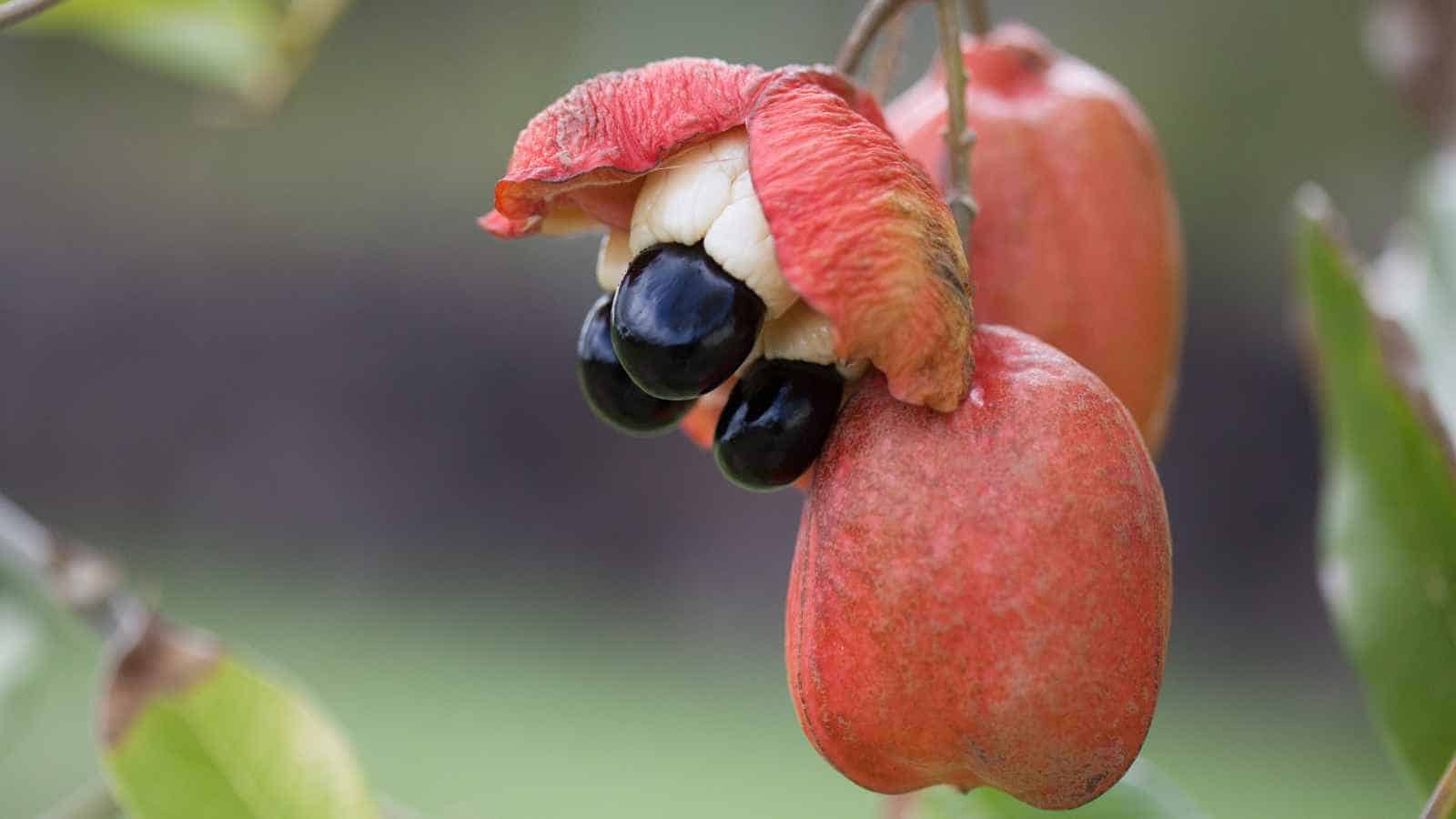
Hailing from the Caribbean, ackee is a fruit with a dark side. Its flesh is buttery and delicious, but if the seeds are eaten before the fruit is mature, they contain toxins that can induce vomiting, convulsions, and even death. So, unless you want your meal to turn into a medical emergency, proceed with caution.
Casu Marzu

If you thought cheese couldn’t be dangerous, think again. Casu marzu, a traditional Sardinian cheese, takes the concept of fermentation to a whole new level by allowing maggots to infest it.
While some consider it a delicacy, ingesting the larvae can lead to intestinal injuries and serious infections. Cheese lovers, beware!
Rhubarb Leaves
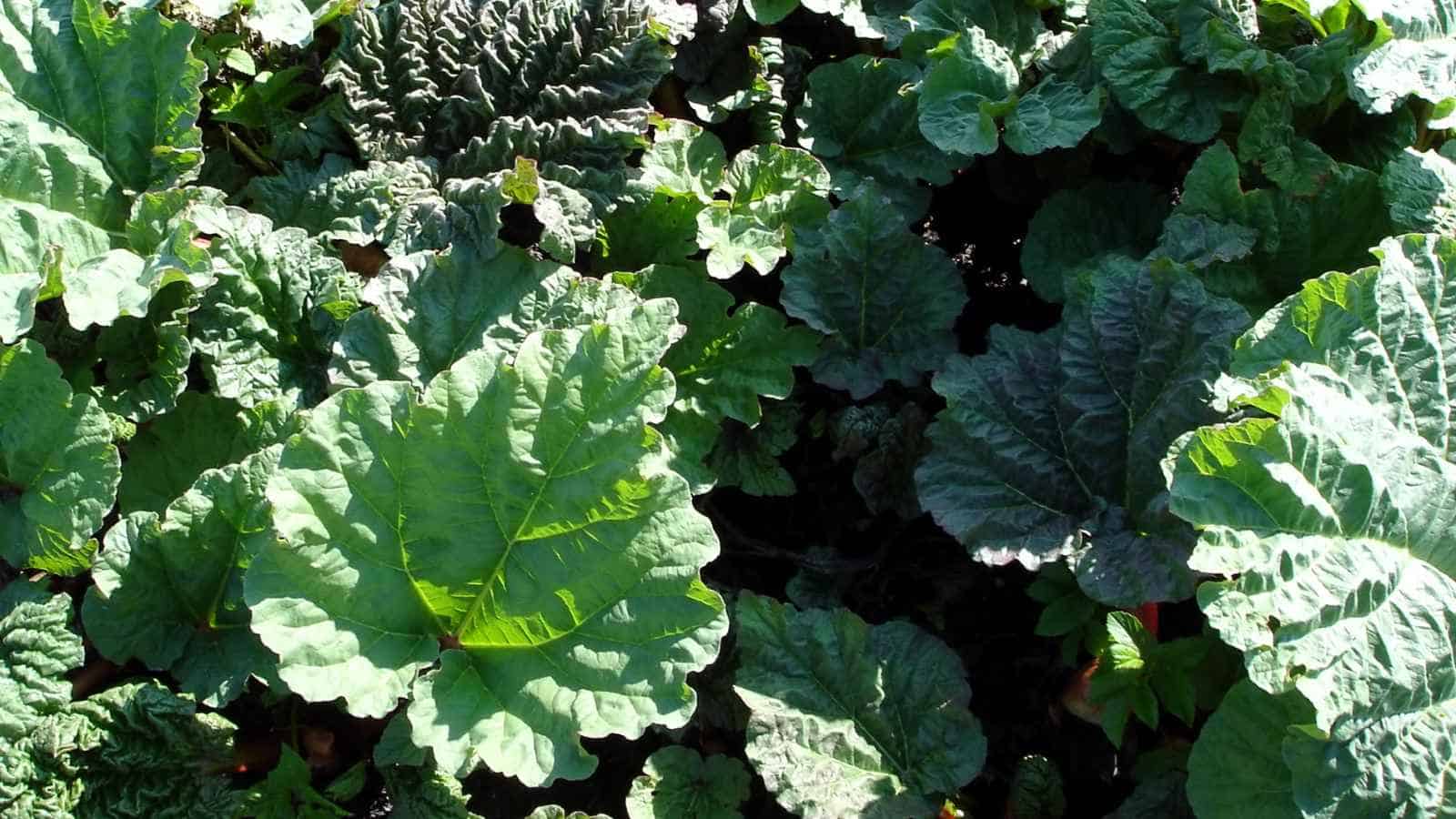
While rhubarb stalks may be a tart addition to pies and jams, its leaves harbor a deadly secret – oxalic acid. Consuming them can lead to symptoms like vomiting, diarrhea, and breathing difficulties. So, leave the leaves out of the mix next time you’re whipping up a rhubarb dessert.
Sannakji (Live Octopus)
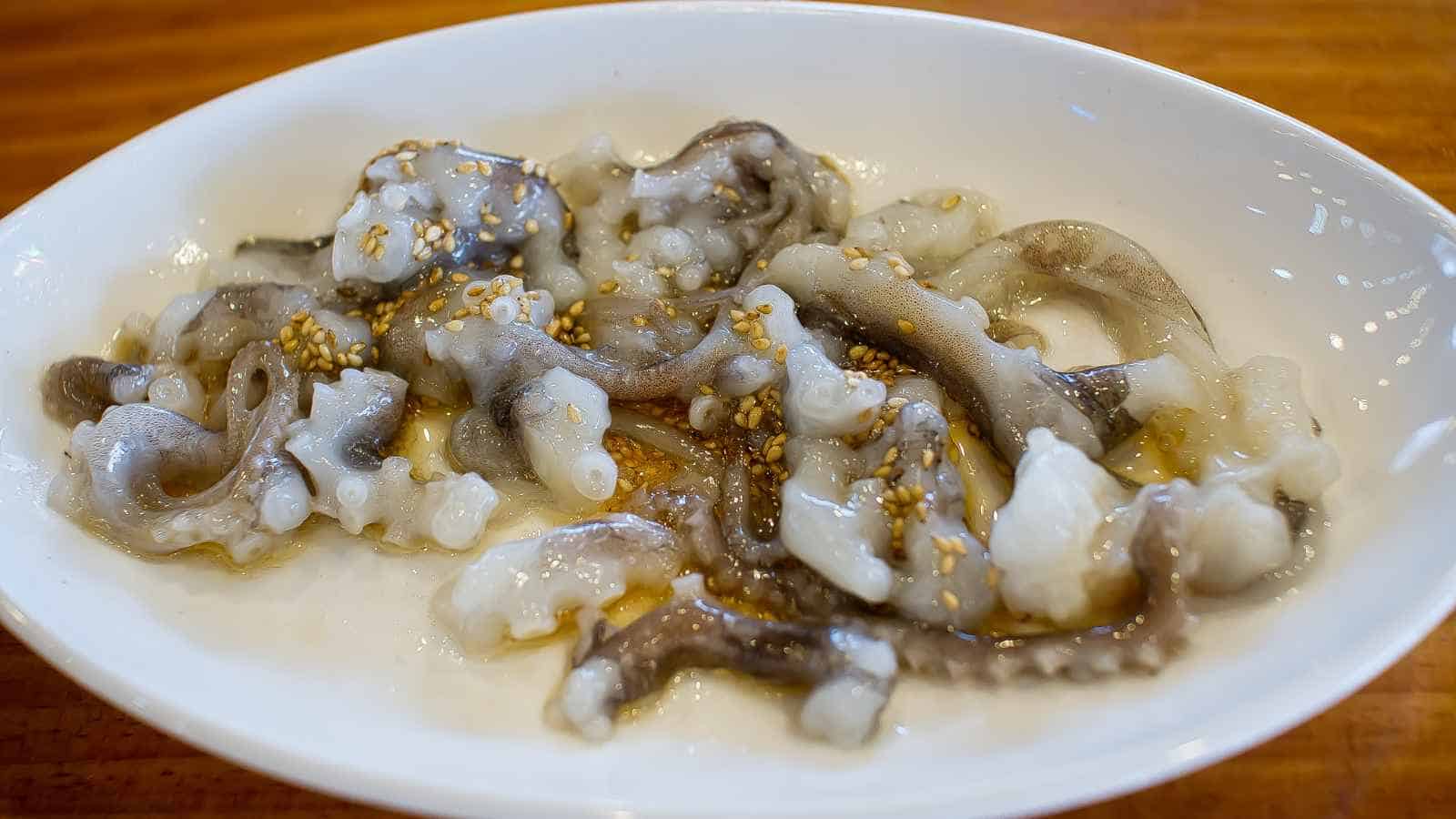
Are you brave enough to try your seafood while it’s still squirming? Sannakji, a Korean dish made with live octopuses, might sound thrilling, but it comes with risks.
The octopus’s tentacles’ suction cups can cling to your throat, causing choking or even suffocation. It’s a meal that truly bites back!
Elderberries
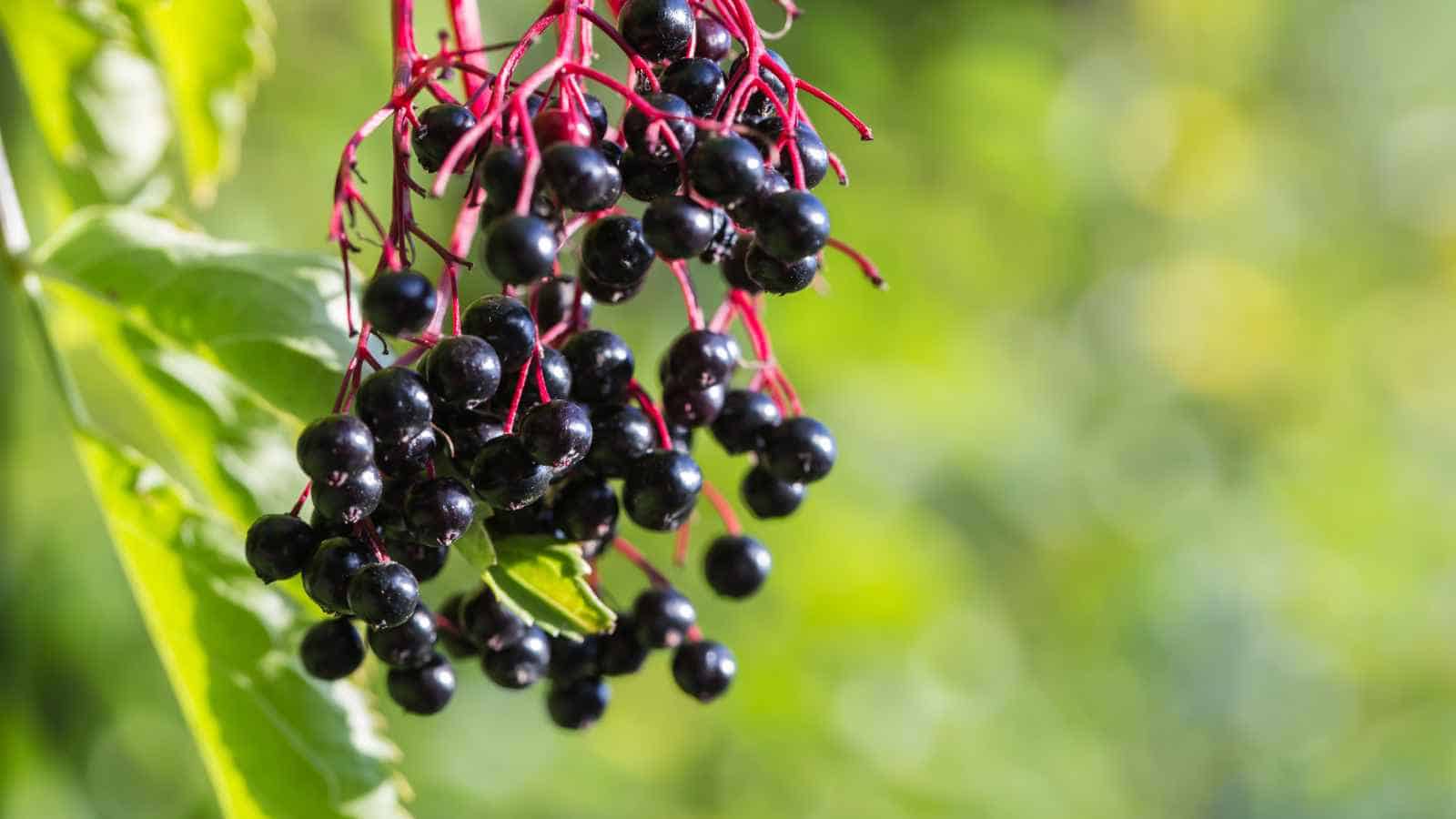
Don’t let their vibrant hue fool you – elderberries can pack a deadly punch if not prepared properly. Their seeds and stems contain cyanide-producing glycosides, which, if consumed in high amounts, can cause symptoms including nausea, vomiting, and even respiratory failure.
So, before you go foraging for elderberries, do your research.
Giant Bullfrog
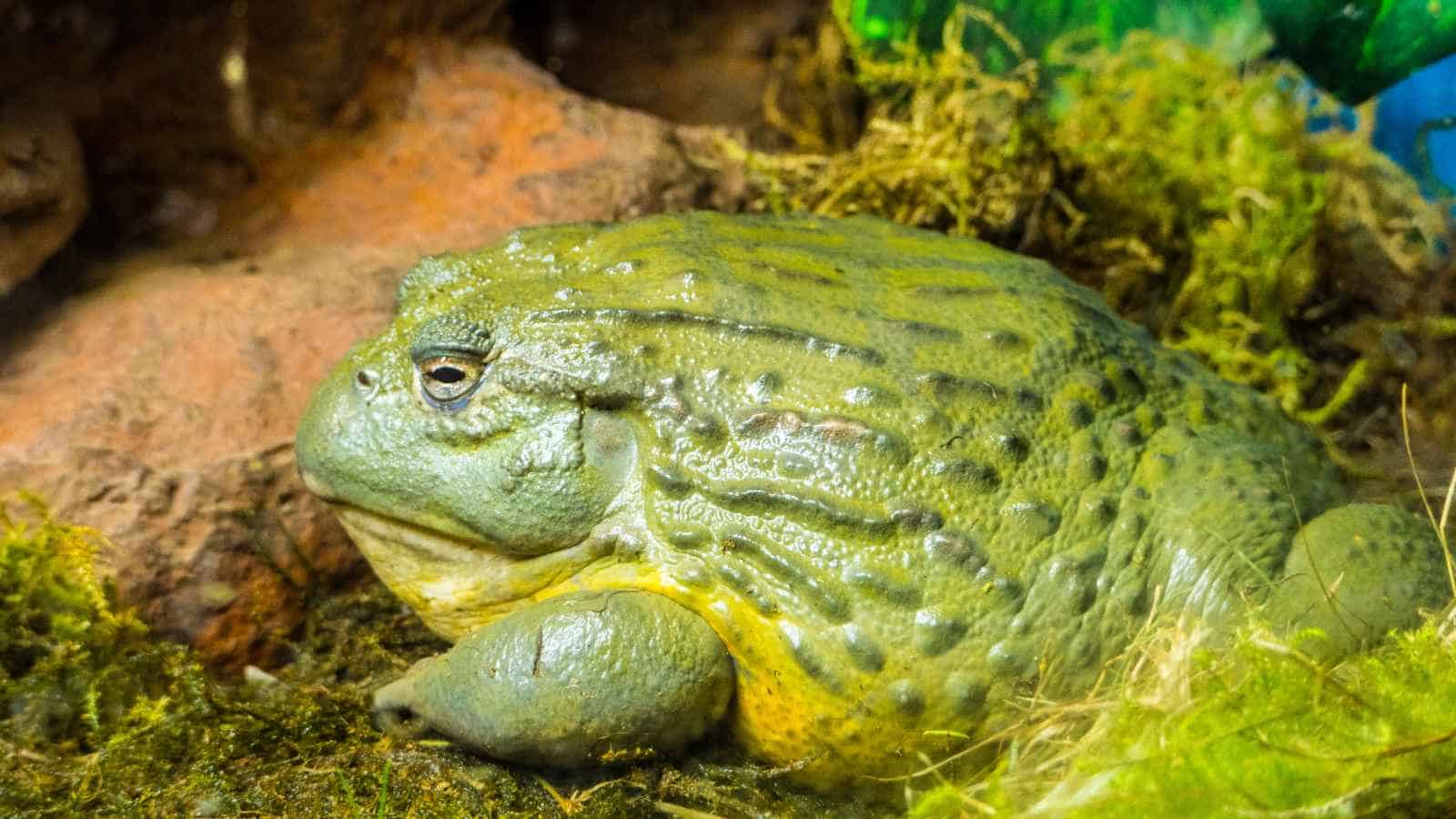
A delicacy in certain parts of the world, the giant bullfrog may seem like a harmless meal. However, its skin and organs contain toxins that can cause kidney failure if not removed and cooked properly. It’s a dish best left to the experts.
Raw Honey
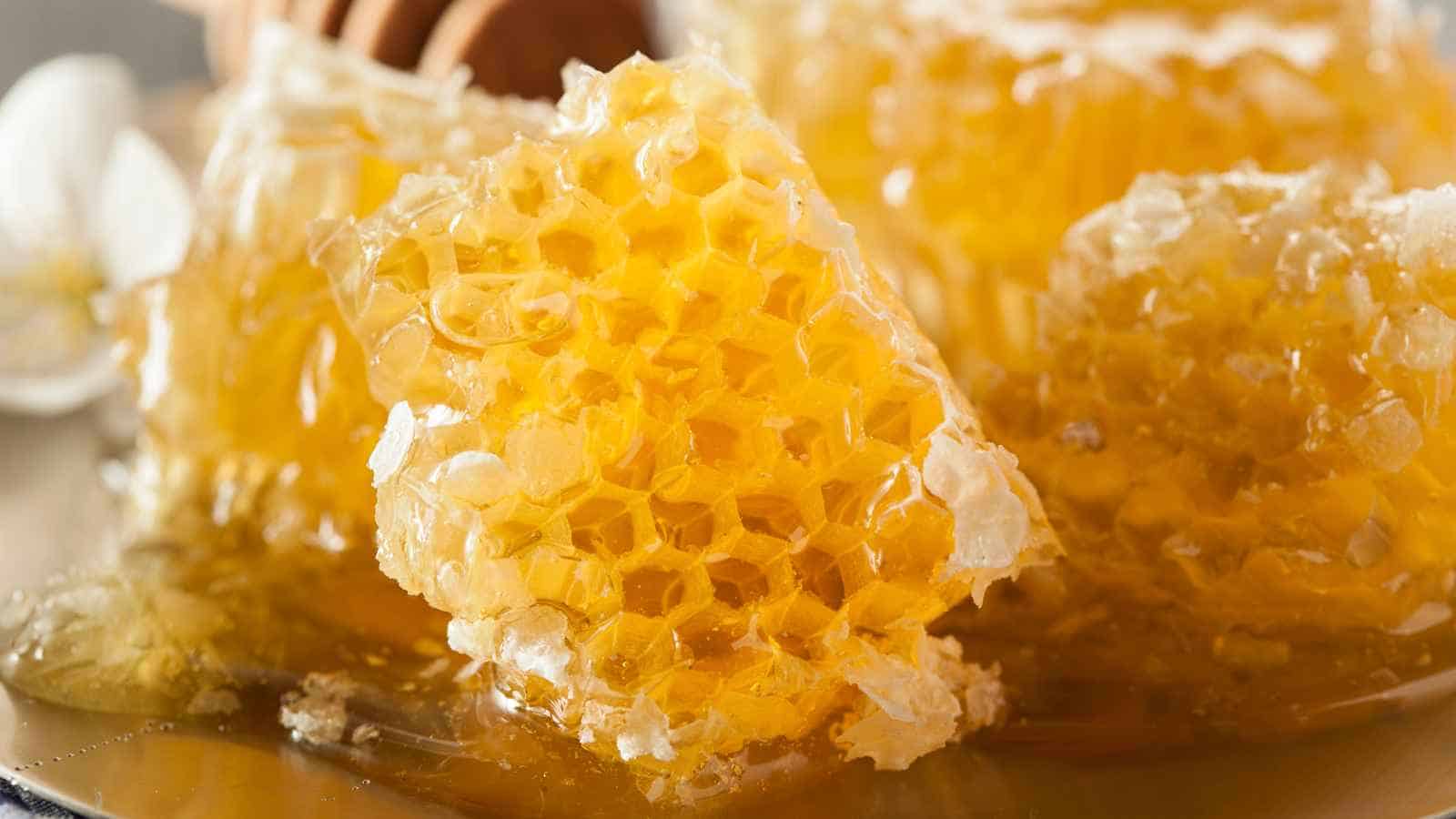
While honey is often hailed as a natural wonder, raw honey can harbor spores of Clostridium botulinum, the bacteria responsible for botulism.
Infants are particularly susceptible to this potentially fatal illness, so it’s essential to avoid giving them raw honey until they’re at least one year old.
Almonds
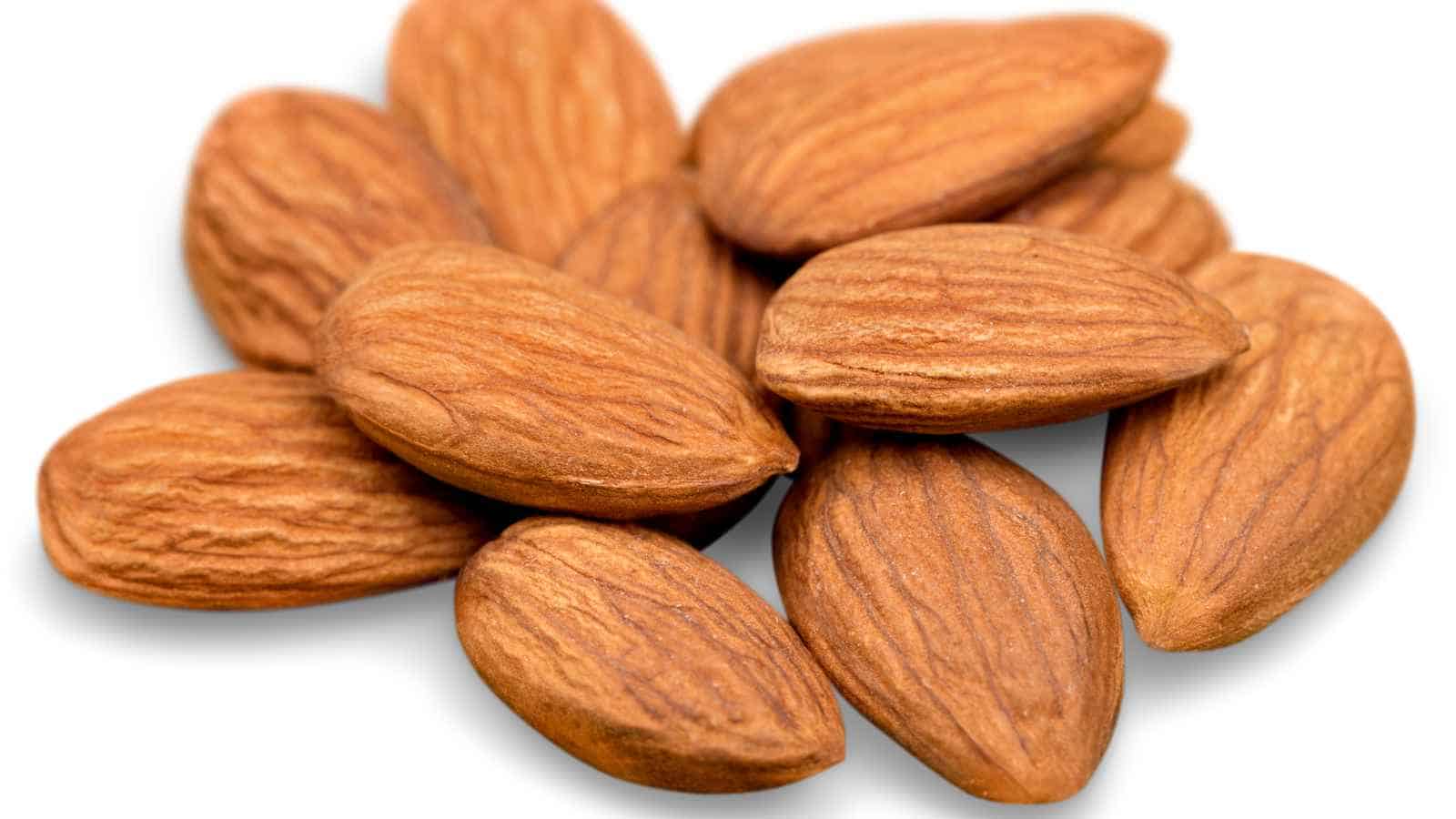
Who knew something as innocent as almonds could be deadly? Certain varieties of bitter almonds contain cyanide, which can be released when chewed or crushed.
While sweet almonds are safe to eat, bitter almonds should be avoided unless processed to remove the toxins.
Nutmeg

Before you sprinkle nutmeg on your eggnog, consider this: Consuming large quantities of nutmeg can cause hallucinations, seizures, and even death.
Its high levels of myristicin can overwhelm the body’s detoxification mechanisms, leading to potentially fatal consequences.
Cassava

A staple in many tropical regions, cassava is a versatile root vegetable. However, it contains cyanogenic glycosides, which can release cyanide when eaten raw or improperly processed.
To enjoy cassava safely, it must be peeled, boiled, or cooked thoroughly to remove the toxins.
Potatoes
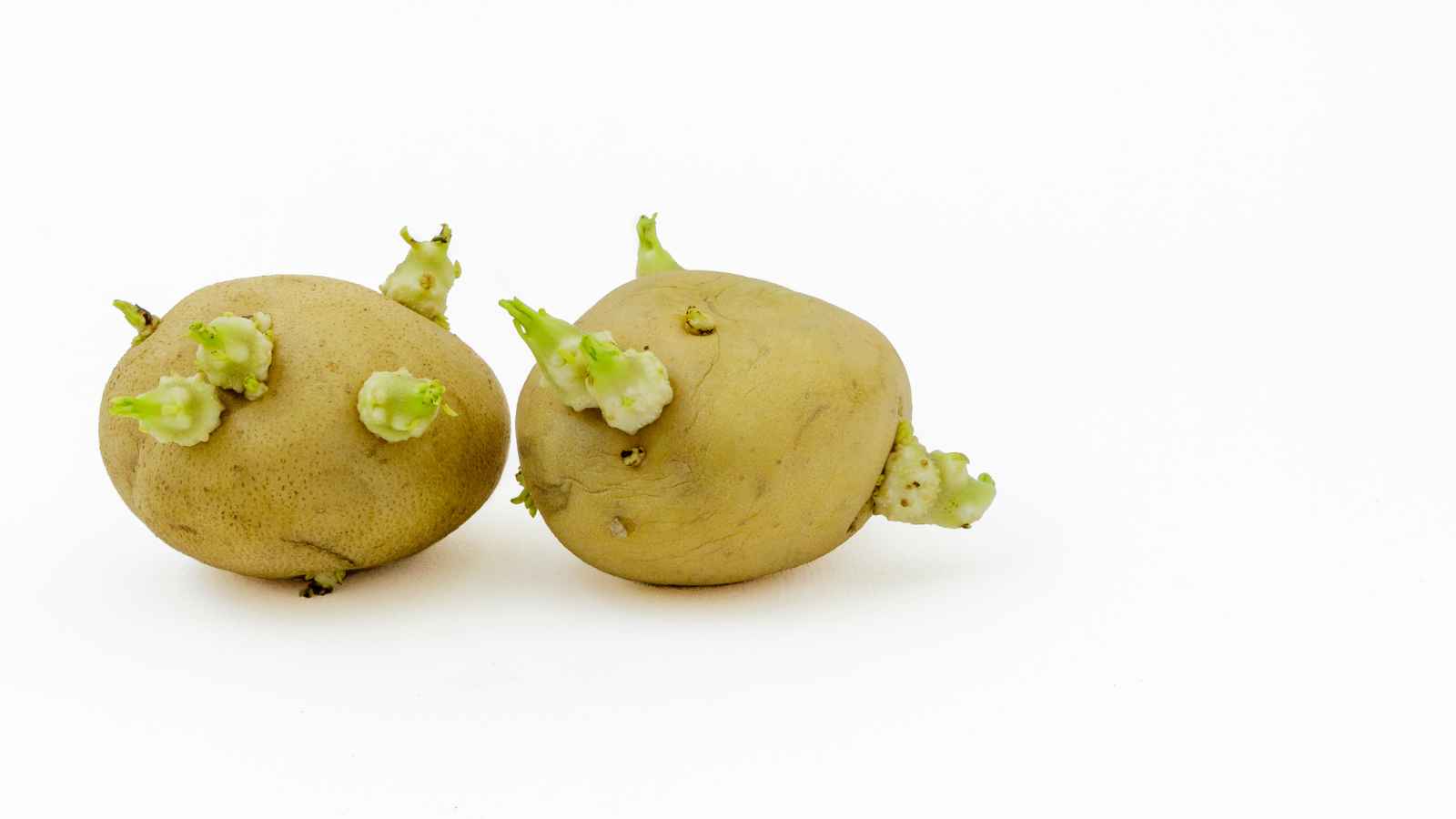
While potatoes are a beloved comfort food, they can turn deadly if they are green or sprouting. These visual cues indicate the presence of solanine, a toxic compound that can cause symptoms like nausea, vomiting, and even paralysis if ingested in large quantities.
Hot Dogs

Yes, even the humble hot dog can be a potential hazard. High in sodium and preservatives, consuming large quantities of hot dogs and other processed meats has been linked to an increased risk of heart disease, cancer, and other health problems. So, while they may be a convenient snack, moderation is key.
Cherry Pits and Apple Seeds

These seemingly innocuous fruit parts contain cyanide-producing compounds that can be harmful if ingested in large quantities.
While accidentally swallowing a cherry pit or apple seed is unlikely to cause harm, consuming them in excess could lead to cyanide poisoning. So, next time you’re munching on cherries or apples, be mindful of those pits and seeds.
Raw Cashews
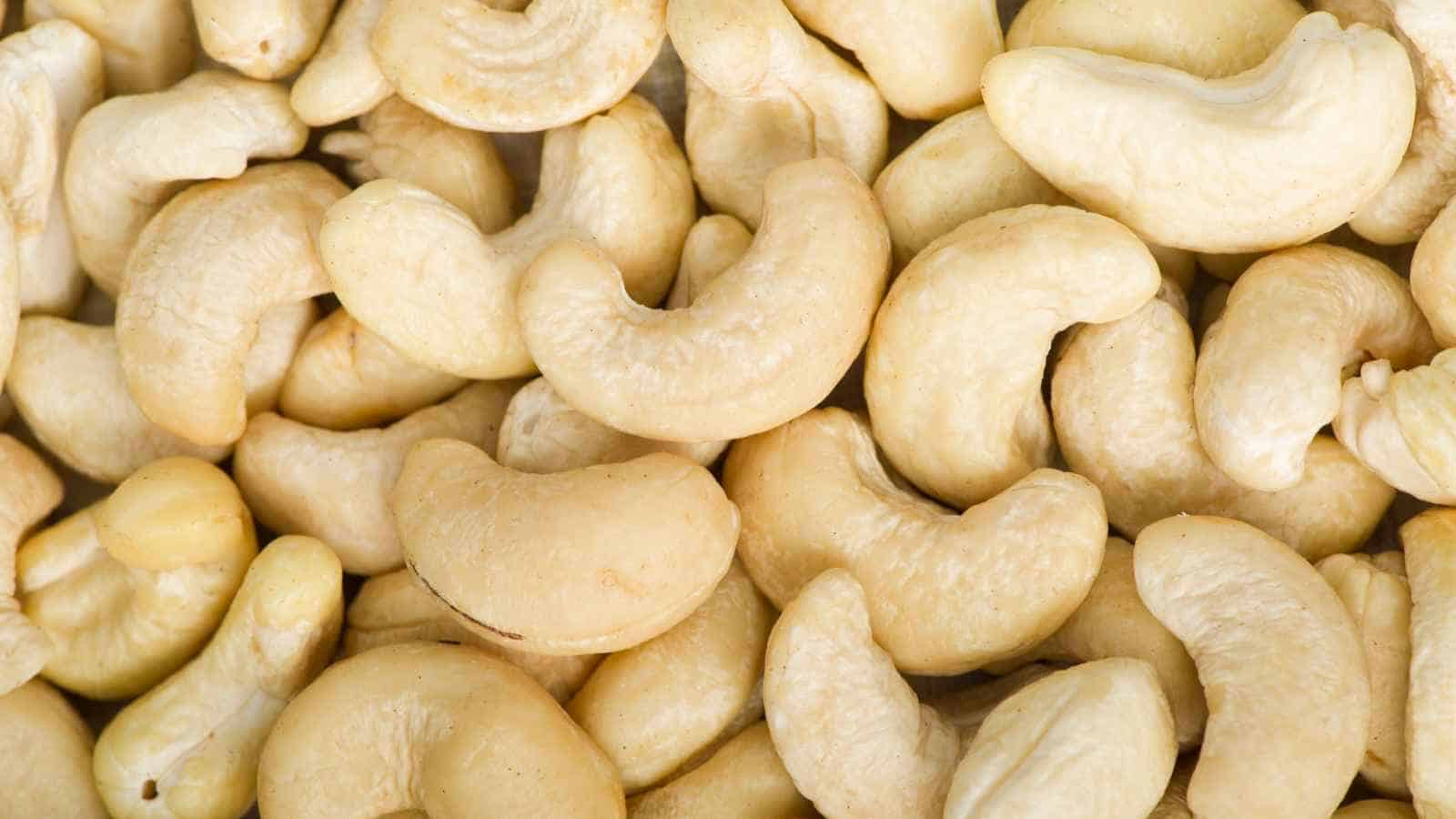
Raw cashews are not actually raw at all. They undergo a steaming process to remove a toxic oil called urushiol that is found in the shell of the cashew nut.
Consuming raw or improperly roasted cashews can cause an allergic reaction and even be fatal.
15 Unhealthy Foods Americans Should Stop Eating (and Why)

In order to achieve a healthier lifestyle, it is essential to know which foods to avoid as much as it is to know which foods to consume. Unfortunately, many of the foods that have become a regular part of the American diet are contributing to a range of health issues.
15 Unhealthy Foods Americans Should Stop Eating (and Why)
15 Foods You Must Toss After Their Expiration Date
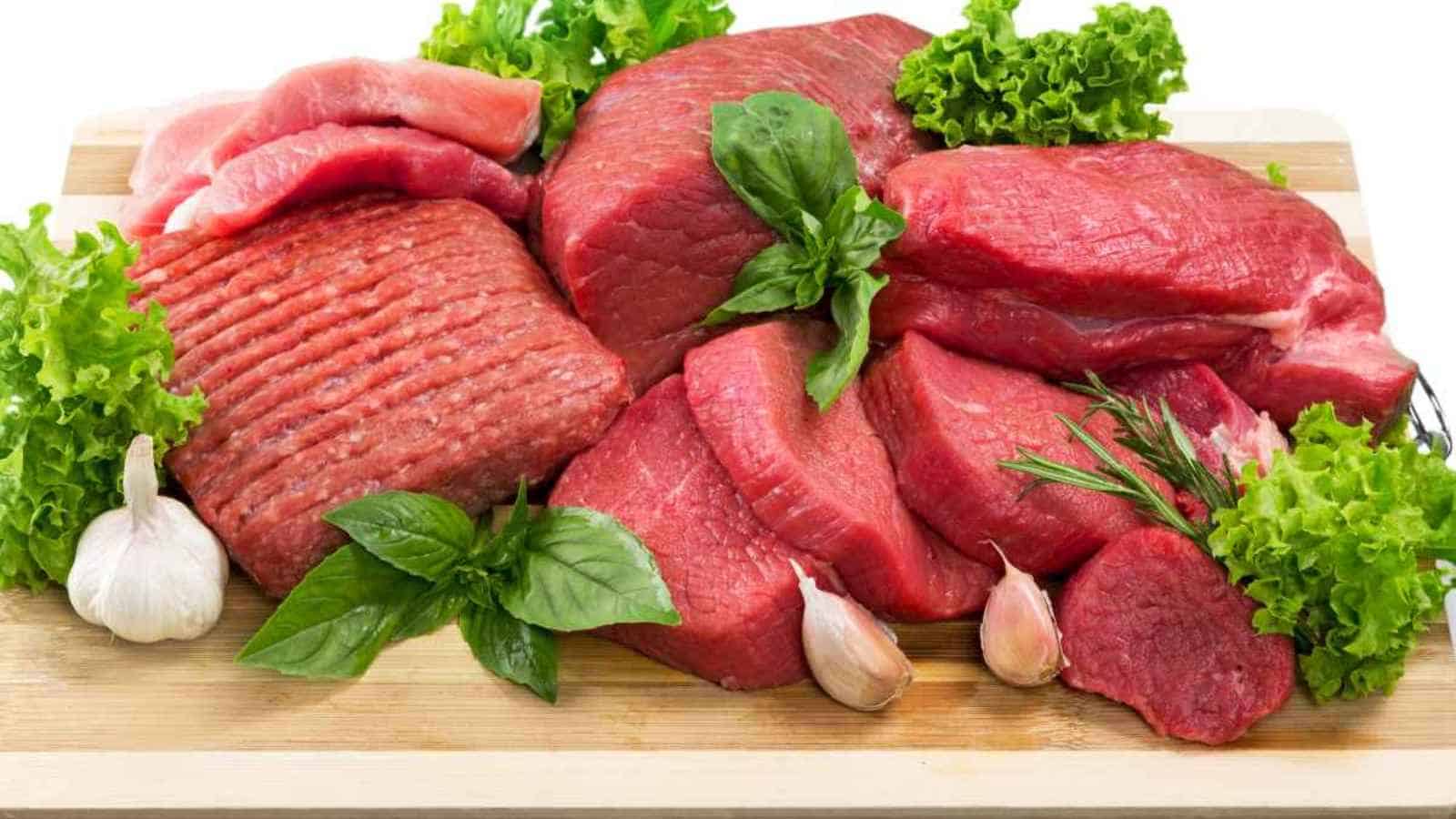
Have you ever found an ancient artifact hiding in the back of your refrigerator? You know, that slice of cheddar that’s morphed into a science experiment or the jar of pickles that’s been there since the Bush administration? Yeah, we’ve all been there.
15 Foods That Seem Healthy but Aren’t
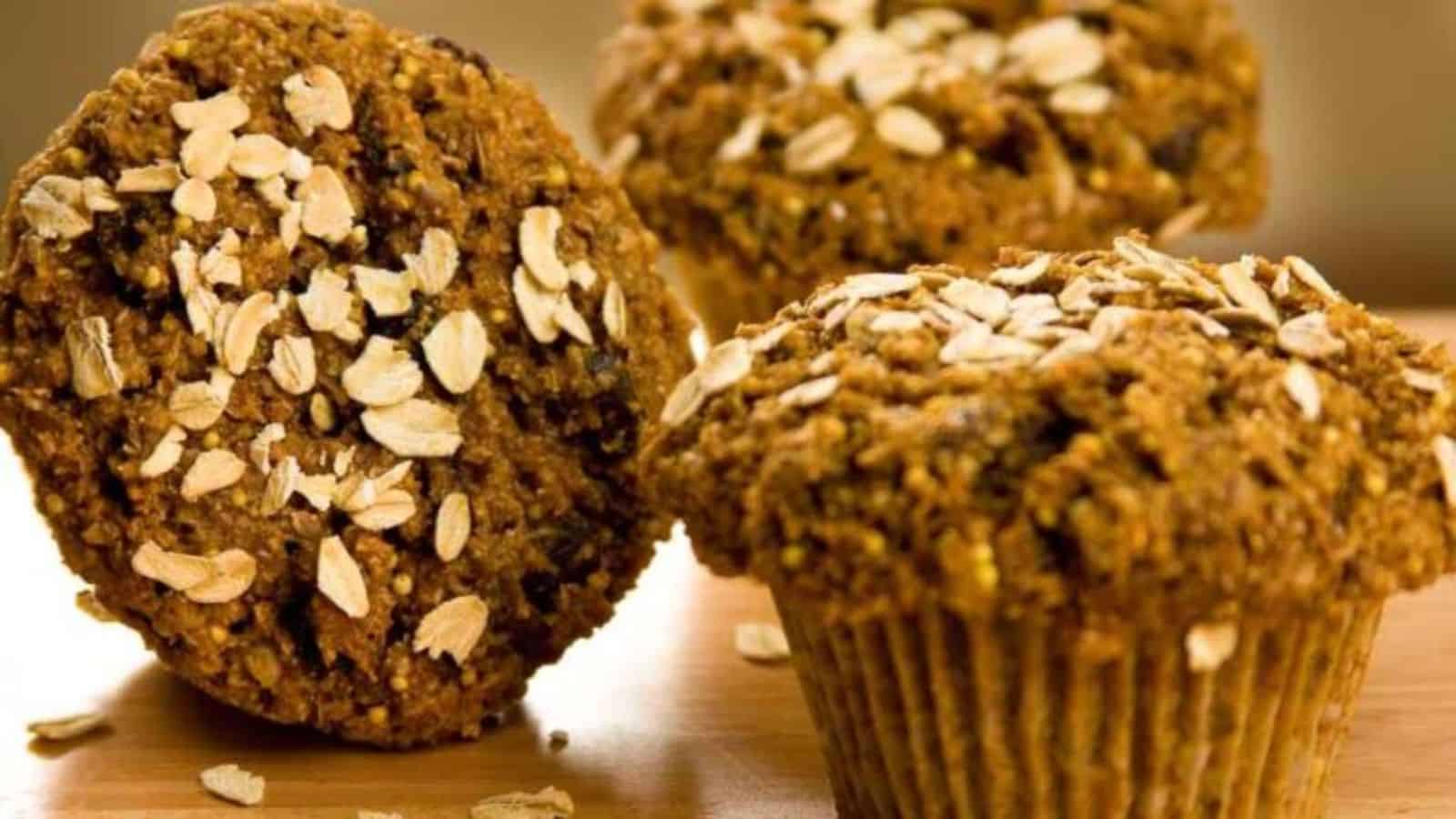
Welcome to the deceptive world of “healthy” foods, where a mere glance at the label can lead you down a rabbit hole of nutritional confusion. Join a shining spotlight today on 15 foods that seem healthy but aren’t. Oh yes, these are the crafty culprits, masquerading as health heroes when they’re dietary villains in disguise.
11 Foods You Should Never Eat At Night

Eating the right foods at the right time is crucial for maintaining a healthy lifestyle. While all foods have their place in a balanced diet, certain ones can disrupt your sleep when eaten close to bedtime.