

20 Things Boomers Think Are Cool but Really Aren’t
Remember the days when certain technologies and trends were the epitome of cool and indispensable in our daily lives? It’s fascinating to think about how rapidly things evolve, making what was once cutting-edge now seem obsolete. Items and trends that were integral to our daily routines have been replaced by more efficient, compact, and versatile alternatives.
For instance, there were many devices and tools that we relied on heavily, which have since been surpassed by modern innovations. The pace at which technology has advanced means that what was once revolutionary can quickly become outdated. This rapid change highlights not only the ingenuity of human innovation but also our adaptability to new and improved ways of doing things.
As we delve into this list, we’ll explore numerous items and trends that were once considered cool and indispensable but have since been overtaken by modern technology. It’s a nostalgic journey through time, reminding us of how far we’ve come and how quickly the world around us continues to transform. From the office to entertainment and everyday information, many aspects of life have seen dramatic shifts, and it’s interesting to reflect on those changes.
1. Fax Machines
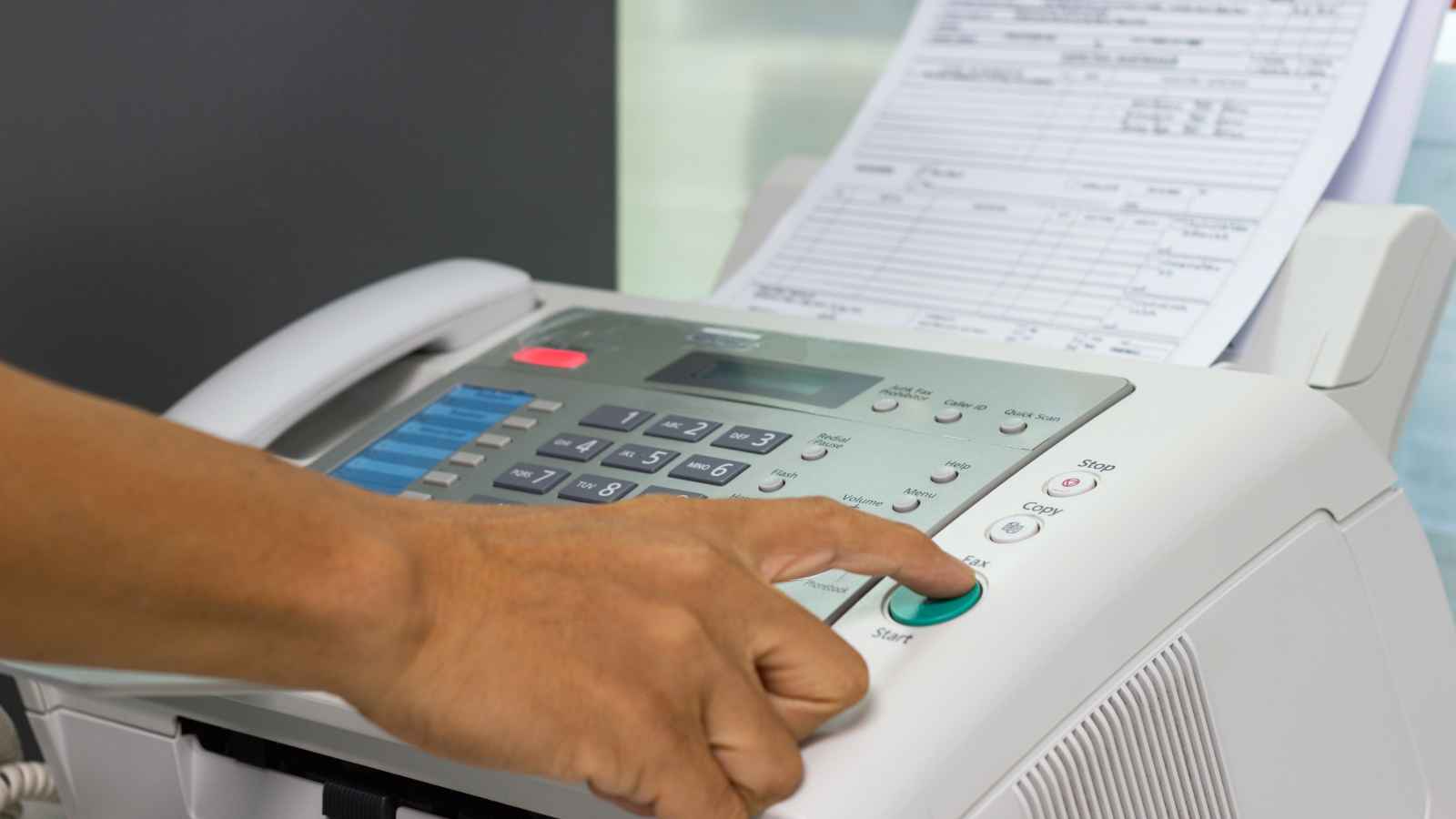
Take the fax machine, for instance. Once a staple in every office, it allowed for quickly transmitting documents across distances. However, with the advent of email and cloud storage, the need for physical document transmission has diminished, making fax machines a relic of the past.
2. Landline Phones

There was a time when the landline phone was the central communication hub in every household and office. It was the reliable way to stay connected with family, friends, and colleagues, complete with the familiar ring and the often frustrating busy signal.
With the rise of mobile phones and internet-based communication, landlines have steadily declined in use. Today, the convenience and portability of smartphones, combined with features like instant messaging and video calls, have rendered landlines largely unnecessary.
While some still hold onto their landlines for nostalgia or security reasons, the era of the landline phone is undoubtedly fading into history.
3. CDs

CDs, which revolutionized the way we collected and enjoyed music, have largely been replaced by digital downloads and streaming services. The convenience of accessing millions of songs on-demand has made physical discs seem cumbersome and unnecessary.
4. VHS Tapes

Once the cornerstone of home entertainment, VHS tapes allowed us to record our favorite TV shows and watch movies at home. They marked a revolutionary shift in how we consumed media, allowing us to watch what we wanted when we wanted.
However, the bulky tapes and their tendency to wear out over time made them less practical. With the advent of DVDs and later streaming services, VHS tapes have become a relic of the past.
These days, the convenience of digital media, with its superior quality and ease of access, has made VHS tapes a nostalgic memory of a bygone era.
5. Rolodexes
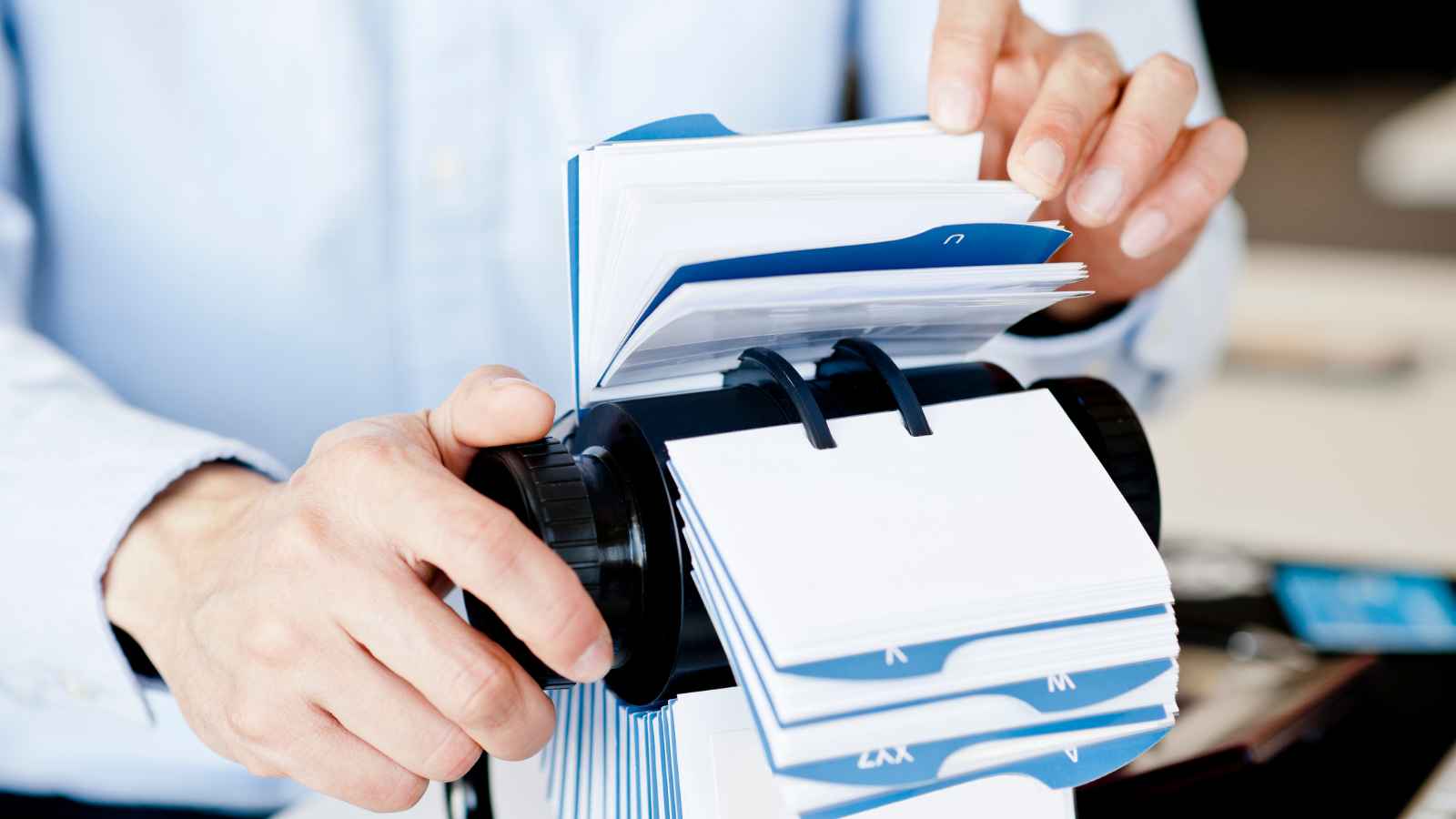
The Rolodex was once the epitome of professional organization, a rotating file device that held all your important contacts. It was a staple on every desk, a quick and easy way to find a phone number or address.
However, the digital age has transformed how we manage contacts. Smartphones and computers now store vast amounts of information in compact, searchable formats, making the physical Rolodex obsolete.
Today, the Rolodex is more of a vintage decor item, a symbol of how far we’ve come in the realm of personal and professional organization.
6. The Yellow Pages

The Yellow Pages, once the definitive directory for finding businesses and services, was an essential household item. Whether you needed a plumber, a restaurant, or a florist, the hefty book had all the answers. However, with the advent of the internet and search engines, finding information has become as simple as typing a few keywords into Google.
Online reviews, maps, and instant access to contact details have made the Yellow Pages redundant. This shift signifies a major change in how we seek and access information, relegating the once-ubiquitous directory to a distant memory.
7. Printed Maps

Printed maps were indispensable for travelers and explorers, carefully folded and often kept in the glove compartment of cars. They provided a tangible way to navigate unfamiliar territories and plan routes. However, the digital revolution has transformed navigation.
GPS devices and smartphone apps now offer real-time, interactive maps that provide turn-by-turn directions and live traffic updates. The convenience and accuracy of digital maps have made printed maps a thing of the past.
While some still appreciate the charm and detail of a printed map, most of us now rely on digital tools to guide our journeys.
Also, I still cant fold a map, so good riddance! 😂
8. Encyclopedias
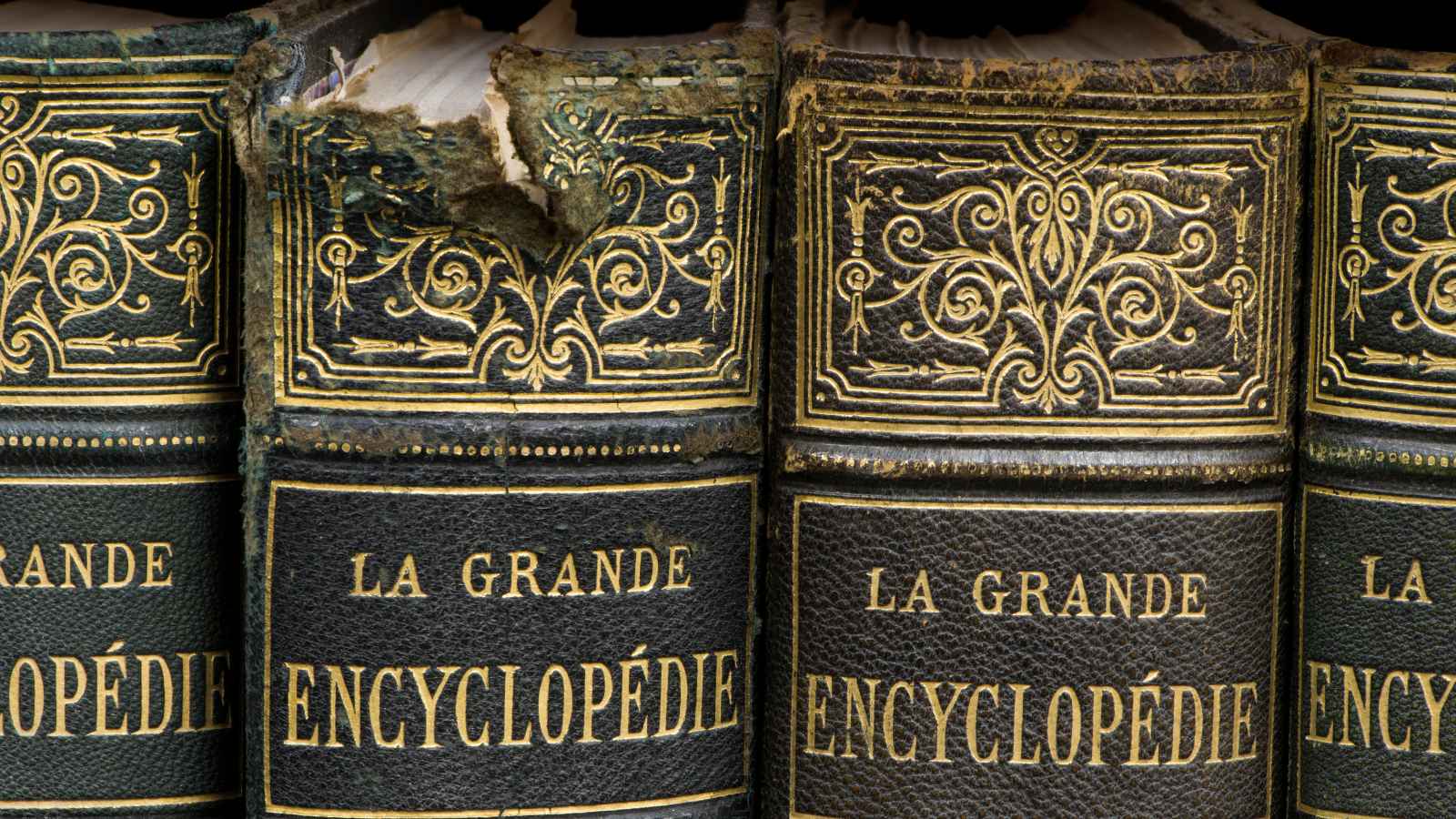
Encyclopedias, once revered as comprehensive sources of information, have been outpaced by the immediacy and vastness of the internet. Platforms like Wikipedia and search engines provide instant access to up-to-date information on virtually any topic, rendering the hefty volumes of encyclopedias largely decorative.
9. Writing Checks

There was a time when writing checks was a routine part of managing finances, whether paying bills, buying groceries, or sending money to friends. This payment method provided a tangible record of transactions and a sense of control over personal finances.
However, with the advent of digital banking, debit cards, and online payment systems, the need for physical checks has dramatically declined. Today, many people prefer the speed and convenience of electronic payments, which can be made with a few clicks or taps, rendering the process of writing checks almost obsolete.
10. Cassette Tapes
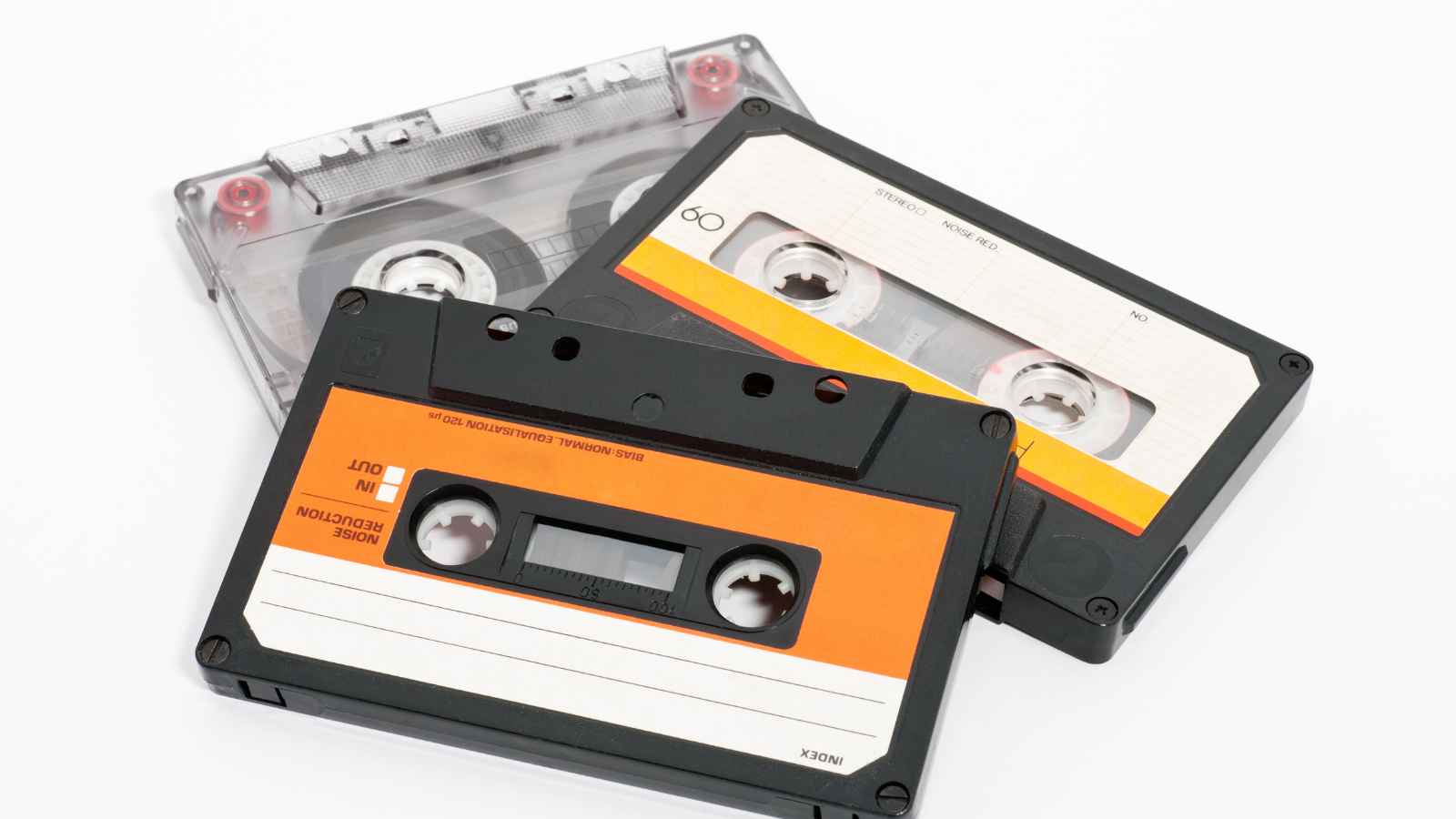
Cassette tapes once revolutionized the way we listened to music, allowing us to create mixtapes, record radio shows, and enjoy albums on portable players. They were a staple of music culture, offering a personal and customizable listening experience.
However, the rise of CDs, and later digital music formats and streaming services, has eclipsed the era of cassettes. Digital media offers superior sound quality, ease of access, and vast music libraries at our fingertips, making cassette tapes a nostalgic memory for many who grew up during their heyday.
11. Dial-up Internet

Dial-up internet was the gateway to the online world for many households, characterized by its distinctive connection sound and slow speeds. It allowed us to explore websites, send emails, and chat online, albeit at a snail’s pace compared to today’s standards.
The advent of high-speed broadband and fiber-optic connections has made dial-up internet largely obsolete. Modern internet services provide lightning-fast speeds and seamless connectivity, transforming how we interact with the digital world and making dial-up a distant memory of the early days of the internet.
12. Photo Albums

Photo albums were once the primary way to preserve and share memories, filled with printed photographs from family gatherings, vacations, and everyday moments. They provided a tactile and visual record of our lives, often becoming cherished heirlooms.
However, the digital revolution has shifted how we store and view photos. Digital cameras and smartphones allow us to instantly take and share countless pictures, with online storage and social media replacing physical albums.
While some still appreciate the charm of a physical photo album, most people now rely on digital means to capture and relive their memories.
13. Film Cameras

Film cameras were the standard for photography, requiring rolls of film and careful consideration of each shot. They produced beautiful, tangible photos and were a staple in both amateur and professional photography.
However, the rise of digital cameras and smartphone technology has largely replaced film cameras. Digital photography offers instant results, the ability to take numerous photos without worrying about film, and easy sharing and editing capabilities.
While film photography has experienced a niche resurgence among enthusiasts, the convenience and versatility of digital cameras have made them the dominant choice for capturing images today.
14. Paper Bills and Bank Statements

Receiving paper bills and statements in the mail was once the norm for managing household finances and keeping track of bank accounts. These physical documents provided a tangible way to review transactions and verify charges. However, the shift towards digital communication has significantly reduced the need for paper documents.
Many companies now offer electronic billing and statements, which are faster, more convenient, and environmentally friendly. This transition has made paper bills and statements increasingly obsolete as people opt for the ease and efficiency of digital records.
15. Typewriters
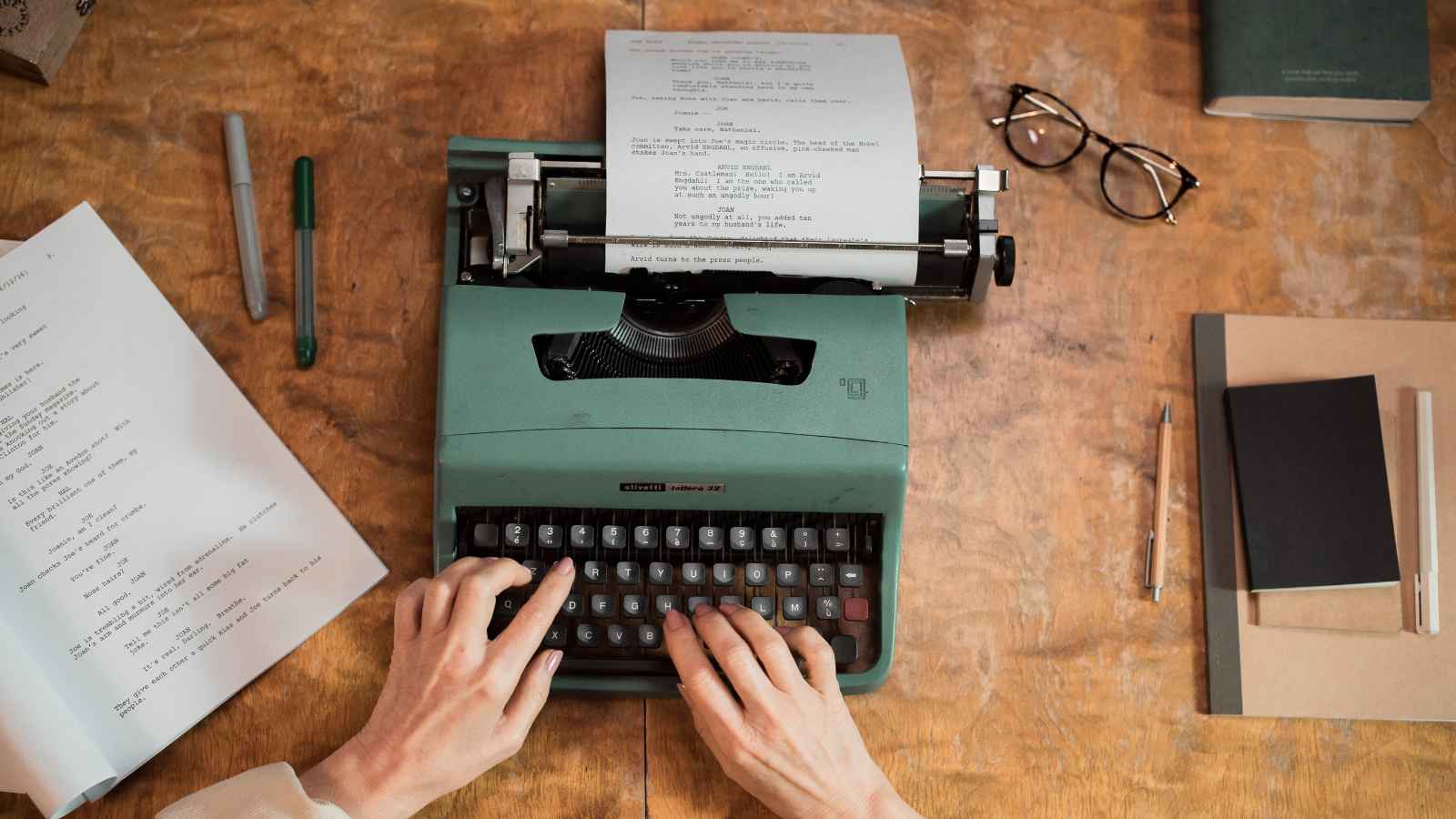
Typewriters were once essential tools for writers, journalists, and office workers, providing a mechanical means to produce typed documents. The distinctive clacking sound of keys and the process of inserting paper and ribbon were familiar to many.
With the advent of computers and word-processing software, typewriters have become largely obsolete. Modern technology offers unparalleled convenience, allowing for easy editing, formatting, and printing.
Today, typewriters are mostly cherished as vintage items or used by enthusiasts who appreciate their nostalgic charm.
16. Address Books

Address books were indispensable for keeping track of contact information, including phone numbers, addresses, and birthdays. These pocket-sized books were often carried everywhere, ensuring that important contacts were always at hand.
However, the rise of smartphones and digital contact lists has rendered physical address books unnecessary. Digital devices store vast amounts of information, offer easy search and update functions, and can sync across multiple platforms, making them far more efficient and convenient than their paper counterparts.
17. Pagers/Beepers

Pagers, also known as beepers, were once a crucial means of communication for doctors, emergency responders, and business professionals. They provided a way to receive messages and alerts quickly, even when away from a phone.
The advent of mobile phones, which offer comprehensive communication capabilities including calls, texts, and emails, has made pagers largely obsolete. While they are still used in some specialized fields, the widespread adoption of smartphones has significantly diminished their prevalence.
18. Physical Newspapers

Newspapers were the primary source of news and information, delivered to doorsteps every morning. They provided in-depth reporting on current events, local news, and various topics of interest. However, the digital revolution has drastically changed how people consume news.
Online news platforms, social media, and news apps offer instant access to the latest stories, making physical newspapers less relevant. While some still enjoy the tactile experience of reading a newspaper, the convenience and immediacy of digital news have largely replaced them.
19. Floppy Disks

Floppy discs were once a standard computer storage medium, used to save and transfer data. They were a familiar sight in the early days of personal computing, with their limited storage capacity and vulnerability to damage.
Developing more robust and capacious storage solutions, such as USB drives, external hard drives, and cloud storage, has rendered floppy discs obsolete. Modern storage devices offer significantly more space, faster transfer speeds, and greater reliability, making floppy discs a relic of the past.
20. Public Pay Phones

Pay phones were once ubiquitous in cities and towns, providing a vital means of communication for people on the go. They offered a way to make calls before the widespread adoption of mobile phones. However, the proliferation of cell phones has drastically reduced the need for public pay phones.
With personal mobile devices readily available, pay phones have become rare, often seen only in older movies or as nostalgic urban artifacts. The convenience and accessibility of mobile phones have made pay phones largely obsolete in today’s connected world.





Hi. I’ve been thinking about your comment for a while, and wanted to reach out and tell you I hear you. I was battling some health issues and hired someone to create content for me. That content does not align with what I believe or represent, and I have cut ties with that person and will be creating only my own content from here on out. I hope that you’ll give me another chance, and know that I truly apologize for the subpar and ridiculous things that were published under my brand.
Your site is the most inane, out-of-touch anti-boomer site I have read yet! I am 68 and use literally none of the old technology items you listed above. Try writing something positive and uplifting instead of making up contrived complaints about a generation with whom you appear to be completely out of touch. I challenge you to write something impartial.