

16 Significant World War II Sites You Can Visit to Bring History to Life
World War II isn’t just pages in textbooks—I find there’s something deeply moving about standing where history was made. When I visited Berlin and saw the Holocaust memorial and city buildings that bombs had tarnished in the war, it made the seemingly distant history I’d learned about in school more real.
Whether it’s walking the beaches where soldiers fought or feeling the sorrow of a concentration camp, these places bring the past to life in a way that leaves a lasting impression.
They remind me of the worst humanity is capable of but also the hope and resilience of those who endured. As we approach 79 years since WWII ended in 1945, here are some of the most eye-opening places to visit to connect with this chapter in history.
Anne Frank’s House
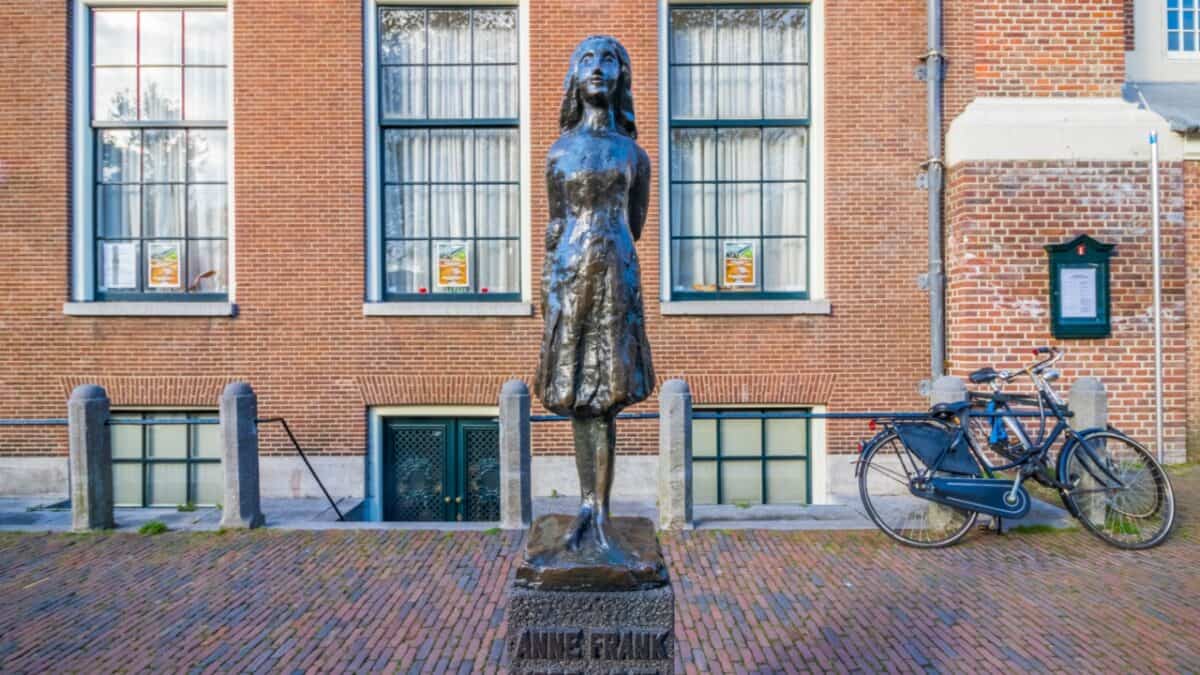
During World War II, Amsterdam was occupied by the Nazis, forcing Jewish 13-year-old Anne Frank and her family into hiding in a secret annex behind a bookcase. They lived in constant fear for two years, but Anne’s famous diary documented their experiences.
I read Anne’s diary when I was about her age, and when I visited her home, I felt the devastation of her story and all the victims of the Holocaust. Tragically, their hiding place was raided in 1944, and the family was separated and taken into concentration camps, leading to Anne’s tragic death in 1945.
Today, visitors to Anne Frank’s House can explore the cramped annex, see the bookcase that hid their refuge, and view Anne’s inspiring diary and other original letters and photos from the families in hiding.
Hiroshima Peace Memorial and Museum

This is not your typical sightseeing—the Hiroshima Peace Memorial and Museum is a haunting reminder of the world’s first atomic bomb explosion in 1945. In World War II, the United States dropped an atomic bomb on Hiroshima, Japan, so the once vibrant city was reduced to a smoldering wasteland, with the defiant Peace Memorial standing intact.
You can walk right up to the A-Bomb Dome or learn more about the development of nuclear weapons. But the real gut punch comes from the museum exhibits showcasing the collection items left behind by victims, a chilling reminder of the human cost of war.
Berlin Holocaust Memorial

How would you feel seeing a field sprawling in the heart of Berlin, not filled with flowers but with 2,711 concrete slabs rising and falling like a wave? This is the Holocaust Memorial, built on the former “death strip” of the Berlin Wall. The uneven slabs, designed by architect Peter Eisenman, create a disorienting feeling as you walk through them.
It forces you to contemplate the six million Jews murdered. But the true depth of the Holocaust is revealed in the underground information center. Here, themed rooms filled with photos, diaries, and letters tell the stories of individual victims. You’ll see faces, names, and fragments of lives shattered by hate.
Auschwitz Concentration Camp

The Auschwitz-Birkenau Memorial and Museum, located in Oswiecim, Poland, is a solemn place to honor Holocaust victims and learn about its horrors. Once the largest concentration and extermination camp by the Nazis, over 1.1 million people were murdered there. Today, you can walk the grounds, see the prisoners’ buildings, and learn about their fates.
The Cabinet War Rooms

If you want to imagine yourself alongside Winston Churchill, Britain’s bulldog leader, as you explore the secret underground bunker where he and his team battled for victory in World War II—there’s no better place than the Cabinet War Rooms.
When Nazi bombs rained down on London, Britain’s government didn’t just sit around waiting for the next explosion. Constructed beneath the streets of Westminster, this hidden complex became the wartime headquarters for Churchill, his cabinet, and some 500 civil servants.
See his office, his map room (filled with pins tracking the war’s progress), and even his tiny, secret phone booth where he’d chat with the US President!
Oskar Schindler Factory
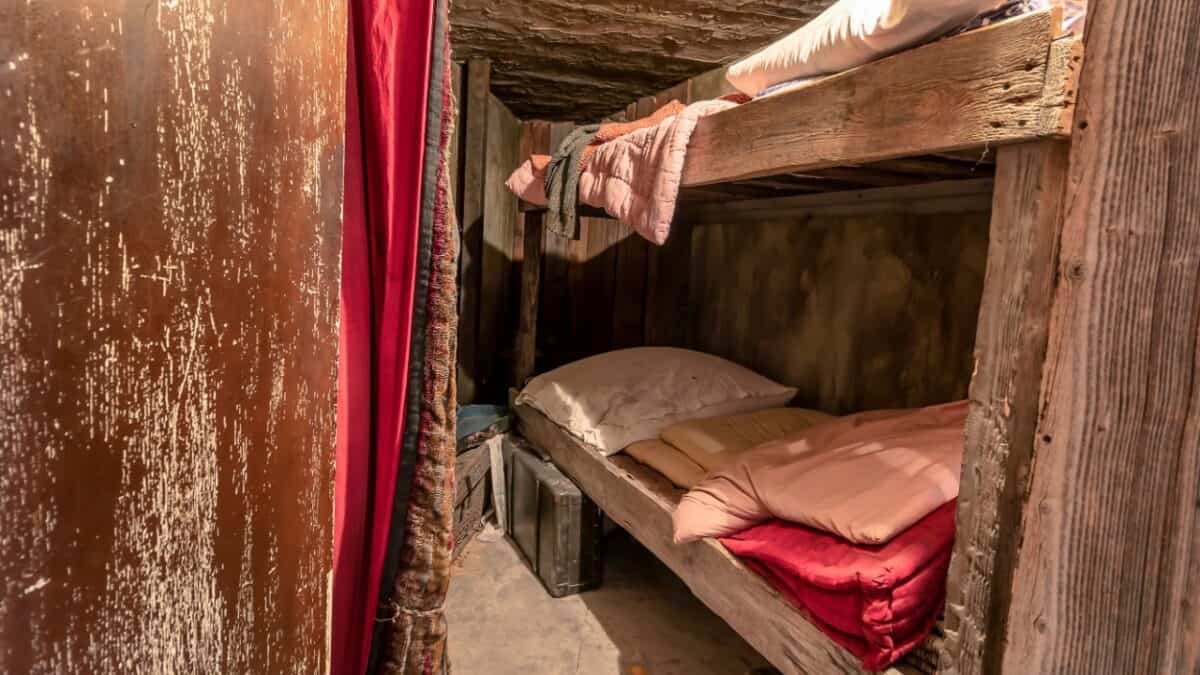
Oskar Schindler’s factory wasn’t always a museum. During WWII, Schindler, a German businessman, used it to make munitions for the Nazis while secretly saving over 1,000 Jews. His story was told in the Oscar-winning movie Schindler’s List, directed by Steven Speilberg.
After the war, Schindler was honored as one of the Righteous Among the Nations for his bravery! Today, the Oskar Schindler Factory in Poland is part of the Krakow Historical Museum. Explore interactive exhibits on Krakow under Nazi occupation, learn about Schindler’s heroic efforts, and walk the original factory floor where lives were saved.
HMS Belfast

This mighty ship wasn’t just sitting out the war in London. HMS Belfast patrolled the northern waters, protecting vital supply lines to Russia, blasted German battleships to smithereens (with the help of its allies), and even supported the D-Day landings.
Now, you can explore over nine decks, climbing the same ladders and hatches used by the crew. Ever wondered how they fed hundreds of hungry sailors during a war? HMS Belfast’s exhibits show you everything from the crew’s meals to their sleeping quarters.
Omaha Beach
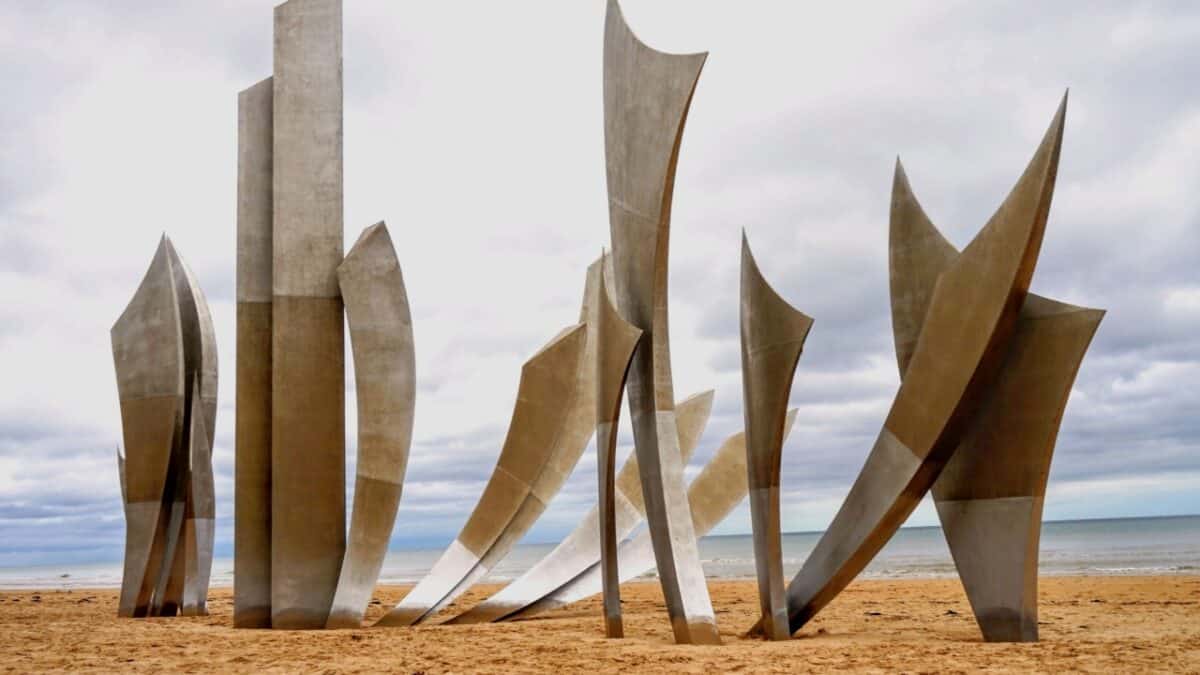
On June 6, 1944, thousands of Allied troops stormed Omaha Beach for D-Day, starting Operation Overlord, the largest seaborne invasion in history. Known as “Bloody Omaha,” this brutal battleground saw American soldiers cut down by machine gun fire as they landed on the open beach.
Despite heavy losses, their courage secured a foothold in Normandy, France, turning the tide of World War II. Visit the Memorial Museum of Omaha Beach, the Normandy American Cemetery, and the D-Day Memorial to honor their bravery and learn about this pivotal historical moment.
Western Approaches Museum

During WWII, German U-boats aimed to cut off Britain’s vital supplies from across the Atlantic. Liverpool played a crucial role as Britain’s main convoy port, bustling with activity despite constant German attacks. Today, the Western Approaches Museum reveals this pivotal era in its top-secret bunker.
Step into the operations room, view original maps, and explore the tech that helped Britain navigate. As part of the museum’s recent expansion, you can now explore U-534, one of only four surviving German U-boats, and experience their cramped quarters and lethal torpedo tubes firsthand.
Fort Drum (El Fraile Island)

Fort Drum isn’t your ordinary warship—it’s a concrete island off the Philippines, cleverly disguised as a giant battleship during WWII. Built in 1941 to defend Manila Bay, this massive fortress bristled with cannons to deter enemy ships. Captured by the Japanese in 1942, it became a crucial battleground.
In 1945, Americans creatively reclaimed Fort Drum by setting it ablaze, flushing out its defenders. Today, it stands as a haunting reminder of WWII, offering boat tours to view its towering guns and burnt-out ruins—a piece of history you can almost reach out and touch.
Warsaw, Poland
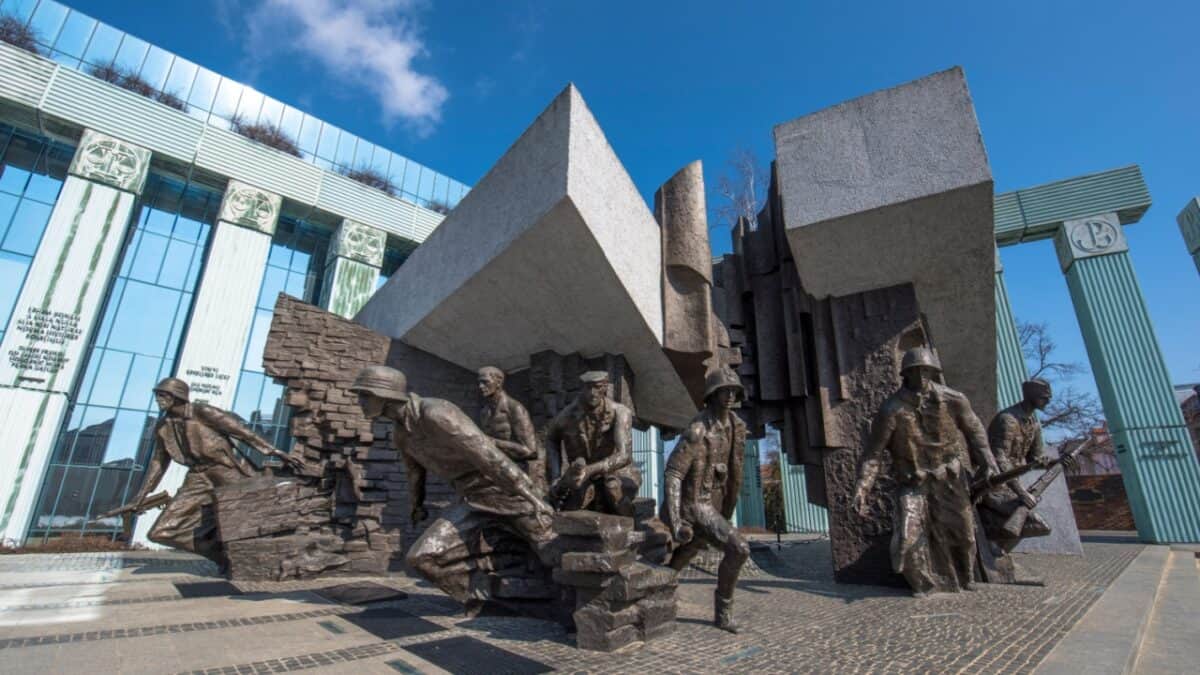
In 1939, Nazi Germany invaded Poland, igniting World War II and plunging Warsaw into chaos. The city endured bombings and a brutal occupation, with over 85% destroyed. The city rose from the ashes, meticulously rebuilding itself brick by brick.
But Warsaw never forgets its past. Visit the Warsaw Rising Museum and walk through the recreated streets of Warsaw under Nazi rule—the 5-minute film, “City of Ruins,” will leave you speechless.
Learn about the vibrant Jewish community of Warsaw and their tragedies at the Museum of the History of Polish Jews. Visit the Palmiry National Memorial and Museum to honor the victims of mass executions.
Bastogne, Belgium
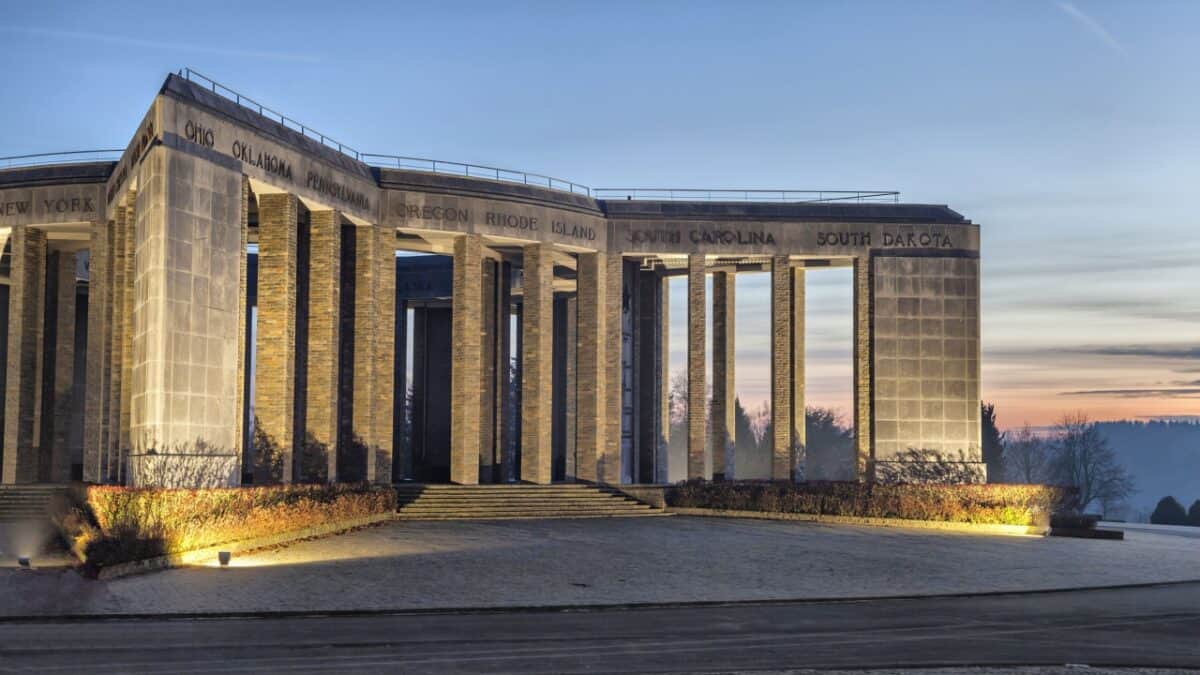
Bastogne was ground zero for the last major German offensive of WWII, where American soldiers, including the renowned 101st Airborne Division, bravely held their ground. The Bastogne War Museum vividly recounts this historic battle with exhibits, films, and an immersive audio tour featuring weapons and uniforms.
Explore the actual foxholes of Easy Company at Bois Jacques, famous from the historical miniseries Band of Brothers, and visit Bastogne Barracks to see where General McAuliffe famously replied to a German surrender demand with one word: “Nuts!”
Bletchley Park
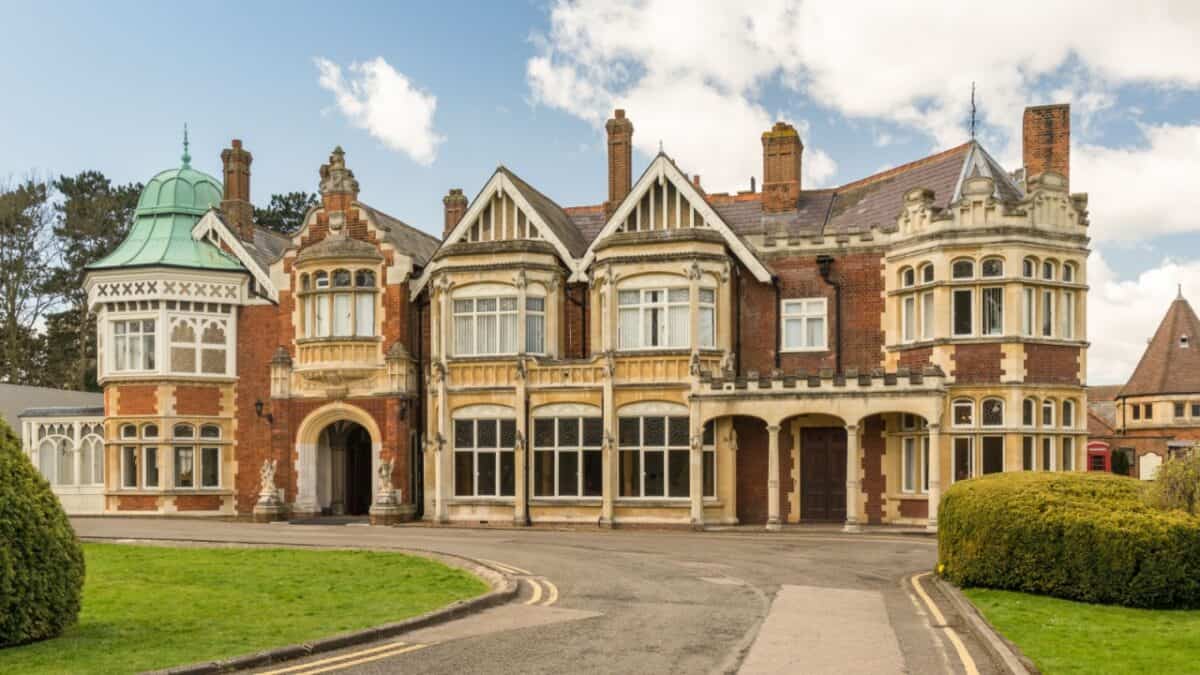
Bletchley Park, an English country estate near London, became Station X during WWII—a top-secret hub for code-breaking. Here, mathematicians and linguists, led by Alan Turing, worked tirelessly to crack the Nazis’ Enigma code.
You may have learned about this story through Benedict Cumberbatch’s depiction of Turing in the 2014 film The Imitation Game. Visit today to explore the original wartime buildings, see a replica of the Bombe code-breaking machine, and even step into Turing’s office—a fascinating glimpse into wartime intelligence!
WWII Valor in the Pacific National Monument
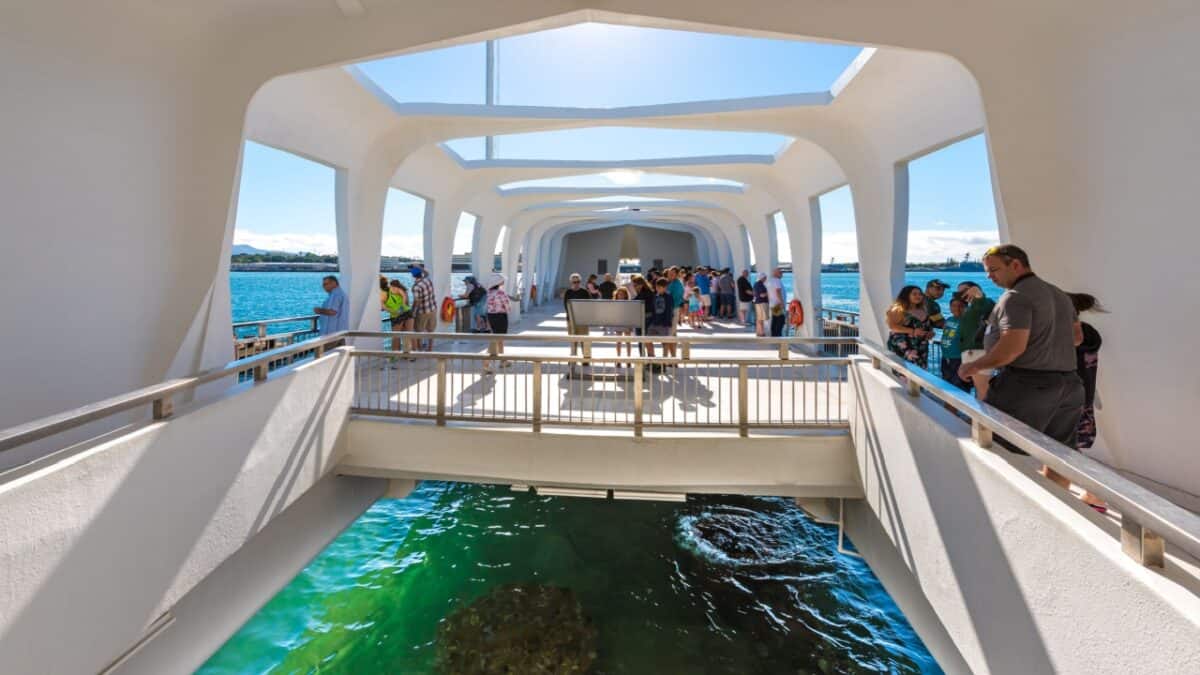
On December 7, 1941, the Pearl Harbor military base in Hawaii was attacked by surprise. This pivotal moment thrust the US into WWII, with over 2,400 American lives lost.
Today, the Pearl Harbor National Memorial welcomes visitors to honor the USS Arizona Memorial. Discover exhibits at the Pearl Harbor Visitor Center and view remnants of Battleship Row. Learn about the Pacific War’s aircraft at the Pacific Aviation Museum and honor USS Oklahoma crewmen at their memorial.
Yad Vashem
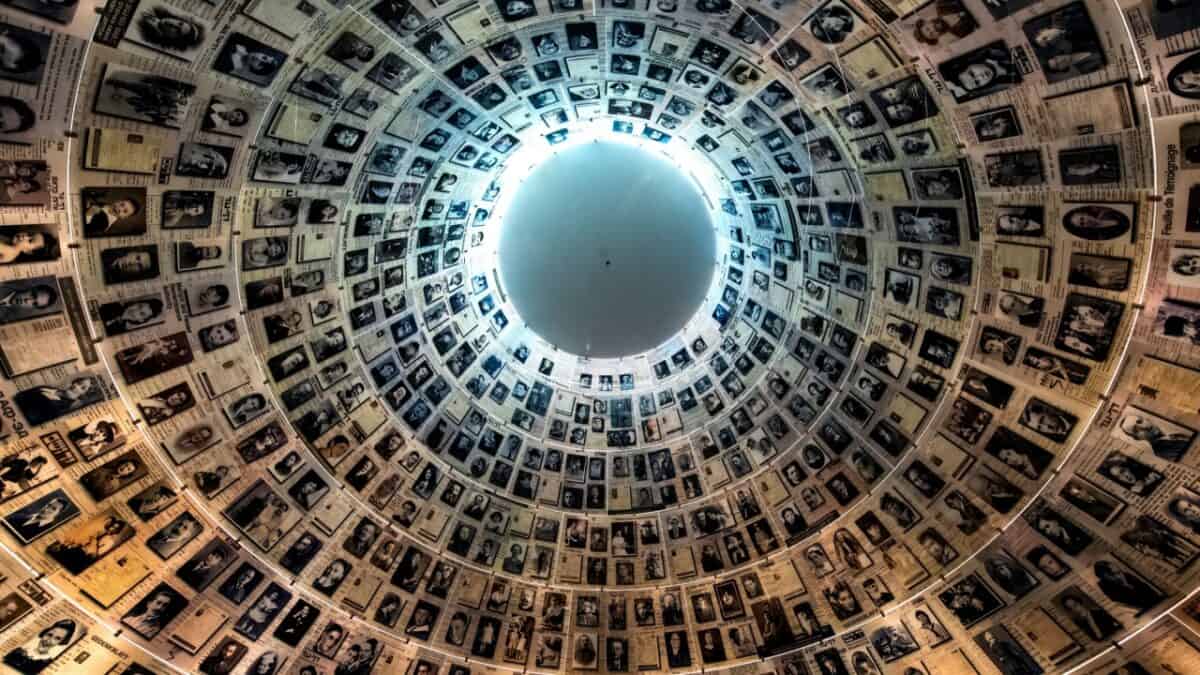
In the 1930s, Europe’s Jewish population faced escalating prejudice and violence under Nazi rule, culminating in the systematic murder of over six million Jews and countless others. Established in 1953, Yad Vashem—meaning “a memorial and a name” in Hebrew—stands as Israel’s solemn tribute to Holocaust victims.
Unlike traditional war memorials, Yad Vashem explores the origins of hatred, depicting how anti-Semitism spread across Europe. Its Holocaust History Museum features moving exhibits with survivor accounts, photos, and art, while the Hall of Names honors millions, even those whose names are lost.
Old Diplomat Hotel

Once a peaceful retreat for monks atop a serene hill, the Old Diplomat Hotel in the Philippines turned dark during World War II. Used as a haven for refugees escaping Japanese forces, it became a site of brutalities and massacres. Reborn as a swanky hotel in the 1970s, its haunting reputation persisted until its closure in the 1980s.
Now transforming into a Heritage and Nature Park, visitors can explore its abandoned sections while enjoying a revamped west wing and breathtaking views of Baguio City from the rooftop.
Which of these sites would you most like to visit?

Share with us in the comments!


