

You Know About Halloween, But What About Día de Muertos?
I’ll be honest: I’ve seen colorful celebrations and sugar skulls my whole life but never really knew what they represented. Now that I have a daughter-in-law from Mexico, I’ve enjoyed learning more about Mexican culture and its traditions. This will be our first year celebrating Día de Muertos.
Día de Muertos, or Day of the Dead, is a beautiful, vibrant Mexican holiday celebrating life, death, and the loved ones who have passed away.
This cultural tradition spans several days and incorporates lively decorations, delicious foods, and heartfelt rituals that offer people a unique way to connect with their heritage and honor their ancestors.
Below is everything you need to know about the traditions, who are honored on which days, and the best cities to witness these incredible celebrations.
What Is Día de Muertos?
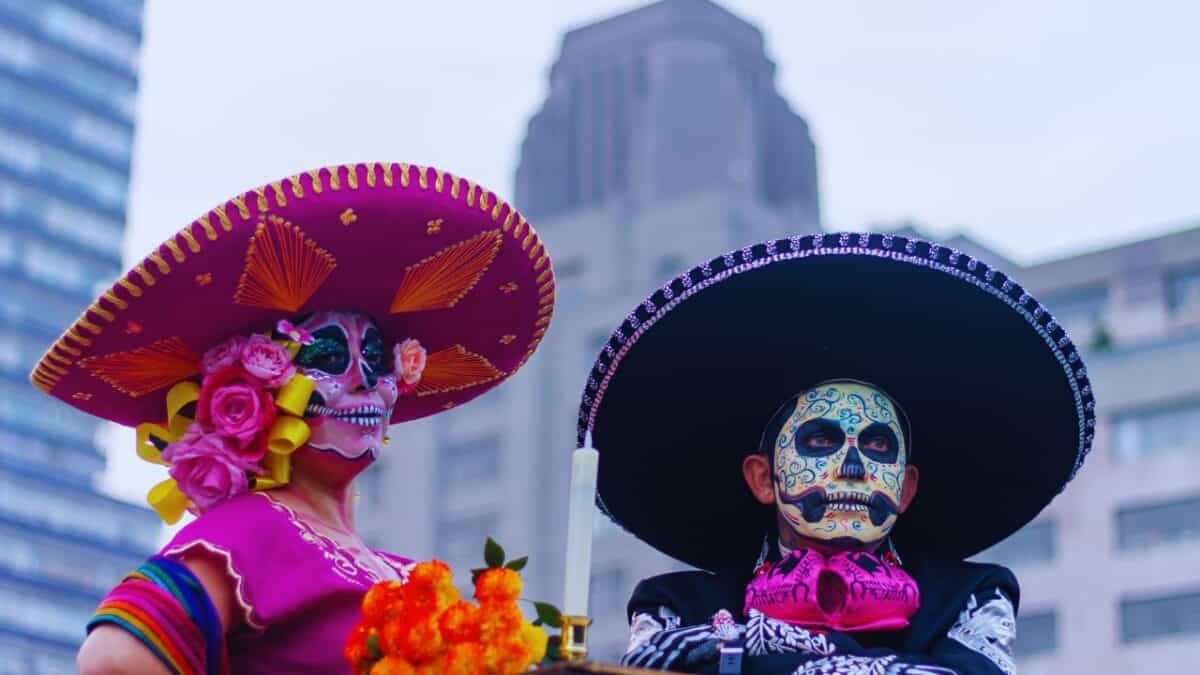
Día de Muertos is a Mexican holiday that combines Aztec rituals with Catholic influences. In some rural areas, the celebrations can begin on October 28th, but the traditional celebration is October 31-November 2.
It is not a somber event but a joyful celebration of loved ones who have passed on. Families gather to remember, celebrate, and feel closer to their deceased relatives, believing their spirits return to visit during these days.
It’s a colorful, joyous time filled with music, food, and cherished memories, honoring life’s journey and the cycle of life and death.
Core Traditions of Día de Muertos
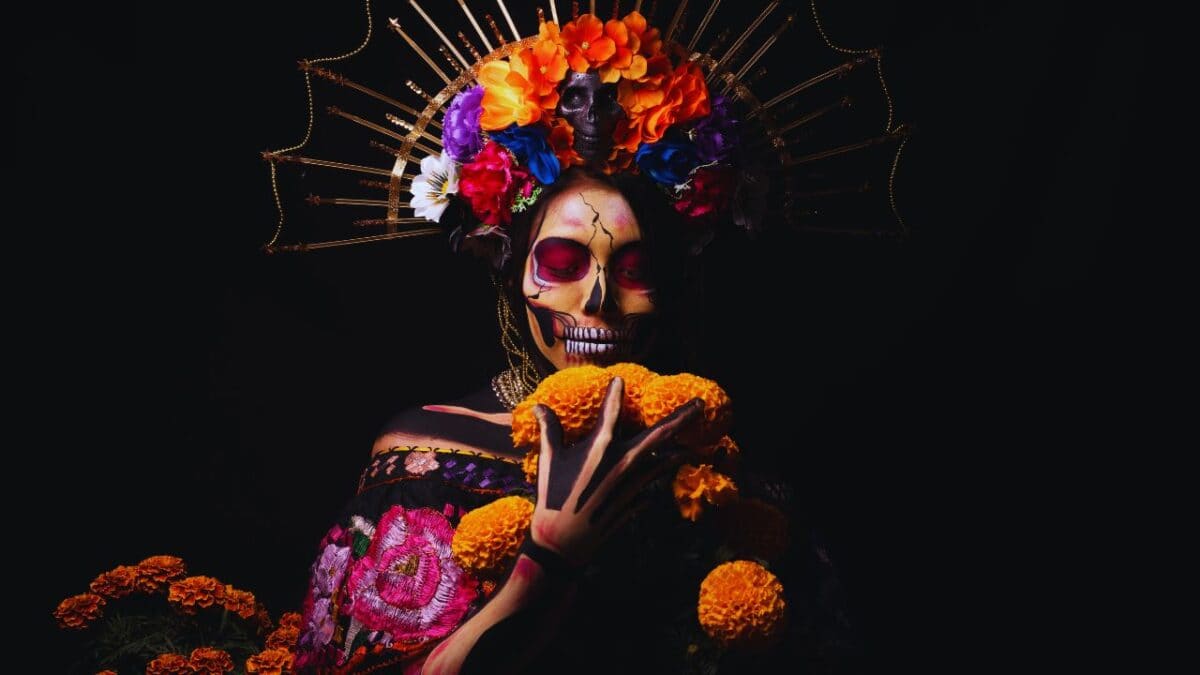
The holiday is rich with traditions that bring life to the celebration. While every region and family can vary in how they celebrate, the core traditions remain the same no matter where you go.
Ofrendas
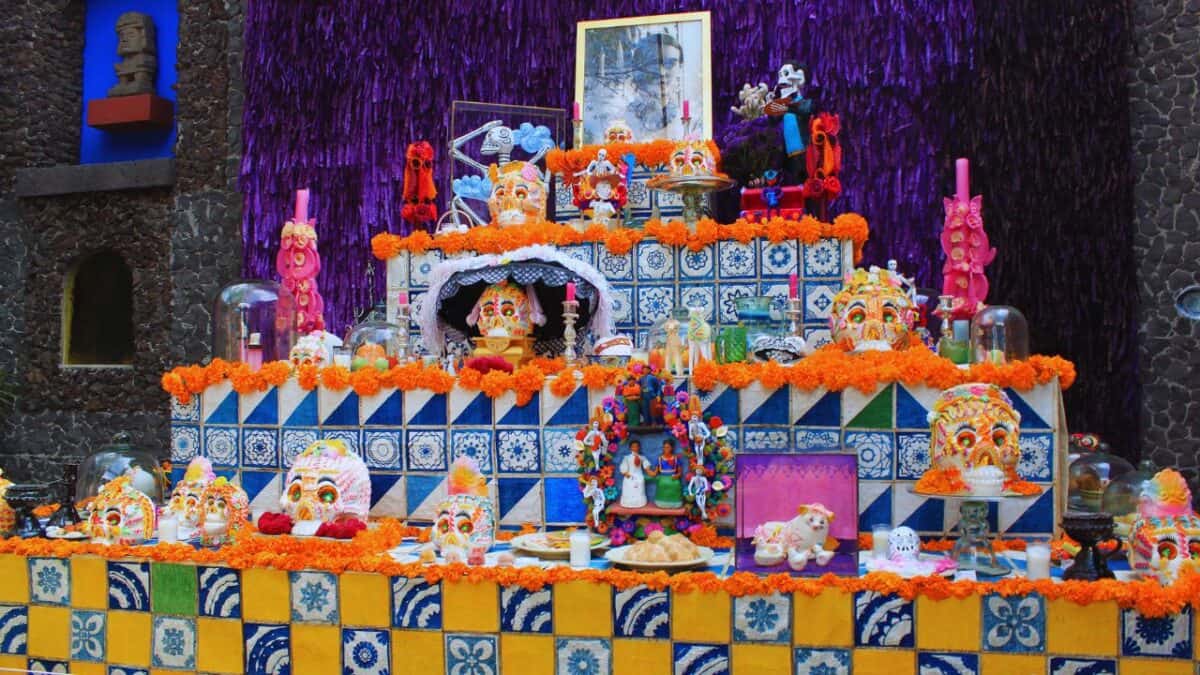
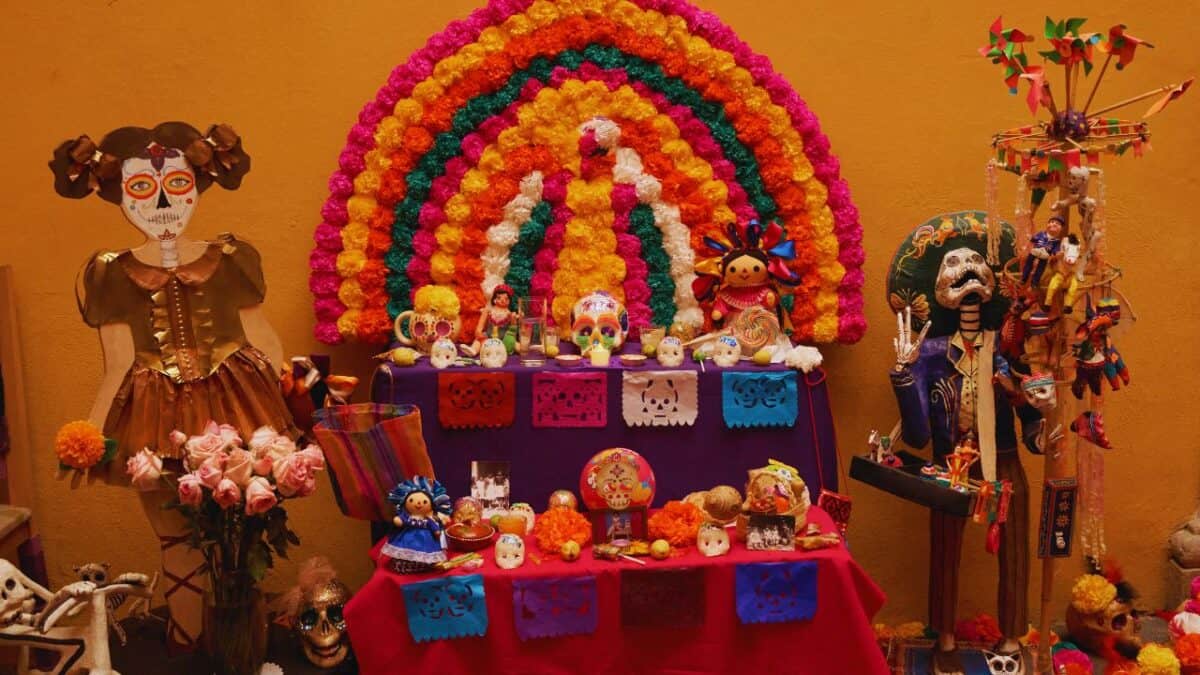
Families create beautiful altars in their homes or at cemeteries to honor their deceased loved ones.
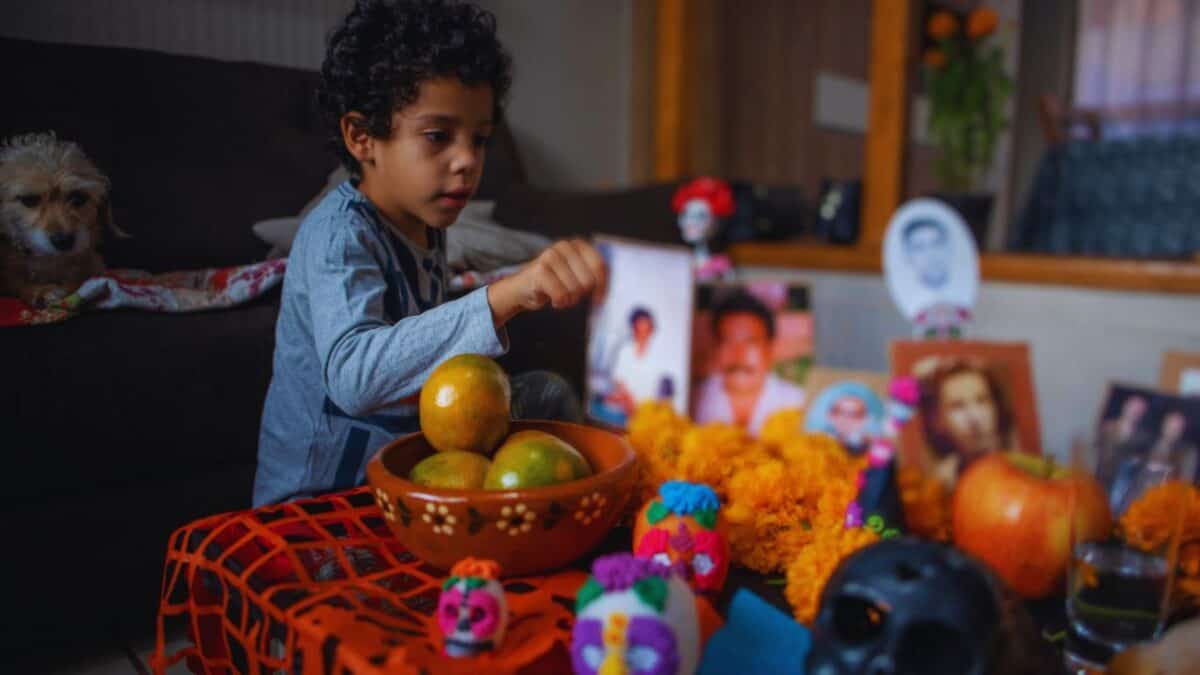
These ofrendas (altars) are decorated with flowers, candles, incense, photos, and the deceased’s favorite foods, creating a welcoming space for spirits.
Marigolds (Cempasúchil)

Bright orange marigolds are used extensively as they are believed to guide the spirits back to the land of the living. Their strong scent and vibrant color are a symbolic “path” for the souls.
Pan de Muerto
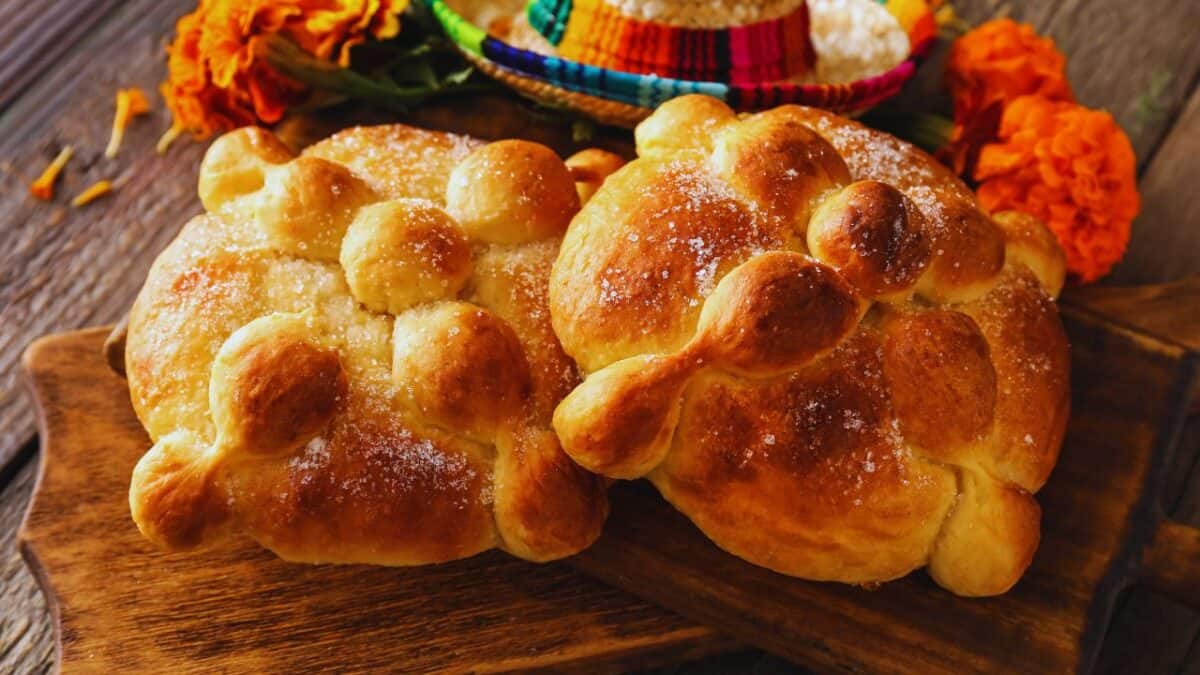
This traditional bread is an essential offering, often flavored with anise and topped with sugar. The bread’s circular shape and decorations represent the cycle of life.
Sugar Skulls and Face Painting

Sugar skulls (calaveras) and face painting are popular ways to add color and symbolism, often representing life and death and the balance between the two.
Days of Celebration: Honoring Pets and Family Members
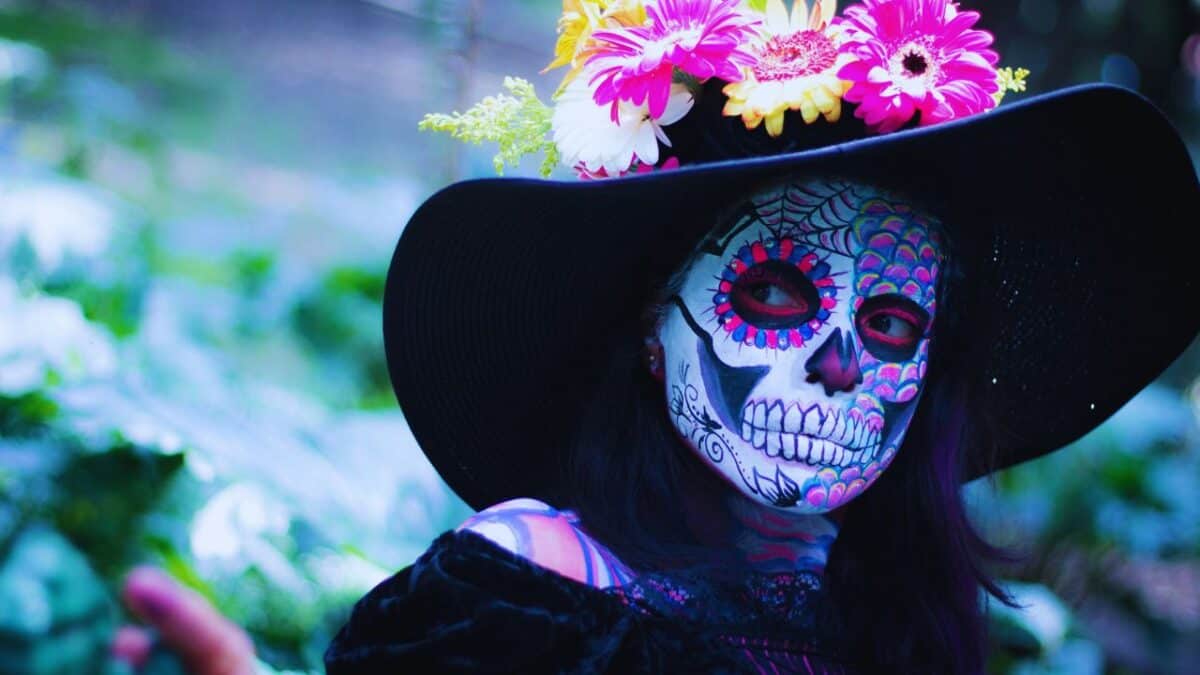
Each day has a different significance in honoring the departed. In areas where the celebration starts earlier, pets are often given a separate Memorial Day, whereas shorter celebrations celebrate pets on All Souls’ Day.
October 28- Pets
For those who choose to celebrate Días de Muertos on this day, offers are made to honor pets who have passed away. Food, toys, and leashes can be left on the altar. Pets’ souls are said to return to their owners to visit on this day.
October 31 – Día de los Angelitos:

This day is dedicated to honoring children who have passed away. The term Angelitos (little angels) reflects the innocence of children, and families prepare toys and sweets for them.
November 1 – Día de los Inocentes (All Saints’ Day)
This day commemorates the souls of adults who passed away. Traditional foods, drinks, and offerings are made specifically for these loved ones.
November 2 – Día de Muertos (All Souls’ Day)

This day focuses on all souls, and families may gather in cemeteries to clean and decorate the graves, light candles, and reminisce about their departed loved ones. Some also use this day to honor pets, incorporating small offerings to remember the animals in their lives.
How to Honor Loved Ones on Día de Muertos
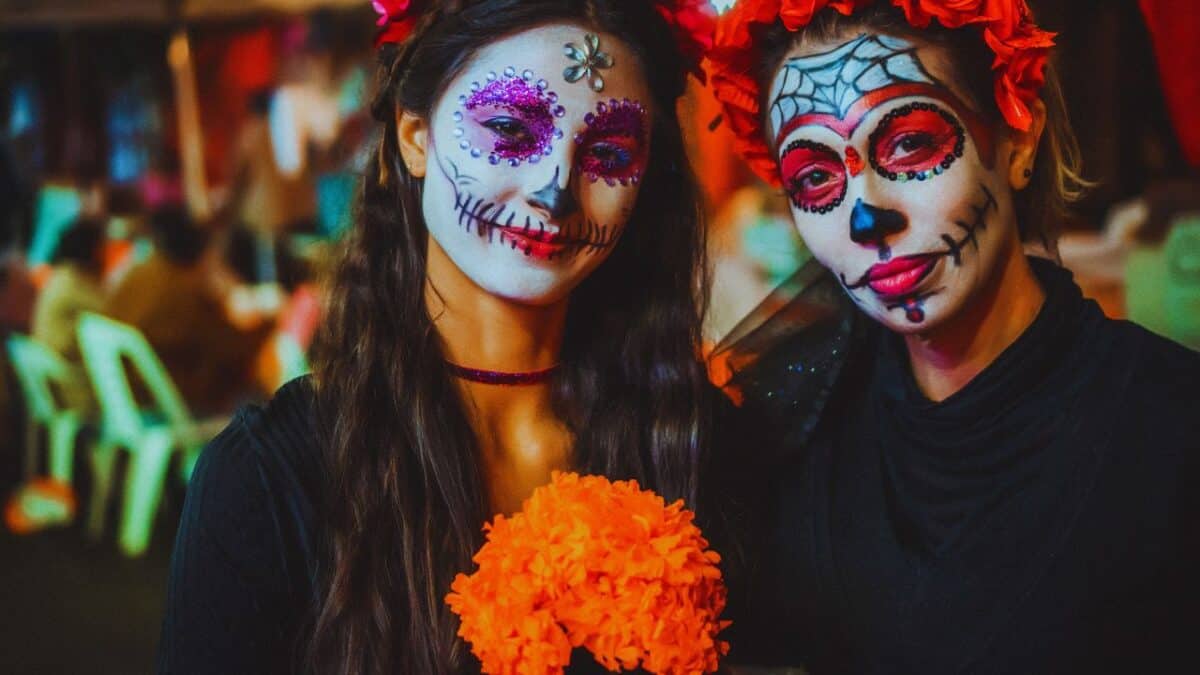
There are many ways to partake in this holiday, even if you’re not in Mexico:
Set Up an Ofrenda
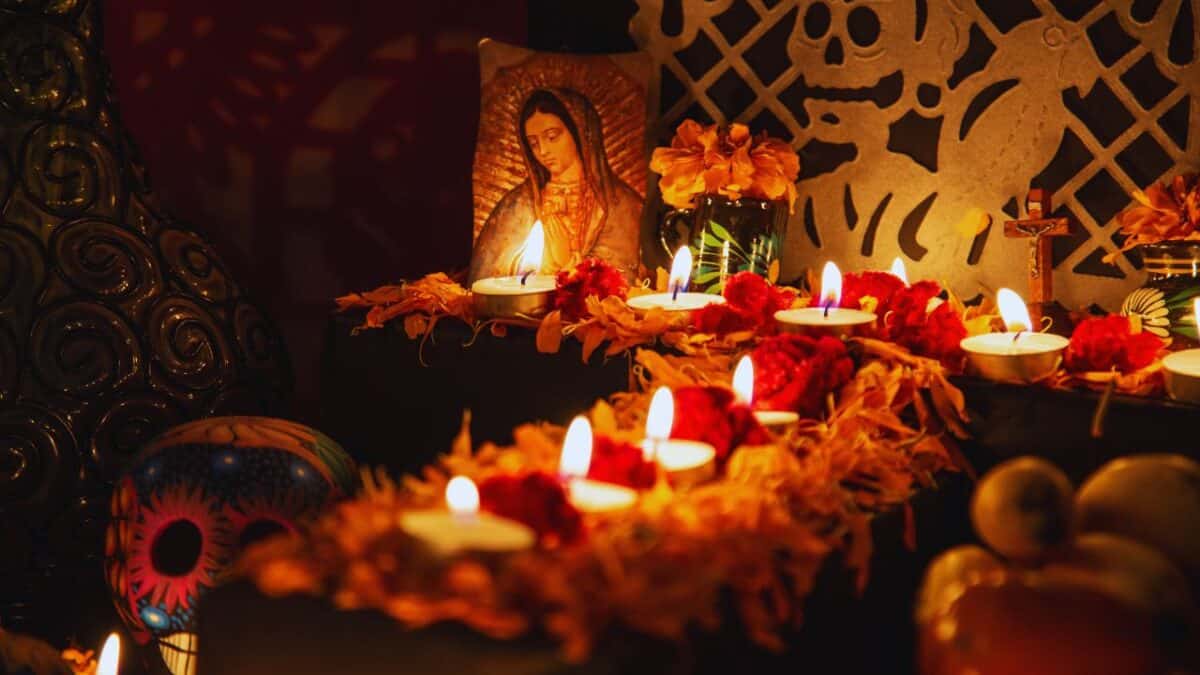
Create an altar at home to honor your loved ones. Add personal touches like photos, small mementos, their favorite foods, and marigolds.
Cook Traditional Foods
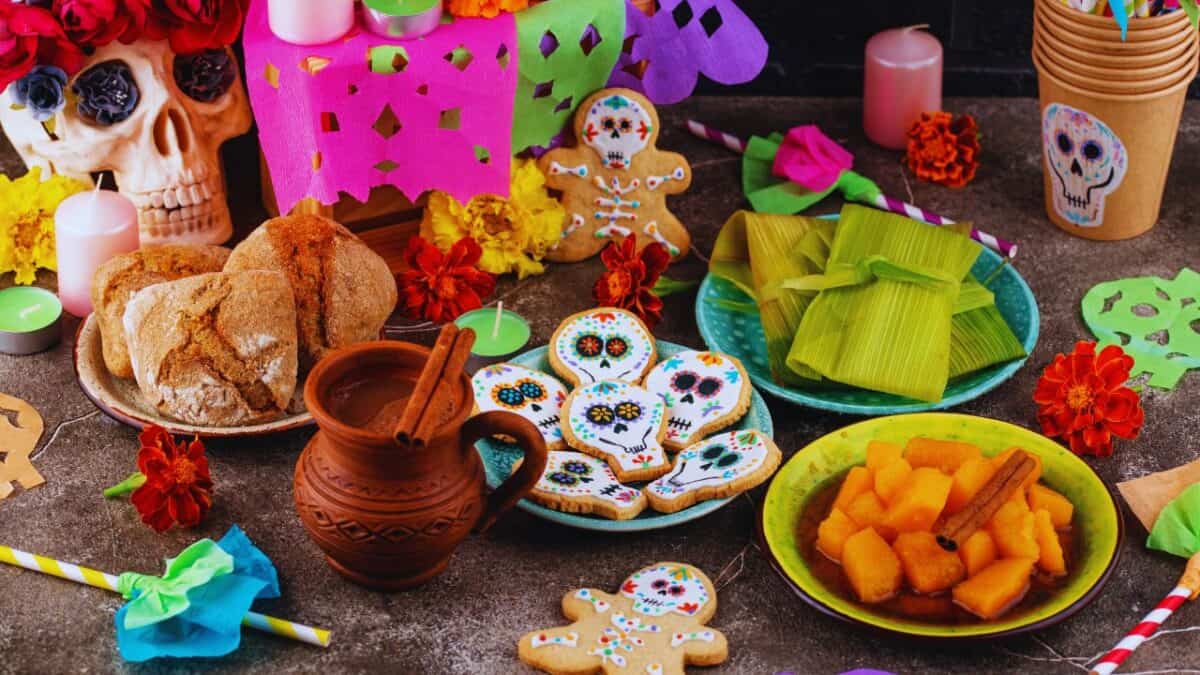
Prepare traditional foods like pan de muerto or your loved one’s favorite meals. Food connects us to memories, bringing their spirit alive in a delicious way.
Craft Papel Picado

Decorate with colorful papel picado (paper banners), which add a festive touch to your altar and symbolize the fragility of life.
Light Candles
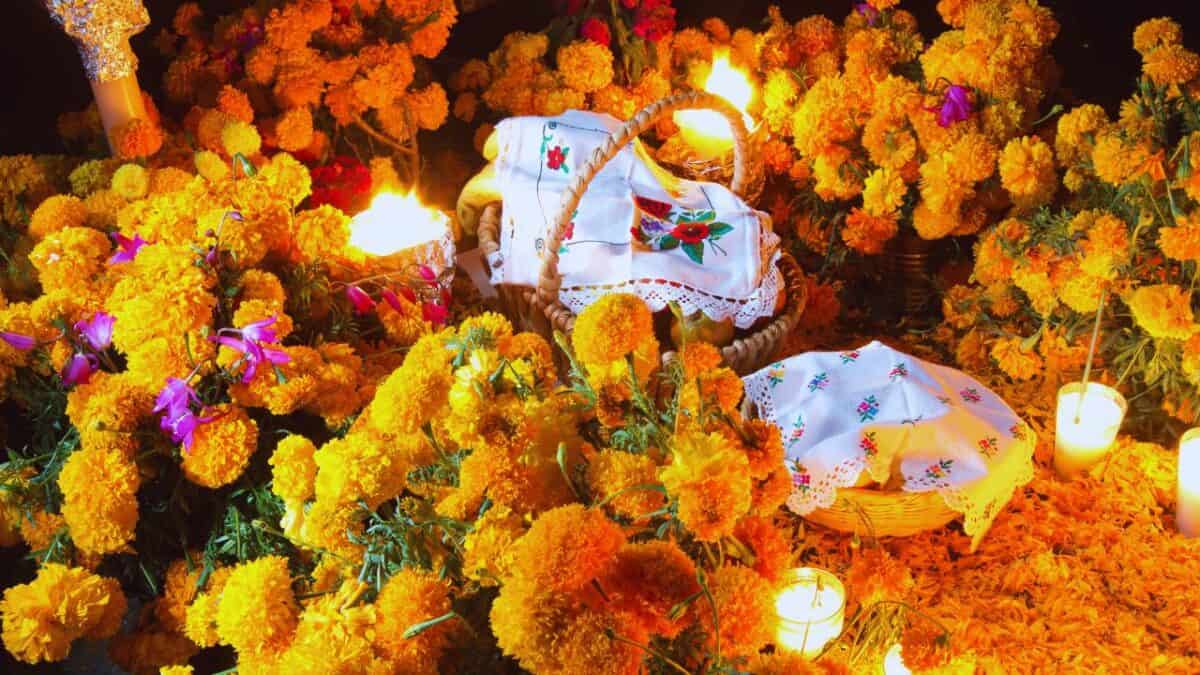
Candles are lit to guide spirits back to the land of the living. Place them on your ofrenda as a warm welcome.
Top Cities in Mexico to Celebrate Día de Muertos
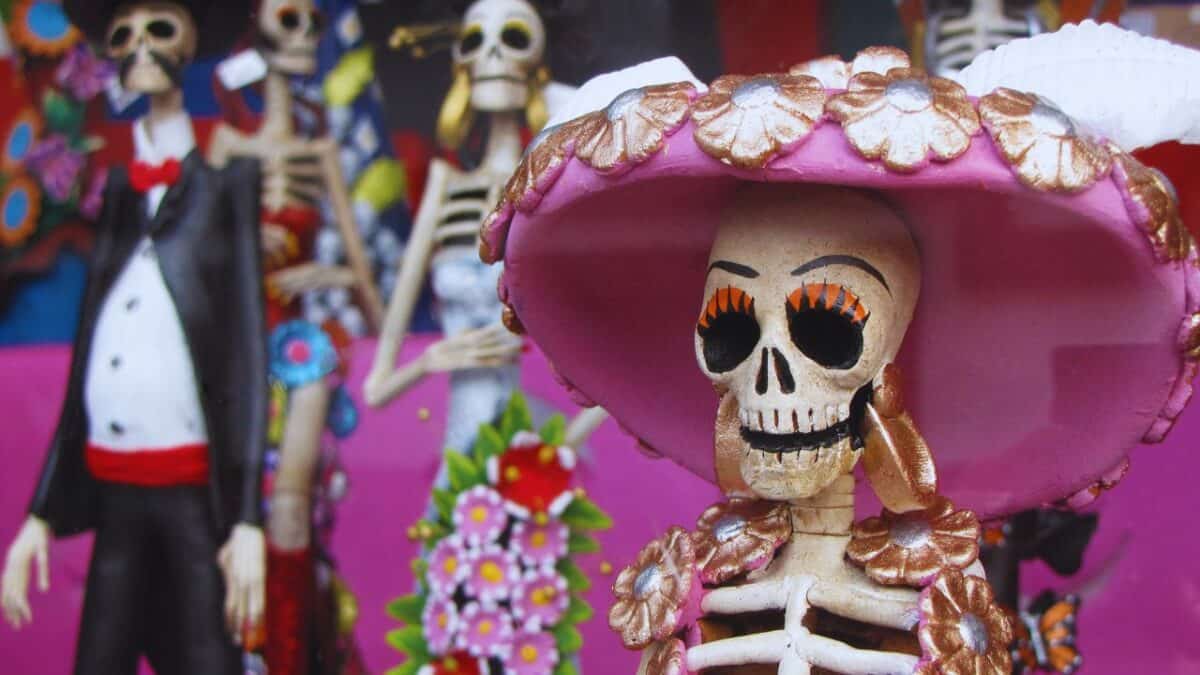
While all of Mexico celebrates Día de Muertos, certain cities in Mexico go all out with elaborate celebrations that showcase the holiday’s magic. If you ever want to travel to see these celebrations firsthand, these cities should be high on your list.
Mexico City
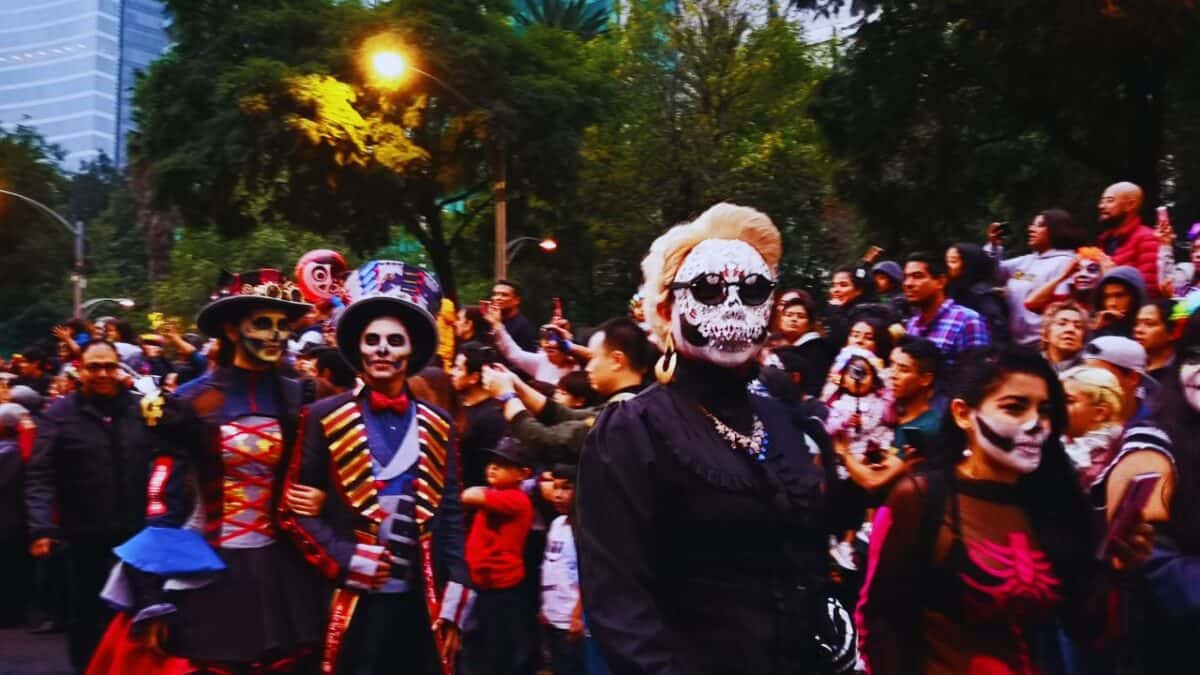
Mexico City’s Day of the Dead parade is huge, with vibrant floats, elaborate costumes, and traditional dancers filling the streets.
The city also hosts altar exhibitions in plazas and museums, showcasing unique ofrendas from different regions of Mexico.
Oaxaca

Known for its rich indigenous culture, Oaxaca is famous for its deeply traditional Día de Muertos celebrations. The city becomes a hub of parades, dances, and vibrant altar displays.
The cemetery vigils in the nearby town of Xoxocotlán are especially moving as families gather with food, music, and marigold petals to remember their loved ones.
Pátzcuaro
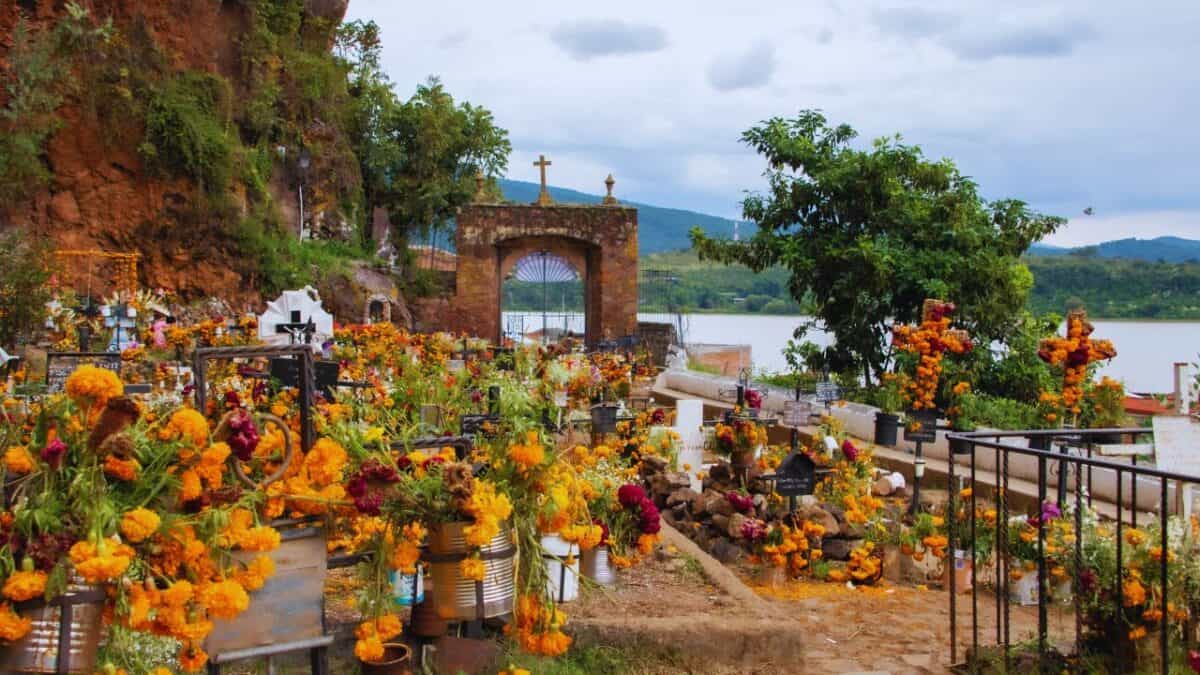
Located on Lake Pátzcuaro, this town is well-known for its mystical celebrations, especially on Janitzio Island. Candle-lit boats glide across the lake, illuminating the dark water as people visit cemeteries to honor their ancestors, creating a powerful and unforgettable scene.
Mérida

Mérida celebrates Hanal Pixán, the Mayan version of Día de Muertos, with traditional altars and regional foods. The city’s observance brings unique elements from Mayan culture, setting it apart from other celebrations in Mexico.
San Andrés Mixquic
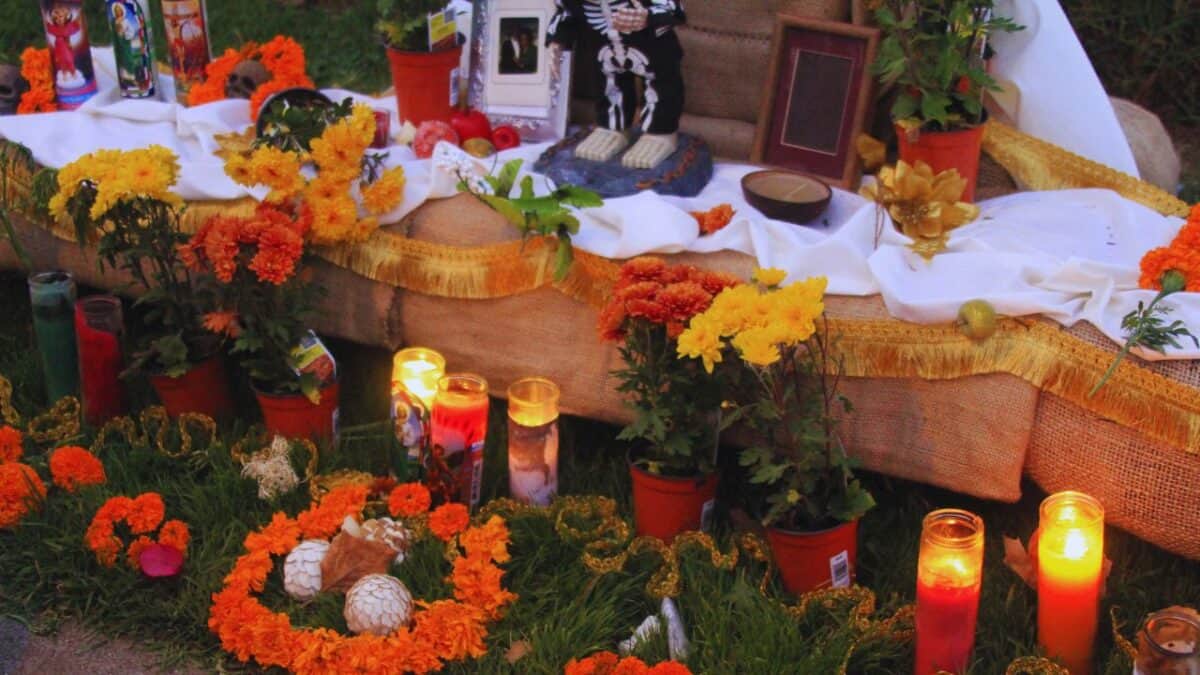
This small town is famous for its cemetery decorations and nighttime processions. Families gather around graves adorned with candles, marigolds, and food offerings, bringing the community together in remembrance.


