
Battle of the Sexes: The Harsh Reality of Pay in Professional Basketball
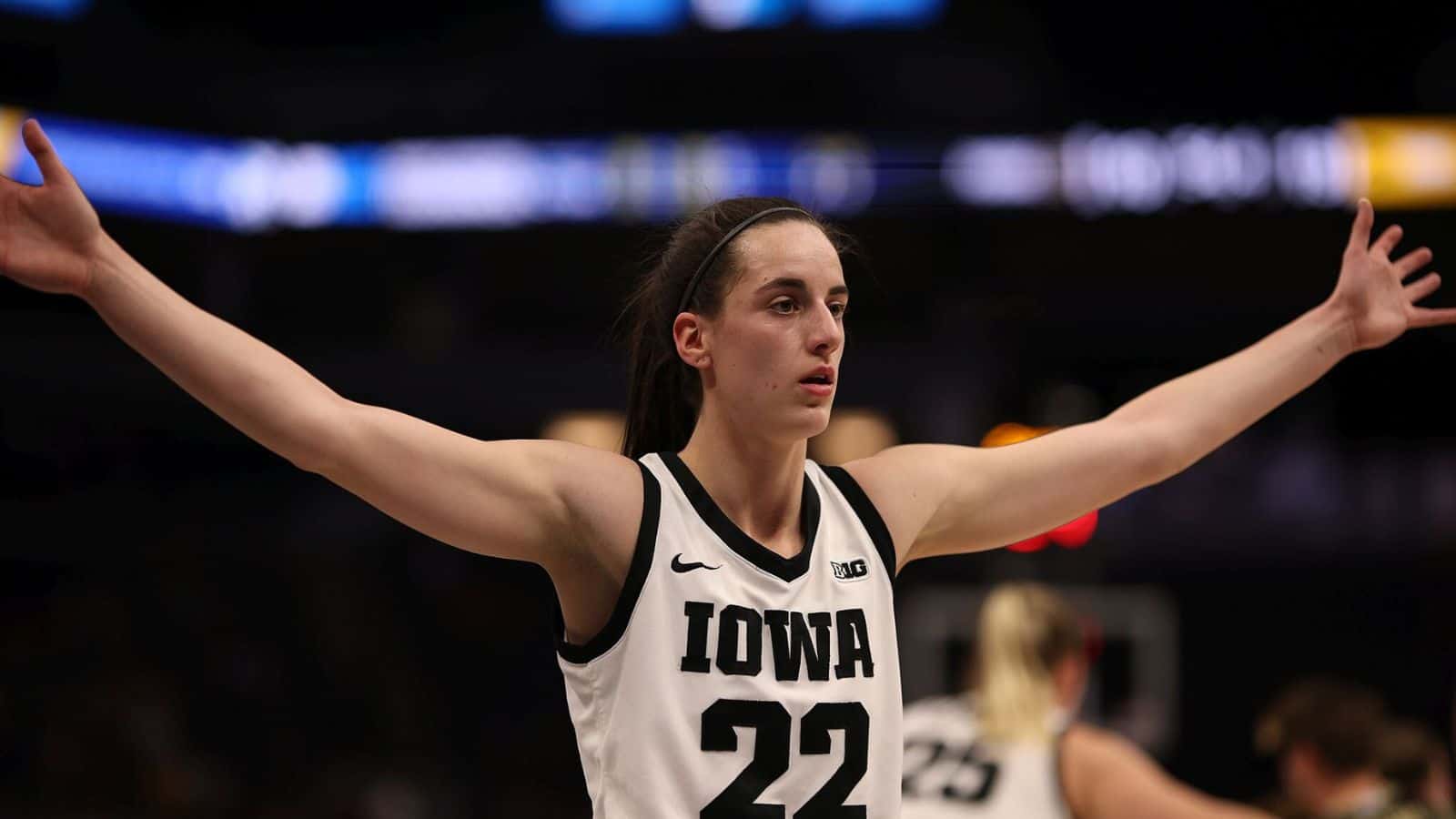
Caitlin Clark, a standout talent freshly crowned as the #1 pick in the WNBA draft, is set to earn a starting salary that has sparked outrage and heated debates across sports forums.
Despite her undeniable skills and potential to transform her team, Clark’s expected earnings are just a fraction of her male counterparts in the NBA—even those picked at lower slots.
Dive into our 15-point analysis, which explores the controversial and complex reasons why men generally earn more than women in sports.
WNBA Top 10 Draft Pick Salaries

Outrage among women has sparked this week after many celebrated the success of Iowa’s Caitlin Clark. Indiana picked her up as the #1 draft pick, but some ‘fans’ were shocked at the low salary she’d be making.
Compared to the NBA, a rookie salary of $76,000 is considerably low, and of course, people who don’t understand the game and want something to be offended by are running with this “injustice.”
NBA Top 10 Draft Pick Salaries
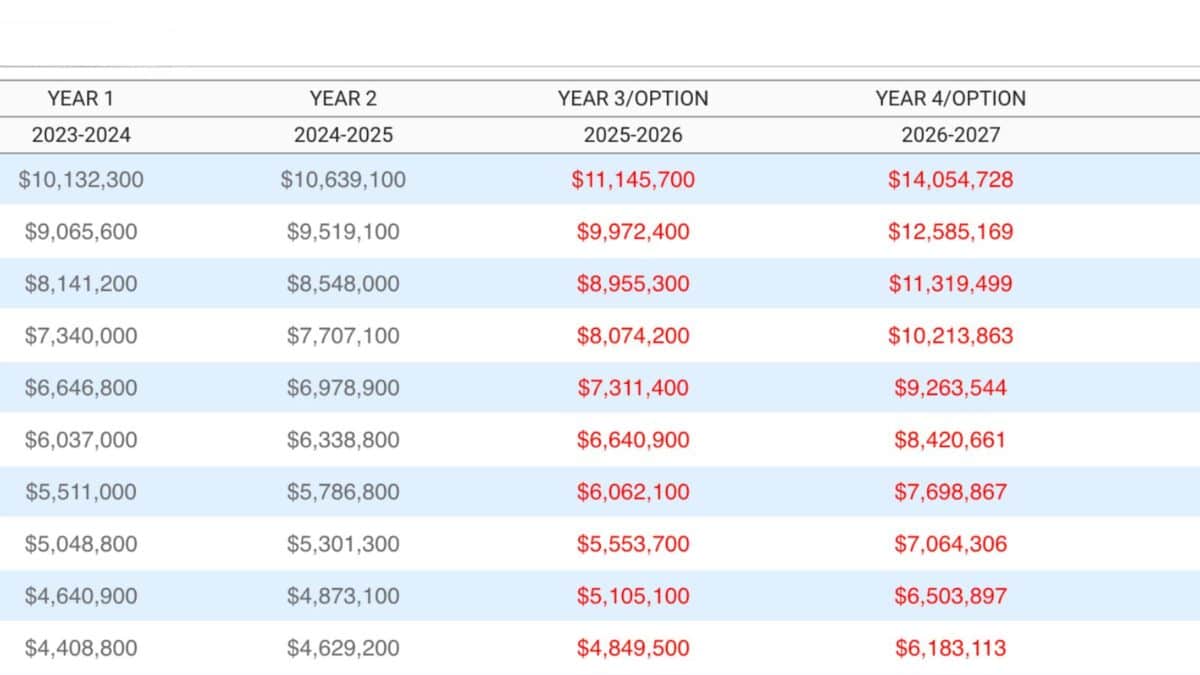
You can see the wage disparity loud and clear here. #1 Picks such as Victor Wembanyama (San Antonio Spurs) are earning considerably more right out of the gate, and that’s not considering any sponsor deals, which also tend to lend themselves more to male athletes.
The Hard Truth About The Pay Gap in Basketball

But before everyone gets too upset at this “unfair” difference, I think its important to examine WHY this happens and put things in clear perspective.
Historical Context

The NBA has existed since 1946, building a global fanbase and financial muscle over decades, while the WNBA was established in 1996, impacting revenue and wage potential.
Revenue Disparities

NBA games and associated merchandise generate significantly more revenue than WNBA, largely due to broadcasting deals and higher ticket sales, directly affecting salary caps and player earnings.
Broadcasting Rights
NBA’s lucrative TV deals in the U.S. and internationally dwarf WNBA’s contracts, providing a much larger pool of money for player salaries.
Sponsorship and Endorsements

Unlike their WNBA counterparts, NBA players benefit from more lucrative, high-profile endorsement deals, which are often reflected in their overall financial packages.
Attendance and Ticket Sales
NBA games attract higher attendance figures, thus generating more revenue from ticket sales than WNBA games.
Global Appeal
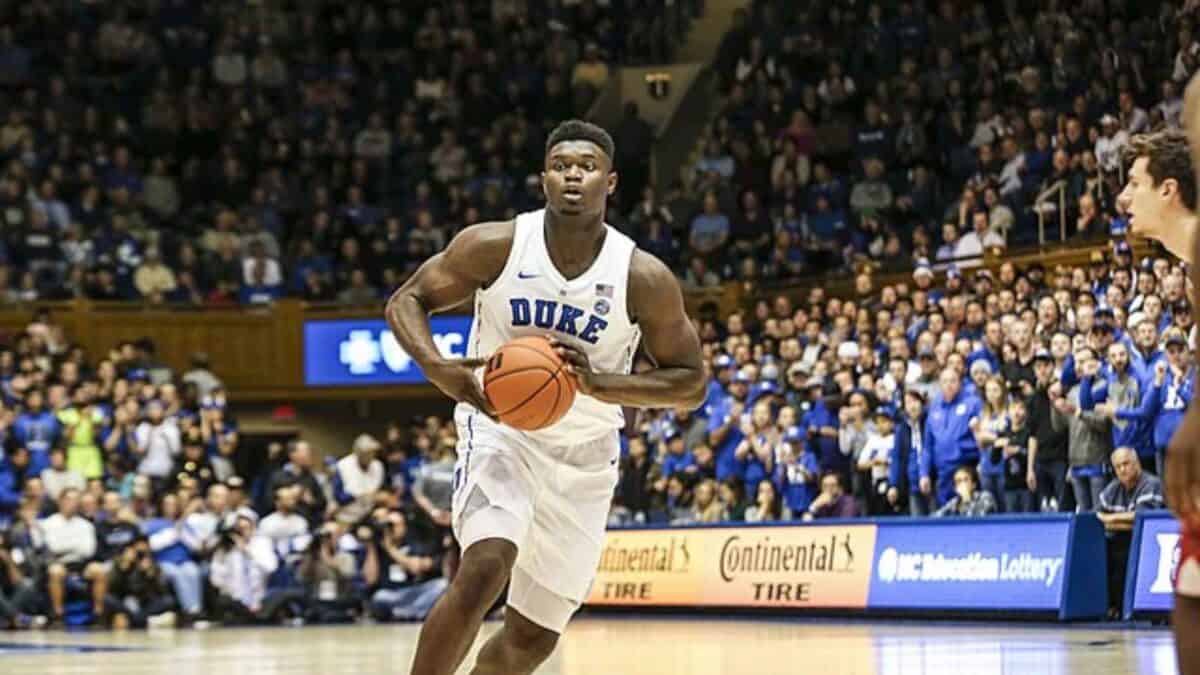
The NBA enjoys a vast global market presence, including in lucrative markets like China, which amplifies its revenue through merchandising and media rights.
Game Schedule Density
The NBA season has 82 regular-season games per team, more than double the WNBA’s 36, offering more occasions for revenue generation.
League Profitability

The NBA’s profitability allows for higher salaries, while the WNBA has historically struggled to achieve profit margins supporting similar salary levels.
Public Interest and Media Coverage
NBA games and players receive significantly more media coverage, which drives popularity and financial investments into the league.
Investment in Marketing

The NBA invests heavily in marketing its stars and narratives, creating household names, whereas WNBA marketing budgets have traditionally been lower.
Cultural Impact and Prestige
The NBA has a longstanding cultural significance in sports, which helps sustain its high earnings and public interest levels.
Gender Dynamics in Sports

Gender disparities in sports reflect broader societal views and biases that often value men’s sports as more entertaining or competitive.
League Sponsorships

NBA’s league-wide sponsorships are richer and more extensive than those in the WNBA, impacting the overall financial ecosystem.
Merchandising Revenue

Sales of NBA merchandise significantly outstrip those for the WNBA, adding another layer to the revenue gap that translates into salaries.
Economic Model and Profit Sharing

The NBA’s economic model allows a higher percentage of league revenues to be designated for player salaries than the WNBA’s.
My Two Cents
Look, I love sports, and I’m a woman, so I feel qualified to voice my opinion here. Women’s professional athletes do not deserve the same pay as men. They don’t. They aren’t as exciting to watch; they don’t pull in the revenue, and that’s just the way it is.
For everyone complaining about these girls not getting paid millions, I ask, “How many WNBA games have you been to?” “How many jerseys have you bought?” “How many players can you name besides Caitlin Clark and Angel Reese?”
Exactly. The same people making noise about this likely haven’t dumped any money into the sport to help these athletes make more money. Personally, I’d rather watch paint dry than a low-scoring layup competition—I mean a WNBA game.


