

12 Deadly Beaches You Should Know About
When considering the most dangerous beaches in the world, various factors can contribute to their danger levels, such as strong currents, dangerous marine life, high levels of pollution, or even criminal activity. Here’s a list of some of the beaches known for their potential dangers:
1. Cape Tribulation, Australia

Cape Tribulation, nestled within the heart of Queensland, Australia, is a true gem where the world’s oldest continuously surviving tropical rainforests meet the Great Barrier Reef. Part of the Daintree National Park, this area is a treasure trove of biodiversity, boasting a rich tapestry of flora and fauna, some of which are found nowhere else on Earth.
The strikingly beautiful Cape Tribulation is renowned for its scenic landscapes, encompassing long, untouched beaches flanked by dense rainforests. Visitors can embark on jungle treks to explore ancient plant species, engage in bird watching, or partake in snorkeling excursions to witness the vibrant underwater life at the Great Barrier Reef.
Why is it dangerous? Swimming here can be hazardous, as it is home to crocodiles and jellyfish.
2. New Smyrna Beach, Florida, USA:
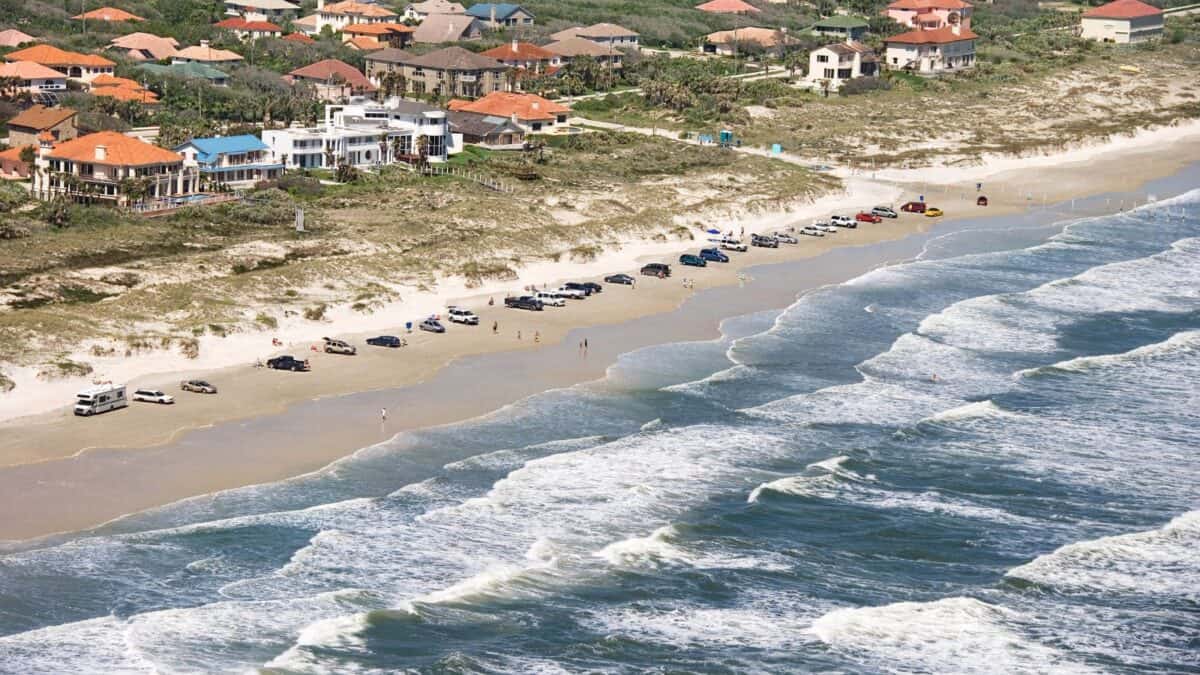
Located on the central east coast of Florida, New Smyrna Beach offers a blend of historical charm and modern leisure activities. It is an ideal destination for tourists seeking a beach experience with a touch of culture.
Known for its 17 miles of sandy beaches, the area is a haven for surfers and offers some of the finest wave conditions in the state.
Beyond the beach, New Smyrna Beach is rich in history, with the Canal Street Historic District presenting a range of boutiques, galleries, and dining options set within beautifully preserved 19th-century architecture. The area also boasts numerous parks and recreational areas, providing opportunities for fishing, boating, and golfing.
For nature lovers, the nearby Canaveral National Seashore offers pristine coastal landscapes and wildlife viewing opportunities.
Why is it dangerous? Known as the shark attack capital of the world, this beach has a high number of shark-related incidents.
3. Hanakapiai Beach, Hawaii, USA:
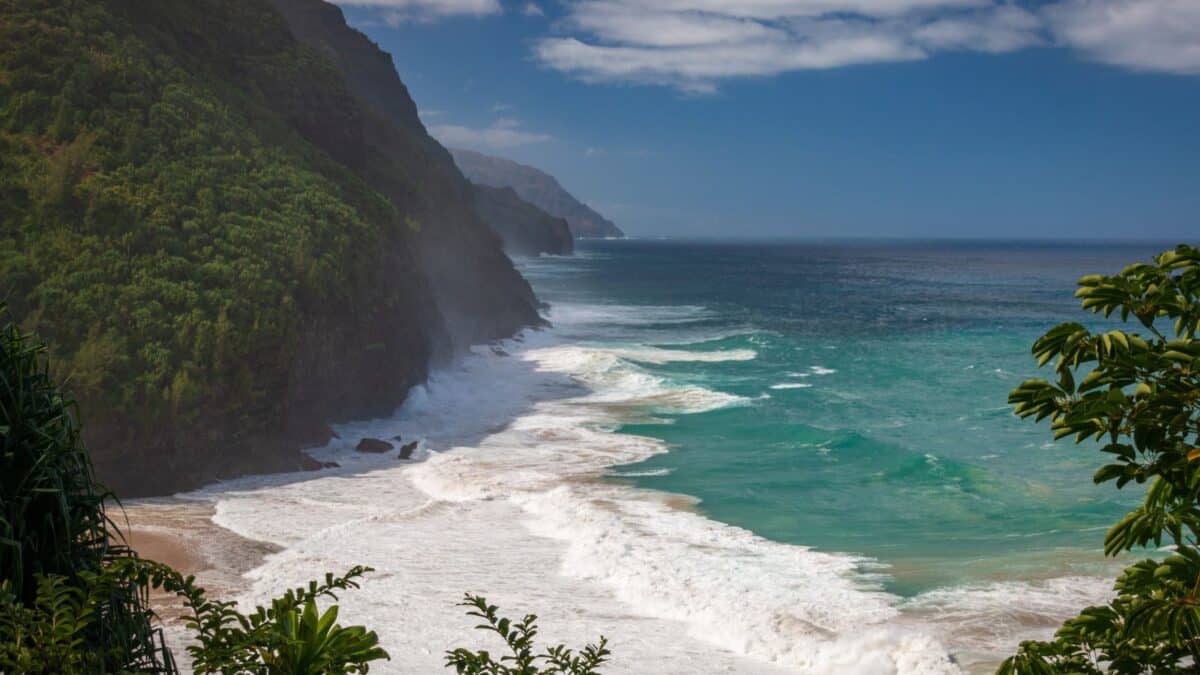
Hanakāpīʻai Beach is a remote, breathtaking shoreline on the Na Pali Coast of Kauai, Hawaii. Accessible only by a challenging hike along the Kalalau Trail, this beach is not for the faint-hearted but rewards the adventurous with its stunning beauty and seclusion.
The beach is characterized by its dramatic cliffs, crystal-clear water, and fine sand, making it a picturesque but potentially dangerous location due to strong currents and waves.
Nearby, the Hanakāpīʻai Falls offer a rewarding detour where hikers can marvel at a towering waterfall and cool off in its freshwater pool. It’s a place of raw natural beauty, reminding visitors of the powerful forces that shape these islands.
Why is it dangerous? Strong currents and dangerous waves make this beautiful beach risky for swimmers.
4. Fraser Island, Australia:

Fraser Island, known as K’gari to the local Butchulla people, is the world’s largest sand island and a UNESCO World Heritage site located along the southern coast of Queensland, Australia.
This island paradise is celebrated for its diverse landscapes, including long sandy beaches, crystal-clear freshwater lakes, ancient rainforests growing out of sand, and a remarkable array of wildlife.
One of Fraser Island’s most iconic sites is Lake McKenzie, a stunning perched lake with pure silica sand and turquoise water. The island also offers unique driving experiences along Seventy-Five Mile Beach, which serves as a highway and a landing strip for small planes.
isitors can explore the island’s rich Aboriginal heritage and observe various animals, such as dingoes, in their natural habitat. Fraser Island provides an unparalleled adventure for nature lovers, with eco-tours and accommodation options designed to minimize human impact on this delicate ecosystem.
Why is it dangerous? Rip currents, sharks, jellyfish, and occasional crocodiles make it challenging for beachgoers.
5. Gansbaai, South Africa:

Gansbaai, located on the South African coast near Cape Town, is famously known as the “Great White Shark Capital of the World.”
This small fishing town has gained international acclaim for shark cage diving, offering adrenaline-pumping encounters with these majestic marine predators in their natural habitat.
Beyond its thrilling underwater experiences, Gansbaai boasts stunning landscapes, from rugged cliffs to serene beaches such as De Kelders, where one can enjoy whale watching, particularly Southern Right Whales, between June and December.
The area is also a gateway to the fynbos-rich Walker Bay Nature Reserve, offering diverse outdoor activities and the beauty of South African biodiversity.
Why is it dangerous? While it’s a popular spot for shark cage diving, the waters are home to a large population of great white sharks.
6. Playa Zipolite, Mexico:

Playa Zipolite, nestled on the southern coast of Oaxaca, Mexico, is a laid-back beach haven with a bohemian vibe. It is famous for its long, golden beach flanked by palm trees and rustic accommodations.
Zipolite attracts a mix of backpackers, yoga enthusiasts, and those seeking a retreat from the bustle of modern life. It is one of Mexico’s few beaches where naturism is tolerated, offering a unique sense of freedom and connection with nature.
The strong currents make it a spot for cautious swimming, but the beach’s beauty and relaxed atmosphere make it a perfect destination for sunbathing and sunset watching.
Why is it dangerous? Nicknamed “The Beach of the Dead,” the powerful undercurrents have made it notorious, although it has become safer with the presence of lifeguards.
7. Chowpatty Beach, Mumbai, India:

Chowpatty Beach, situated at the northern end of Marine Drive in Mumbai, India, is one of the city’s most famous and vibrant beaches. While not a traditional sunbathing and swimming destination, Chowpatty comes alive in the evening with locals and tourists flocking to enjoy street food, watch performances, and partake in the bustling atmosphere.
The beach plays a central role during the Ganesh Chaturthi festival when thousands gather to immerse Ganesh idols in the Arabian Sea. Despite its urban backdrop, Chowpatty Beach offers a glimpse into Mumbai’s communal spirit and cultural richness.
Why is it dangerous? Known for its severe pollution levels, swimming here can harm your health.
8. Kilauea, Hawaii, USA:

Kilauea, located on the island of Kauai in Hawaii, is not just a destination but a living landscape shaped by one of the most active volcanoes on Earth, Kīlauea Volcano.
Although primarily known for its volcanic activity, the region surrounding Kilauea offers lush rainforests, dramatic lava cliffs, and pristine beaches. The Kilauea Point National Wildlife Refuge is a haven for seabirds and offers breathtaking views of the Pacific.
The ongoing volcanic activity creates a dynamic environment where visitors can witness the raw power of Earth’s natural forces.
Why is it dangerous? The proximity to an active volcano, with lava flowing into the ocean, can make the water and air quality dangerous.
9. Amazon Rainforest Beaches, South America:
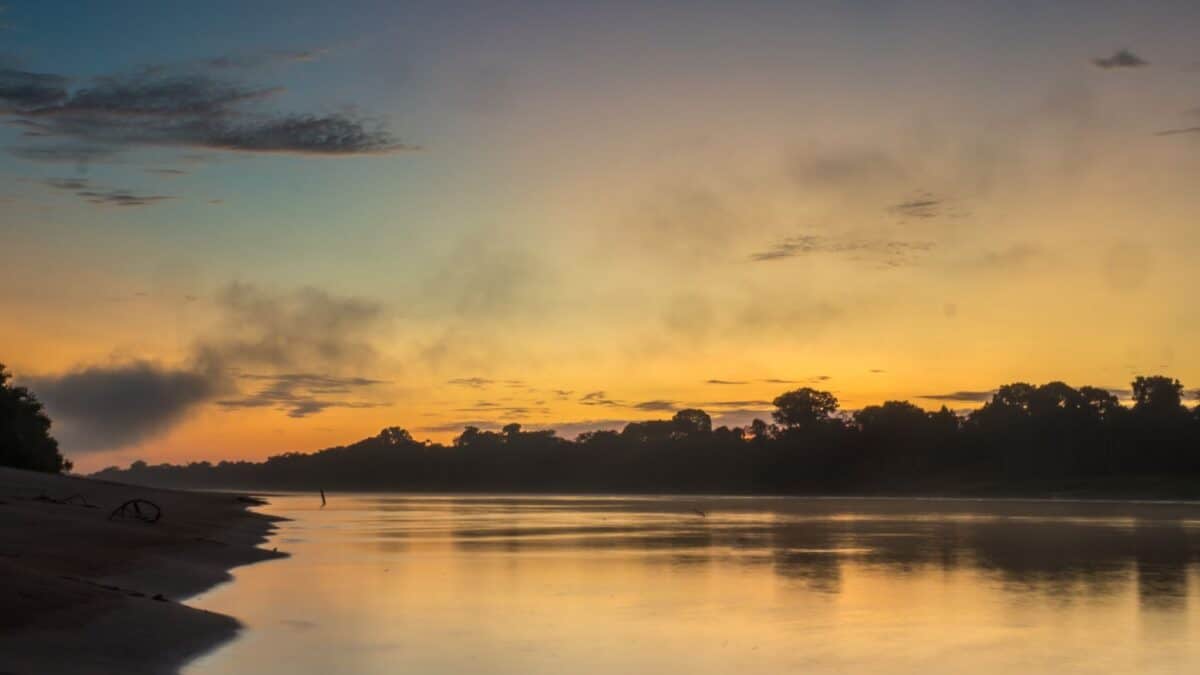
The Amazon Rainforest, spanning several countries in South America, is home to some of the world’s most secluded and pristine beaches, primarily accessible via the Amazon River.
These beaches are particularly unique due to their seasonal nature. They emerge beautifully during the dry season as the river levels drop. The region’s biodiversity is unparalleled, with opportunities to see a wide range of wildlife, from pink river dolphins to exotic birds.
Visiting these beaches offers a rare glimpse into the Amazon’s untouched natural beauty and indigenous cultures.
Why is it dangerous? Beaches along the Amazon are home to piranhas, anacondas, and other dangerous wildlife.
10. Acapulco, Mexico:

Once the playground of Hollywood’s elite in the 1950s and 60s, Acapulco, located on Mexico’s Pacific coast, remains a popular beach destination known for its vibrant nightlife, beautiful bay, and cliff divers.
The city is divided into the traditional Acapulco, with its famous La Quebrada cliff divers, and the modern Acapulco Diamante, home to luxury resorts and upscale amenities. Despite facing challenges, Acapulco continues to attract those seeking sun, sea, and entertainment, offering a mix of beautiful beaches and a lively urban atmosphere.
Why is it dangerous? Despite its beauty, Acapulco has seen a rise in violent crimes in recent years, making it a risky destination for tourists.
11. Second Beach, Port St. Johns, South Africa:

Second Beach in Port St. Johns is a picturesque and somewhat hidden gem on the Wild Coast of South Africa. Known for its scenic beauty, this beach is surrounded by lush green hills and traditional Xhosa huts, offering a peaceful escape from the hustle and bustle.
It’s popular among backpackers, surfers, and those looking to experience the rugged, unspoiled beauty of South Africa’s Eastern Cape. The area is also rich in cultural history and offers several hiking trails that explore the coast and the rural hinterland.
Why is it dangerous? Known for its scenic beauty, it has also become known for a series of shark attacks, making it a dangerous spot for swimmers.
12. Schitovaya Bukhta, Russia:
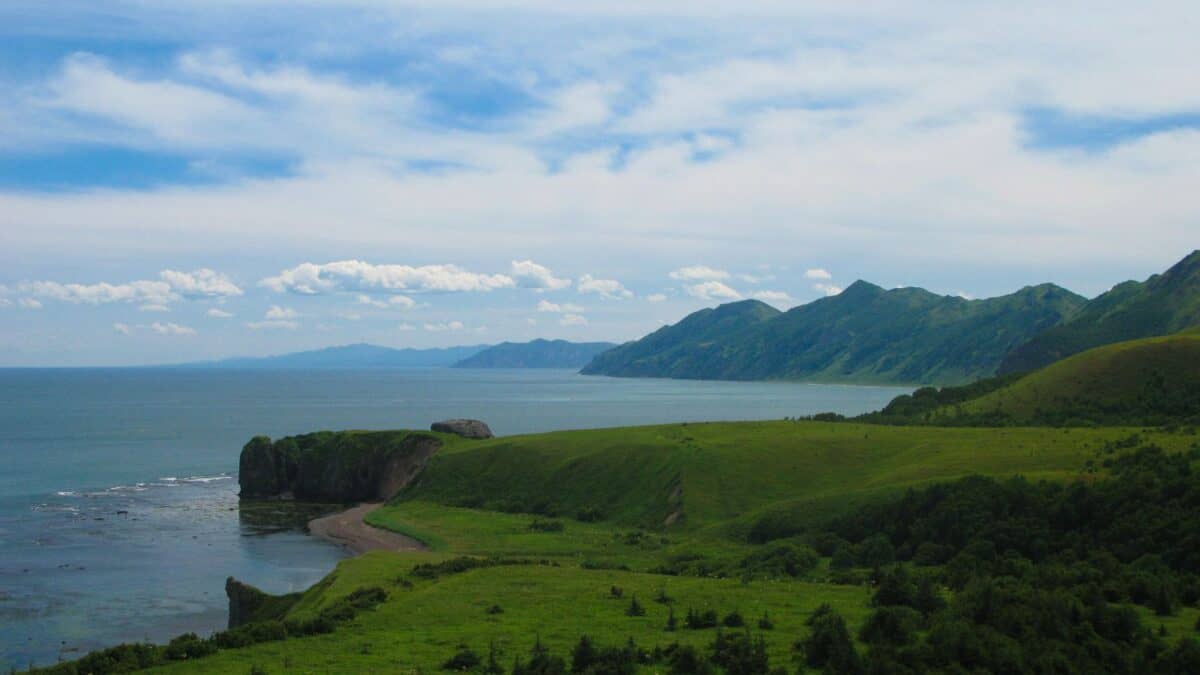
Schitovaya Bukhta (Shield Bay) is a secluded spot located on Russia’s far eastern coast, within the Primorsky Krai. Known for its surfing community, it’s one of the few places in Russia where surfers can catch waves, thanks to its unique geographical position facing the Pacific Ocean.
The area is part of a protected zone, which has helped preserve its natural beauty and marine biodiversity. Schitovaya Bukhta offers a unique blend of nature and is surrounded by dense forests and a rugged coastline.
Why is it dangerous? This beach is difficult to access and is near a military testing site, making it potentially hazardous.


