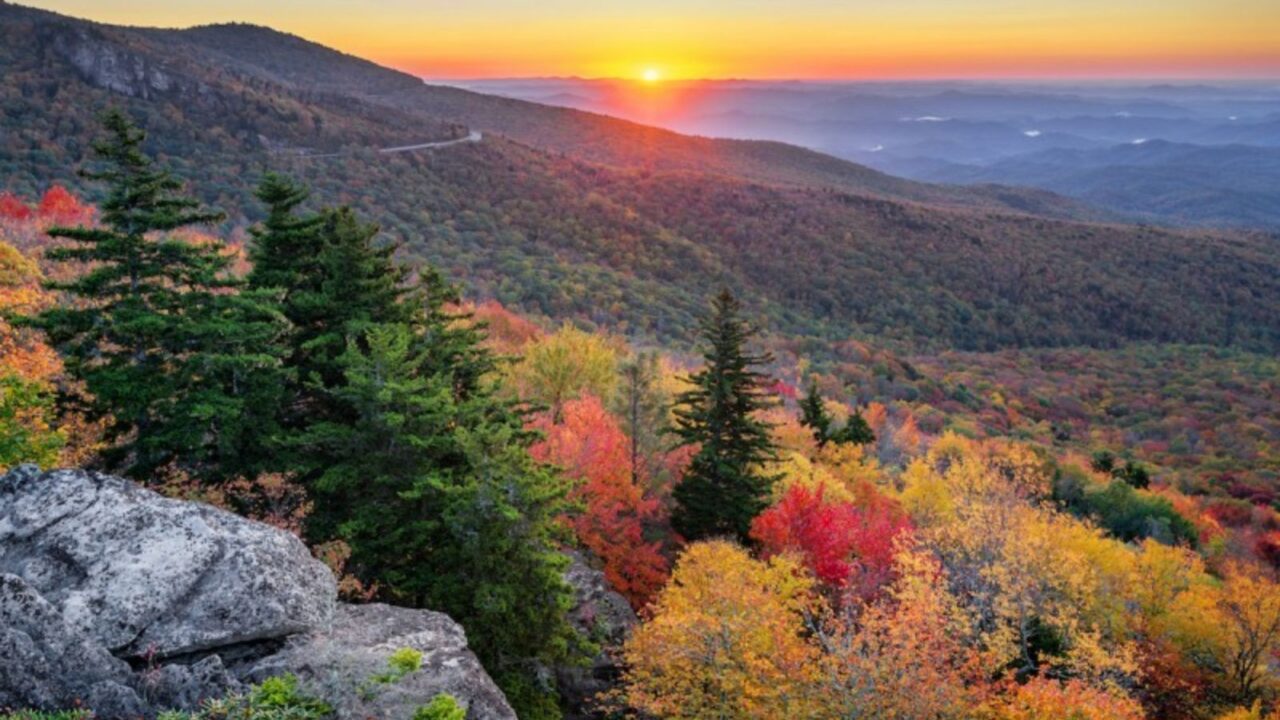
Iconic Great Smoky Mountain Peak Reclaims Its Cherokee Name
In the heart of the Great Smoky Mountains, a historic change has taken place that echoes through time and honors the deep-rooted Cherokee heritage of the land.
Clingmans Dome, the iconic peak that has drawn millions of visitors for generations, has been officially renamed Kuwohi, reclaiming its original Cherokee name and significance.
The Historic Decision
On September 18, 2024, the U.S. Board on Geographic Names made a landmark decision to rename Clingmans Dome to Kuwohi, pronounced “koo-WHOA-hee.”
This change marks a significant step in recognizing and honoring the indigenous history of the Great Smoky Mountains.
Kuwohi, which translates to “mulberry place” in the Cherokee language, holds profound cultural and spiritual importance for the Cherokee people.
Cherokee Cultural Significance
For the Cherokee, Kuwohi is far more than a scenic viewpoint. It’s a sacred place where cultural leaders have historically gone to pray, seek guidance, and gather mulberries for food and medicine. The peak, standing tall as the highest point in Tennessee, has been a silent witness to centuries of Cherokee history.
During my travels and research, I’ve learned that Kuwohi also served as a refuge for some Cherokee during the tragic Trail of Tears. This adds a layer of historical significance that resonates deeply with visitors who understand the importance of preserving Native American heritage.
From Clingmans Dome to Kuwohi
The story of Kuwohi’s name is a journey through American history. Originally named by the Cherokee, the peak was renamed Clingmans Dome in 1859 by Swiss-American geographer Arnold Guyot. The new name honored Thomas Lanier Clingman, a U.S. representative and senator from North Carolina who later became a Confederate brigadier general.
For over 160 years, the peak bore this name, but the tide of recognition for indigenous rights and history has brought about this important change. As someone who has spent years exploring national parks, I’ve seen a growing trend of honoring native names and traditions. For instance, Alaska’s Denali, formerly known as Mount McKinley, was officially restored to its indigenous name in 2015.
The Path to Reclaiming Cherokee Heritage
The initiative to restore the Cherokee name was no small feat. It was spearheaded by members of the Eastern Band of Cherokee Indians, particularly Lavita Hill and Mary “Missy” Crowe. Their efforts, which began in 2022, culminated in a formal request submitted in January 2024.
The National Park Service fully supported this change, recognizing the importance of honoring the land’s original stewards. This collaboration between indigenous communities and federal agencies is a model for future efforts in preserving Native American heritage across our national parks.
Impact on Great Smoky Mountains National Park
Kuwohi welcomes more than 650,000 visitors annually, making it one of the most visited sites in the park. The name change will undoubtedly spark conversations and increase awareness about Cherokee history among visitors.
The National Park Service is currently updating all signage and the park’s website to reflect the name change. This process ensures that visitors will learn about the peak’s Cherokee heritage from the moment they enter the park.
Community Response and Celebration
The renaming of Kuwohi has been met with widespread celebration, particularly among the Eastern Band of Cherokee Indians. Principal Chief Michell Hicks expressed that the change is “long overdue” and appreciated the collaborative effort that made it possible.
Local communities and government entities have also shown strong support for the change. This positive response underscores the growing recognition of the importance of indigenous place names and the stories they tell.
Future Collaborations and Preserving Cherokee Culture
The renaming of Kuwohi is just the beginning of ongoing efforts to honor Cherokee culture within the Great Smoky Mountains National Park. The National Park Service has committed to working closely with Cherokee people to share their stories and preserve the landscape together.
One particularly inspiring initiative is the annual three-day closure of the area to allow Cherokee children to visit and learn about their culture from elders and community members.
A Trend in National Parks
The renaming of Kuwohi is part of a larger trend in national parks across the United States. As mentioned earlier, Denali in Alaska set a precedent for honoring indigenous names. Currently, there are discussions about potentially renaming Mount Rainier in Washington state to honor its native name as well.
This movement towards recognizing indigenous heritage in our national parks is not just about changing names on maps. It’s about acknowledging the deep connection between the land and its original inhabitants, and providing a more complete and accurate representation of American history to park visitors.
For those planning a visit, I encourage you to embrace this change and take the time to learn about the Cherokee history of Kuwohi. It’s not just a name on a map; it’s a living connection to the people who have called these mountains home for thousands of years.