15 Lost Cities Of The Ancient World You Can Visit
 Abby Price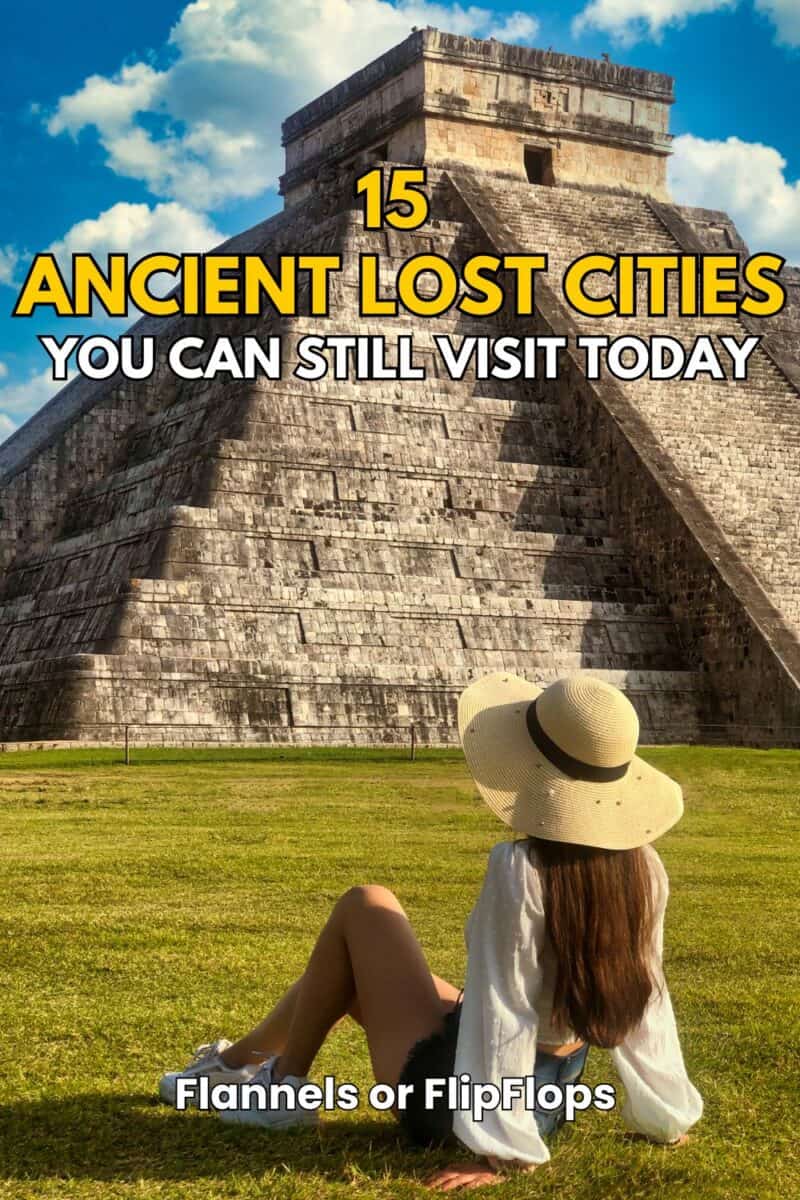
Exploring a lost city from the ancient world is an extraordinary adventure. It’s a chance to step into the past and experience how past societies lived, dined, and thrived in these incredible places.
For fellow history enthusiasts like myself who are keen on discovering the most remarkable lost cities, I’ve put together the perfect selection of places you can explore.
1. Pompeii, Italy

No list of ancient lost cities would be complete without mentioning Pompeii. Located near Naples, Italy, Pompeii was once a bustling Roman city until the eruption of Mount Vesuvius in 79 A.D. The city was engulfed in ash and pumice, preserving it like a time capsule until its rediscovery in the 1700s.
Today, Pompeii has been designated as a UNESCO World Heritage Site, offering a captivating experience for history enthusiasts. Walking through its ancient streets and exploring its well-preserved buildings provides a firsthand glimpse into Roman life. Guided tours and informative exhibits further add to the experience, making it a must-visit destination for anyone fascinated by European history.
2. Machu Picchu, Peru

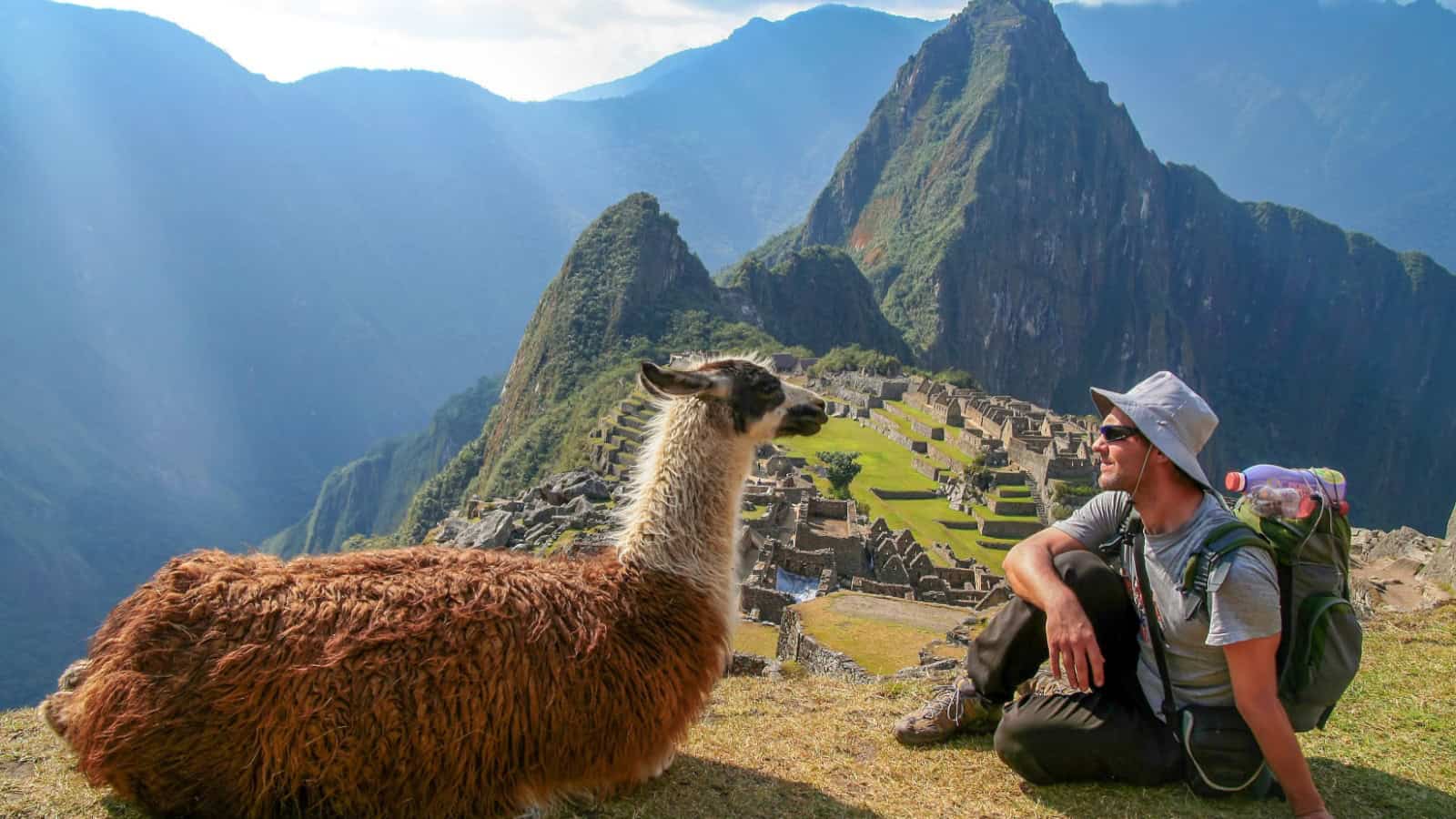
Machu Picchu is one of the most renowned ancient cities to explore. It is located in Peru’s Andes Mountains, at 2,430 meters above sea level, and offers stunning mountain views. This incredible Inca Empire town, built in the 15th century, was abandoned by the Incas and remained hidden until 1911 when it was rediscovered.
With over 200 structures scattered across the site, Machu Picchu’s purpose still puzzles experts, adding to its mystery and appeal. Today, it’s a UNESCO World Heritage Site, drawing visitors for guided tours and hiking adventures in its breathtaking surroundings.
Read more about Machu Picchu, Peru one of the UNESCO World Heritage Sites That Are Pure Magic
3. Troy, Turkey
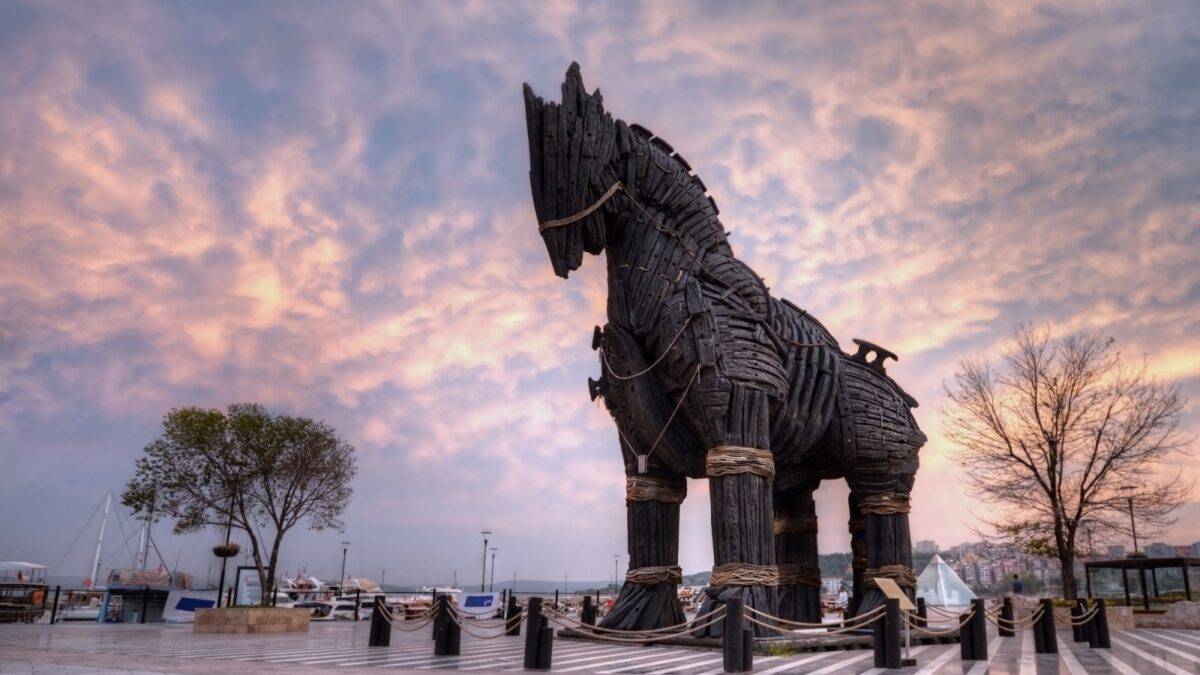
Troy is a well-known archaeological site that’s truly captivating and shouldn’t be missed. It boasts a history dating back 4,000 years and has inspired many famous stories like Homer’s “The Iliad.” Over the last 140 years, 24 different excavations have revealed something new about this fascinating site that connected different regions and seas.
Now, Troy is a UNESCO World Heritage Site in the Çanakkale Province in Turkey, where visitors can wander, soak in its history, and appreciate its significance.
4. Petra, Jordan
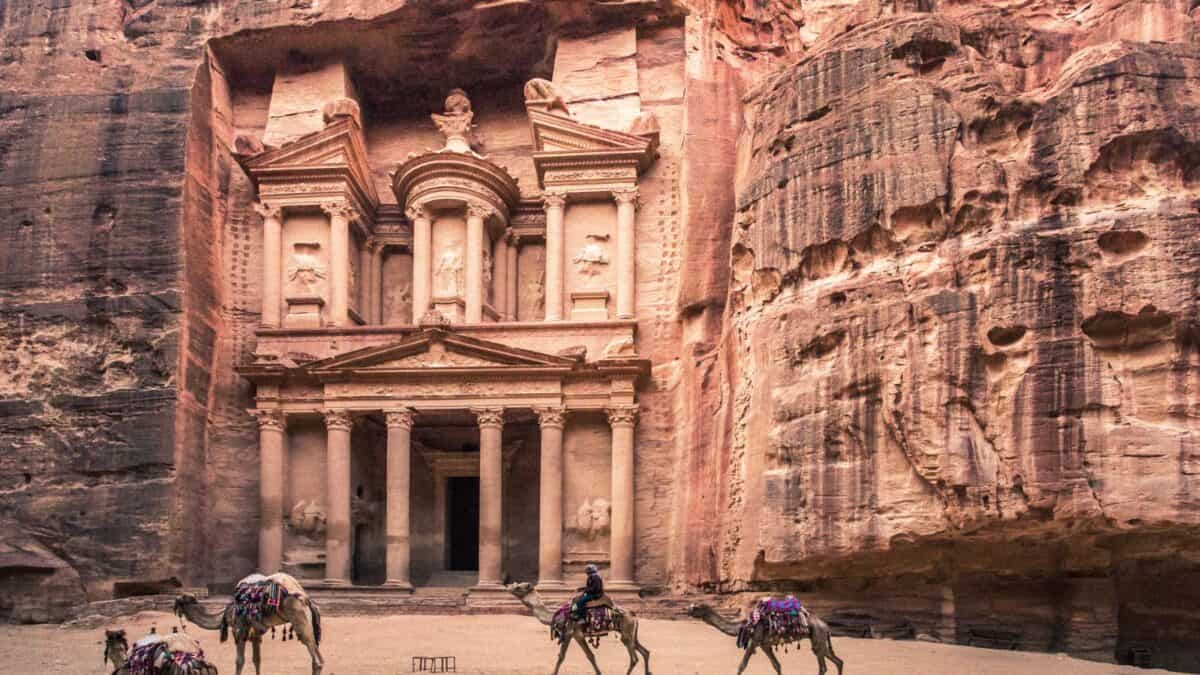
Petra, an old city in Jordan between the Red Sea and the Dead Sea, is a unique mix of rocky formations and intricate carvings. It was a bustling hub known for trade and commerce, with impressive tombs and temples, including the well-known Al Khazneh also known as The Treasury.
Today, Petra remains a popular spot for exploring ancient sites, attracting visitors to appreciate its historical charm. It’s also recognized as a UNESCO World Heritage Site, showcasing its cultural significance and craftsmanship from ancient times.
5. Chichen Itza, Mexico

Chichen Itza, situated on Mexico’s Yucatan Peninsula, boasts numerous Mayan ruins, the most famous of which is El Castillo, otherwise known as the Temple of Kukulcan. This grand pyramid is renowned for its striking steps and beautiful architecture. The site is believed to have served religious, military, political, and commercial purposes.
I’ve had the chance to visit Chichen Itza myself, and it’s a stunning place to wander, admire the unique architecture, and dive into Mayan history.
It’s recognized as one of UNESCO’s New 7 Wonders Of The World. Plus, it is one of the most visited ancient cities on earth, drawing countless visitors eager to explore its cultural and historical significance.
Read more about Spectacular Ruins You Should Visit
6. Angkor Wat, Cambodia
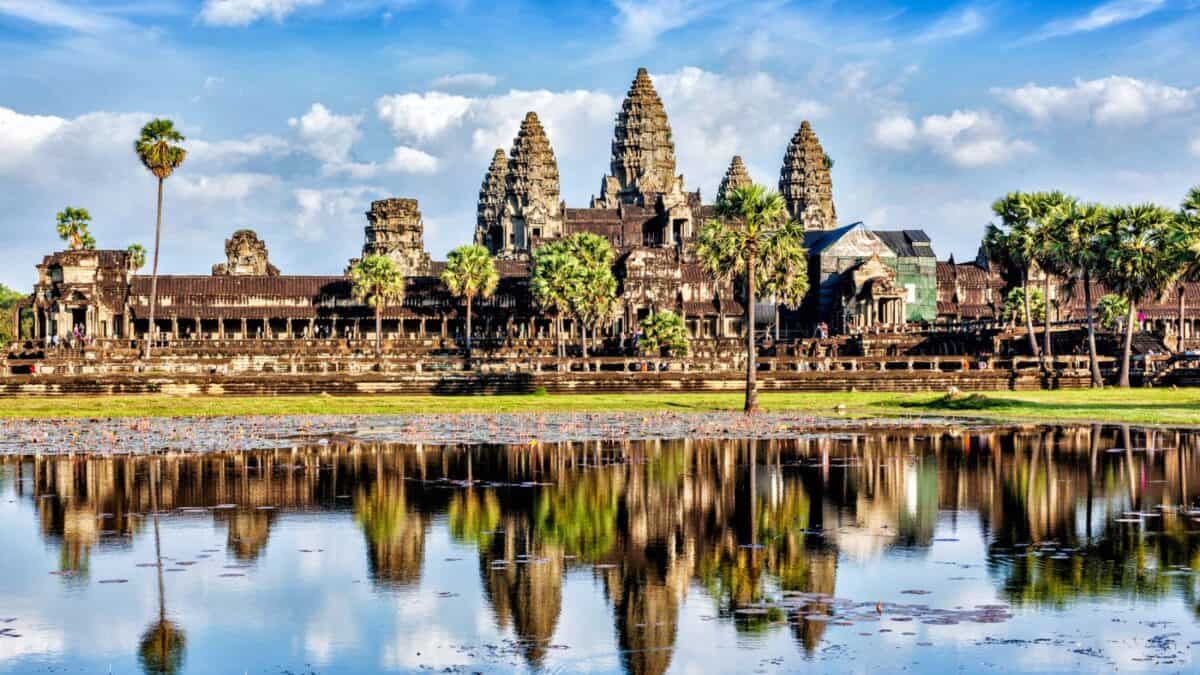
Angkor Wat is a special ancient city in Krong Siem Reap, Cambodia. It’s a temple complex blending Hindu and Buddhist styles and holds the title of the world’s largest religious structure by Guinness World Records.
This site preserves remnants from the Khmer Empire from the 9th to 15th centuries, with the Temple of Angkor Wat being its most famous part. Covering a vast area of 400 square kilometers, it features numerous temples, buildings, and pathways. What’s fascinating is that some locals still live here, many of which do rice farming, adding a living touch to its historical importance.
7. Ani, Turkey
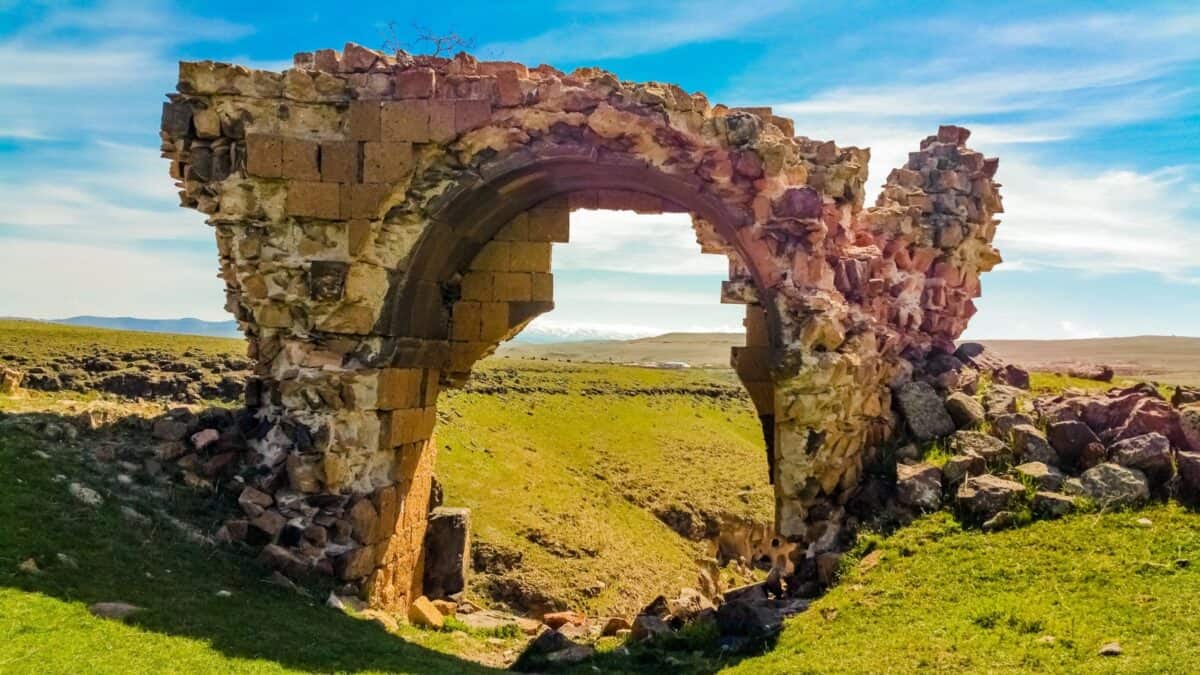
Ani is an ancient city situated in Turkey’s Kars Province. It thrived as a vibrant medieval center with homes, religious buildings, and military structures. During both the 10th and 11th centuries, it was the capital of the Armenian Kingdom of the Bagratides and was renowned as an essential stop on the Silk Road.
However, its decline began in the 1300s following the Mongolian invasion and a destructive earthquake. Today, Ani holds UNESCO World Heritage status and offers a fantastic chance to explore history and stunning architecture.
8. Mesa Verde National Park, Colorado, USA
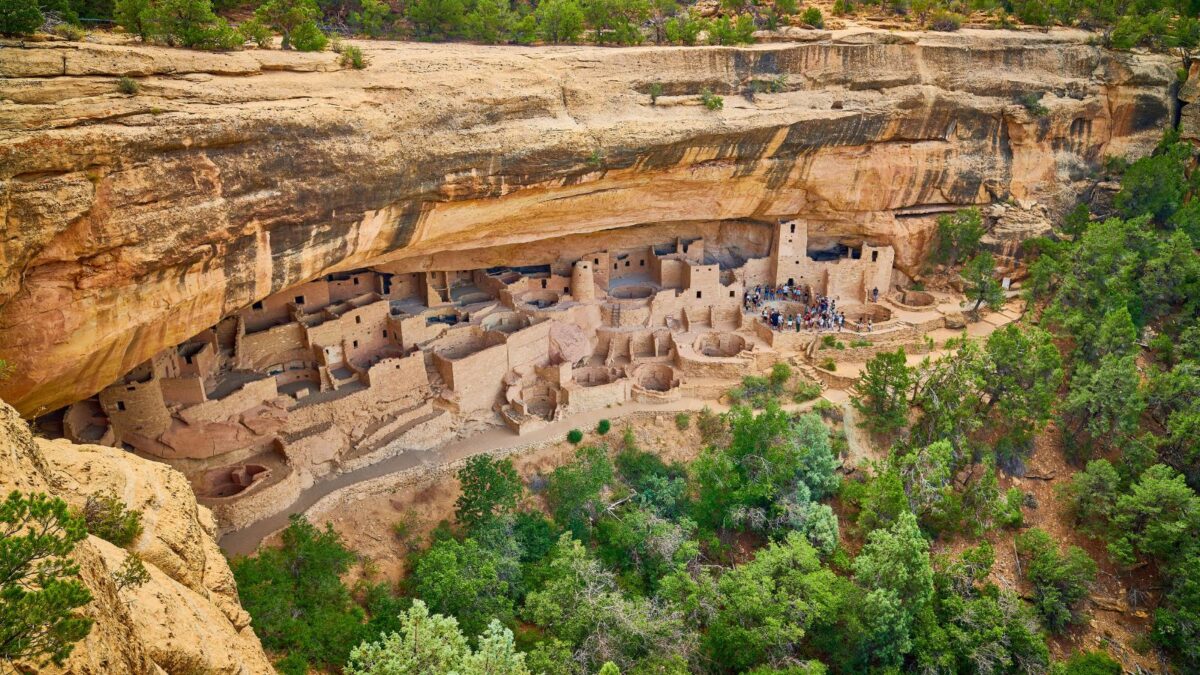
Did you know there’s a fantastic lost city of the ancient world right in Colorado? Mesa Verde National Park, about 40 minutes west of Durango, is not just a stunning national park but also houses remarkably preserved Puebloan dwellings.
Its most famous feature is the Cliff Palace, a cliff dwelling with 150 individual rooms and over 20 rooms dedicated to religious ceremonies called kivas. Additionally, the park offers intriguing sights like petroglyphs along the Petroglyph Point Trail hike.
Visiting Mesa Verde is a unique experience. It’s a beautiful outdoor destination with breathtaking views and a place steeped in history where you can wander and learn. To top it off, Mesa Verde National Park is both a UNESCO World Heritage Site and an International Dark Sky Park, so it’s well-preserved and perfect for stargazing.
Read more about Mesa Verde National Park
9. Tikal, Guatemala

You’ll find another incredible lost city in northern Guatemala: Tikal. This ancient Mayan citadel, nestled in the heart of the jungle, was inhabited from the 6th to the 10th century A.D.
Known for its numerous temples, pyramids, and palaces, Tikal served as a significant Pre-Columbian hub for politics, economics, and military affairs. It’s a captivating destination for exploring ancient Mayan culture, architecture, and history.
Today, visitors can enjoy Tikal as a UNESCO World Heritage Site, offering a rich opportunity to witness archaeological wonders, dive into history, and venture into the surrounding Tikal National Park. Here, you can encounter diverse wildlife like howler monkeys, spider monkeys, toucans, and many other fascinating species.
Read more about Tikal Guatemala as one Dream Destinations That Won’t Break the Bank
10. Xanadu, China

Xanadu, also known as Shangdu, is situated in Inner Mongolia, China, to the north of the Great Wall. This location marks the remnants of Kublai Khan’s former capital city, overseen by the Mongol ruler Liu Bingzhdong.
The ancient city was meticulously planned and constructed following the principles of Chinese feng shui, with nearby mountains and rivers incorporated into its design. Notable features include temples, palaces, tombs, and other significant structures.
Designated a UNESCO World Heritage Site, Xanadu offers a wonderful opportunity to explore Mongolian history, explore its well-preserved remains, and learn about its cultural significance.
11. Thebes, Egypt
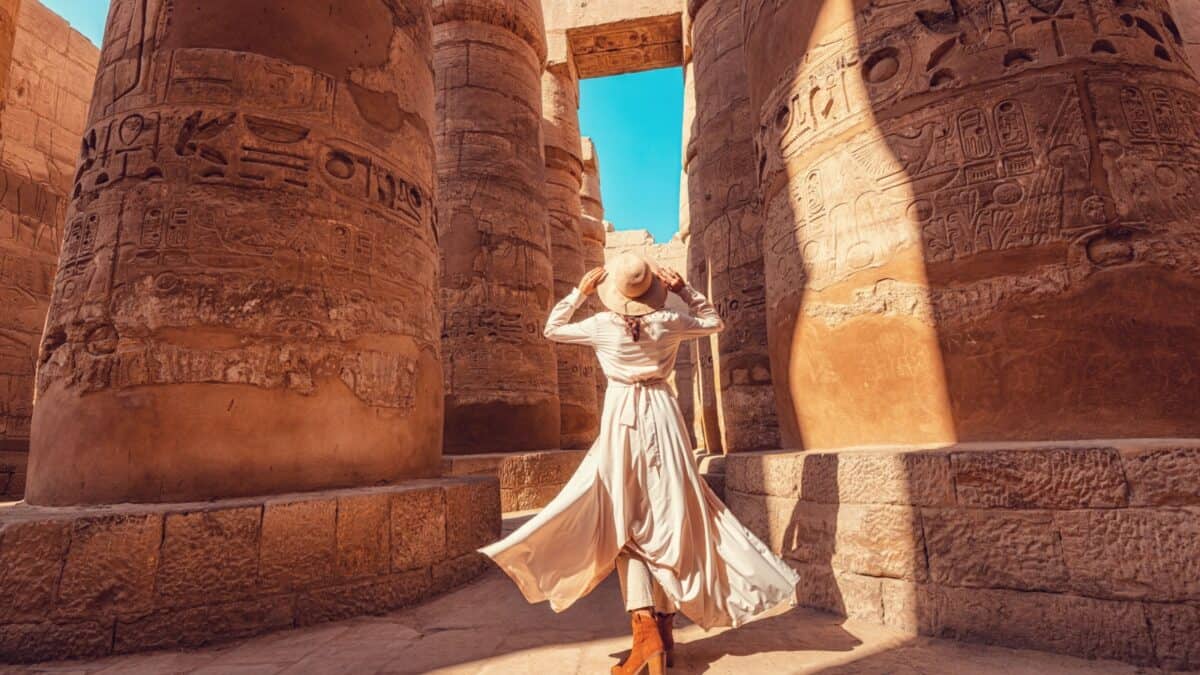
Thebes, once the capital of Egypt and the center of worship for the god Amun during the Middle and New Kingdoms, comprises several temples and was a bustling city in its prime. Historians estimate it was home to around 50,000 people, and archaeologists have uncovered thousands of tombs, temples, houses, villages, shrines, and more across the site.
Spanning both the east and west banks of the Nile, Thebes is a UNESCO World Heritage Site and an ideal destination to learn more about Egyptian history and culture.
Read the Best Things to do in Cairo Egypt
12. Ephesus, Turkey
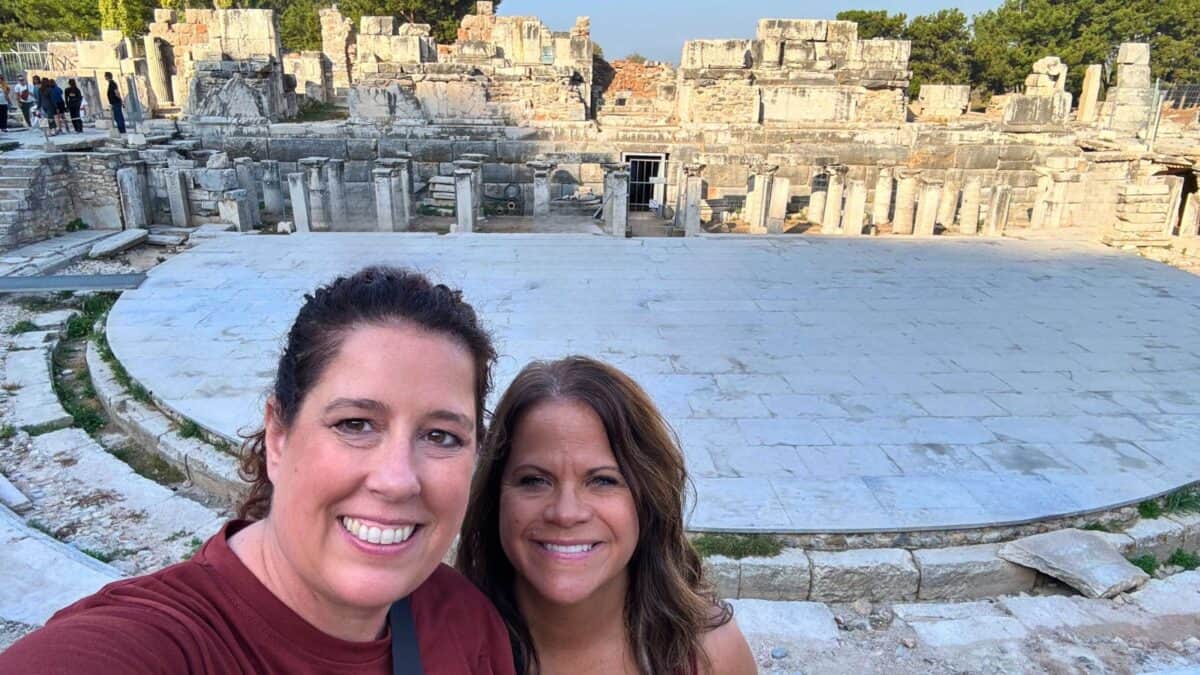
Ephesus, located in the Central Aegean region of Turkey, is a renowned ancient city steeped in history. It boasts remnants from various historical periods and played a key part in the Roman Empire’s history and the spread of Christianity. While it was once famous for the Temple of Artemis, little of it remains today. However, Ephesus is home to notable sites such as The Basilica of Saint John, The Library of Celsus, and The House of the Virgin Mary.
This captivating site is brimming with centuries of history, making it a must-visit for history enthusiasts. Recognized as a UNESCO World Heritage Site, Ephesus is a place where you can walk in the footsteps of countless individuals and gain firsthand knowledge and insights into the past.
13. Carthage, Tunisia
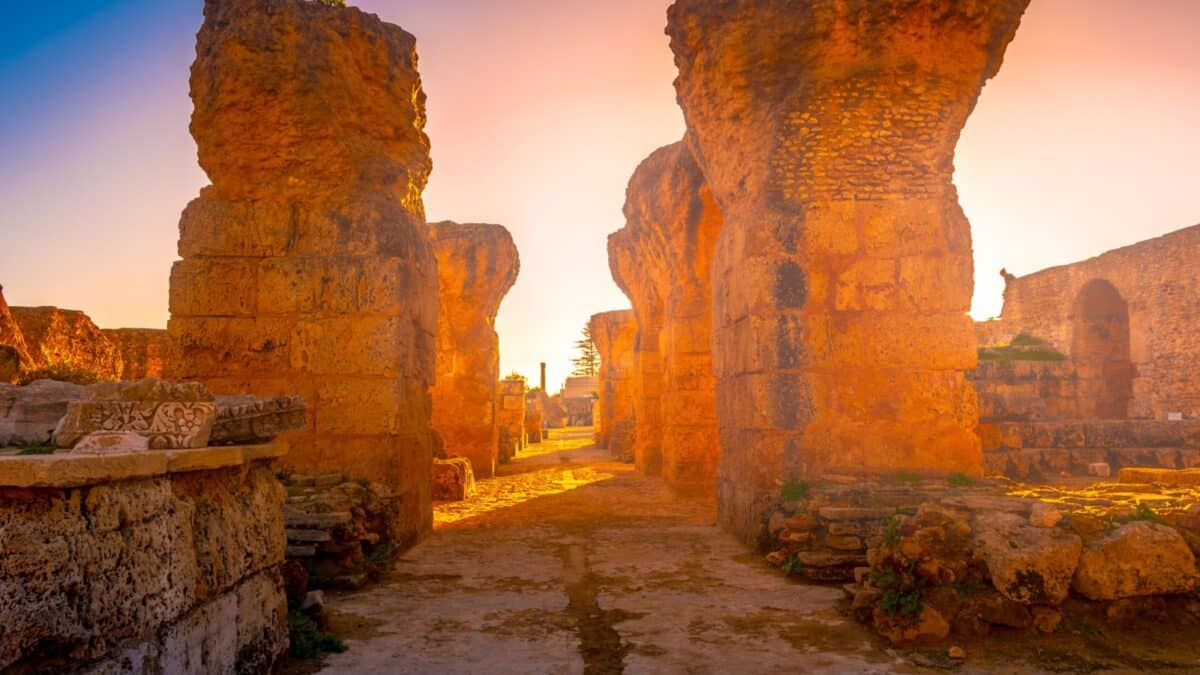
Carthage flourished as a bustling city from the 6th century onwards, renowned for its extensive trading empire across the Mediterranean. It faced destruction during the Punic Wars but was rebuilt on its original site, witnessing various eras and rulers reflected in its archaeological findings. Its notable sites include the Acropolis of Byrsa, the Punic ports, theater, and more.
There’s some mystery about why it began declining, but that adds to its appeal and history. Today, Carthage is a UNESCO World Heritage Site in Tunisia, offering a remarkable opportunity to explore the history of civilizations such as the Phoenicians, Romans, and others who left their mark on this ancient city.
14. Tiwanaku, Bolivia
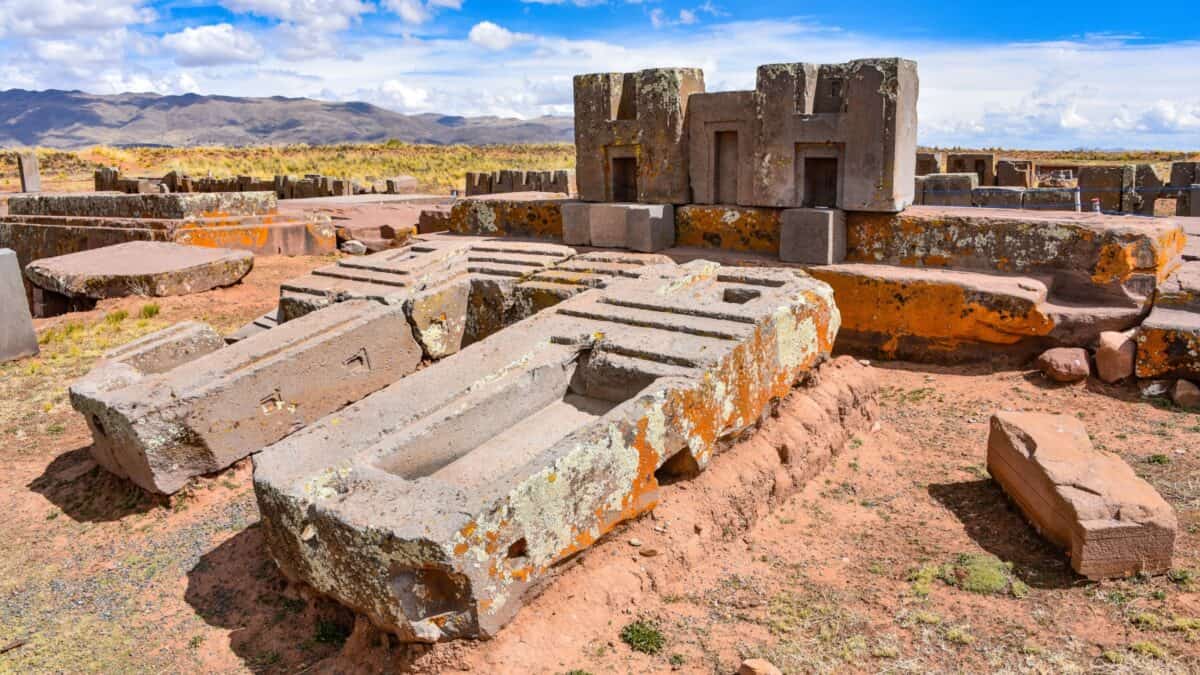
Tiwanaku, situated in western Bolivia near Lake Titicaca, is another fascinating lost city waiting to be explored. This ancient city served as a spiritual and political hub, flourishing between 400 and 900 A.D. Visitors can marvel at various archaeological marvels, including temples, a pyramid, intricate carvings, agricultural fields, and more.
The city’s decline began in the 11th century and culminated in its collapse in the 12th century. Designated as a UNESCO World Heritage Site, Tiwanaku offers a terrific chance to learn more about the history of pre-Hispanic empires and the thriving cultures that once thrived in the southern Andes mountains.
15. Nineveh, Iraq
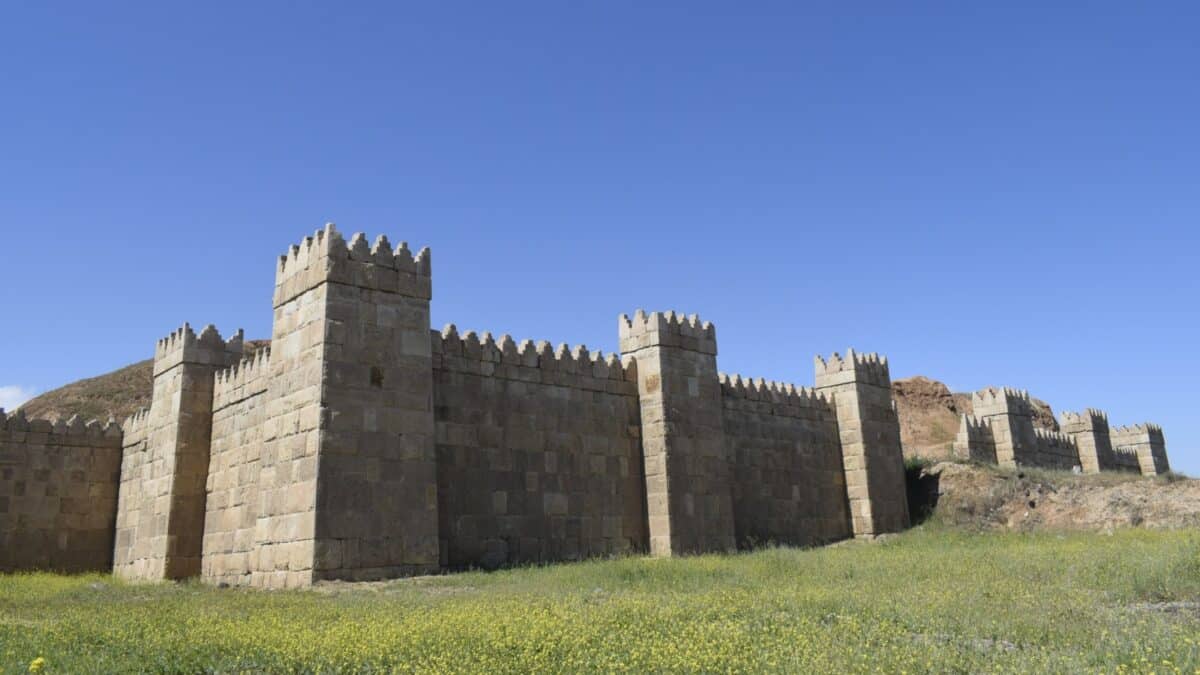
Nineveh, located in modern-day Mosul, Iraq, was once a vital cultural hub in the ancient world, contributing significantly to art and education. Adopted by the Assyrians as their political center, it also served as the religious capital of Ashur. Over time, Nineveh witnessed various eras and rulers, becoming the capital of the Assyrian empire.
Notably, Nineveh is renowned for its expansive city walls, with archaeologists excavating six gates. It holds a wealth of historical significance, making it the perfect destination to explore and learn about various civilizations, particularly the Assyrians.