This National Park is one of the least visited and Most Remote in the US
Discovering the Hidden Gem: Lake Clark National Park
Discover the rugged beauty of Alaska at Lake Clark National Park and Preserve. This detailed guide will take you through everything you need to know about this hidden gem, from its stunning landscapes to the myriad of activities it offers.
Situated in the heart of Alaska’s wild terrain, Lake Clark National Park spans over 4 million acres, connecting the shores of Cook Inlet to the tundra-covered mountains of the Alaska Range.
This remote area, free from roads, offers a true wilderness experience, epitomizing Alaska’s nickname, “The Last Frontier.”
Where is Lake Clark National Park Located?
Lake Clark National Park is located in the southwest region of Alaska, approximately 100 miles southwest of Anchorage. This remote park, characterized by its stunning mix of mountains, lakes, and rivers, is a part of the Alaska Peninsula and accessible only by boat or plane, adding to its untouched allure.

Getting to Lake Clark National Park
The closest major airport to Lake Clark is in Anchorage. From there, visitors usually take a small plane to Port Alsworth, the main entry point to the park. Flightseeing tours are also a popular way to reach and experience the park’s breathtaking landscapes from above.
While Anchorage serves as the primary gateway, smaller regional airports like Kenai and Homer also offer charter flights to the park.
These scenic flights provide a bird’s-eye view of Alaska’s majestic landscapes, setting the tone for an extraordinary visit. Boat access is another option, typically from Homer, which offers a different but equally stunning approach to the park.
Things to Do in Lake Clark National Park
- Hiking and Backpacking: The park offers a range of trails for all levels, from easy walks to challenging backcountry treks.
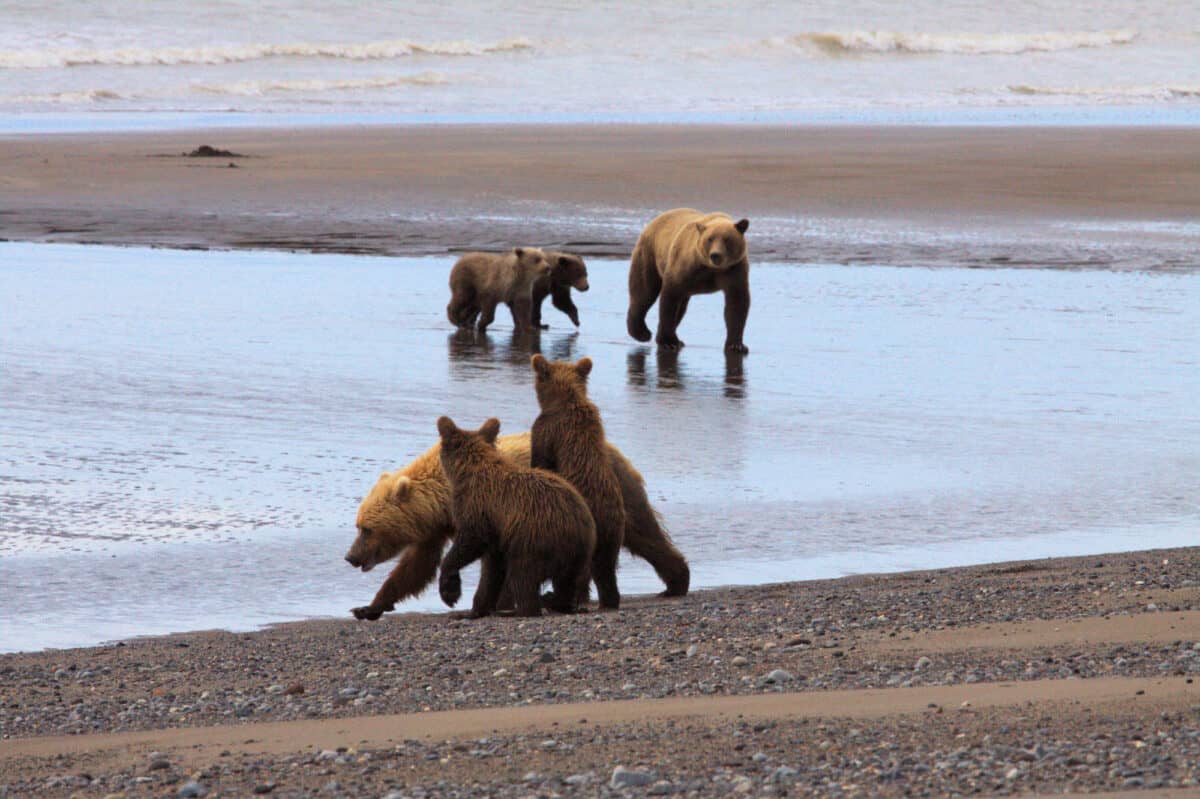
- Bear Viewing: Lake Clark is renowned for its brown bear population, especially around the Chinitna Bay and Silver Salmon Creek areas.
- Fishing: The park’s rivers and lakes are teeming with salmon, trout, and Arctic char.
- Kayaking and Canoeing: Exploring the park’s waterways offers an intimate experience with its serene beauty.
- Cultural Heritage Sites: Discover the rich history of the Dena’ina Athabascan people who have inhabited the area for centuries.
- Photography Workshops: Capture the park’s stunning scenery and wildlife through guided photography tours.
- Guided Nature Walks: Learn about the local flora, fauna, and geology from expert guides.
- Cultural Exploration: Visit historic sites like Tanalian Falls and the Dick Proenneke Cabin to delve into the area’s rich history.
- Wildlife Watching: Apart from bears, the park is a habitat for moose, wolves, and a variety of bird species, offering exceptional opportunities for wildlife enthusiasts.
- Winter Activities: In the colder months, the park transforms into a snowy wonderland, perfect for snowshoeing and cross-country skiing.
Where to Stay at Lake Clark National Park
Accommodation options inside the park are limited but unique, ranging from backcountry camping to rustic lodges and cabins. Port Alsworth hosts several lodges that provide a comfortable base for exploring the park.
Options outside the park include lodges in nearby towns like Iliamna and Nondalton. These offer different perspectives of the Alaskan wilderness and are great bases for day trips into the park. Camping in the park requires preparation and awareness of the wilderness, adding an element of adventure to your stay.
How Many Days to Spend at Lake Clark National Park and Preserve
A stay of 3-5 days is recommended to truly appreciate the park’s diverse landscapes and activities. Longer stays allow for deeper exploration, especially for avid hikers or wildlife enthusiasts.
For those keen on in-depth exploration or specific activities like fishing expeditions or extensive hiking, a week or longer is ideal. Each season offers a unique experience, from the midnight sun of summer to the northern lights in winter.
Best Time to Visit Lake Clark
Summer (June to September) is the most popular time due to milder weather and accessible wildlife. However, each season has its charm and offers different experiences.
Safety Tips
Given the park’s remote nature, it’s crucial to be prepared for wilderness conditions. Bear safety, weather awareness, and proper gear are essential.

Final Thoughts on Lake Clark National Park
Lake Clark National Park is a hidden paradise waiting to be explored. Its remote location contributes to its unspoiled beauty and tranquility, offering an unforgettable Alaskan adventure.
Whether you’re seeking solitude, wildlife encounters, or awe-inspiring landscapes, Lake Clark is a destination that truly has it all.