

15 Cities with Critically Poor Air Quality
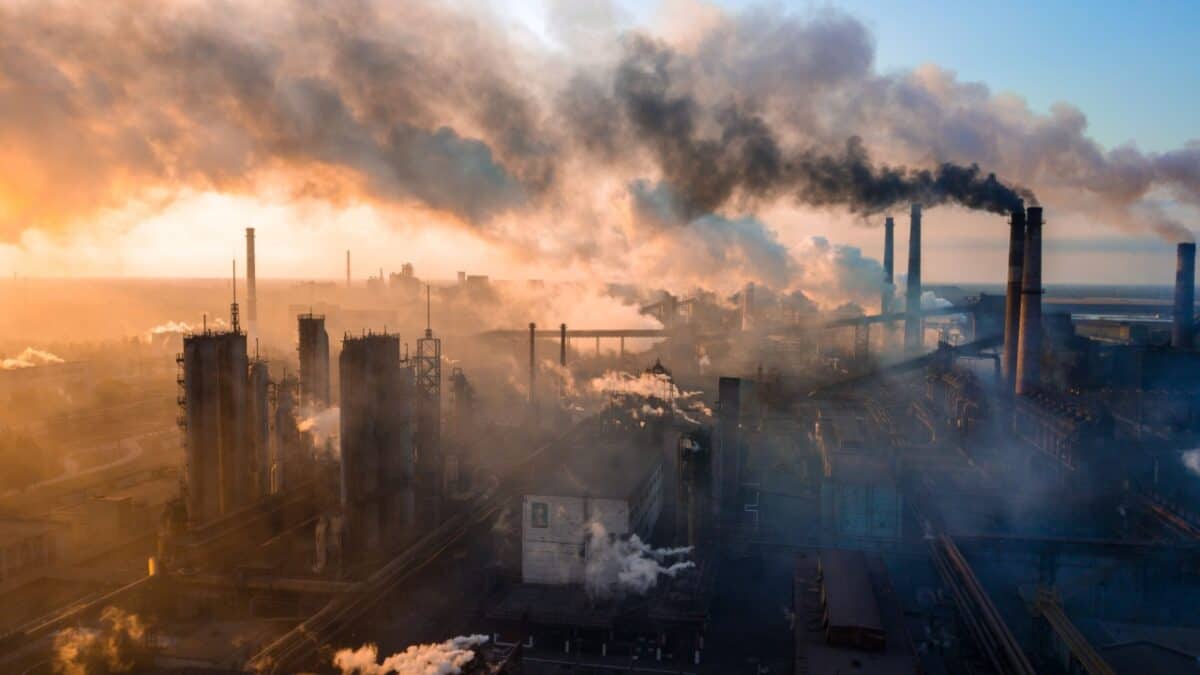
Some cities in the world have such bad pollution that you shouldn’t even leave the house. Yet, some people spend their entire lives living in these conditions without even thinking twice about the side effects of poor air quality on their health.
I’m only going to be selecting one city per country for this list or else it would just be a list of cities in India (India has terrible air quality in almost all of its cities with a population of over 1 million).
Here are the cities in the world with the worst air quality based on their AQI (Air Quality Index) average for this year and past years.
Jalal-Abad, Kyrgyzstan
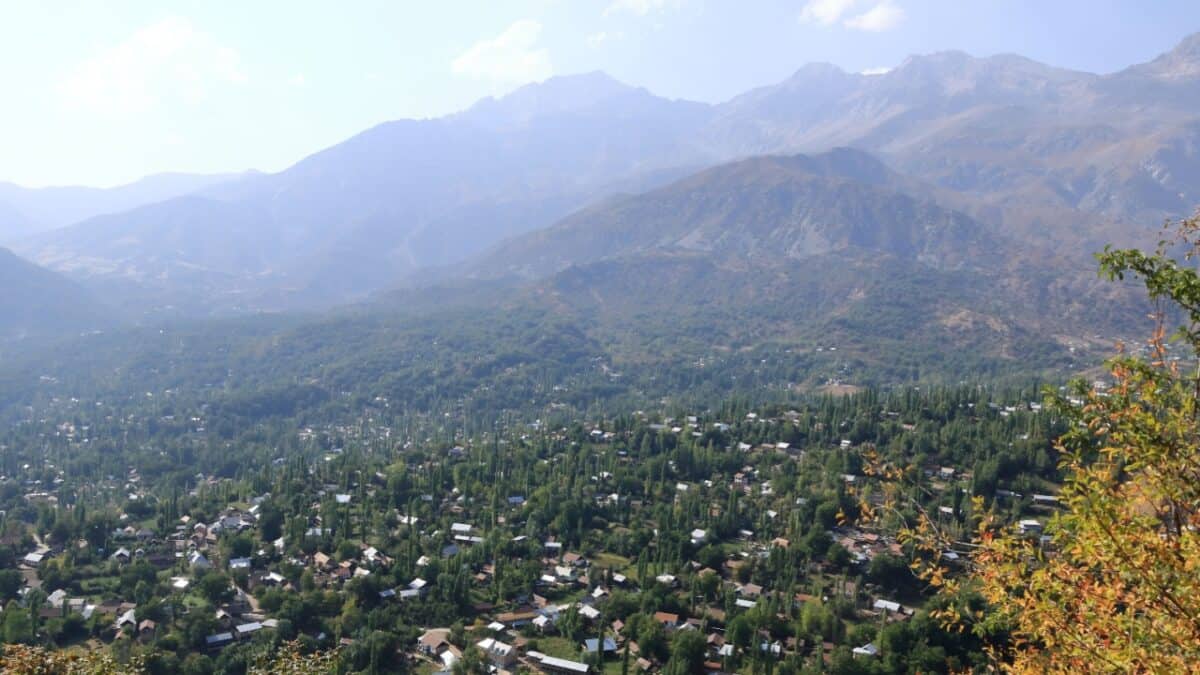
Average AQI 121.6
When you think of the cities in the world with the worst air quality, you probably think of New Delhi. However, Jalal-Abad has a 3-year average of 121.6, easily beating every other city on the list.
In 2021, the average AQI was 199.4! If the AQI is over 100, people with health problems should stay indoors. If it’s over 150, everyone should stay indoors. This means no one should have left their house for a year.
The AQI scale goes from zero to 500, and Jalal-Abad has hit 500 many times in the past few years. This is because, in the winter months, everyone in the city is burning coal and wood for warmth.
Many people also burn their trash, and the high number of vehicles in the city only adds to the high AQI. The good news is that in 2023, the average AQI was 55, which isn’t great but a huge improvement from the previous year’s 108!
Hotan, China
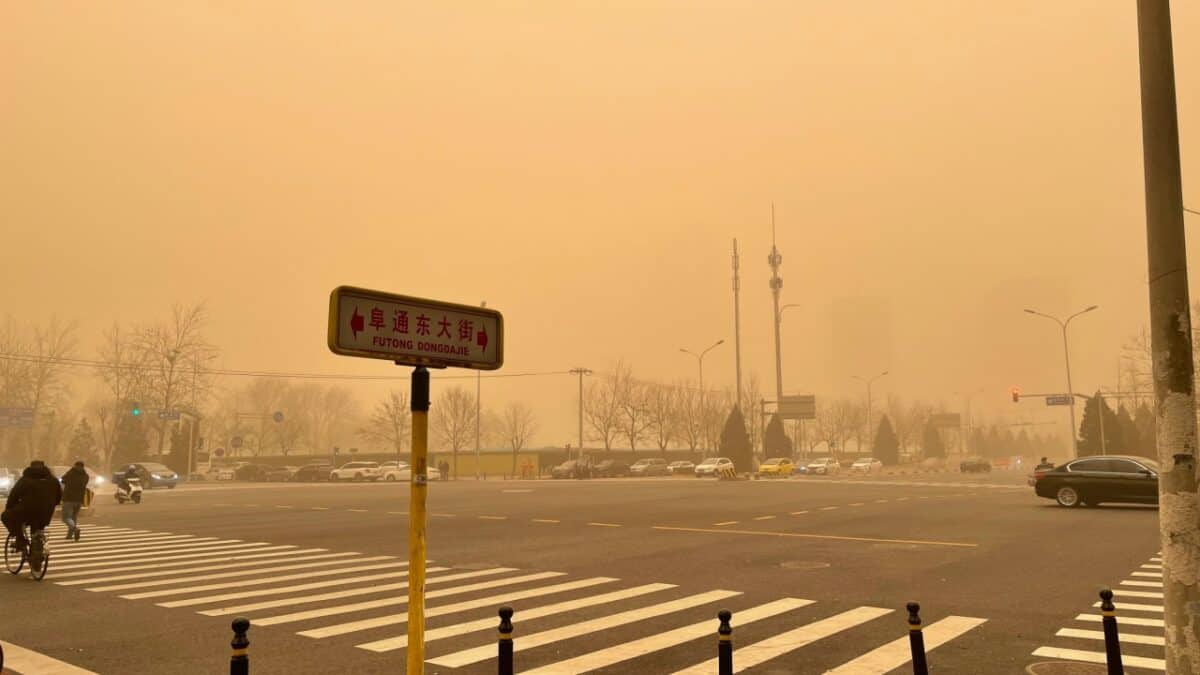
Average AQI 104
Hotan is a city in the Tarim Basin, which is a desert in China. The major cause of air pollution here is the sand particles in the air. It’s one of the few cities on the list that has a high AQI because of mainly natural reasons and not man-made.
Massive sand storms rip through this city about 5 days a month, leaving the city and its residents trapped indoors for about 60 days per year.
It’s crazy to think that cities like Beijing and Shanghai have a lower AQI than this little city in the desert. Hotan has a population of about 2.53 million, about a tenth of the population of Shanghai.
Lahore, Pakistan
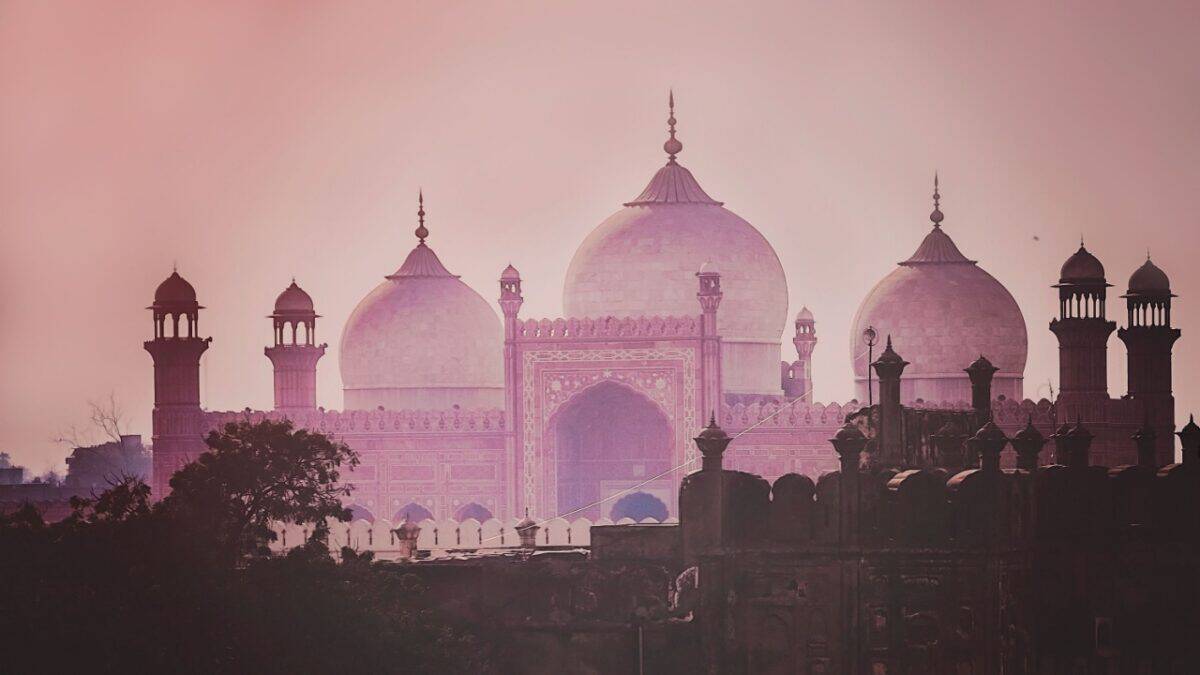
Average AQI 100.1
The main causes of the incredibly high AQI here are vehicle and factory emissions, smoke from wood-burning stoves, burning of crops and trash, and dust from construction sites.
There have been entire years that the average AQI of Lahore has been in the 130s, which means that basically, for an entire year, people should not have left their houses.
The long-term health problems that this can cause are damage to the cardiovascular system, diminished lung capacity, asthma, emphysema, lung cancer, and a shortened lifespan.
Delhi, India

Average AQI 98.6
Other cities in India have had worse air quality in recent years, but Delhi, year after year, has had some of the most consistently terrible air quality, with an average AQI of 98.6 for the past six years. Delhi has hit 500 on the AQI scale many times in the past several years, even surpassing it!
The reason that the air quality is so terrible in Delhi is because of vehicle exhaust. There are about 8 million vehicles in Delhi, most of which are older models, which cause high amounts of pollution. There have been times when the pollution was so bad that flights had to be canceled because of the thick smog.
Dhaka, Bangladesh
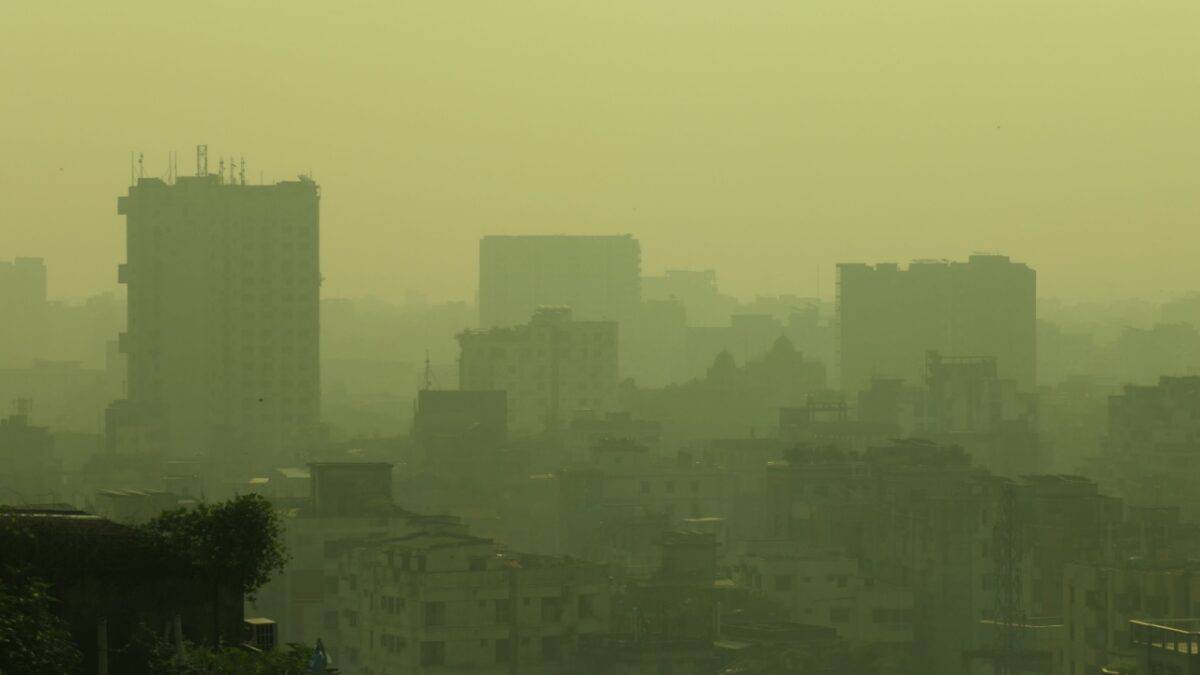
Average AQI 80.2
Dhaka is the capital city of Bangladesh and has a very high AQI. The main causes for its high AQI are its brick kilns that people use to cook their meals and warm their houses, sand and dust storms, vehicle emissions, and the burning of crops. During the winter months, the AQI is the highest because of the smoke from people’s chimneys.
It’s estimated that people who live here lose about 8 years of their lives because of air pollution. Believe it or not, Dhaka is famous not only for its air pollution but also for its noise pollution.
It’s the loudest city in the world, with average decibel levels of 119. For reference, anything above 70dB can lead to a greater chance of hearing loss.
South Tangerang, Indonesia
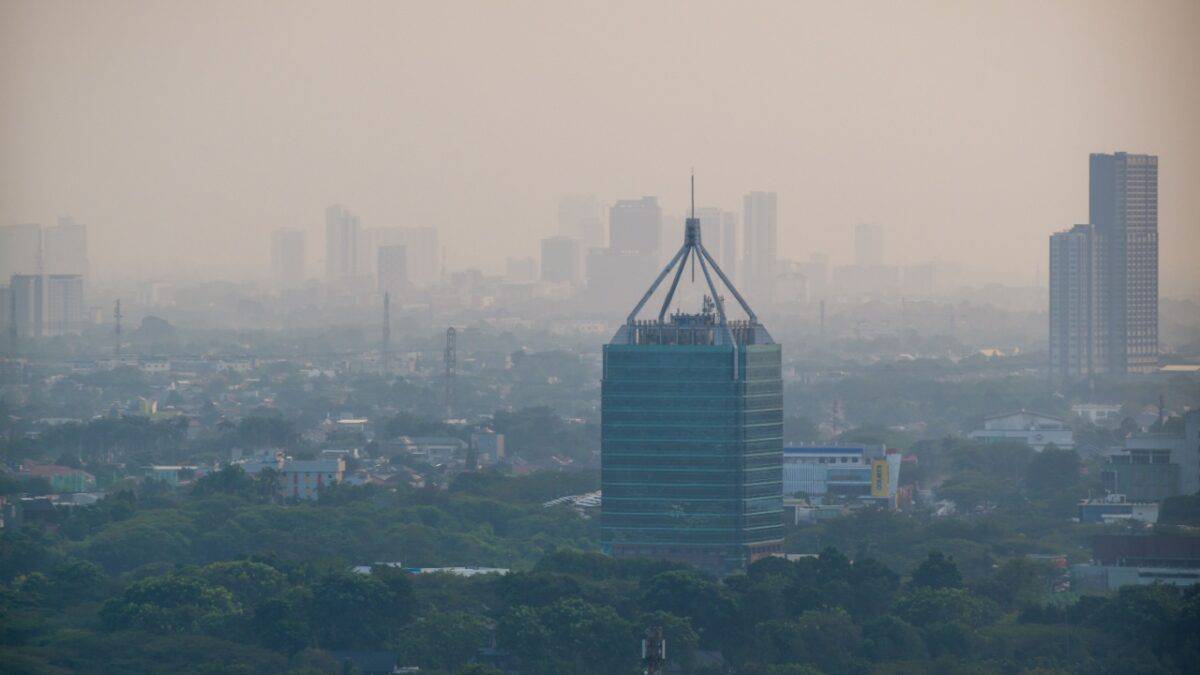
Average AQI 71.7
This city has the word air quality in all of South East Asia. It’s caused mostly by industrial smog, car exhaust, and coal-fired power plants. The AQI of this city has only been tracked for about 2 years, but in that time, it has rocketed its way to being one of the most polluted cities in the world.
The air quality here is the worst in the morning and because of this, the government has advised residents to refrain from exercising in the morning. Then, between the hours of 12 and 5 PM, the air quality gets a little better, making this the ideal time to get in a workout outside.
Karagandy, Kazakhstan
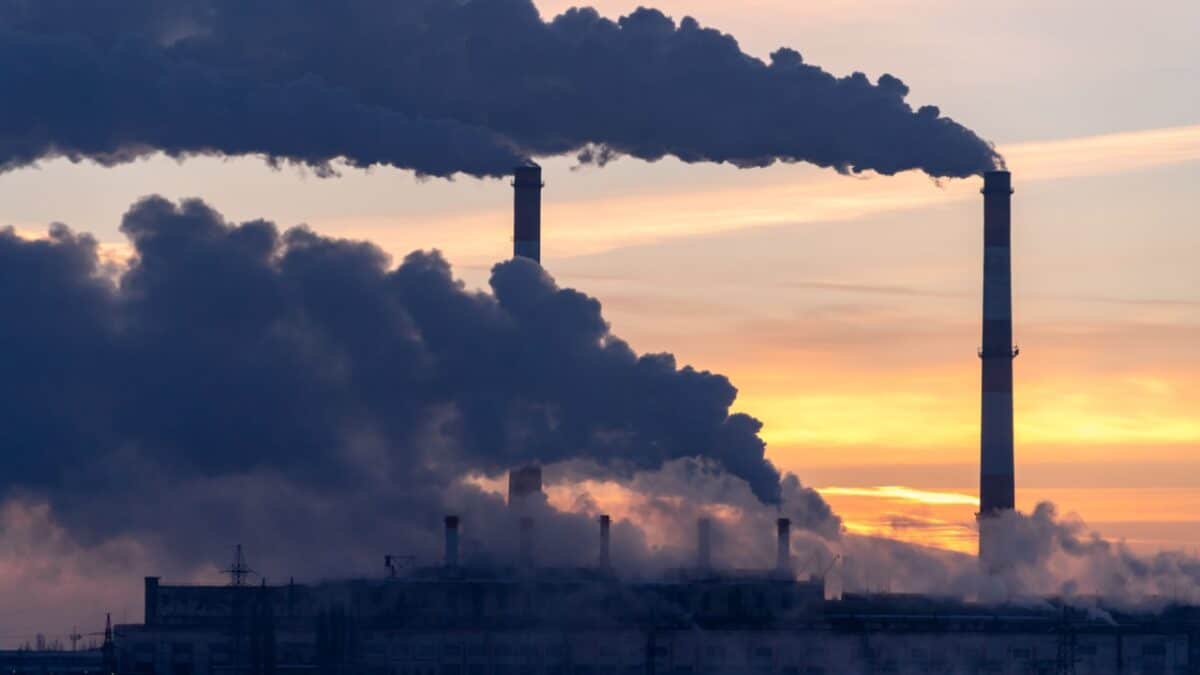
Average AQI 74.8
People in Karagandy were alarmed in 2018 when they realized that the white snow that they were used to seeing was turning black. It looked more like coal than snow. In fact, the pollution here is so bad that it could be seen from space!
Kazakhstan was ranked as the 21st top global greenhouse gas emitter in 2019, putting them in the top 10% of countries with the most greenhouse gas emissions.
The main reason for the pollution in Karagandy is the mines and industrial plants that are causing particulate matter, sulfur dioxide, nitrogen dioxide, phenol, and formaldehyde to pollute the city’s air.
Tay Ho, Vietnam

Average AQI 61.5
This city in Vietnam is part of Hanoi County. Hanoi has had terrible emissions because of the number of cars and dense population. This city has only been on the world’s most polluted cities chart for two years, but in that time it’s quickly become one of the most polluted cities in the world.
The other reason that the pollution here is so bad is because of all the construction. Hanoi’s population is growing by about 3% per year, which means more and more apartment buildings and infrastructure are being built to accommodate this rapid rise in population.
Buston, Tajikistan
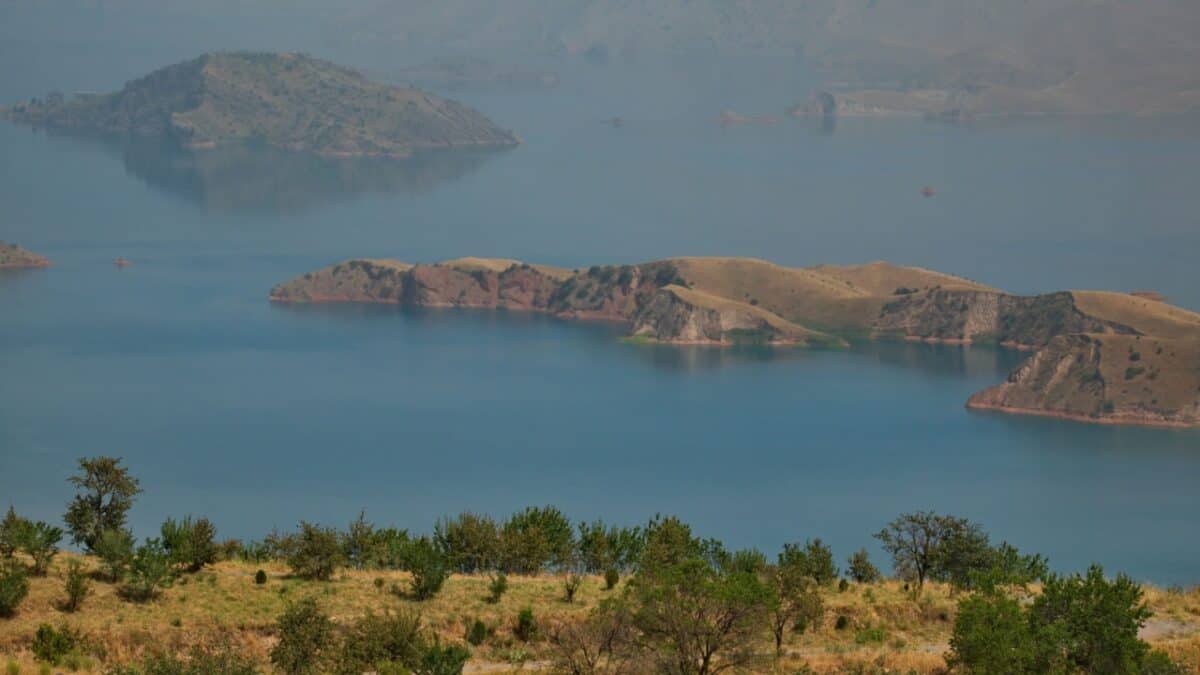
Average AQI 56.6
This tiny city in the small country of Tajikistan is known for its thick pollution, so you can hardly make out the outline of buildings. The pollution here is not just your normal pollution; it’s radioactive. There were 36 million tons of radioactive materials in the air in 2017, putting everyone in the city’s lives in danger.
There have also been what’s called “toxic storms,” which are dust storms combined with pollution that irritate your lungs, make it difficult to breathe, and can cause cardiovascular diseases if inhaled for long periods. These storms are also melting the glaciers, which is the major water source for this city and many others.
Igdir, Turkey
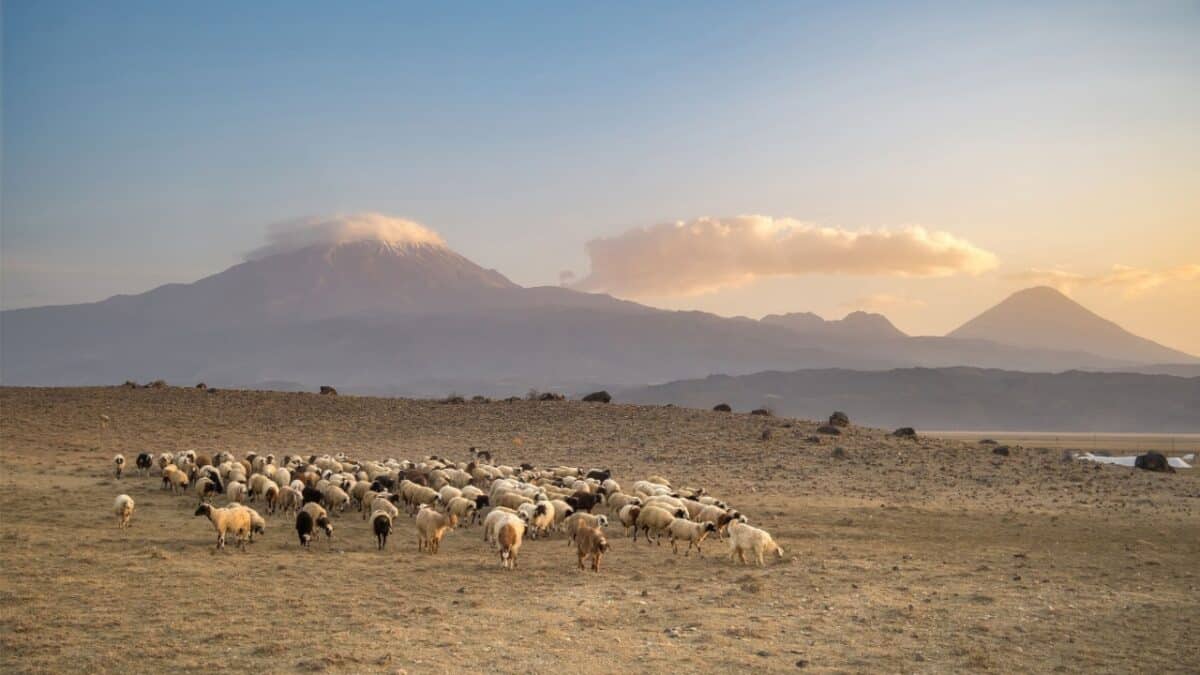
Average AQI 55.5
The reason that the pollution here is so bad is because of the mountains that surround this area of Turkey. Pollution blows in and is trapped by the tall mountains. The government has to warn its citizens and tell them to wear masks when the pollution gets too bad.
The other downside of this city’s pollution is that much of Turkey’s crops come from this region. This means that the crops going out of this city are most likely toxic and spread throughout the country.
Benoni, South Africa
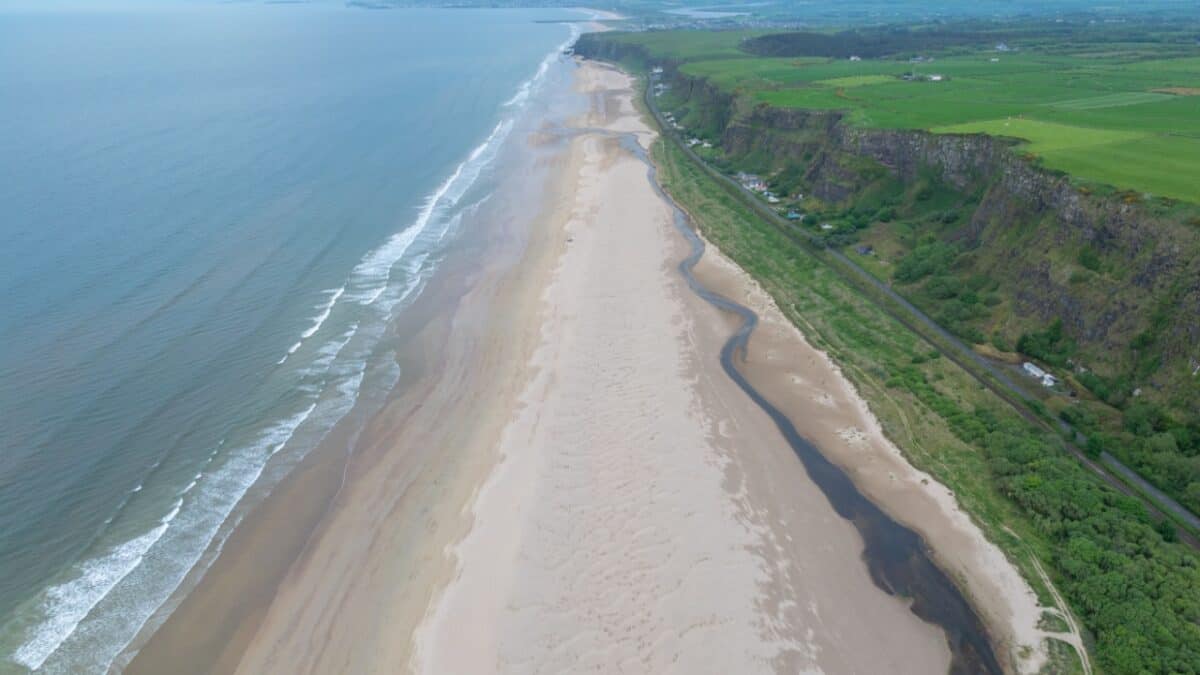
Average AQI 54.9
This is the first city on this list that’s not in Asia. It has an average AQI of 11 times the WHO standard. This means that it’s the highest AQI on the entire continent of Africa.
The pollution here is so bad because of the coal-powered and industrial plants, vehicle exhausts, coal mines, metal smelters, and petrochemicals. Compared to other cities on this list, an average of 54 is pretty low, but it can still cause short-term respiratory problems for some people and even have long-term consequences.
Ouagadougou, Burkina Faso
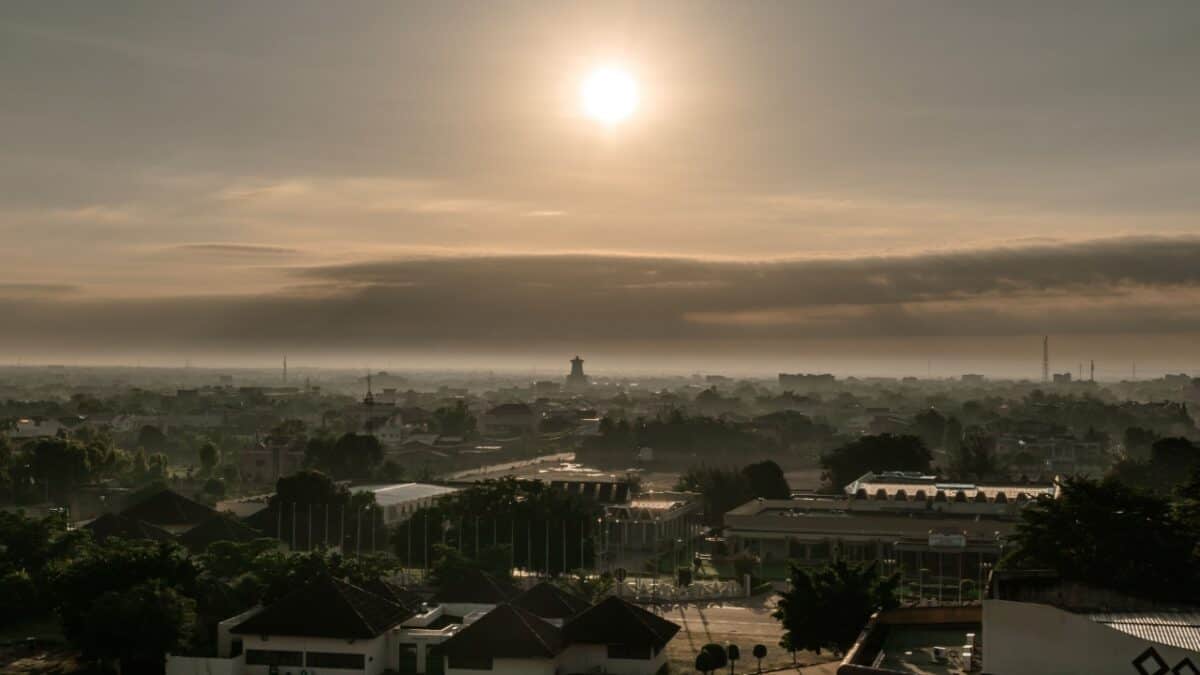
Average AQI 54.8
This is another African city in the small country of Burkina Faso in Western Africa. This city’s high pollution is because 63% of homes use wood and charcoal as fuels for cooking meals. This means that all the smoke is going up into the atmosphere and covering the city in a thick cloud of smoke.
The fires are causing a high amount of carbon monoxide, nitrogen oxides, sulfur oxides, and benzene. This is making children under the age of 5 more susceptible to respiratory infections. It’s sad that this tiny city of just a couple million people is making it onto this list.
Ras Al Khaimah, UAE
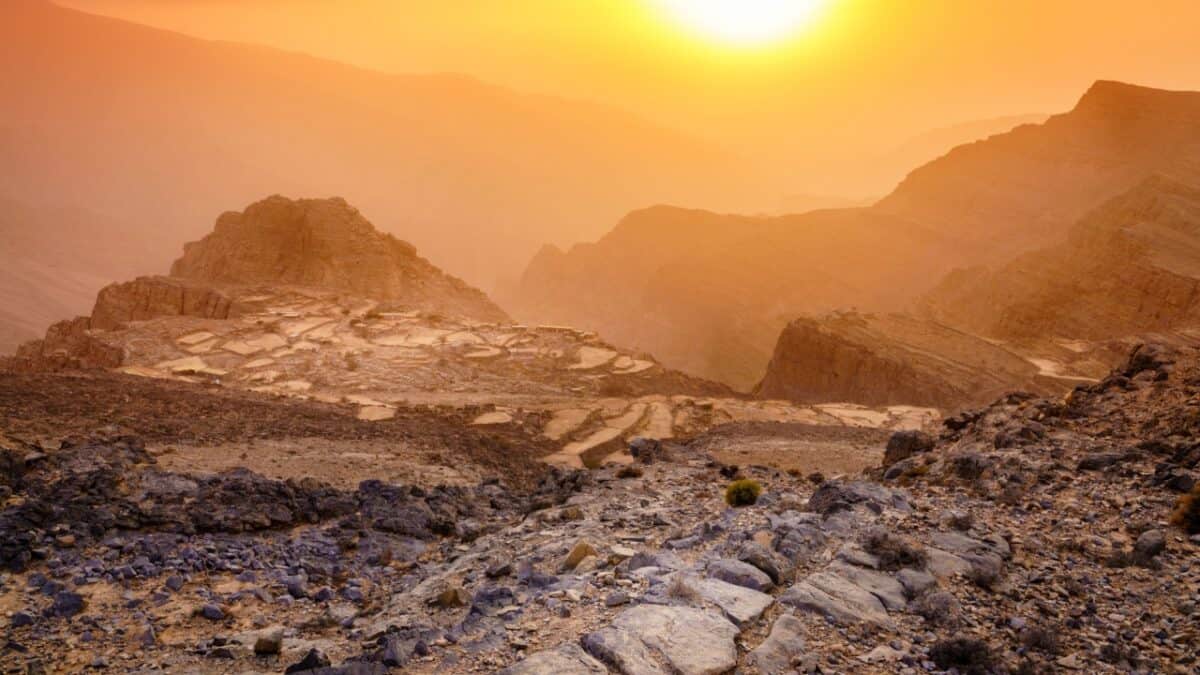
Average AQI 53.6
This city in the UAE has a relatively high AQI because of the number of quarries, factories, and other establishments in this area. They are causing a lot of dust to be stirred up, coating the city in a blanket of dust and sand. If you don’t know, the UAE is a country in the Middle East and is nothing but dessert. This means that every construction project, factory, or any digging is sending billions of sand and dust particles into the air.
The good thing about this city is that they are doing their best to crack down on their high AQI. They’ve installed dust filters on the construction equipment at the quarries and cement factories to reduce the amount of dust in the air. They’ve also banned explosives, chemicals, and radioactive materials without approval.
Katunje, Nepal
Average AQI 49.1

I remember on my trip to Katmandu, Nepal, I was shocked at the amount of pollution there was. It felt so thick you could taste it. However, the city of Katunje is even worse! The amount of pollution here is 8.5 times higher than the WHO standard, which, compared to some of the other cities on this list, is not too bad.
The city is located right on Katmandu’s outskirts and pressed right up against the mountains. This means the winds carry the pollution to the east and trap it in this poor little city.
Dhahran, Saudi Arabia
Average AQI 44.7
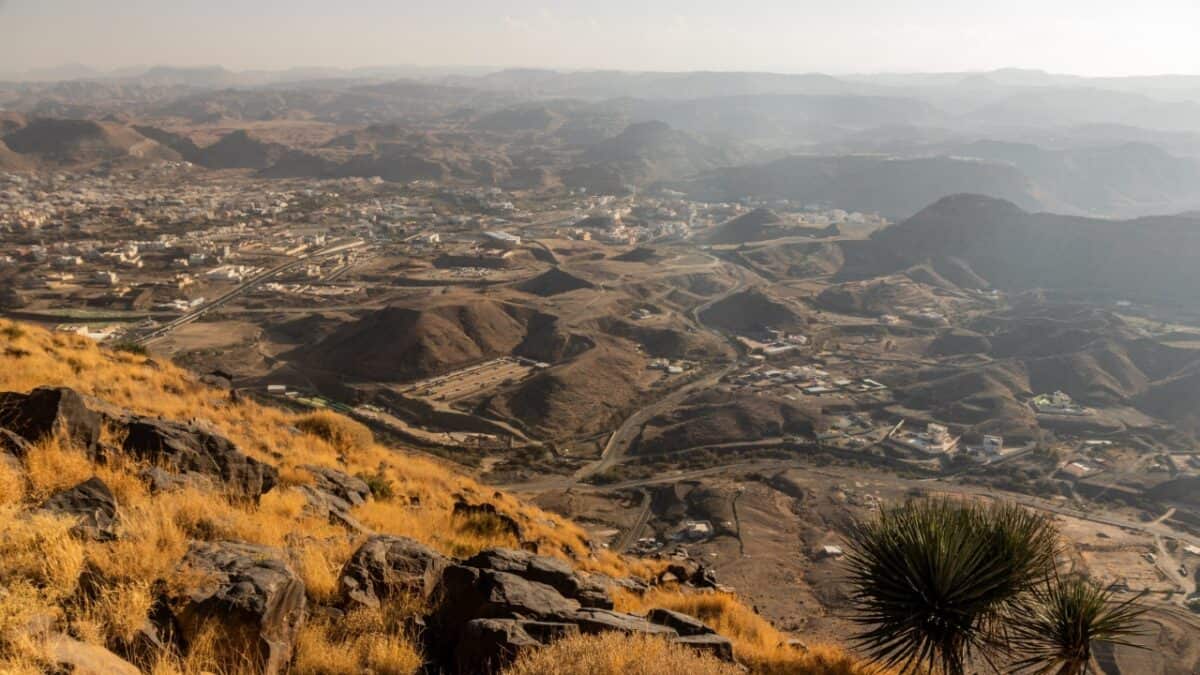
While no oil or gas facilities are near this city, the main cause of the pollution is the shamal winds that blow through the city. Shamal is a hot, dry wind that blows across the Persian Gulf in summer, causing sandstorms.
However, this is one of the larger cities in Saudi Arabia, meaning that the cars and other vehicles in the area cause nitrogen dioxide to sit in the atmosphere. Long-term exposure can impair lung function and increase the risk of respiratory disorders.
What Do You Think?
That’s all folks! What did you think of these cities with the worst air quality? Do you live in any of the cities mentioned? Let me know in the comments!
I don’t know about you, but I feel the sudden urge to go for a walk up on a mountain somewhere with crisp, clean air!


