Are You Tough Enough? 5 Epic Ultramarathons That Defy Endurance
When it comes to racing internationally, there are so many amazing races to choose from. From the Alps of Europe to the Sahara Desert, there is a race for everyone looking to push themselves to the limit.
An ultramarathon is considered anything that’s over a marathon, so usually 50 kilometers or more. They can be on different terrains like mountain trails or flat pavement. Ultra races are a great way to test your limits and take you to places you might not have ever seen or heard of if it weren’t for these races.
I am going to cover the 5 most challenging ultramarathons in the world so that you can know what races to put on your calendar for this year (or so you know what races to avoid).
5. Marathon Des Sables
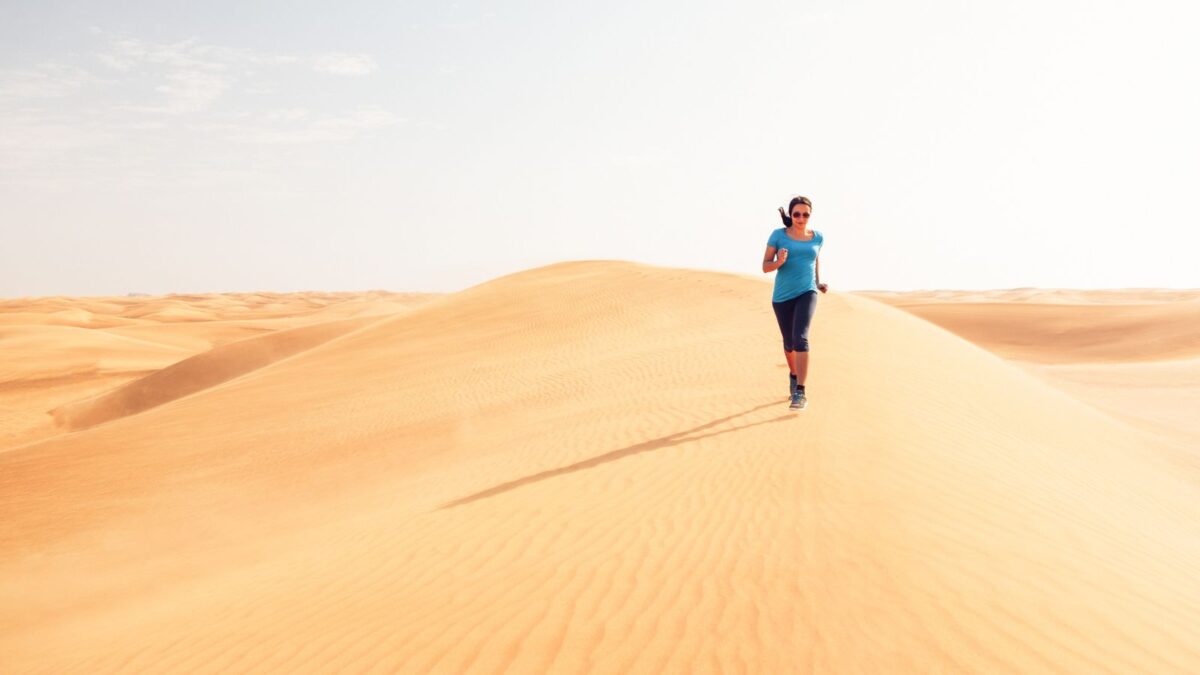
The Marathon des Sables is a six-day stage race across the Sahara Desert that is held every year in the last week of April. It’s 155 miles (250 kilometers) long.
The temperatures here can reach up to 120°F (50°C) at midday and most of the race is on sand, which can get up to 176 °F (80 °C). When you are not running on sand, you’re on technical rocky terrain, so for the entire race, you cannot relax your brain for even a second.
There are about 1,200 people each year who do this race and there are no requirements to enter. So getting into the race is easy, however, the race costs about $3,800 to enter, not including a flight to Morocco.
For gear, the race provides you with water and a tent, but everything else you will have to carry on your back. Each year, the race has a dropout rate of about 50%, and since the race’s founding in 1986, three people have died trying to finish this grueling race.
4. Montane Winter Spine

This 268-mile nonstop race is considered the toughest in the UK, but I would say it’s one of the toughest in the world. It has 43,700 feet (13,330 meters) of elevation gain, only seven aid stations (that’s one every 40 miles!), and is held in the dead of winter.
Average temperatures are freezing during the day and get into the teens during the night. It usually pours rain during the day and snows during the night for most of the race, as if it wasn’t tough enough already. Most of the trails on the course are covered in snow and mud, which makes this race very technical and slow-going.
This race has a time limit of 168 hours most of which you’ll be running in the dark because the race is in January (there’s only about 8 hours of daylight in the UK in January). 150 people can do this race per year and it costs about $1,500 per person to enter.
The race is on the iconic Penny Way trail and crosses the Peak District, Yorkshire Dales, Northumberland National Park, Hadrian’s Wall, and the Cheviots, to name a few.
3. Barkley Marathons

If you haven’t seen the documentary about the Barkley Marathons on Netflix, I recommend watching it. This race consists of 5 loops at 20 miles per loop to equal 100 total miles (although many have said that the race ends up being at least 130 miles) and about 63,000 feet of elevation gain.
The race is put on by Lazarus Lake, a man from Tennessee who has a knack for coming up with impossibly challenging races. Its located in Frozen Head State Park in Tennessee and is limited to only 35 people which makes it almost impossible to get into. It is held in March each year and only 17 people have finished the race in its 38-year history.
Over 80% of the race is off-trail and the entire race is unmarked. Racers are not allowed to have GPS watches either. The only way to navigate themselves around the course is by using a map given to them by Laz, which they then have to copy onto their own maps and give the original one back.
Once the race starts, you have to find 10-14 books that are placed around the course and tear out the page that has been assigned to you. Then at the end of each loop, Laz will count the number of pages you have to see if you completed said loop.
You have 60 hours to complete the race, which is about 12 hours per loop. There are so many more wacky things that occur during this race, so like I said, go watch the documentary for all the crazy details.
2. Tor des Géants

This race takes place in the Italian Alps, is 205 miles long, and has 78,700 feet of elevation gain. It’s a non-stop race with a cutoff time of 150 hours (or about 6 days) and the great thing about this race is that they have about 50 aid stations along the way.
This race is called Tor des Géants because the route it takes will take you on a “Tor des Géants,” or tour of the giants, which are four 4,000-meter peaks around the Aosta Valley.
This race has about a 50% drop-out rate and takes place on technical mountain trails. Lots of runners say that the elevation gain isn’t what ends up hurting you most. In the end, it’s the elevation loss. Imagine the pain that 78,700 feet of downhill would cause your knees!
Oh, and this course isn’t even the longest course they offer. There’s also a 280-mile course with 27,000 feet more elevation gain! Tor des Géants has been happening since 2010 and has only had one death.
1. Rinjani 100

Now I know putting this obscure race that no one knows about at number one on this list might upset a few people, but let me explain. This 100-mile race is held on the small Indonesian island of Lombok. To get to this island, you can fly into Bali and then take a little prop plane or ferry.
Then once the race starts, you have to climb 12,000 feet up the side of an active volcano! In total, this race has over 49,000 feet (15,000 meters) of elevation gain, which gives it the record for a 100-mile race with the most elevation gain.
This race is on very technical mountain terrain with lots of sharp lava rocks and loose dirt. In 2023, there were only 5 finishers of the race, and the year before that, only 4. The race gives you 55 hours to finish after having to extend the cutoff time year after year.
The course starts by the ocean where temperatures are usually around 90°F (32°C) and at the top of the volcano, temperatures can drop down to freezing during the night. The last time the volcano erupted was in 2016, so participating in this race could be the last thing you ever do if you do it in the wrong year.
There are so many incredible ultra races, but I would say these 5 are the most challenging ultramarathons in the world. Which would you try?