
21 Fascinating Halloween Facts That Might Surprise You
Halloween is a holiday filled with spooky traditions, but behind the costumes and candy lies a rich history that spans centuries and cultures. From ancient Celtic festivals to modern-day haunted houses, Halloween evolved into a popular holiday.
Whether you’re a fan of trick-or-treating, pumpkin carving, or just enjoying a good scare, here are 21 fascinating Halloween facts that might surprise you!
1. Halloween Has Ancient Roots in a Celtic Festival

Halloween can be traced back over 2,000 years to the Celtic festival of Samhain (pronounced “sow-in”), which marked the end of the harvest season and the beginning of winter.
For the Celts, October 31 was the eve of their new year, and they believed that the dead returned to earth on this night.
They lit bonfires and wore costumes to ward off these wandering spirits, hoping to protect themselves from the ghosts.
2. Jack-o’-Lanterns Were Originally Made from Turnips

Before pumpkins became the tradition in North America, people in Ireland and Scotland carved turnips to make Jack-o’-lanterns.
When Irish immigrants brought the tradition to America, they found pumpkins were easier to carve, leading to the now-iconic pumpkin Jack-o’-lantern.
3. The Name “Jack-o’-Lantern” Comes from an Irish Folktale

Jack-o’-lanterns get their name from the Irish legend of Stingy Jack, who tricked the devil.
As punishment, after Jack died, he was denied entry into both heaven and hell and was condemned to wander the earth. The devil gave him a burning coal to light his way, which Jack placed inside a hollowed-out turnip.
People began referring to him as “Jack of the Lantern,” which eventually became “Jack-o’-lantern.”
This spooky tale traveled to America with Irish immigrants, where pumpkins became the preferred choice for carving.
4. Trick-or-Treating Has Medieval Origins

The tradition of trick-or-treating may have evolved from the medieval practice of “souling” in England.
During “All Souls’ Day,” the poor would go door to door, offering prayers for the dead in exchange for food, usually soul cakes (a small round cake).
5. Candy Only Became a Halloween Tradition in the 1950s

Candy wasn’t always the go-to treat for Halloween. Before the 1950s, children usually received small items, including pieces of cake, fruit, nuts, or even coins.
It wasn’t until the 1950s, when candy companies began marketing their products specifically for Halloween, that candy became the standard treat.
6. Candy Corn Was Originally Called “Chicken Feed”

Candy Corn, one of Halloween’s most iconic treats, was created in the 1880s and was initially marketed as “Chicken Feed.”
At the time, corn was mainly used to feed livestock, so the association with chickens made sense. The box even had a rooster on it!
7. Halloween is the Second-Biggest Commercial Holiday in the U.S.

After Christmas, Halloween is the second-largest commercial holiday in the U.S. Americans spend billions annually on costumes, candy, decorations, and parties.
In 2023, Halloween spending was estimated to reach $12.2 billion!
8. The World Record for the Largest Pumpkin

The largest pumpkin ever recorded weighed a whopping 2,749 pounds! This massive gourd was grown by a farmer in Anoka, Minnesota, in 2023.
Giant pumpkins have become a popular tradition for contests held around Halloween.
9. The Fastest Pumpkin Carving Record

The world record for the fastest pumpkin carving is held by Stephen Clarke, who carved a traditional Jack-o’-lantern face in just 16.47 seconds in 2013!
As required, the carving had a complete face, including eyes, a nose, a mouth, and ears.
10. The Origins of “Bobbing for Apples”

Bobbing for apples, a common Halloween party game, has roots in Roman times and the Celtic festival of Samhain.
During the festival, young women would try to bite into an apple floating in the water, and it was believed that the first to succeed would be the next to marry.
11. Halloween Colors are More Than Just Spooky Decor

The traditional Halloween colors, orange and black, actually have symbolic meanings.
Orange symbolizes the autumn harvest, while black represents darkness, death, and the night when spirits are believed to roam.
12. Harry Houdini Died on Halloween

Famed magician and escape artist Harry Houdini died on October 31, 1926.
His death on Halloween adds an eerie twist to his legacy, and each year, magicians hold séances in his honor to attempt contact with his spirit.
13. Costumes Were Worn to Ward Off Ghosts

The tradition of wearing costumes on Halloween dates back to the Celts, who believed dressing up would help ward off evil spirits.
These disguises would help avoid being recognized by ghosts who wandered the earth during Samhain.
14. The Phrase “Trick or Treat” Wasn’t Popular Until the 1930s

Although the origin of trick-or-treating dates back centuries, the phrase “trick or treat” didn’t become a widespread part of Halloween until the 1930s.
It first appeared in print in a Canadian newspaper in 1927 but didn’t become mainstream in the U.S. until much later.
15. Full Moons on Halloween Are Rare
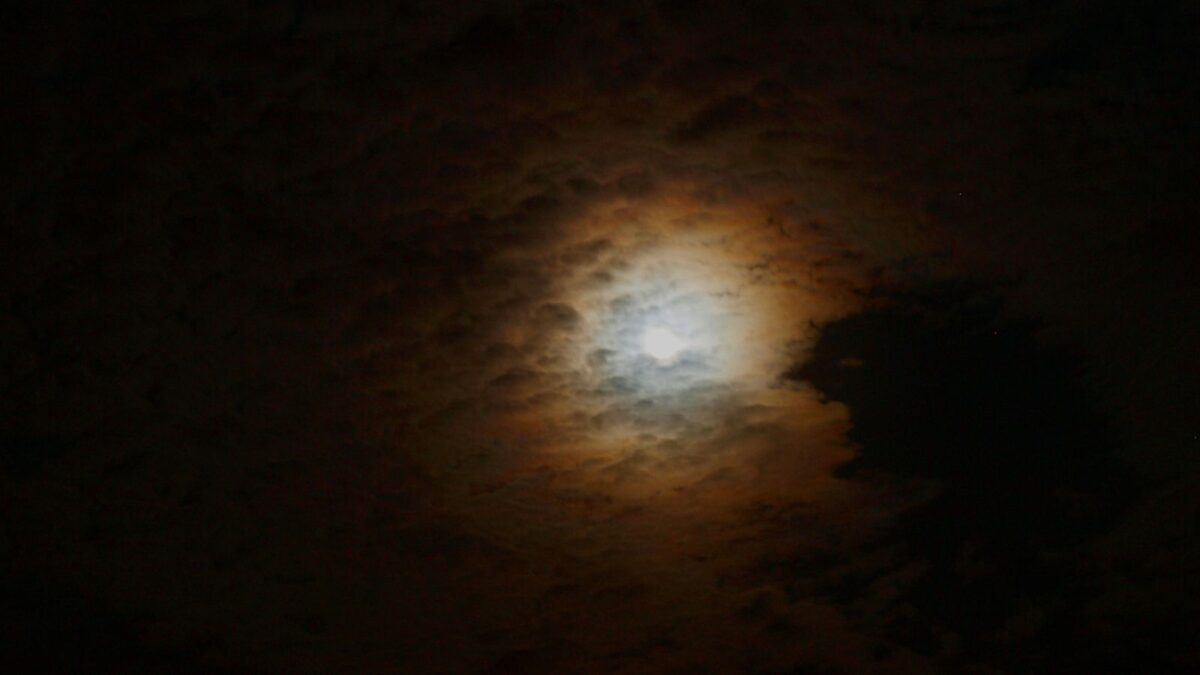
Despite being a common theme in Halloween movies, full moons on Halloween are quite rare.
The most recent Halloween full moon occurred in 2020; the next one isn’t predicted to happen until 2039.
16. Black Cats Weren’t Always Considered Bad Luck

In many cultures, black cats symbolize good luck, especially in ancient Egypt, where they were revered.
Their association with witches during the Middle Ages gave them a spooky reputation in Western culture. But, in countries like Japan and Scotland, black cats are still thought to bring prosperity and protection.
17. The Original “Michael Myers” Mask Was a Captain Kirk Mask

The famous mask Michael Myers wore in the horror movie Halloween was a store-bought Captain Kirk mask.
The low-budget production bought the mask for $2, painted it white, and stretched the eye holes to create the iconic creepy look.
18. Anoka, Minnesota is the “Halloween Capital of the World”

The small city of Anoka, Minnesota, proudly claims the “Halloween Capital of the World” title.
Anoka started hosting Halloween parades and festivities in 1920 to deter kids from playing pranks and causing mischief.
The city’s celebration has grown into a month-long event with parades, costume contests, pumpkin-carving competitions, and more.
It’s one of the oldest organized Halloween celebrations in the U.S.!
19. Illinois is the Pumpkin Capital of the U.S.

Illinois produces more pumpkins than any other state in the U.S., growing over 500 million pounds each year.
This makes Illinois the top pumpkin producer, especially for those used in Halloween Jack-o’-lanterns and pies.
20. New York’s Greenwich Village Hosts the World’s Largest Halloween Parade

The Greenwich Village Halloween Parade in New York City is the largest in the world.
Over 50,000 people participate in costume, and over 2 million spectators line the streets, making it one of the most iconic Halloween events.
21. The First Haunted House in the U.S. Opened in 1957

The first haunted house in the U.S. is believed to be the San Mateo Haunted House, which opened in 1957 in California. Its eerie success started a trend, and now haunted attractions have become a popular Halloween tradition across the country.
Which of These Fun Halloween Facts Will You Share at Your Next Spooky Celebration?

Halloween is full of surprises whether you love the spooky history, quirky traditions, or just the thrill of dressing up.


