Big Faith, or Big Bank? 10 Wealthiest Churches (and how they got rich)
Religion has played a pivotal role in shaping civilizations, cultures, and economies across the world for thousands of years. While many religious institutions focus on spiritual guidance and community building, some have also amassed vast fortunes through centuries of donations, investments, and land ownership.
In this post, we’ll explore the world’s richest religions, examining how they have accumulated their wealth and the various sources that have contributed to their financial power.
From historic churches with centuries-old traditions to newer, rapidly growing faiths, these religious organizations wield both spiritual influence and significant economic power.
1. The Roman Catholic Church

The Roman Catholic Church is one of the most financially powerful religious institutions in the world, with an estimated wealth in the tens to hundreds of billions of dollars.
Its financial resources come from centuries of donations, investments, real estate holdings, and the priceless art and historical artifacts housed in Vatican City.
Much of the Church’s wealth is tied to its vast land holdings around the globe, including cathedrals, schools, and hospitals. Additionally, the Vatican has significant investments in the stock market.
Over centuries, the Church has collected tithes and donations from millions of believers, amassing one of the most influential and wealthiest institutions worldwide.
2. The Church of Jesus Christ of Latter-day Saints (Mormon Church)

The Church of Jesus Christ of Latter-day Saints, commonly known as the Mormon Church, has an estimated net worth of over $100 billion.
Its financial growth comes from tithing, where members are expected to contribute 10% of their income, as well as investments in real estate, agriculture, and businesses across the U.S. and globally.
The Church also invests heavily in stocks and has an extensive portfolio. Some of its most notable holdings include farmland, commercial real estate, and shopping malls.
Their prudent financial management has allowed them to grow their assets exponentially while also funding global missionary work and welfare programs.
3. The Church of England

The Church of England, with an estimated net worth of £8 billion, has accumulated wealth through centuries of land ownership, endowments, and donations. It remains one of the most significant landowners in the UK, with a portfolio that includes schools, churches, and commercial properties.
The Church’s income comes from real estate investments and the management of its endowment fund, which is invested in stocks and other financial assets.
Historically, it has benefited from royal patronage, grants, and inheritances, making it one of the wealthiest religious institutions in Europe.
4. The Church of Scientology

Despite being one of the youngest religions on this list, the Church of Scientology has accumulated a net worth estimated between $1.5 to $3 billion.
The Church’s wealth primarily comes from donations and the sale of Scientology materials and courses, where members are expected to pay significant sums to advance through the religion’s levels.
Scientology also owns a vast array of real estate, including properties in prime locations in Los Angeles, New York, and London.
The Church uses its resources to expand its influence worldwide, with critics arguing that it operates more as a business than a traditional religious organization.
5. The Islamic Trusts (Waqf)

Islamic wealth is often held in Waqf, or religious charitable trusts. These trusts manage land, funds, and properties for the benefit of communities, including the construction and upkeep of mosques, schools, and hospitals.
While the wealth is decentralized and difficult to estimate, it’s believed to be in the billions globally.
Waqfs are funded through donations from wealthy individuals, governments, and community contributions.
Historically, the Islamic world has seen significant investments in education and healthcare, making the waqf system an enduring and vital part of Islamic society.
6. The Anglican Church of Canada

The Anglican Church of Canada is one of the wealthiest religious organizations in North America, with an estimated wealth of over $1 billion. This wealth comes from historical land ownership, investments, and donations from parishioners.
Like other churches, the Anglican Church manages a large portfolio of real estate, including churches, schools, and other religious buildings.
It also has an endowment fund that is invested in various financial markets, generating ongoing revenue for its charitable works and ecclesiastical activities.
7. The Church of Sweden

The Church of Sweden, once the official state church, has significant wealth, estimated at around $500 million.
The Church’s resources come from historical land ownership, donations, and its control over large tracts of forested land, which provides income from timber sales.
Despite declining membership, the Church continues to generate income from its extensive real estate holdings, including churches, parish buildings, and other properties across Sweden.
It also manages an investment portfolio that helps support its operations.
8. The Greek Orthodox Church

The Greek Orthodox Church has been a powerful institution in Greece and beyond for centuries, amassing wealth through land ownership, donations, and state support.
Its estimated wealth ranges in the billions, although much of it is tied to real estate and historical assets rather than liquid capital.
The Church owns vast tracts of land in Greece, including monasteries, churches, and other properties.
Donations from believers, inheritance of land, and state funding have all contributed to its financial strength, making it one of the wealthiest religious organizations in the Eastern Orthodox world.
9. The Church of Japan’s Shinto Shrines

Shinto, the indigenous religion of Japan, operates through a system of shrines rather than a centralized organization. While not as financially dominant as other religions, the collective wealth of Shinto shrines is significant.
Many shrines receive donations from the public, and some own valuable land in urban centers.
Some shrines also receive state support or benefit from government programs that preserve Japan’s cultural heritage. In this way, Shinto has managed to accumulate wealth primarily through land ownership and public donations, contributing to the upkeep of its sacred sites.
10. The Seventh-day Adventist Church
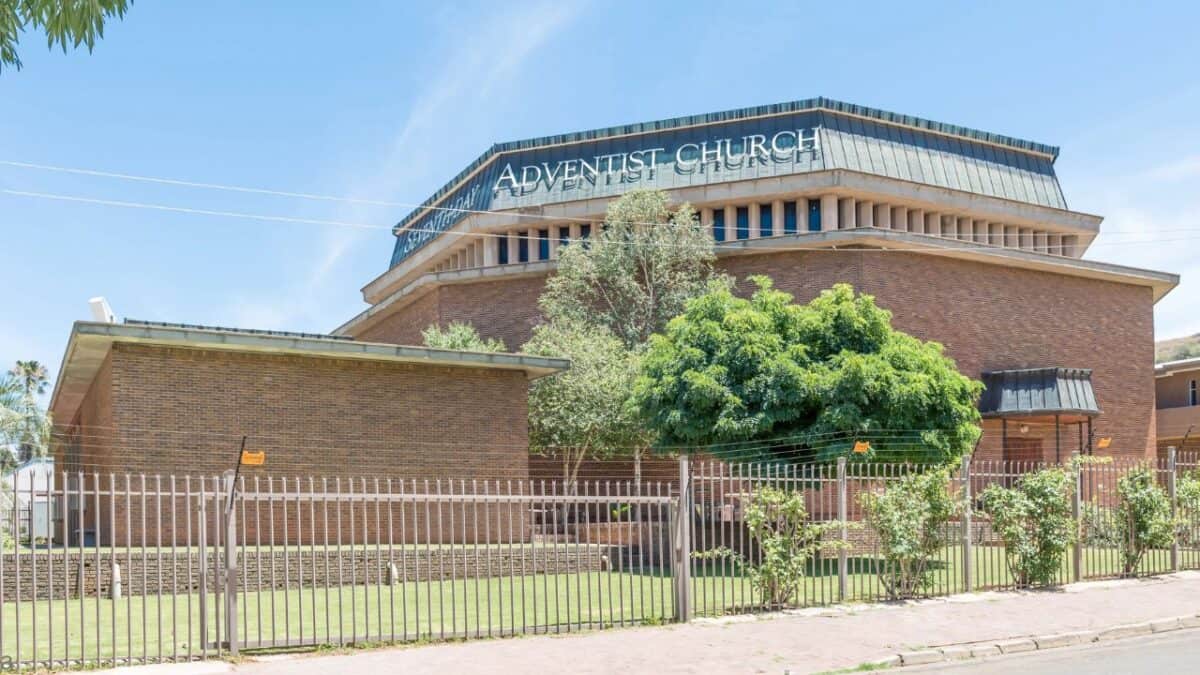
The Seventh-day Adventist Church, founded in the 19th century, has become one of the wealthiest Protestant denominations in the world. It holds billions of dollars in assets, primarily through its global healthcare network, which includes hospitals, clinics, and universities. These institutions generate significant income for the Church.
Additionally, the Church operates a system of tithing, where members contribute 10% of their income, and it also owns substantial real estate. Its financial health has allowed it to fund missionary work, charitable endeavors, and expansion across the globe.