America’s 16 Toughest National Parks to Explore
When we get fed up with traffic jams and city noise, there’s nothing quite like disconnecting and experiencing nature. But if adventure gets you more excited than a quiet picnic, why not try exploring the wild side of America?
I’m talking about those national parks that are so remote and rugged that they have to issue warnings to potential visitors. Some of America’s toughest national parks offer the greatest rewards, like epic landscapes, challenging hikes, majestic wildlife, and the solitude that lets you hear your heartbeat.
1. Great Basin, Nevada
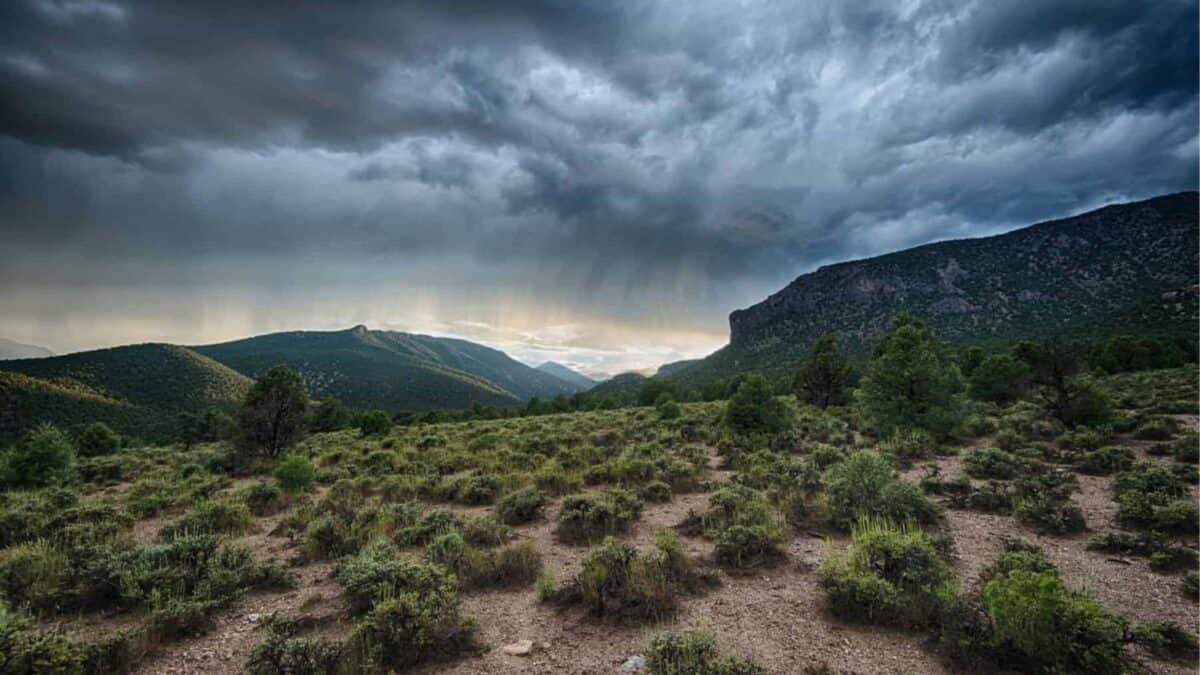
Great Basin National Park in Nevada is like nowhere else. From towering peaks to deep valleys, the park spans a staggering elevation range of 6,825 to 13,065 feet. You’ll be staring up at mountains capped with some of the oldest trees on Earth—bristlecone pines that have been around for over 4,000 years.
Think you’re tough enough to handle it? Great Basin offers adventures that aren’t for the faint of heart. Big Wash Trail is a long 20.6 miles through wild shrubland. It’ll test your grit under the summer sun, but the feeling of conquering this remote beauty is unbeatable.
2. Isle Royale National Park, Michigan

Unlike most parks you can drive up to, Isle Royale sits isolated in Lake Superior, 15 miles away from the mainland. The only way in? By boat or seaplane! This explains why there are only about 25,000 visitors per year (compared to Yosemite’s 3.5 million).
With rugged shores, rocky ridges, and dense forests, the terrain is no joke. Getting there takes some effort, but the payoff is incredible. Explore over 160 miles of pristine wilderness trails, discover the secrets of shipwrecks scattered around the island, or kayak the beautiful waters.
3. Big Bend National Park, Texas

Big Bend National Park in Texas has towering mountains, surprising pine forests, and a sprawling desert unlike anything you’ve ever seen. It’s like a wild mix of landscapes that shouldn’t exist together, and that’s precisely what makes it so incredible.
But the terrain can be tricky, so if you’re a hiking newbie, maybe ease yourself in with a guide or a more forgiving trail. This 800,000-acre park is big (it’s easy to get lost!), and you might encounter snakes, prickly plants, or curious critters.
4. American Samoa National Park
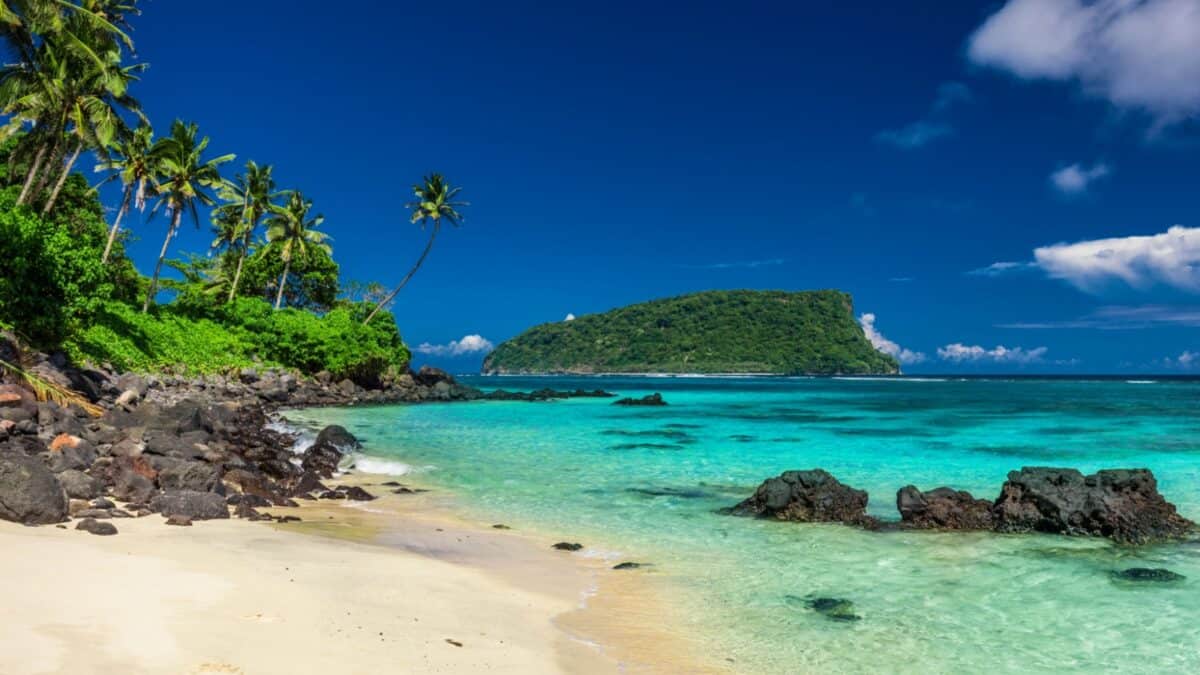
American Samoa National Park isn’t your average walk in the park. When I visited, I was blown away by the beauty and friendly locals. This remote gem boasts lush rainforests, vibrant coral reefs, and some of the steepest terrains in the National Park System.
You’ll need to fly here from Hawaii (bonus trip!), and be sure to make all your reservations in advance and check the local rules. I wrote an article for National Geographic with more details about this special park that you can read here.
Sure, the trails can be rough around the edges (that’s what makes it an adventure!). Still, with some planning, you can be one of the few to conquer these wild hiking paths and maybe even enjoy snorkeling through vibrant waters teeming with colorful fish and trekking through a rainforest teeming with exotic birds!
5. Mount Rainier National Park, Washington
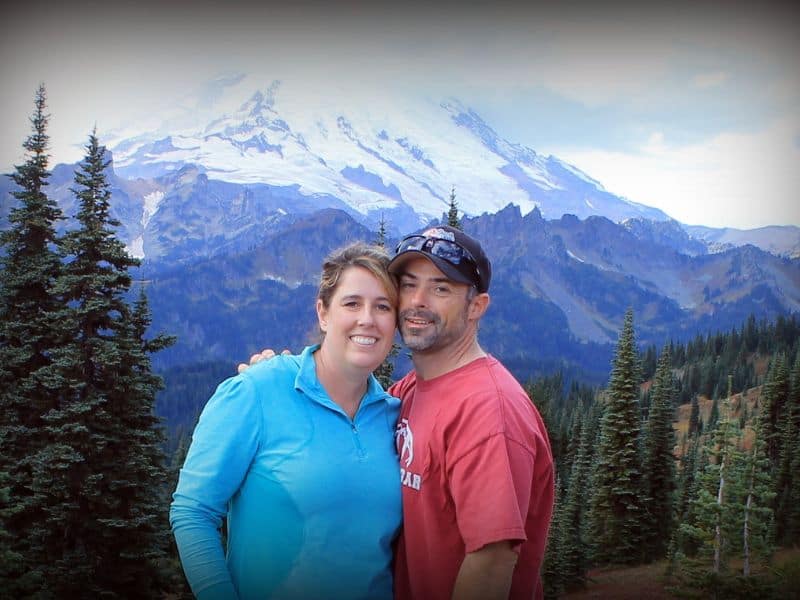
Mount Rainier National Park in Washington offers more than just a walk in the woods. It’s a sprawling expanse of nearly 370 square miles centered on the towering Mount Rainier, which stands at 14,411 feet!
Reaching the summit of Mount Rainier is no small feat, with about 10,000 adventurers attempting the ascent annually and only half succeeding. For those seeking thrilling views without extreme climbing, the Skyline Loop Trail provides a challenging yet accessible trek through diverse landscapes, delivering unforgettable vistas.
6. Voyageurs National Park, Minnesota

Unlike most national parks, Voyageurs is a land of opportunity for those seeking adventure off the beaten path. Two-thirds of the park is water, with massive lakes like Rainy, Namakan, and Kabetogama dominating the landscape. With over 650 miles of shoreline and countless islands, Voyageurs is perfect for paddling, fishing, or simply camping on a secluded island.
7. Bering Land Bridge National Preserve, Alaska

With only 2,600 people visiting the park yearly, the Bering Land Bridge National Preserve in Alaska is for those who crave a truly remote experience. Getting there is half the fun (and challenge)! No roads lead in, so expect an unforgettable (but potentially costly and time-consuming) journey by plane or boat.
There are no facilities or maintained trails within the park. You’ll witness a wild, unspoiled landscape complete with unique plants and animals.
8. Kobuk Valley National Park, Alaska

At Kobuk Valley National Park, you’ll find untamed wilderness waiting to be explored– a true Alaskan adventure. No crowds, no rangers holding your hand. Temperatures get really high in the summer and plummet in the winter. The seemingly eternal daylight in the summer and round-the-clock darkness in the winter can be disorienting.
The terrain is a hiker’s obstacle course, with rugged mountains, vast stretches of tundra, and the mighty Kobuk River carving its path through the landscape. But the thrill of leaving footprints on untouched sand dunes, spotting herds of caribou migrating across the tundra, or kayaking down a wild river is unforgettable.
9. North Cascades National Park, Washington

The North Cascades in Washington are ancient mountains that have risen from the Earth for 400 million years! Rain and ice have carved out dramatic peaks and valleys, making this a wild and rugged landscape.
Hike the Bridge Creek Trail, a section of the Pacific Crest Trail, and you’ll be rewarded with breathtaking views of Goode Mountain, the park’s highest peak at 9,220 feet.
10. Lake Clark National Park, Alaska

Are you up for a challenge that rewards you with untouched Alaskan beauty? Then, Lake Clark National Park is your dream destination. Hikes here are multi-day adventures.
The Telaquana route takes you on a 7-10-day journey through wild tundra and boreal forests, following an ancient trail used by the Dena’ina Athabascan people for centuries. Imagine the epic views from the top, overlooking the Neocola Range’s snow-capped peaks and glaciers.
11. Gates of the Arctic, Alaska

Gates of the Arctic is America’s second largest national park, with more than 8 million acres. The untouched wilderness gives you a chance to connect to nature and yourself.
But this park is among the toughest to explore—no roads, trails, or designated campsites, and you’ll be backpacking and camping all on your own. The weather can be extreme, ranging from freezing temperatures to scorching heat. Be ready to share the park with bears, wolves, and other amazing creatures (and know how to stay safe around them).
12. Dry Tortugas National Park, Florida

Located 70 miles off Key West, Dry Tortugas National Park is one of the most remote national parks in the U.S., offering a one-of-a-kind adventure that starts with a scenic boat trip or seaplane ride.
Despite the challenge of no road access, the journey is part of the excitement, culminating in stunning experiences such as snorkeling in clear waters filled with vibrant fish and coral reefs, or exploring the historic 19th-century Fort Jefferson.
13. Zion National Park, Utah

Zion National Park is a bustling hub for hikers, drawing crowds eager to explore America’s most iconic trails, like Angels Landing and The Narrows. Although it’s a paradise, its popularity means it’s not always peaceful, and some trails may be temporarily closed.
Always check with the park service for trail availability, and watch out for the Virgin River’s occasional cyanobacterial blooms, which can affect water activities.
14. Guadalupe Mountains National Park, Texas

Guadalupe Mountains National Park in Texas, often dubbed the “other” national park, is a hidden gem for avid hikers seeking a rugged adventure. The park is minimally developed, with only one major highway touching the southeast corner.
The park’s crown jewel, the Guadalupe Peak Trail, stretches 8.5 miles and climbs to Texas’s highest point at 8,751 feet. The views from the top are absolutely breathtaking!
15. Rocky Mountain National Park, Colorado

Forget rolling hills. Rocky Mountain boasts some of Colorado’s most challenging “fourteeners” – peaks exceeding 14,000 feet. The park’s iconic Longs Peak stands at a staggering 14,259 feet!
If you’re not scaling Longs, be prepared for serious elevation gains. Take Hallett Peak, for example. This 10.3-mile trek starts at a comfortable elevation of 9,475 feet and ascends to a demanding elevation of 12,713 feet. The winding trail is a workout, but the panoramic vistas of Longs Peak, Keyboard of the Winds, Pagoda Peak, and Head Peak will leave you speechless.
16. Glacier National Park, Montana
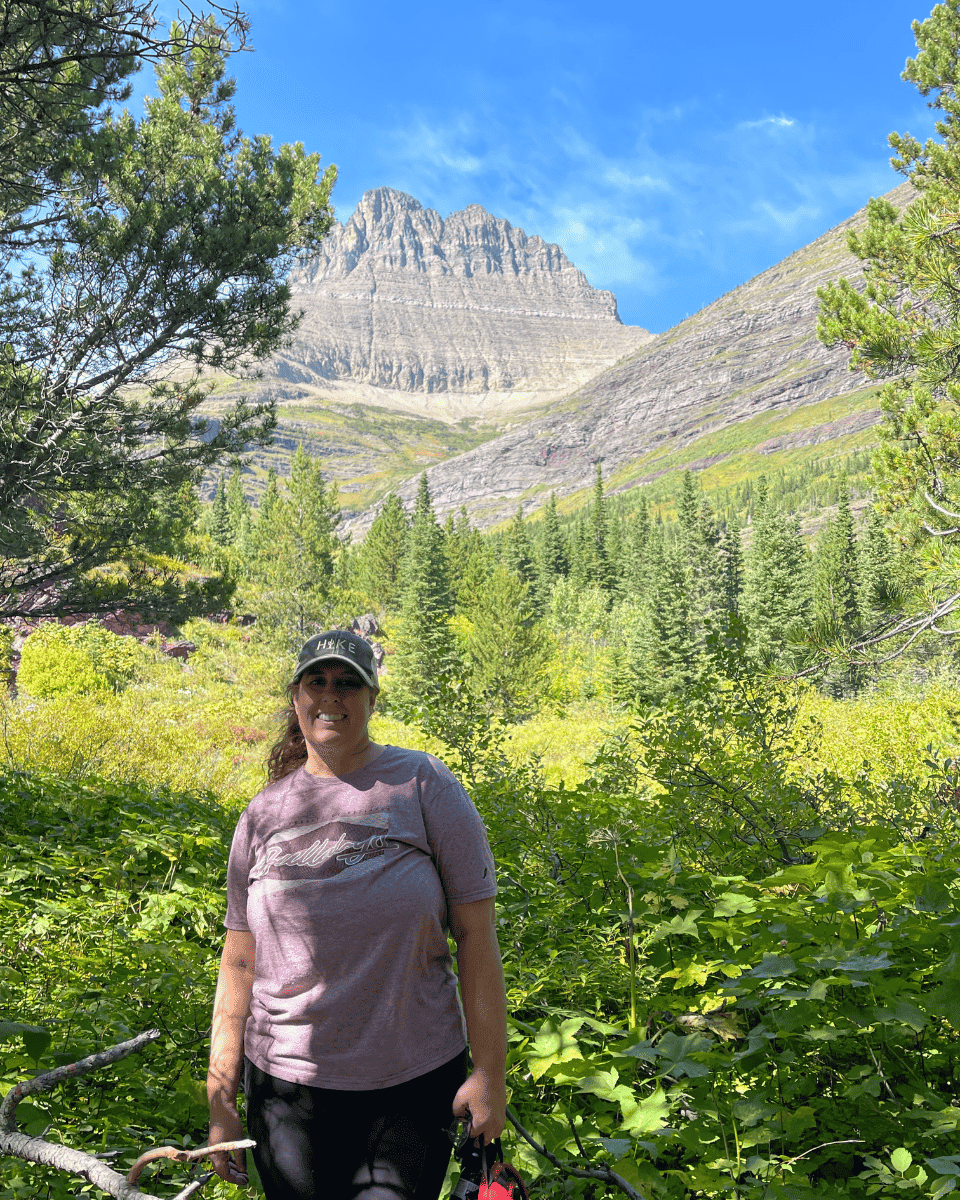
Glacier National Park in Montana has always been a dream destination, with over 700 miles of trails. Experience the raw beauty of the wilderness on one of six challenging backcountry routes, like the stunning 17.3-mile Dawson-Pitamakan Loop, designed to test your endurance and reward you with breathtaking panoramas.
Alternatively, the 10.3-mile hike to Grinnell Glacier provides a closer look at one of the park’s most famous glaciers. Remember that heavy snow from December to March can make many roads impassable, adding to the park’s rugged charm.