15 Unspoken Rules of National Park Travel

Exploring national parks is a favorite pastime for many, offering stunning landscapes, diverse wildlife, and a chance to reconnect with nature. However, to ensure a pleasant experience for everyone, it’s essential to follow some unspoken rules of national park travel.
These guidelines help preserve the parks’ beauty and maintain harmony among visitors. Here are 15 unspoken rules every national park traveler should know.
1. Leave No Trace

Always carry out what you carry in. This includes food wrappers, bottles, and any other waste. Leaving no trace helps keep the parks clean and pristine for everyone to enjoy.
2. Stay on Marked Trails

Venturing off-trail can cause erosion and damage delicate ecosystems. Stick to marked paths to protect the environment and for your safety.
3. Respect Wildlife

Observe animals from a distance. Feeding or approaching wildlife can be harmful to both the animals and humans. Use binoculars or a zoom lens to get a closer look.
4. Keep Noise to a Minimum

Enjoy the natural sounds of the park and avoid loud conversations, music, or other noises. This respect helps others immerse themselves in the serenity of nature.
5. Pack It In, Pack It Out

Not only should you take all your trash with you, but consider picking up any litter you find along the way. This practice helps keep the parks clean for future visitors.
6. Camp Only in Designated Areas
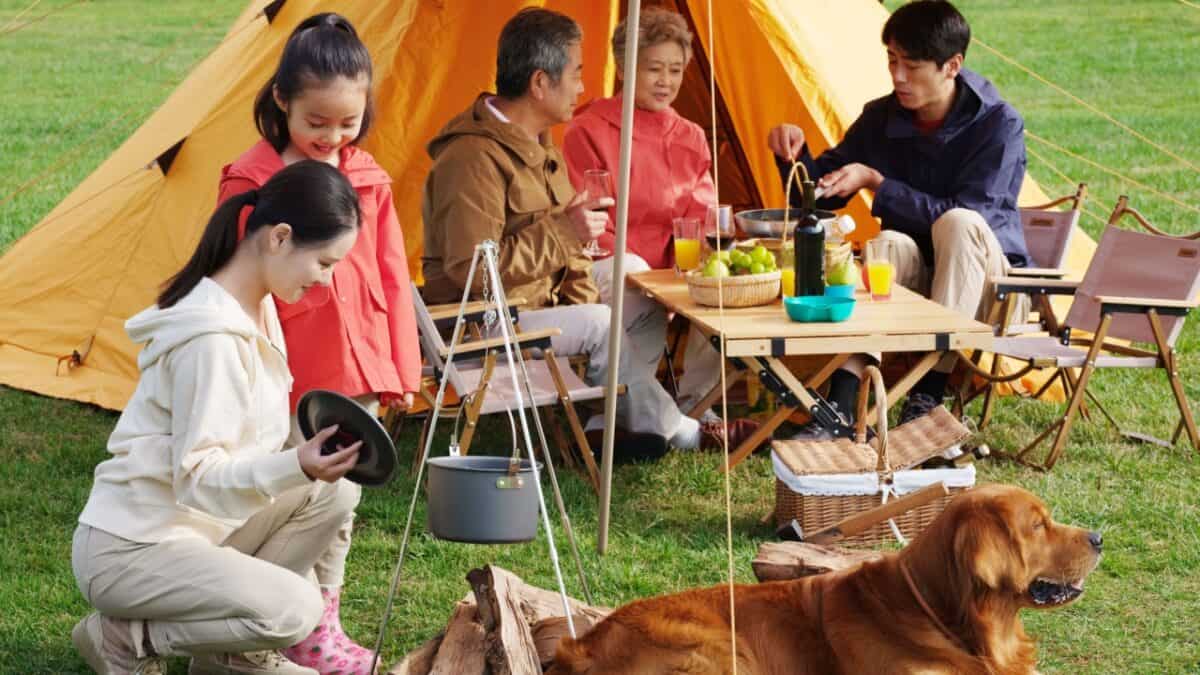
Use established campsites to minimize your impact on the environment. Dispersed camping can harm vegetation and disturb wildlife.
7. Respect Quiet Hours

Many parks have designated quiet hours, usually at night, to ensure a peaceful experience for all campers. Be mindful of these times and keep noise to a minimum.
8. Follow Fire Regulations

Adhere to park rules regarding campfires. Use designated fire rings, never leave a fire unattended, and ensure it is completely extinguished before leaving.
9. Respect Other Visitors’ Space

Give fellow visitors plenty of room, whether on the trail, at a viewpoint, or in a campground. Personal space enhances everyone’s enjoyment of the park.
10. Be Prepared for Emergencies

Carry a map, compass, first-aid kit, and sufficient food and water. Know the basics of wilderness survival, and always let someone know your itinerary.
11. Follow Park Rules and Regulations

Each park has specific rules to protect natural resources and ensure visitor safety. Familiarize yourself with these regulations before your visit and follow them diligently.
12. Practice Eco-Friendly Toileting

Use established restrooms whenever possible. If nature calls while you’re on the trail, follow Leave No Trace principles for waste disposal, such as digging a small hole at least 200 feet from water sources.
13. Use Biodegradable Soap
If you need to wash dishes or yourself, use biodegradable soap and do so at least 200 feet away from water sources to prevent pollution.
14. Respect Cultural and Historical Sites

Many parks contain significant cultural and historical landmarks. Treat these sites with respect, do not climb on them, and leave artifacts where you find them.
15. Be Considerate of Your Impact

Think about how your actions affect the environment and other visitors. Aim to minimize your footprint and maximize the enjoyment and preservation of the natural beauty around you.