How People Around the World Say Merry Christmas
 Chantelle Kincy
Whether you’re traveling during the holidays or just looking to expand your cultural horizons, learning to say “Merry Christmas” in various languages is a beautiful way to connect with people worldwide.
Spanish
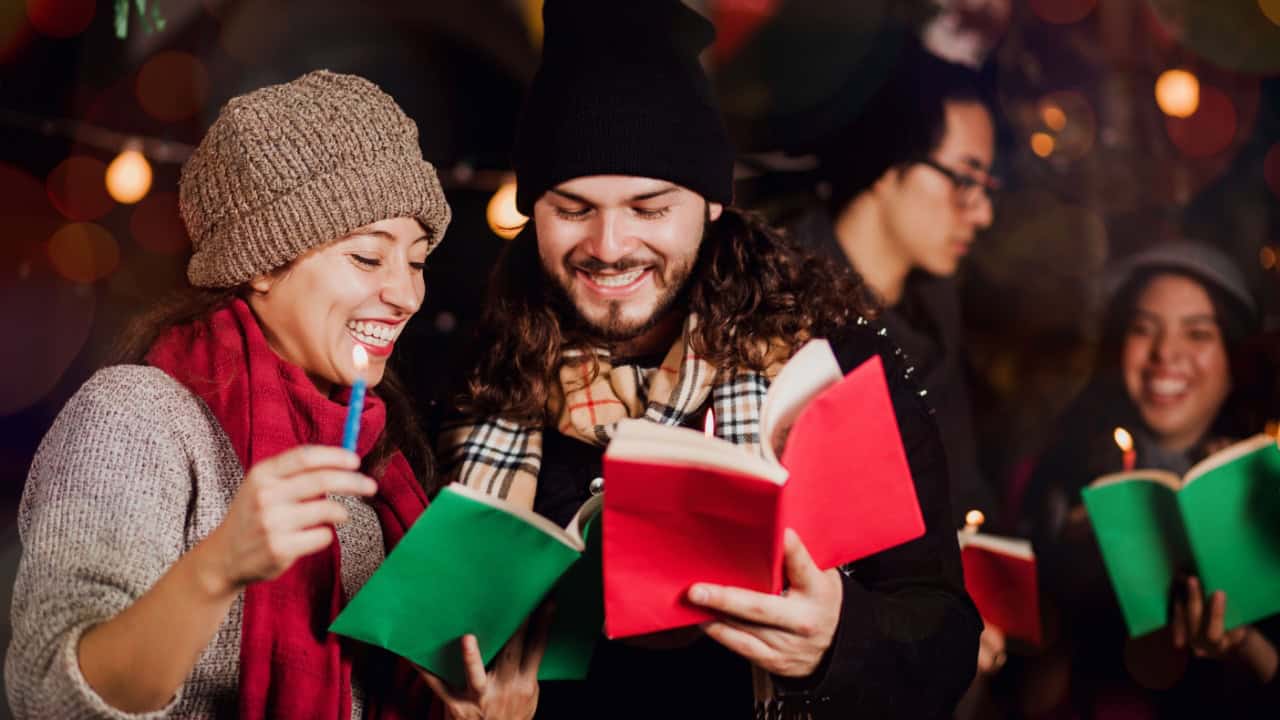
Feliz Navidad
Pronunciation: feh-LEES nah-vee-DAHD
Spanish is spoken in Spain and most of Latin America, including Mexico, Argentina, and Colombia, as well as in parts of the United States. Holiday traditions vary widely, but a common thread is the importance of family gatherings and religious celebrations.
In Spain, Christmas Eve, or “Nochebuena,” features a feast of roasted lamb or seafood, and children eagerly await the arrival of the “Reyes Magos” (Three Wise Men) on January 6. In Mexico, the festivities include “Las Posadas,” a nine-day reenactment of Mary and Joseph’s search for lodging, culminating in piñatas, carols, and tamales.
Italian
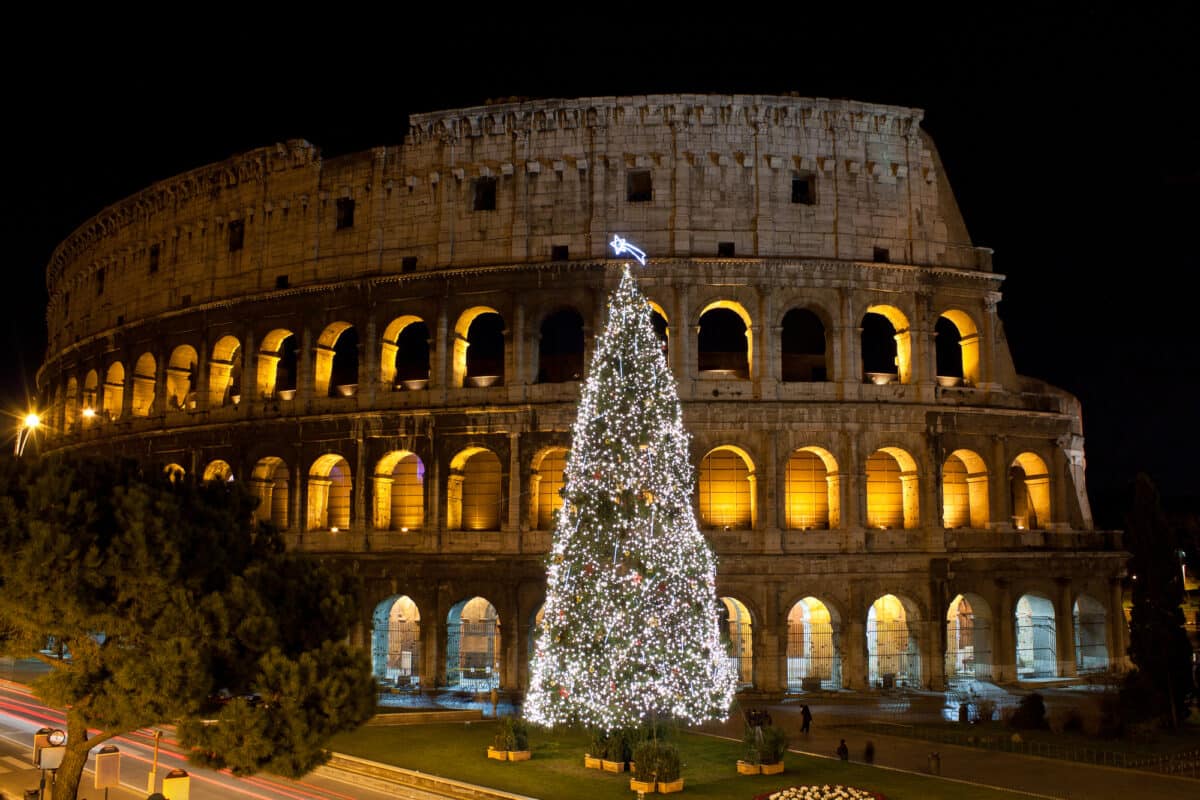
Buon Natale
Pronunciation: bwon nah-TAH-leh
Italian is primarily spoken in Italy and parts of Switzerland. Italian Christmas traditions are steeped in Catholic faith, with the Nativity scene (“presepe”) being a centerpiece in homes and churches.
A festive Christmas Eve dinner, often featuring seafood dishes like “fritto misto” or “baccalà,” is followed by attending Midnight Mass. Children anticipate the arrival of “Babbo Natale” (Santa Claus) or “La Befana,” a kind witch who delivers gifts on Epiphany.
Dutch

Vrolijk Kerstfeest
Pronunciation: vroh-lik Kehrst-feest
Dutch is spoken in the Netherlands, Belgium (Flemish), and parts of Suriname. In the Netherlands, holiday celebrations start early with Sinterklaas on December 5. Children leave out shoes for Saint Nicholas to fill with treats like chocolate letters and marzipan.
On Christmas Day, families gather for an elaborate meal, often featuring roast meats and traditional pastries like “kerststol.”
Polish
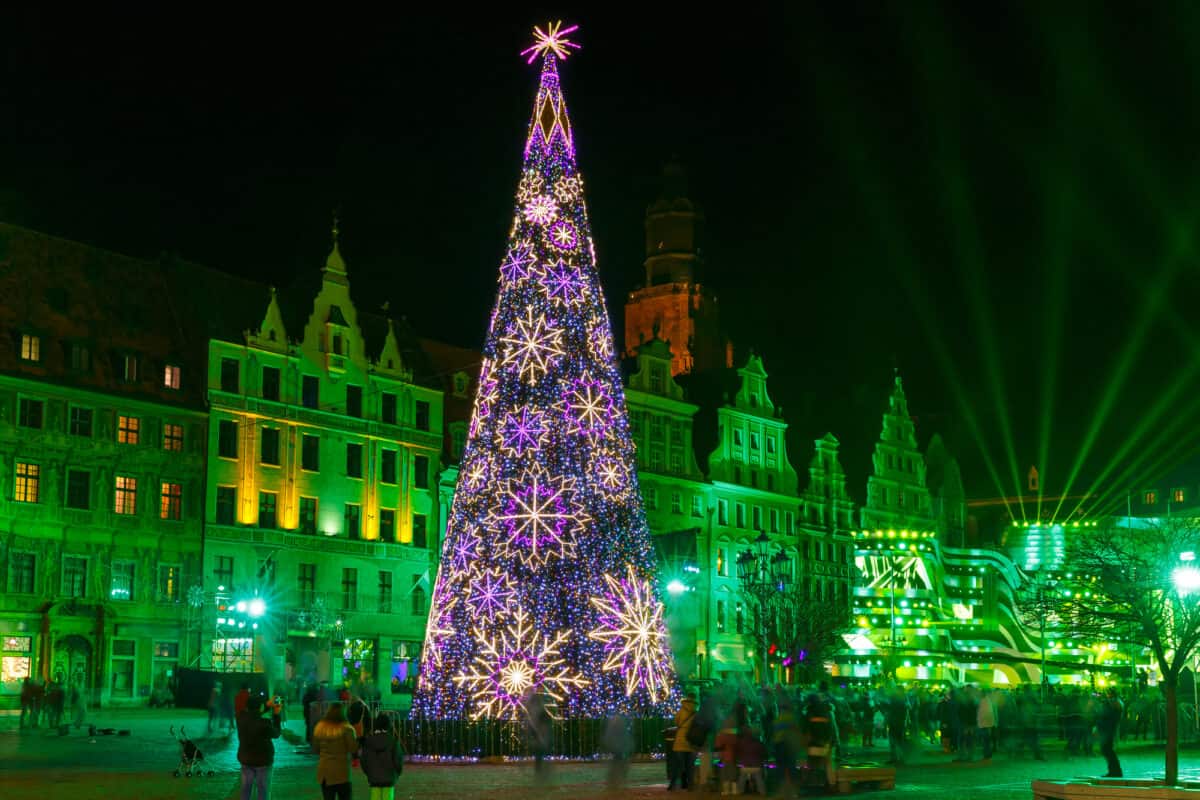
Wesołych Świąt
Pronunciation: veh-SOH-wih shvyont
Polish is the official language of Poland, where Christmas is a deeply meaningful and family-oriented holiday. On Christmas Eve, or “Wigilia,” families sit down to a 12-dish meal symbolizing the apostles, with dishes like pierogi, barszcz (beet soup), and fish.
Before dinner, they break the “opłatek,” a thin wafer, to share blessings for the coming year. Midnight Mass, known as “Pasterka,” is a cherished tradition.
Norwegian
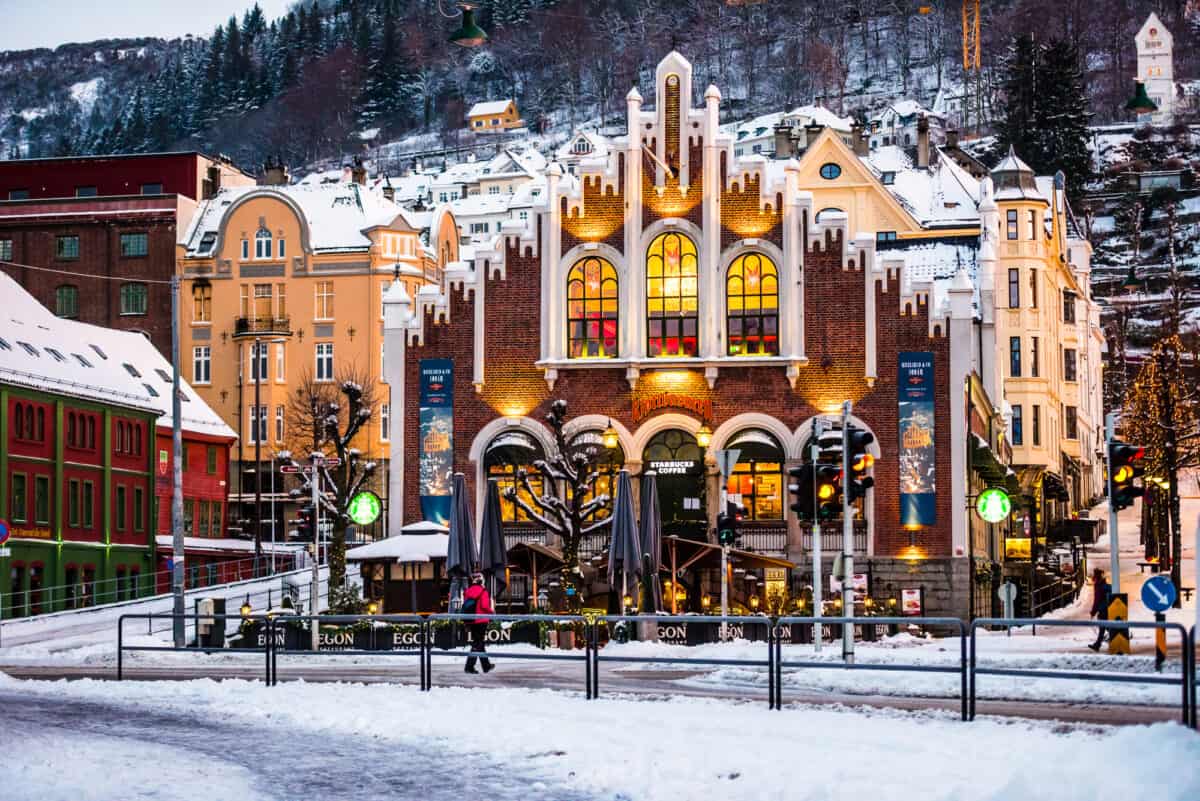
God Jul
Pronunciation: gohd yool
Norwegian is spoken in Norway, where Christmas is celebrated with an emphasis on coziness and tradition, known as “koselig.” Families light Advent candles and bake “julekaker” (Christmas cookies) in the weeks leading up to the big day. “Lille Julaften” (Little Christmas Eve) on December 23 is a time for final preparations and decorating the Christmas tree.
On Christmas Eve, a meal of pork ribs (“ribbe”) or lamb is enjoyed, and children may spot “Julenissen,” the Norwegian Santa Claus.
Ukrainian
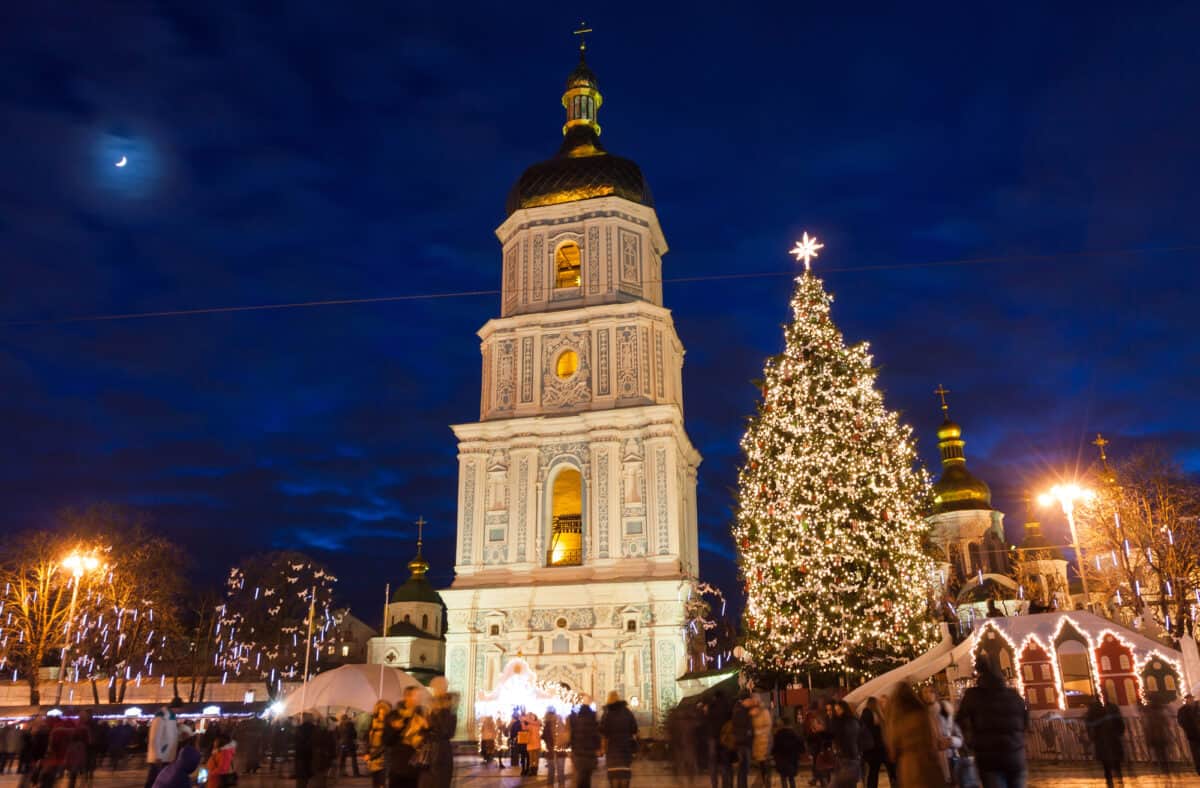
З Різдвом (Z Rizdvom)
Pronunciation: z REEZ-dvom
Ukrainian is the national language of Ukraine, where Christmas is celebrated on January 7 in accordance with the Julian calendar. Traditional meals revolve around a “Sviata Vecheria” (Holy Supper) of 12 meatless dishes, including “kutia,” a sweet grain pudding.
Caroling is a vibrant tradition, with groups visiting homes to sing “koliadky” and bless the household. The festivities are steeped in Orthodox Christian rituals.
French
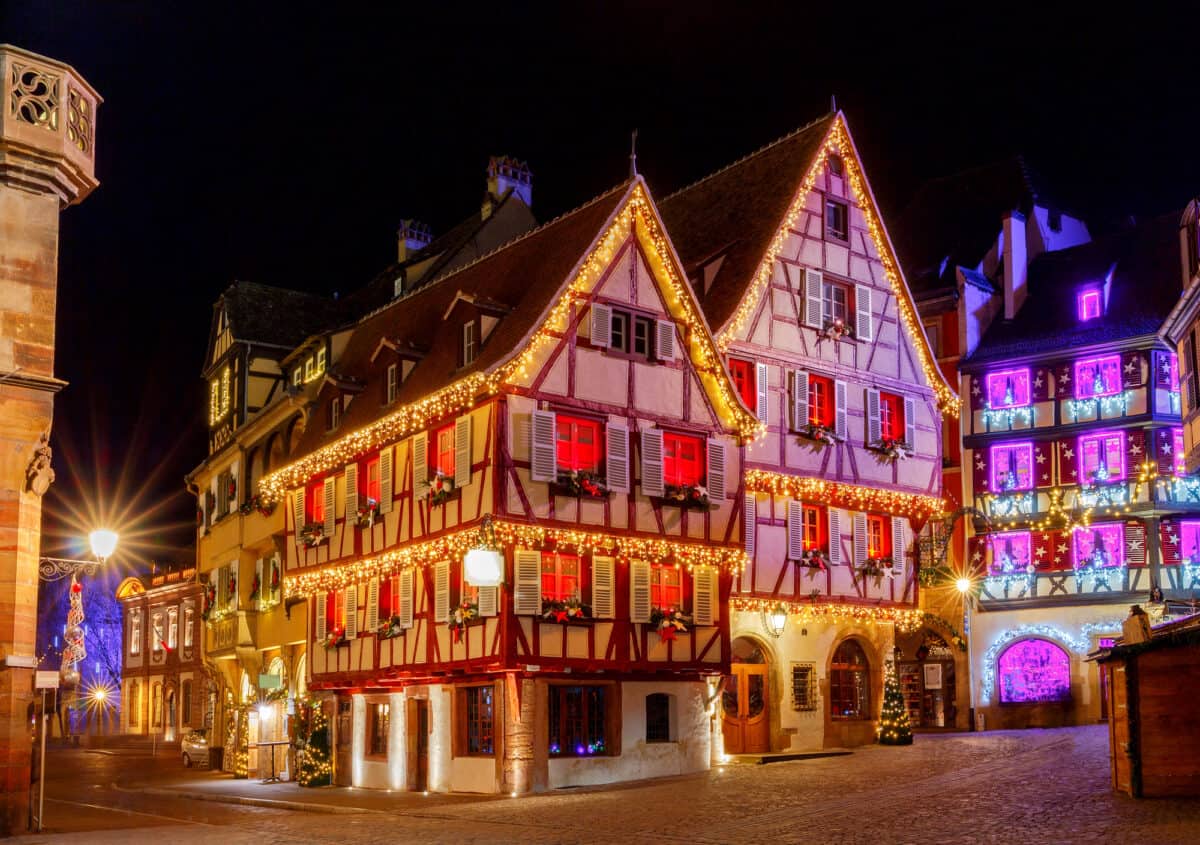
Joyeux Noël
Pronunciation: zhwa-yuh no-EL
French is spoken in France, parts of Canada (Quebec), Belgium, Switzerland, and several African countries. In France, Christmas is marked by extravagant feasts called “Réveillon,” featuring delicacies like foie gras, oysters, and the “bûche de Noël” (Yule log cake).
Midnight Mass is a highlight; children leave their shoes out for “Père Noël” to fill with treats. In Quebec, traditions blend French and Canadian influences with hearty meals and festive outdoor activities.
Turkish

Mutlu Noeller
Pronunciation: moot-loo no-el-ler
Although Turkey is predominantly Muslim, “Mutlu Noeller” is occasionally heard among its Christian minority and in tourist areas. The small Christian population, particularly in Istanbul and along the Aegean coast, celebrates with Midnight Mass and festive meals.
Turkey also has strong ties to St. Nicholas, the original Santa Claus, who was born in Patara, a region in modern-day Turkey.
Thai

สุขสันต์วันคริสต์มาส (Suk san wan Khristmas)
Pronunciation: sook sahn wan kris-ta-maht
Thai is the official language of Thailand, a predominantly Buddhist country where Christmas is celebrated more as a festive season than a religious holiday.
The streets of Bangkok and other cities come alive with dazzling lights, elaborate decorations, and shopping galore. Western traditions like Christmas trees and gift exchanges are embraced, especially among younger generations and expatriates.
Romanian
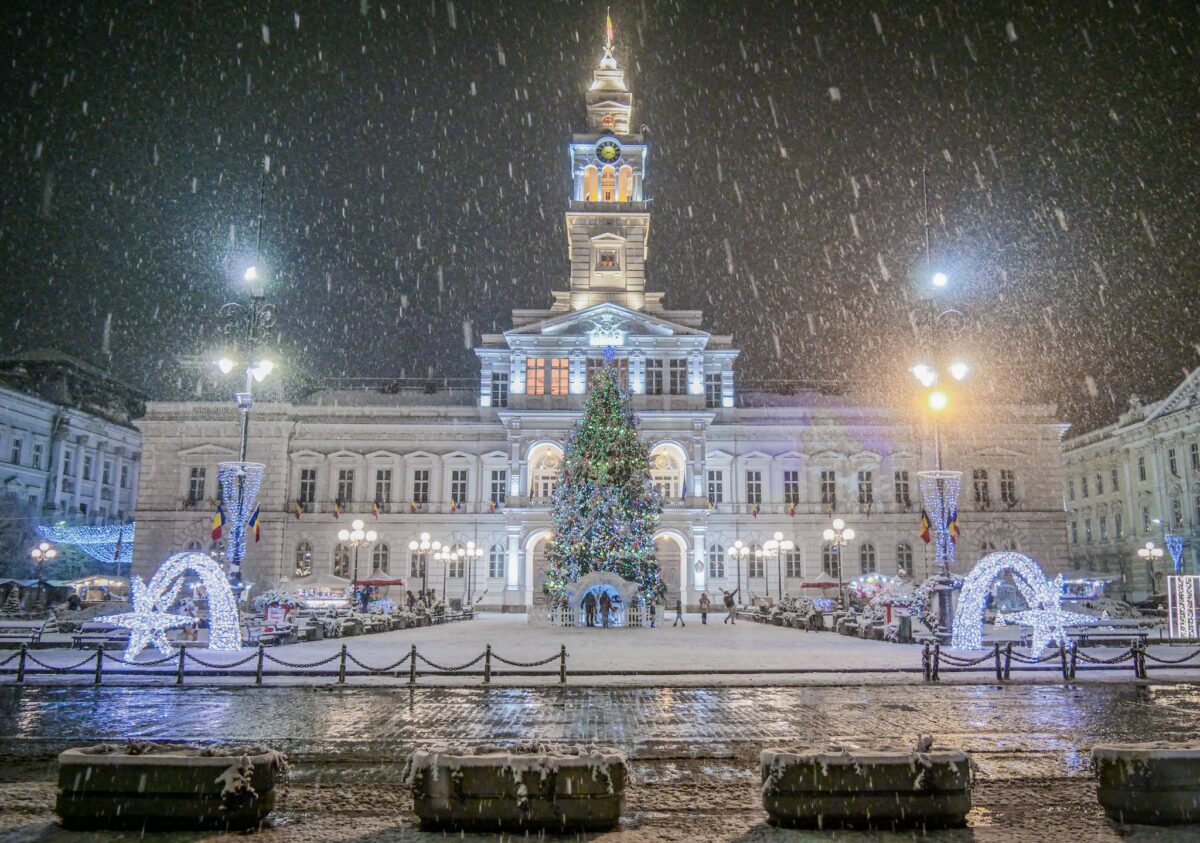
Crăciun Fericit
Pronunciation: kraa-CHOON feh-ree-CHEET
Romanian is spoken in Romania and Moldova, where Christmas is a time of rich folklore and Orthodox Christian traditions. In rural areas, carolers dressed in traditional costumes go from house to house singing “colinde,” and they are rewarded with sweets or small gifts.
The Christmas meal includes dishes like “sarmale” (cabbage rolls) and “cozonac” (sweet bread), and families often attend church services to celebrate the birth of Christ.